


Prescription dispenser
Table of Contents
Sign up to our newsletter
Self-service kiosks help streamline processes and increase the margin for personalization in retail, hospitality, education, or health care. In 2025, self-service kiosk innovations will continue to lead the market with upgrades in hardware and software.
Current Trends in Self-Service Kiosks
As most businesses might agree, the interplay of global demand and innovations resulted in self-service kiosks moving from being a standalone piece of equipment to an integral system.
So what forces are fuelling the growth in these machines? Let us explore in detail some of the key trends witnessed in the last decade.
Essential Features of Modern Kiosks
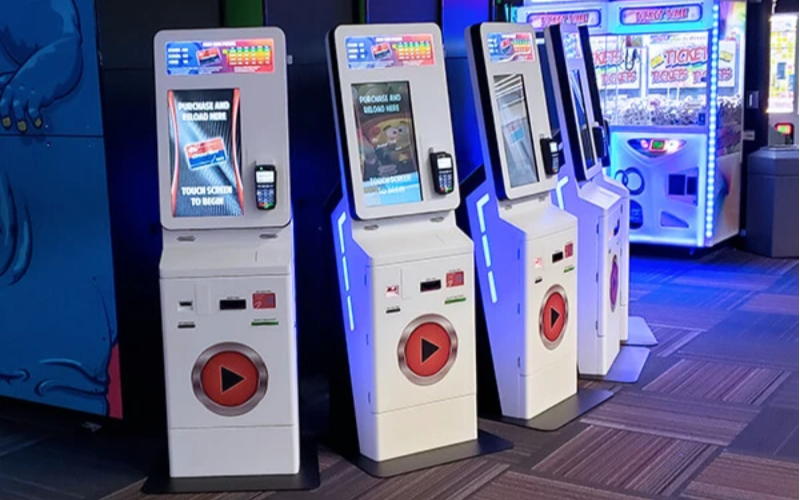
Here are some key features:
Touchless Interactions: The pandemic has put greater emphasis on cleanliness and safety. Kiosks these days come equipped with touchless technologies such as motion sensors, voice commands, and QR codes.
Omnichannel Integration: Now, kiosks are able to integrate with online and mobile apps, providing a seamless customer experience regardless of the medium.
Dynamic Content Delivery: Kiosks are able to provide up-to-date and interesting information to customers, from product suggestions to interactive guides.
Multilingual Support: As the internet has a global reach, kiosks come with multilingual user interfaces to cater to different linguistic backgrounds.
Sustainability: Modern kiosks have resolved a growing concern for the environment as energy-optimal forms and recyclable options are now readily available.
With the above features having been suitable, it is now time to discuss the innovations in 2025.
2025 Kiosk Innovations
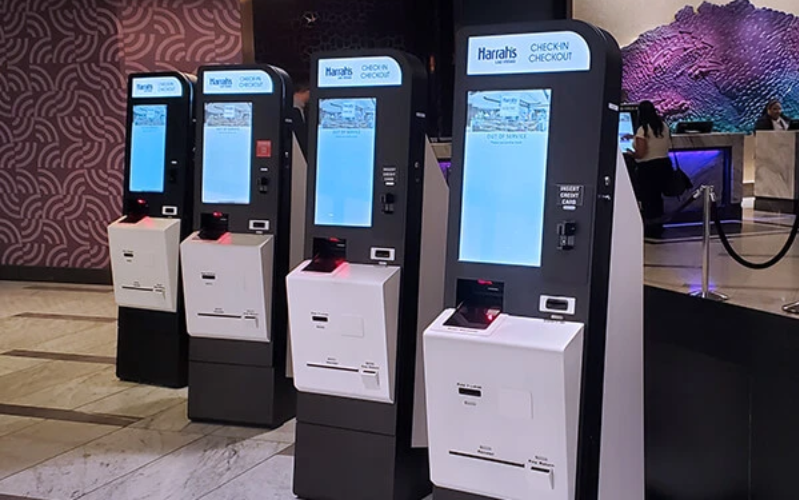
As technology develops further, self-service kiosks seem to be the next in line to feature unique components that will boost usability and customer relationships further.
Interactive Product Displays
Retail kiosks come with highly advanced digital displays that enhance interaction, thus enabling the customer’s exploration of products. Such images help to give a better understanding of the goods and are likely to enhance the shopping experience.
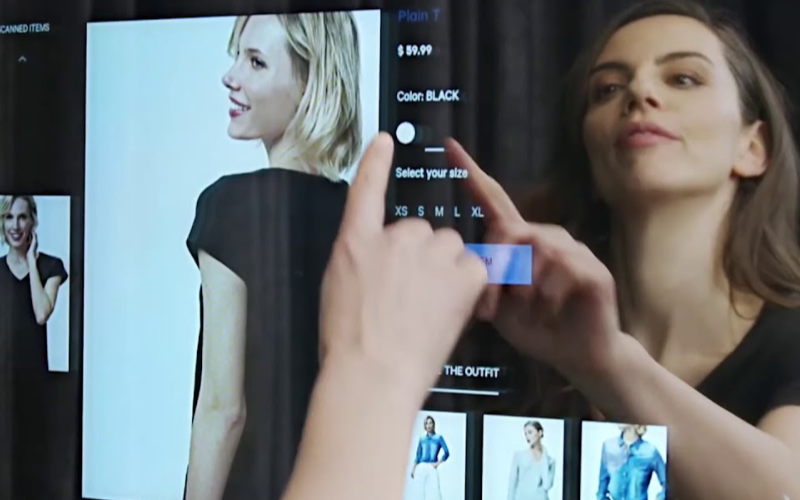
Virtual Try-On Solutions
With augmented reality (AR), customers can virtually try products such as clothes, accessories, or makeup, transforming retail products into an extraordinary experience. This saves not only time but also the necessity for storage space and a fitting room.
Personalized Content Delivery
On the basis of big data and other sources, using AI, the kiosks will offer users content such as product recommendations tailored to their previous or current activity or even their geography. This high level of personalization touches the customers and makes them happy, and adds to their loyalty.
Retail 3D Experience
With 3D holographic displays in the form of new technology, customers will appreciate the experience of seeing products in their entirety and being able to inspect them closely, leading to better purchasing decisions.
Education and Training Modules
Kiosks are branching out to the educational as well as the corporate world, facilitating training and illustration. This innovation makes learning more attractive and effective.
Remote Presentations
Designed for hybrid forms of work and study, such devices allow users to make high-quality video and audio remotely for effective collaborations.
Configurator and Customization Tools
Customization has become one of the important factors to increase customer satisfaction. Kiosks with configurators enable users to design and create their own products, such as sneakers or car interiors, as well as visualize the final product instantly.
Integration of Artificial Intelligence
The kiosks will also be upgraded using AI for features such as face recognition, predictive analysis, and conversational capabilities. Such advanced features would guarantee quicker service delivery and enhanced user experience.
Enhanced Security Features
Security and safety will be essential aspects to confront in 2025. Advanced kiosks would incorporate biometric authentication, end-to-end encryption, and fraud detection systems to ensure the protection of consumer information and financial transactions.
Benefits of New Kiosk Technologies
The use of new kiosk technologies has a wide range of benefits both for businesses and customers.
Increased Customer Engagement

With such interactive elements as AR try-ons, 3D presentations, and personalization, kiosks become a valuable touchpoint, which improves the customer journey as a whole.
Improved Sales and Brand Perception
Kiosks provide extensive information on the products and allow consumers to modify the product before purchasing it.
This increases revenue and ensures that the companies have positions of high technology and high service.
Enhanced Information Accessibility
Kiosks with interactive displays and multiple languages make sure that everyone can find the required information easily and without any trouble.
Operational Efficiency
Kiosks attract the automation of repetitive processes that are performed by people.
It reduces the amount of work carried out by the employees, which allows for better resource allocation in a business.
Cost Savings
The kiosks are likely to provide improved customer satisfaction while using fewer resources.
This is why the long-term cost benefits make them an attractive proposition.
Challenges in Integrating New Technologies in Kiosks

There are certain challenges in terms of technology that businesses will have to solve first.
Technical Challenges
When it comes to software and kiosk hardware integration, it is crucial to implement an organized approach and provide all necessary testing.
Remember brand and user pain points like system freezing, bugs in applications, or even issues of compatibility between certain software packages.
User Adaptation
Not all users have good technical skills. Making sure that the kiosks are easy to understand for the people, the elderly, and people who are not very familiar with technology, it is extremely essential for more people to accept using kiosks.
Cost Factors
There are high costs involved in upgrading, rolling out as well as maintaining sophisticated kiosks. Such capital investments will be difficult, especially for small and medium enterprises, meaning they will be constrained by larger players.
Data Security Concerns
Handling kiosks requires dealing with customers’ sensitive information therefore, there must be good cybersecurity measures. Any weaknesses or breaches can mean huge amounts of financial and reputation losses.
Predictions for Kiosk Functionality Beyond 2025
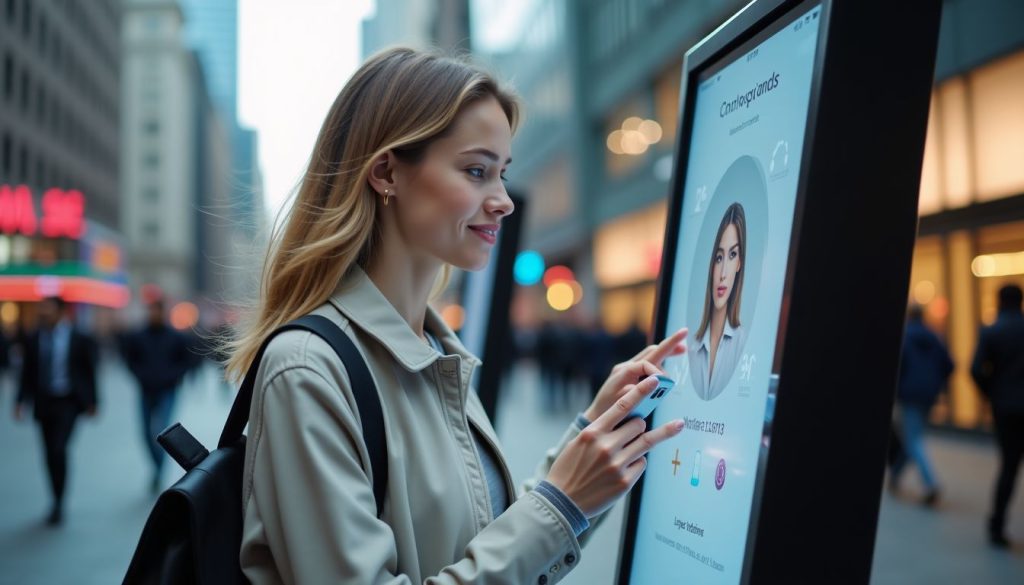
In the foreseeable future, self-service kiosks are anticipated to mature even more, increasing their features and uses.
Expansion into New Industries
The use of technology in the developing world is not limited only to the retail and hospitality industries. It is forecasted that kiosks will be available in the agricultural, real estate, and even public service industries.
For instance, agricultural kiosks could help farmers in remote villages by predicting factors such as weather conditions, appropriate crops, and market price conditions.
Metaverse and Web 3.0 Interfaces
As the metaverse develops, kiosks could function as portals into the metaverse, giving consumers the ability to virtually explore worlds, attend events, or purchase physical items and virtual goods.
AI-Driven Personalization
As AI evolves, kiosks will present super-customized solutions by anticipating user needs, interests, and actions. Users expect unlimited opportunities ranging from recommending holiday destinations to customizing fitness programs.
Integration with IoT Ecosystems
Kiosks will ultimately be active members of the Internet of Things, communicating with other smart devices to give appropriate, non-disruptive solutions. For instance, if a user is viewing a smart home showroom kiosk, the equipment could reach out to the user’s phone and recommend other compatible products.
Future kiosks will make use of green technology by adopting solar panels, using biodegradable parts, and practicing energy efficiency so as to fit within global standards.
Conclusion
Self-service kiosks are now smart, multipurpose, and have become an essential aspect of consumers’ lives. It has integrated 3D experiences, AI, and improved security measures, which will increase the range of services across different markets.
When analyzed in this way, the age of self-service kiosks is not just the convenience of interaction but rather the capability to deliver rich, engaging, and relevant experiences in a near omnichannel manner.
Contact us today to discuss how we can assist you in fulfilling your business needs.

Kitty Tan
Custom Kiosk Expert Consultant
Kitty is a kiosk expert at FlyXing. With extensive knowledge and experience in designing and manufacturing self-service kiosks, Kitty specializes in creating customized solutions to meet diverse industry needs.


