




Prescription dispenser
Table of Contents
Sign up to our newsletter
Ready to see how kiosks can transform your business?
Increased Efficiency in Fast Food Operations
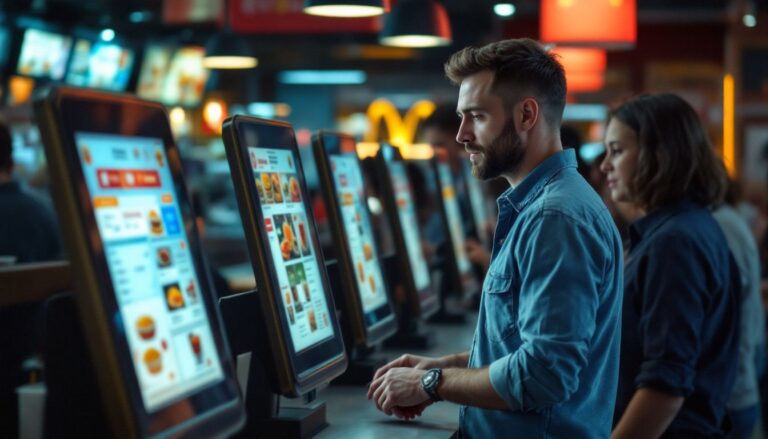
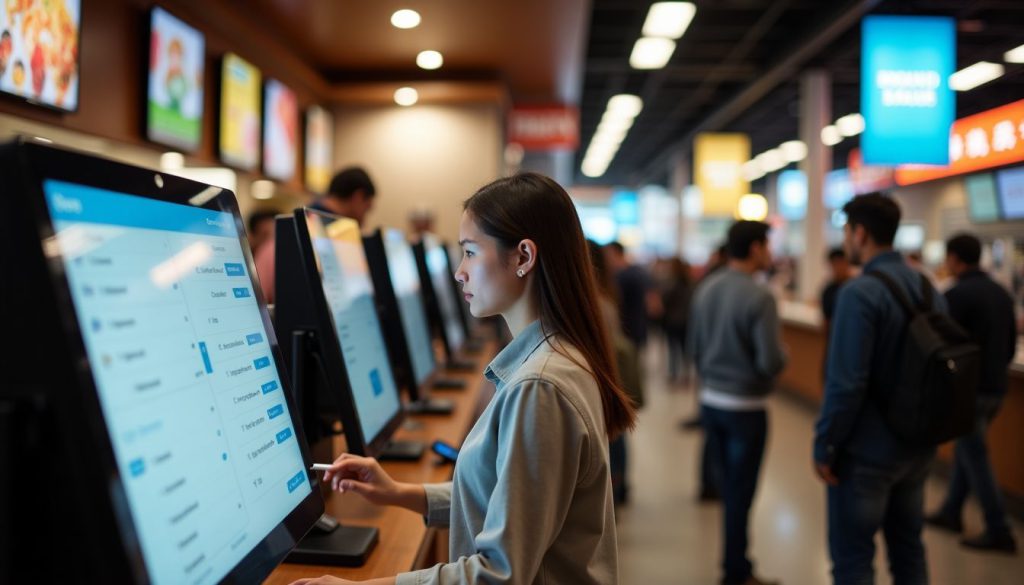
Self-ordering kiosks can really change how your fast food restaurant runs. According to Appetize, these touchscreen systems make ordering faster. That means your team can serve more customers during busy times.
Panera tried this and saw great results. They moved cashiers into the kitchen after adding kiosks, so food got to customers quicker.
Many other restaurants are doing the same. Moe’s Southwest Grill even has some stores that only use kiosks—and they work really well. You can get the same benefits by letting customers place their own orders.
The kiosks send orders straight to the kitchen, so there’s no delay from talking. This helps avoid mistakes and makes the whole process faster.
Boosting Revenue with Larger Order Sizes

Self-service kiosks help you make more money in your fast food restaurant. At BestKiosk, I’ve seen how digital ordering boosts sales for big chains. McDonald’s says each kiosk order brings in about $1 more, which led to a 30% jump in revenue.
Taco Bell makes 20% more from digital orders than from regular cashier ones. The results are clear that kiosks really work.
These systems are great at suggesting extras and high-profit items that people often skip when talking to staff. Kiosks always remember to offer things like desserts or premium sides. That’s why Chili’s saw a 20% increase in dessert sales after adding kiosks.
By late 2023, Shake Shack was getting over half of their in-store sales through kiosks. The screens show tasty food pictures and guide you through smart add-on options, so bigger orders feel easy and natural, not pushy.
Enhancing Order Accuracy
Order mistakes can cost you money and upset your customers. Self-service kiosks fix this by cutting out human error. Studies show that kiosks are much more accurate than old-school ordering methods.
With kiosks, your customers pick exactly what they want, so there’s no confusion like there can be at a busy counter. This means less food gets thrown away and your customers leave happier.
Kiosks also let people see their full order on screen before they pay. They can check everything, make changes, and confirm it’s right without needing help.
Since COVID-19, more people like using contactless systems. The numbers say it all: 65% of customers would visit more often if you had kiosks, and some would rather use a kiosk than stand in line with five or more people.
Reducing Labor Costs
You can lower payroll costs by adding self-ordering kiosks to your fast food restaurant. These smart machines mean you don’t need as many staff to keep things running, which helps you save money.
When labor costs go up, you often have to raise prices or make less profit—but kiosks give you a better option. You’ll also save on hiring and training because turnover won’t hurt your business as much.
During busy times, you won’t need as many workers on the clock since kiosks can take care of orders quickly. To get the best results, place the kiosks in smart spots around your restaurant so they make the biggest impact without hurting service quality.
Shortening Customer Wait Times
Long lines can turn customers away from your fast food restaurant. Our data shows that 75% of people would rather use a kiosk when there are more than five people in line. Self-ordering kiosks speed up the ordering process, so your customers stay happy and come back more often.
Even when the wait is the same, 30% of people still choose kiosks over cashiers. And when the line hits ten people, that number jumps to 91%! As a kiosk expert at BestKiosk, I’ve seen how our systems completely improve how customers move through a restaurant.
The best part? After ordering, customers don’t have to wait by the counter. They can relax or find a seat, which makes the wait feel shorter. That freedom improves their overall experience and raises your satisfaction scores.
Your customers will love how fast and easy digital ordering is, especially when they’re in a hurry.
Offering a Personalized Ordering Experience

Self-ordering kiosks give your customers full control over their meals. The touchscreen makes it easy for them to customize their order, like adding extra cheese, removing pickles, or putting sauce on the side.
Your regulars will love how the kiosk remembers their favorite meals through loyalty programs and gives them suggestions based on what they’ve ordered before. Many fast food chains say customers spend more time looking through the menu on a kiosk than they do at the counter.
Since customers order for themselves, there’s less chance of mistakes. You’ll see fewer mix-ups and happier guests who get exactly what they want.
The screens can also show special deals based on what each person likes, and some systems even send a phone alert when the order is ready. This kind of personal touch helps you stand out and keeps people coming back in a world where customers expect custom experiences.
Tracking Sales Data and Customer Preferences
Self-service kiosks give you valuable data about what your customers want. You can see top-selling items, popular add-ons, and your busiest times.
This info helps you improve your menu and boost profits, especially since 51% of customers spend more when using kiosks.
Kiosks also reduce guesswork by showing real customer habits. You’ll spot trends, like favorite combos or common customizations, and can update your menu automatically based on what works.
With these insights, you can make smarter decisions and grow your business.
Adapting to Evolving Consumer Expectations
Today’s customers want more control and less contact. Our research shows 73% prefer self-service tech that makes ordering easier and faster.
This trend grew during COVID-19, and many people now say they’d visit more often if kiosks were available.
From my experience building kiosk systems, I’ve seen how much customers love the speed and convenience. If you don’t keep up, you risk falling behind other restaurants that do.
Kiosks aren’t just a nice bonus anymore; they’re what your customers expect.
Features to Look for in Self-Ordering Kiosks
When selecting self-ordering kiosks for your fast food restaurant, focus on systems with user-friendly interfaces and multiple payment options that match your customers’ needs. Learn what specific features will give you the biggest return on your investment!
Intuitive Interfaces
Your customers want kiosks that are simple and fast. Clear menus, big buttons, and quick responses make ordering easy for everyone. Good touchscreen design shows tasty food images and lets people customize their meals without confusion.
From my experience, the easier the process, the happier your customers—and the faster the line moves.
Payment Flexibility
People want to pay their way by card, phone, or tap. Offering options like contactless, chip cards, or mobile pay keeps things moving and makes customers happy.
Security matters too. Today’s kiosks come with strong protection, including secure card readers and even fingerprint or face ID.
When customers feel safe and have options, they’re more likely to come back. Fast, flexible payments are a must in modern fast food.
The Future Impact of Self-Ordering Kiosks on Fast Food
Self-ordering kiosks are changing fast food and this shift will grow even more over the next five years. Experts predict steady growth as AI-powered kiosks become common in quick-service restaurants.
You’ll soon use advanced systems like voice-activated kiosks that don’t need shouting, plus features like facial recognition and fingerprint scans for faster service.
These tools make things easier for you and for restaurants. They cut mistakes, speed up orders, and offer a more personal experience by remembering your past choices.
New tech like digital menus and automated payments also reduce wait times and improve accuracy. Voice ordering will make kiosks even better, especially for people with accessibility needs.
Conclusion
Self-ordering kiosks change how fast food works for the better. You get faster service, bigger orders, and fewer mistakes. Owners save on labor costs too. Customers today want quick, personal service without waiting. Touchscreen kiosks make that possible.
If you run a restaurant, now’s the time to use this tech and stay ahead of the competition.
FAQs
1. What are self-ordering kiosks in fast food restaurants?
Self-ordering kiosks are touch-screen devices that let customers place their own orders without talking to staff. They show menu items with pictures and prices, take payment, and send the order to the kitchen.
2. How do self-ordering kiosks help fast food restaurants make more money?
Kiosks boost sales by showing all menu options and suggesting add-ons that customers might miss when ordering from a person. They also cut labor costs and let restaurants serve more people with fewer workers.
3. Do customers really prefer using kiosks instead of talking to cashiers?
Many customers like kiosks because they can take their time, see all choices clearly, and avoid feeling rushed. Young people especially enjoy the tech experience, though some older folks still prefer human interaction.
4. What happens to jobs when restaurants install self-ordering kiosks?
Kiosks change job roles rather than eliminate them completely. Workers often move from taking orders to helping customers use kiosks, delivering food to tables, or focusing on food quality. This shift creates a better dining experience while making operations more efficient.

Kitty Tan
Custom Kiosk Expert Consultant
Kitty is a kiosk expert at FlyXing. With extensive knowledge and experience in designing and manufacturing self-service kiosks, Kitty specializes in creating customized solutions to meet diverse industry needs.


