


Prescription dispenser
Table of Contents
Sign up to our newsletter
A fail-safe mechanism in automated kiosks can manage these errors. This mechanism also allows automated kiosks to continue functioning without disruption.
Understanding Fail-Safe Mechanism
A fail-safe mechanism handles system errors in any part of automated kiosks without affecting the rest of the functions.
Working Mechanism of a Fail-Safe System
To better understand how the mechanism works, we will take an example of malfunctioning in the payment process of automated kiosks.
Error Detection: The first step of a fail-safe mechanism in an automated kiosk is error detection. Automated kiosks have detectors to sense any errors. When an error is identified, the system shuts it down. If the automated kiosk card reader has stopped working, the kiosks will temporarily turn it off.
Back-up Activation: After detection and shutdown, the fail-safe mechanism will activate alternative payment methods, such as cash or QR code. Kiosks will also show a notification on the screen, like “Card reader currently unavailable, use cash or QR code for payment.”
Why is it Important?
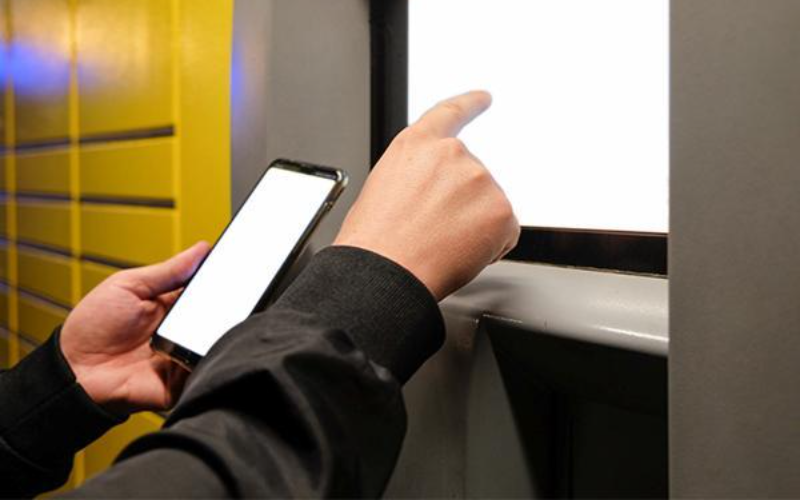
A fail-safe system does not shut down the entire system; it simply turns off the affected area. It keeps the other functions of automated kiosks running.
For example, in case of card-reader failure, alternative payment methods and touchscreen interfaces will continue working smoothly.
What is the Difference Between a Fail-Safe and a Fail-Secure System?
Fail-safe and fail-secure terms are often interchanged, but that’s incorrect. They are two different mechanisms with different purposes.
Fail-safe system. Stops the working of a system safely to avoid harm to the other functions of the system. On the other hand, a fail-secure system prevents security theft, it locks the system so nothing is stolen or misused.
For instance, in a fail-safe system, if a card payment shuts down, then an alternative payment is activated to offer uninterrupted processing.
In a fail-secure system, the system will secure the card payment method to avoid unauthorized access to keep the money safe.
In short…
Fail-safe: Protects functionality.
Fail-Secure: Prioritizes safety by blocking unauthorized access.
Benefits of Fail-Safe Mechanisms in Automated Kiosks
Kiosks require proper functioning to offer a good customer experience. If kiosks regularly stop working or go out of order, this can affect the business reputation.
A fail-safe mechanism prevents these uncomfortable situations by keeping everything in order.
Maintain System Reliability
A fail-safe system in kiosks activates backup resources in kiosks. For example, if the grid power runs out, the system can shift to stored battery power to continue functioning.
Some automated kiosks also have automatic detectors that can detect errors and notify the system of appropriate measures. This helps to solve problems in time, preventing serious problems.
Secure User Data

The fail-safe mechanism in automated kiosks also benefits the user when an error is detected in any part of the kiosk. This mechanism immediately locks any authorized access by shutting it down.
For example, a user inserts payment information, and the system stops working. The fail-safe mechanism will shut down the payment system, lock any unauthorized access, and notify the user.
And when the system restarts, the user’s information will not be available on the screen for anyone to see and steal. The fail-safe system builds safety and security for customers and businesses.
Allows Authorize Access Only
Automated kiosks have multi-factor authorization to access sensitive information in kiosks. The MFA combined with the fail-safe system in automated kiosks allows authorized access, improving security.
Raise Customer Trust
When businesses offer kiosks that are not only fast and easy to use but also safe and secure. This automatically builds customer trust, which directly helps in increasing customer retention rates.
Types of Fail-Safe System Mechanisms in Kiosks
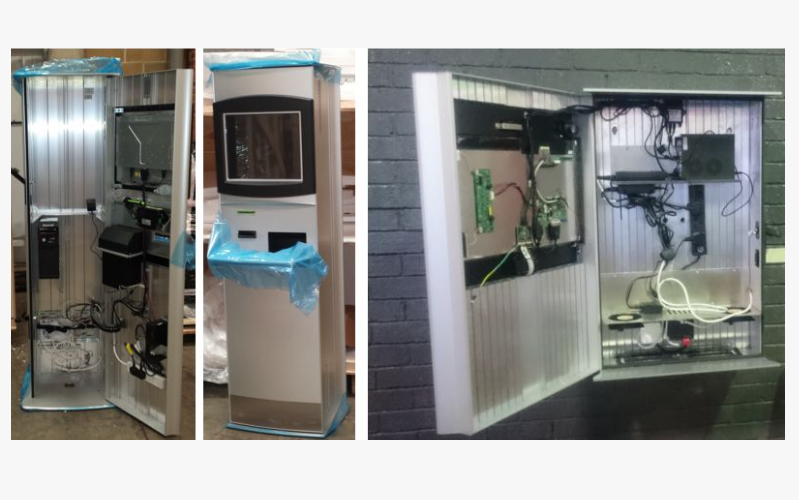
You can activate the fail-safe mechanism in the physical, electrical, and technical parts of kiosks. Let us look at how the fail-safe mechanism in kiosks protects these systems.
Physical System Fail-Safe Mechanism
The physical system consists of hardware, like wires, buttons, a touchscreen, etc. A fail-safe mechanism can identify if any hardware is broken or malfunctioning and address the problem.
Manual override can also be included in kiosks as a part of the fail-safe system. This can allow an employee to intervene and manually override the physical system to troubleshoot.
Electrical System
Kiosks require electricity to function, and sometimes, it can run out. To avoid this, additional power sources can be used as a fail-safe mechanism.
You can also provide a fuse in kiosks to temporarily disconnect intense electricity flow and protect from severe damage. This particular fail-safe mechanism also protects the user from physical injuries.
Complications in Introducing Fail-safe Mechanisms in Kiosks

There are some cost and trial complications involved with fail-safe systems in kiosks.
Requires an Efficient Testing System
Before making automated kiosks available to users, a fail-safe requires testing. This testing can be time-consuming, depending on how many situations you test. And if the testing fails, the kiosk has to be sent back for corrections and improvements.
Do you Want to Avoid this Uncomfortable Situation?
BestKiosk is a leading custom kiosk manufacturer. They not only manufacture a fail-safe system in automated kiosks but also test it before sending the final product. They make sure the custom kiosk is 100% functional.
Potential High Cost
Introducing a fail-safe system can add to the overall cost. Depending upon how many fail-safe mechanisms you introduce into your automated kiosks, testing them all can also increase the cost.
For cost reduction, businesses should carefully decide which fail-safe mechanisms they want in their kiosks. They can also virtually test the fail-safe mechanism to reduce testing costs. In the end, choose an appropriate seller and compare market rates.
Innovative Future Ideas for Fail-Safe Systems in Kiosks

The use of automated kiosks is increasing every day, making the fail-safe mechanism a promising feature. A fail-safe system can be improved in automated kiosks with a few innovative ideas. Let us take a look at them.
Integrating Al
AI integration can be used as sensors and detectors to activate fail-safe systems efficiently. AI can work as a chatbot to notify users of a fail-safe mechanism. The machine learning ability of AI can also equip it as a predictor in automated kiosks to prevent operational loss.
Abundant Backup Resources
Equipping automated kiosks with abundant backup resources can promote a successful fail-safe mechanism.
A battery can be used as a power source upon an electrical failure. A QR code and cash deposit can be used upon a card reader failure. Cloud storage can be used upon a hard drive failure.
All of this will keep the kiosks functional, and customers will not face any problems during the entire process.
Conclusion
The fail-safe mechanism in automated kiosks not only prevents complete failure but also provides a good user experience. Businesses should use fail-safe design in kiosks to improve the functionality of automated kiosks and boost their customer service.

Kitty Tan
Custom Kiosk Expert Consultant
Kitty is a kiosk expert at FlyXing. With extensive knowledge and experience in designing and manufacturing self-service kiosks, Kitty specializes in creating customized solutions to meet diverse industry needs.


