





Prescription dispenser
Table of Contents
Sign up to our newsletter
However, with the use of modern methods, we can overcome this cost. There are multiple ways to do it: the most widely used is predictive maintenance for kiosk longevity.
Understanding Predictive Maintenance for Kiosk Longevity
At the start, to gain a better understanding of this system, we will give a brief introduction. We will discuss what the term means and see why it matters. Let’s get into it:
What Predictive Maintenance Means and Why It Matters
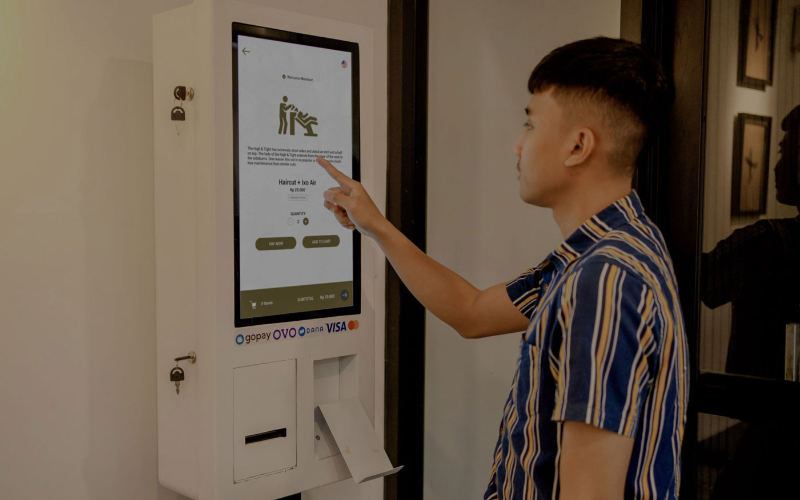
Imagine your kiosk system is running smoothly today, but you have no way of finding out if it might malfunction in the future. The answer to this question is predictive maintenance. This system analyzes the performance and tells you about future failures. So you can fix that future failure today.
So, predictive maintenance is a way of finding out future failures. Early warning signs and data sensors are placed to identify those failures.
Predictive maintenance foresees potential errors in the system and improves system safety. Informing you of the future anticipated breakdown gives you the ability to fix it before it happens. This means that you can substantially reduce the repair costs. Thus, you will not have to disrupt your customer service just because of some repair.
Main Parts of Kiosk Systems That Benefit
As you now understand, predictive measures help you predict potential failures in kiosk parts. Let’s now discuss its main parts. Typical predictive kiosk maintenance includes display screens, security systems, networking components, and other key areas. Display screens help you track the brightness, screen resolution, and touch sensitivity.
Security cameras, biometrics, and motion sensors are used to maintain system reliability. Cooling systems provide you with temperature monitoring capability, thus avoiding overheating. All these parts have a specific function to perform in the overall maintenance.
How AI and IoT Support Predictive Maintenance
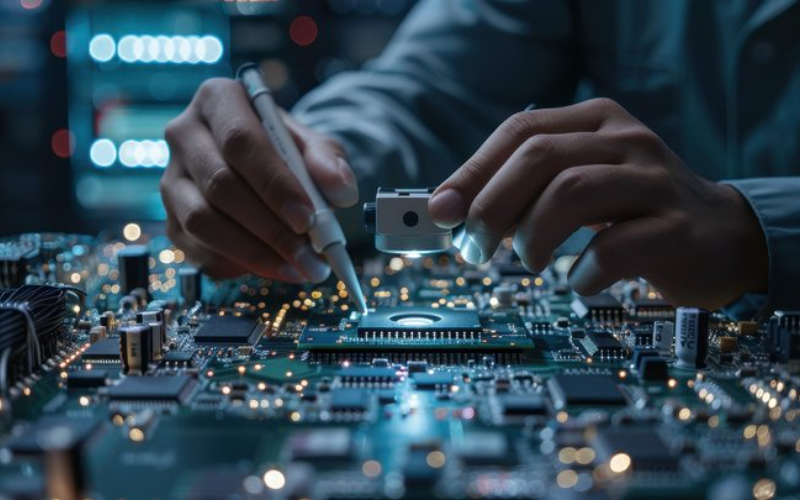
Although it might seem to you that predictive maintenance has supplementary importance, you need to understand that kiosk longevity makes a huge difference in your maintenance costs. It can save you from a lot of trouble in the future.
To explain it better, below we are highlighting the benefits of implementing predictive maintenance supported by AI and IoT:
Better User Experience
Predictive maintenance of kiosks keeps the system operational at all times. So, any errors that can disrupt the kiosk can be predicted and fixed before they happen. This means that your system will never encounter a major downtime.
Such a reliable round-the-clock service is appreciated in the eyes of customers. They value the brands that have well-maintained kiosks. Hence, this system increases your brand’s reliability and trust by ensuring customer satisfaction.
Greater Efficiency
Using AI and IoT in predictive maintenance can completely eliminate the need for manual inspections. You don’t need to spend money on seasonal repairs and maintenance. It can automate this maintenance through timely interventions. Its most significant use is in detecting potential threats that may cause a system breakdown.
This keeps the system functional at all times. Furthermore, AI can also regulate energy consumption as it can monitor its usage in real time through cooling systems.
Stronger Security
Digital tools have made the systems vulnerable to cyberattacks. AI and IoT can help tackle this threat. They can track unauthorized access points like biometric, PIN-based access, and face recognition systems to alert.
This prevents data breaches, ensuring the system remains functional and reliable. AI provides remote updates to kiosk security systems, where IoT keeps track of storage devices and network components.
Useful Business Insights
Another important feature of AI is its ability to do data analysis. This helps you track your user engagement. It can give you visual aids to help you make the decisions.
You can, therefore, optimize features such as layouts or display features according to user preferences at a fast rate. Through such insights, you can also schedule maintenance at the right time. This reduces disruption or system shutdowns at peak hours.
Managing Risks Effectively
AI and IoT are able to identify potential risks before they cause interruptions to the system. AI can alert to unplanned downtime or emergency repairs. IoT can give updates for key parts, such as printers (used for tickets or receipts) that can be checked for paper jams, hardware failures, or running out of paper.
Benefits of Predictive Maintenance for Kiosks
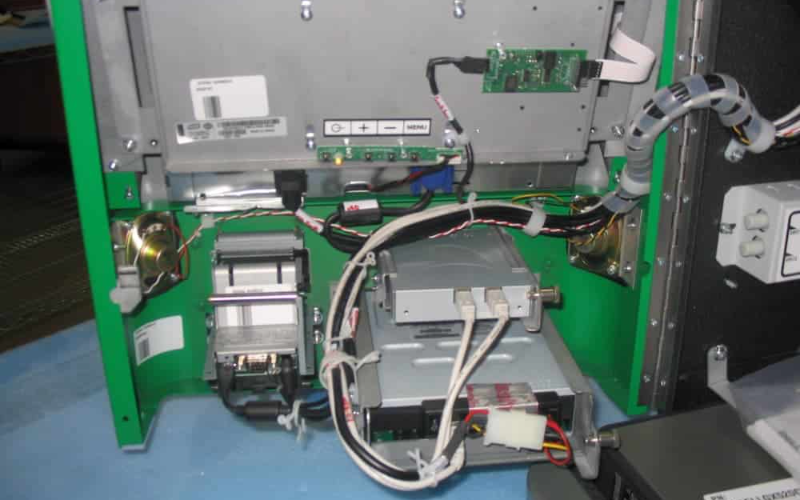
To maintain operational efficiency and continuous customer service, predictive maintenance can be a transforming experience for your kiosk system. It increases system reliability by reducing unwanted interruptions.
Below, we list some key benefits predictive maintenance provides to your kiosk.
More Uptime and Reliability
IoT sensors enable real-time tracking of kiosk components and can predict the potential failure of any component. AI algorithms predict peak hours, and businesses can successfully schedule maintenance during low-traffic times.
Hence, IoT and AI can successfully maintain the smooth running of the system by minimizing the system’s downtime and providing seamless user interaction.
Lower Maintenance Costs
Predictive maintenance alerts systems to minor issues. Firms reduce repair costs by addressing minor issues before they escalate into bigger ones. AI can optimize power usage by keeping track of inefficient components or highlighting overuse.
IoT is capable of addressing wear and tear in individual parts. Hence, you can allocate staff and resources effectively by knowing where it is most needed.
Happier Customers
Keeping the customers happy is the ultimate objective of every business. AI and IoT can help you with that, too. It can collect customer data so you can improve the user experience.
IoT addresses minor potential faults before they affect the user experience with the system. Hence, predictive maintenance provides users with a seamless experience. This results in a system that is always there to serve its users.
How to Start Predictive Maintenance
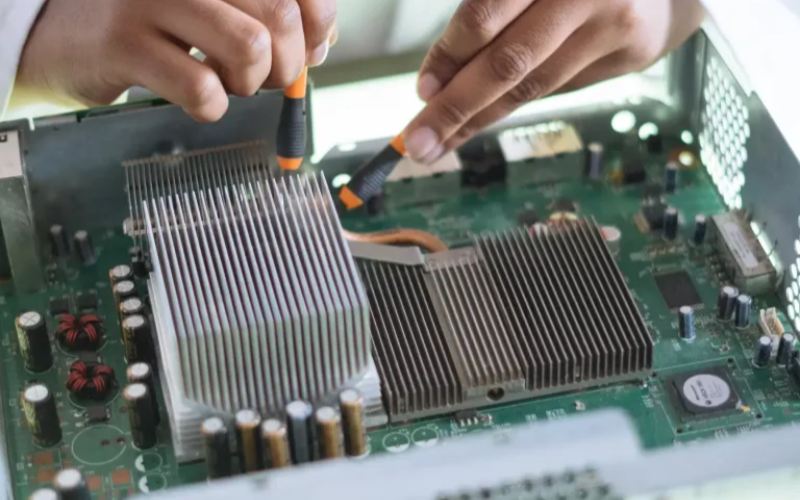
Starting predictive maintenance for kiosk longevity involves using the right tools, technically interpreting the collected data, and taking prompt actions to avoid future escalations.
Understanding what is required to start predictive maintenance is of utmost importance. Below are some steps to successfully initiate predictive maintenance for kiosk longevity.
Monitoring Tools and Technologies
Use IoT to monitor the functioning of key kiosk components such as temperature, hardware devices, and connectivity. AI pinpoints micro-level irregularities, which increases system uptime and component longevity. These tools enable firms to monitor data from a centralized location, eliminating the need for on-site inspection and hassle.
Data Analytics and Interpretation
Deploy AI to comprehend historical analytics and forecast any potential failures. Advanced AI analytics even identify patterns in system performance and suggest maintenance before error escalates. These tools analyze system performance frequently and provide real-time updates.
Scheduled Maintenance vs Predictive Maintenance
Predictive maintenance allows more adaptable schedules to keep systems functional during peak hours. Scheduled maintenance can take kiosks offline even when unnecessary.
Predictive maintenance uses real-time data and component performance to suggest the optimal time for servicing. Scheduled data, however, relies on equipment age and usage to consider it for maintenance. This often results in missing minor risks or causing system breakdowns due to delayed maintenance.
Predictive maintenance extends the lifespan of kiosk components by tracking even minor errors.
Challenges in Using Predictive Maintenance

Just like any other sophisticated system, predictive maintenance comes with its own set of challenges. Understanding and successfully addressing these challenges is necessary for kiosk longevity.
Below, we outline some challenges that businesses may face and their impact on predictive maintenance:
Combining with Existing Systems
Using new methods in existing systems may result in complexity or confusion. Disparate formats and inconsistent data collection may impact system functionality. The integration may require additional software or tools to function properly. This may impact system delivery or cause a system breakdown.
High Setup Costs
Installing IoT sensors and other monitoring tools may require higher initial investments. It may require recurring subscriptions and licensing expenses. Installing predictive maintenance for kiosk longevity can increase set-up costs or require additional plugins. Hence, its initial setup can be expensive as well as complicated.
Staff Training and Adapting
Employees need to be educated and trained to work with advanced technologies. Predictive maintenance mechanisms may face an initial reluctance or hesitancy in adoption. Keeping up with new trends and continuous teaching is also required to maximize benefits.
What’s Next for Kiosk Maintenance

The future is evolving with technological advancements and urban development initiatives. Below, we mention key trends shaping the next phase of kiosk longevity.
Smarter AI Tools
More advanced and sophisticated algorithms will enhance real-time updates. These advanced algorithms will provide more accurate data analytics as well as suggest the best possible plans of action. This will result in less human involvement and more automated functionality.
Part of Smart City Projects
Kiosks can connect to smart city projects as part of larger networks, resulting in more seamless interactions. It can integrate sensors for air quality and noise pollution under smart city projects. It can also support emergency services like real-time alerts, emergency signs, and video feeds.
Conclusion
Integrating predictive maintenance for kiosk longevity can reduce downtime, minimize repair costs, and enhance user experience. However, implementing predictive maintenance comes with challenges, such as high setup costs, staff training, and integrating with existing systems.
The decision depends upon your organization’s specific requirements, budget, and long-term goals. Want to explore the best possible way for your kiosk’s longevity? Contact our professionals at BestKiosk today to discuss your needs and take the first step toward optimal kiosk performance.

Kitty Tan
Custom Kiosk Expert Consultant
Kitty is a kiosk expert at FlyXing. With extensive knowledge and experience in designing and manufacturing self-service kiosks, Kitty specializes in creating customized solutions to meet diverse industry needs.


