


Prescription dispenser
Table of Contents
Sign up to our newsletter
These technologies have become crucial in retailing, health care, tourism, etc. You might be thinking between these options, as interactive kiosks and mobile applications serve different purposes.
What are Interactive Kiosks vs Mobile Apps?
Let’s understand the difference between an interactive kiosk and mobile apps.
What Are They and How Do They Work?
Kiosk users interact with a computer-controlled device through graphical images displayed on a screen. It includes various embedded devices like touchscreens, printers, and computer cards.
Kiosks are placed at various locations so consumers can check in, pay bills, or seek assistance with little help. Special programs that provide various capabilities are used to run interactive kiosks. Most of these kiosks have an internet connection, enabling them to access and modify information as needed.
On the other hand, interactive mobile apps are downloadable computer programs that complement business activities and services. They enable consumers to interact with a business and its offerings from their phones.
Such applications use mobile devices’ geolocation, cameras, and fingerprint features to provide users with personalized services. The apps are updated routinely to address bugs and improve usability, keeping them relevant to the users’ needs.
Common Uses in Different Industries

Businesses of various natures can use mobile and virtual assistance in several ways.
Retail: Self-service, informational, and registration kiosks are implemented in the stores for customers to self-check out, ask questions, or sign up for reward programs. With the help of interactive kiosk software, product orders and stock management can be done easily.
Healthcare: Kiosks are useful for patients to check in, make appointments, and pay their bills. Conversely, interactive mobile apps enable people to get appointments, check medical history, receive reminders and notifications, and even participate in doctor teleconferencing.
Transportation and Travel: In airports, machines perform automated check-in procedures, including issuing flight passes and tagging bags. Mobile travel applications help book flight tickets and activate flight status for digital onboarding.
Entertainment: Tickets are available for purchase using interactive video screens in the cinema, while mobile applications allow users to reserve seats, view showtimes of different types of films, and order snacks.
Food Service: Interactive kiosks allow customers to order and pay for food without interacting with a staff member. Mobile apps can help customers get meals delivered and pay securely within the app.
Benefits of Interactive Kiosks
There are multiple benefits of interactive kiosks as mentioned below:
Better Customer Interaction
Interactive kiosks allow users to interact with a business according to their preferences, thus enhancing the overall experience. Visuals, touch control, and video material all work together to keep the audience engaged.
For instance, shops use screens to display product information, sales promotions, and personalized recommendations based on customers’ preferences.
Easy for Everyone to Use
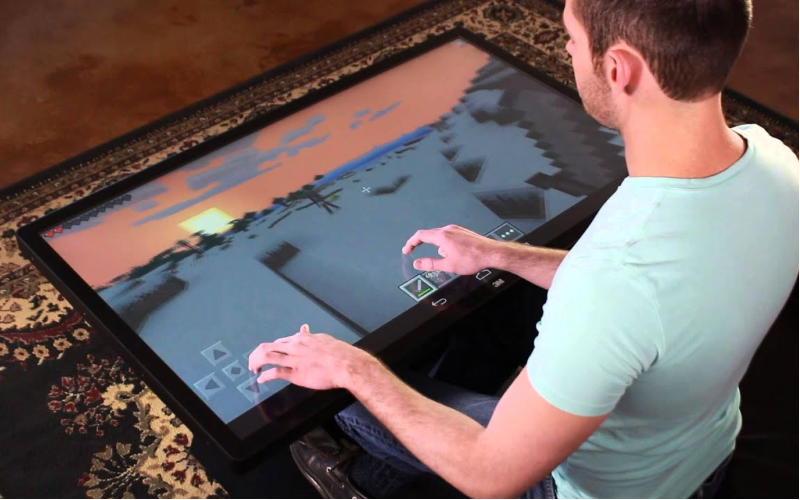
Mass kiosk solutions are currently trendy and a top choice for many businesses, primarily due to their ability to provide effective customer interaction. One of the best things about interactive kiosks is their easy use.
Whatever the design of the kiosk, it will assist with pictures and prompts rather than words wherever possible. Compliance with the Americans with Disabilities Act (ADA) makes them available to those with disabilities, promoting equality.
Works Well in Busy Areas
Interactive kiosks are very effective in crowds, airports, shopping centres, train stations, etc. They help eliminate the stress of long queues for customers and staff, ensuring a smoother flow of patrons.
For instance, in a crowded airport, many machines allow people to check in, print their boarding passes, and tag their bags without waiting in long queues. Kiosks reduce waiting time, improve customer satisfaction, and enhance businesses’ performance by enabling them to serve more customers efficiently.
Benefits of Mobile Apps
There are several benefits of mobile apps:
Fast and Convenient
Mobile applications are the most user-friendly breakthroughs in the tech world. People can access services anytime and from anywhere. With mobile applications, ordering food, checking bank accounts, or changing a doctor can always be done without physically going to the place of the appointment.
Personalized Experience for Users
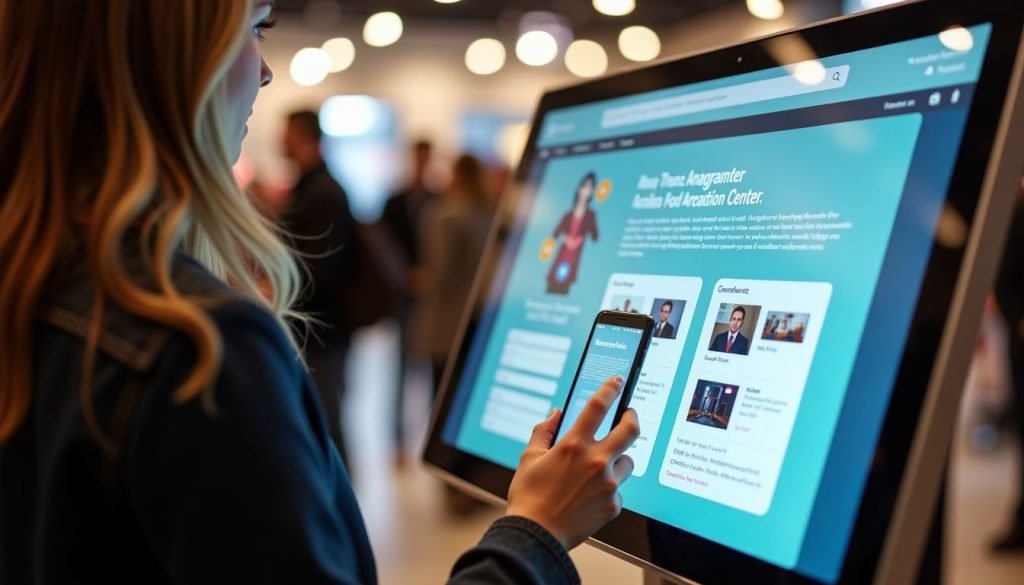
Mobile applications can analyze user data to determine individual preferences and cater to them through a personalized application experience. Apps track user activities such as search patterns, purchase history, and location to recommend items and promotions.
For instance, an e-commerce application might suggest products a user has previously searched for or notify them when out-of-stock items go on sale.
Works with Other Mobile Features
Mobile applications are versatile due to their integration with a user’s smartphone features. A travel application has access to GPS, which can be used to locate the nearest hotels or restaurants. Users can also use their cameras to scan QR codes for discounts.
Comparing Costs
Let’s do the cost analysis here:
Setup and Maintenance Costs

Businesses should be ready to allocate a substantial amount to installing and regularly maintaining interactive kiosks while considering their budget. The cost may include a tablet screen, a wood or aluminium frame, payment processors, printers, surveillance cameras, and microphones.
These are essential components needed to construct a kiosk. Maintenance costs are subject to geographical changes, software modifications, hardware alterations, sanitation, and tracking.
In contrast, deploying a mobile app to the public may often be accompanied by lower initial costs. Exceeding factors include:
- A high skill set is needed to design the app.
- Hiring firms to increase user engagement.
- Incurring costs upon databasing storage devices.
However, mobile apps should anticipate future alterations to guarantee that the apps function on all platforms and release updates where necessary.
Growth and Updates
Updates can take more time with interactive kiosks than with other options. If a firm intends to enhance innovations, such as the mode of payment or better gadgets, then physically install them. It can be quite costly and time-consuming.
On the contrary, mobile apps can be easily changed as they are very dynamic. Developers can roll out enhancements, address issues, or introduce new offerings very easily through remote updates.
How They Affect Customer Experience
There are many factors that affect user experience.
Design and Ease of Use

Mobile applications and interactive kiosks are designed to be user-friendly and improve user experience. Buttons on kiosks have large labels, stage cues, and a very uncomplicated workflow so everyone can operate them.
Mobile applications usually have appealing features and ease of use so that the masses will like them.
Both tools must be designed to ensure maximum user satisfaction, increasing the chances of service re-use.
Faster and Better Service
Speed is crucial when it comes to kiosks or mobile applications. Kiosks minimize waiting times in crowded areas as they allow concurrent sales. For example, shoppers at a grocery store may be served by several self-service kiosks, which facilitates moving queues and reduces stress for cashiers.
Mobile applications provide better overall service because customers can avoid physically attending a location. Individuals can transfer cash or book a taxi through mobile applications.
How Businesses Benefit
Here are the ways your business can benefit from it:
Saving Time and Resources
Self-service kiosks, as well as mobile applications, simplify tasks for employees. Such a scenario puts their attention on more crucial interactions with the consumers. For example, fast food establishments equipped with self-service kiosks can deploy their staff to food preparation or cleaning services to make the entire operation more efficient.
Mobile apps have chatbots that are used for customer support, enabling the business to respond to simple queries without the intervention of a person. Reducing the extent of manual work reduces time and resources, as well as savings, and improves operational efficiency.
Keeping Customers Happy and Loyal
Satisfied customers tend to return, and both kiosks and mobile applications certainly improve customer satisfaction by enabling greater convenience, faster service, and enhanced personalization.
Customers use mobile applications to bypass the queues at the kiosks and go directly to the goods and services.
Conclusion
Both mobile apps and kiosks have their pros and cons. Kiosks are great in heavily crowded foot traffic areas because they are a self-service style.
In contrast, mobile applications are the easiest, most efficient, and most personalized form of self-service. Getting kiosks and mobile applications enhances the customer’s experience and puts your business in a good competitive position in the digital world.
Contact us today for a free consultation to learn how we can help you scale your business.

Kitty Tan
Custom Kiosk Expert Consultant
Kitty is a kiosk expert at FlyXing. With extensive knowledge and experience in designing and manufacturing self-service kiosks, Kitty specializes in creating customized solutions to meet diverse industry needs.


