


Prescription dispenser
Table of Contents
Sign up to our newsletter
While they do produce similar results, they are different in operation. You can join a virtual queue using queuing kiosks, monitor how the queue is moving, and join when it’s almost your turn. On the other hand, appointment apps are used for booking an appointment. With this application, you will have a fixed time to interact with whoever you want to see.
What are Queuing Kiosks and Appointment Apps?
Queuing kiosks are devices that ease human traffic flow in stores or business premises. They are stationed for walk-in customers and used to join a virtual queue, reducing congestion in spaces that are typically crowded.
Appointment apps are used on mobile devices and on the web, mainly for booking and managing appointments with businesses. These appointments are booked online before the customer visits the store and are usually slated for a specific timeframe.
With appointment apps, customers do not need to wait in line and can simply visit during the time they have pre-scheduled.
What Queuing Kiosks Do
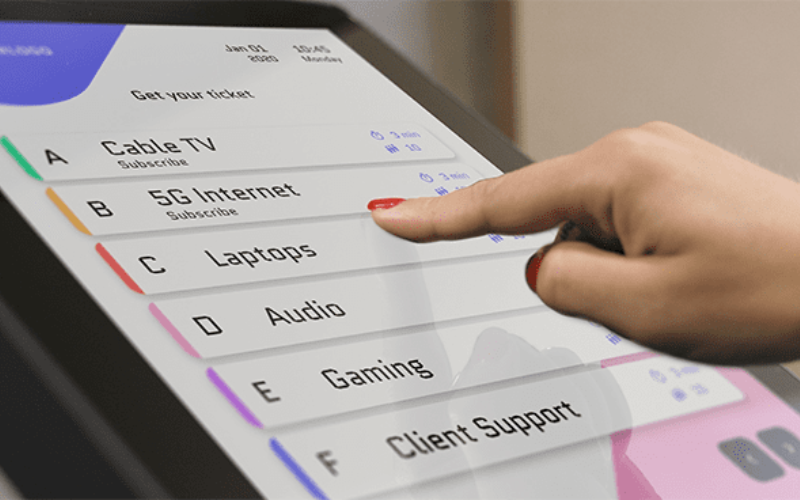
Queuing kiosks have one primary use. They are used by customers in areas with high human traffic to join a virtual queue from wherever they are. Besides this, queuing kiosks also do the following:
- They are used to assign numbers or positions to users.
- They provide real-time queue updates.
- They possess a multi-service option. You can choose to make inquiries, payments, or complaints.
What Appointment Apps Do

Appointment apps are used to schedule appointments before visits. They are utilized by customers who do not like to wait in a queue in business areas. Appointment apps are also used to perform the following:
- Customers can reschedule or cancel appointments based on their availability.
- They can be used to set reminders about planned visits ahead of time.
- They can also be integrated with business scheduling tools to schedule the availability of staff.
Benefits of Queuing Kiosks
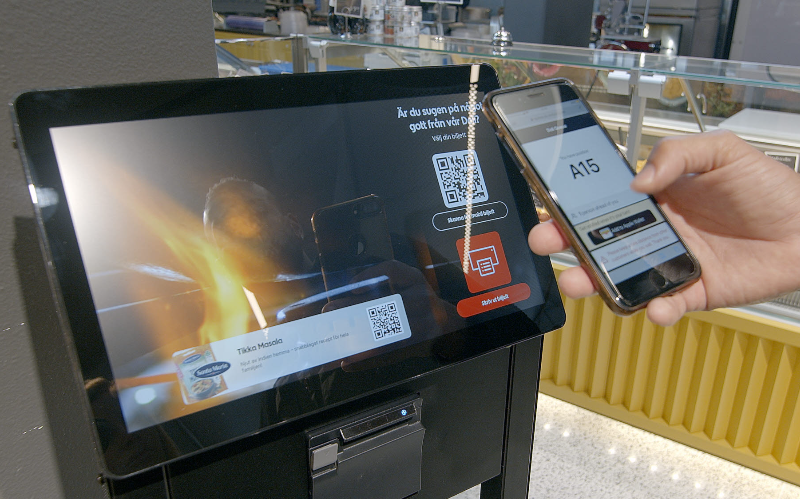
Queuing kiosks are among the tools revolutionizing the way businesses are handling foot traffic in their stores. Most especially for those stores that are always crowded. They help improve business efficiency and overall customer satisfaction. The following are some benefits that queuing kiosks come with:
Easy Self-Service
Queuing kiosks are designed for ease. They are constructed to possess user-friendly interfaces that are simple for customers to use and navigate the kiosks. This makes it very easy for users to check in, choose a service, and join a queue on their own.
Less Need for Staff Help
The presence of queuing kiosks eliminates the need to employ people at the entry points who record the details of customers and issue numbers. Queuing kiosks can allow users to choose a specific service from many services provided. Customers can decide on what they want to do without talking or explaining to a staff member.
Quick Feedback from Users
Queuing kiosks also provide a means for you to get direct, raw feedback from your customers. A prompt or survey button can be placed at the end of an activity on the kiosk. Doing this will enable users to document their experience immediately after.
Benefits of Appointment Apps

Nowadays, appointment apps have also revolutionized how customers interact with businesses when visiting. By using digital means in the booking process, appointment apps serve efficiency and convenience. The following are some of the benefits associated with appointment apps:
Better Customer Experience
Appointment apps are built for the direct serving of customer needs and the improvement of their experience with your business. With this app, it is possible for your customers to schedule appointments at any time and on any day. This is quite comfortable for customers who are mostly busy.
Saves Time for Everyone
Through appointment apps, businesses no longer need to handle so many calls and respond to a lot of emails. This way, staff can focus on other productive activities. Also, it becomes easier and faster to reschedule and book new appointments without interrupting the business workflow.
Helps Track and Use Data
Appointment apps also provide data and useful information that might help decision-making and improve business operations. The apps can collect data regarding peak booking times and the most used services. This can be useful in meeting customers’ needs.
Which is Better for Managing Waiting Lines?

Queuing kiosks and appointment apps each have their own unique set of features. They are both designed to work toward the needs of a business. To check which will suit your needs best, it is important to understand how they work and the characteristics they both possess. Below is how both work in comparison.
Queue Management
Queuing Kiosks
Kiosks are always placed at the entrance of a store, where walk-in customers can easily spot them. It becomes easy for them to check in upon arrival, join a virtual queue, and locate their position over time. In addition, these kiosks also provide updates on wait times by sending alerts. This makes the customers relaxed while they wait.
Appointment Apps
These applications are designed to eliminate queues. With them, customers can pre-book appointments. Doing this makes it easy to avoid situations of congestion and overcrowding in your business setting.
The appointment apps work perfectly for businesses that offer services like salons or spas. Every person has different wants and will have to make the necessary preparations beforehand.
Dealing With Unforeseen Issues
Queuing Kiosks
Kiosks can be flexible for sudden issues. For example, if there is a sudden rush, the queue can be adjusted to prioritize more urgent cases. With the help of queuing system software, kiosks are able to distribute resources based on demand in real time.
Appointment Apps
Appointment apps are less flexible during times of emergency. In situations when only an appointment is relied on, the business might find it difficult to attend to sudden issues. This may lead to overall customer dissatisfaction.
How They Work with Other Technology
Queuing Kiosks
Recent queuing kiosks easily integrate with other technologies like CRM systems and customer feedback tools. They also connect with mobile apps to alert customers of their position in the queue.
Appointment Apps
Appointment apps also go hand in hand with other digital calendars, payment gateways, and marketing platforms. These tools allow businesses to perform tasks such as sending reminders, collecting money, and selling additional services on their platforms.
Appointment apps can also facilitate syncing booked dates across multiple devices to easily manage bookings in real time.
Challenges to Think About

While these two solutions offer considerable benefits, they also have their challenges. It is important to consider these challenges before going ahead with either of them.
When Customers Don’t Show Up
For queuing kiosks, when customers fail to show up, it can scatter the flow. For instance, when a customer leaves their position before being attended to, staff waste time calling out their names repeatedly. This can be avoided by skipping such people if they don’t respond after a stipulated wait time.
In the case of appointment apps, an absence will create a loss in revenue and a waste of time for business owners. This can be reduced drastically by just attaching a cancellation fee or integrating features that allow others to book in case of.
Costs to Use These Solutions
Queuing kiosks require a large investment at first in order to buy the device, and a few bucks afterward for maintenance. The initial amount, however, is a one-time payment and will pay off in time.
Appointment apps most often operate through subscriptions. Most times, they are more affordable from kiosks since there is no need for physical components. An extra payment would be associated with customization and unique features.
Problems with Technology Setup
Kiosks consist of hardware and software. While integrating both, a few compatibility problems could arise. It is necessary, then, that proper installations along with the use of compatible systems are well-invested. Facilities with user-friendly interfaces should be provided and made more accessible for older customers.
The appointment apps should connect with the existing system easily. Poor connection may result in errors and frustrations for customers. Also, not everyone has access to the internet; this can pose a limitation for a few people. The appointment apps should be tested with the existing systems for easy integration before they are fully launched.
Conclusion
Kiosks for queuing and appointment apps are both excellent solutions for the improvement of business efficiency and customer satisfaction. Which one of these technologies to use depends on the individual needs and budget of each enterprise.
With queuing kiosks, you are guaranteed a better experience for your customers. Consider making an investment in kiosk queuing today, and in no time, its unique benefits and flexible features will optimize your business operations, leaving customers delighted. Talk to a professional today for expert advice on how to go about it.

Kitty Tan
Custom Kiosk Expert Consultant
Kitty is a kiosk expert at FlyXing. With extensive knowledge and experience in designing and manufacturing self-service kiosks, Kitty specializes in creating customized solutions to meet diverse industry needs.


