


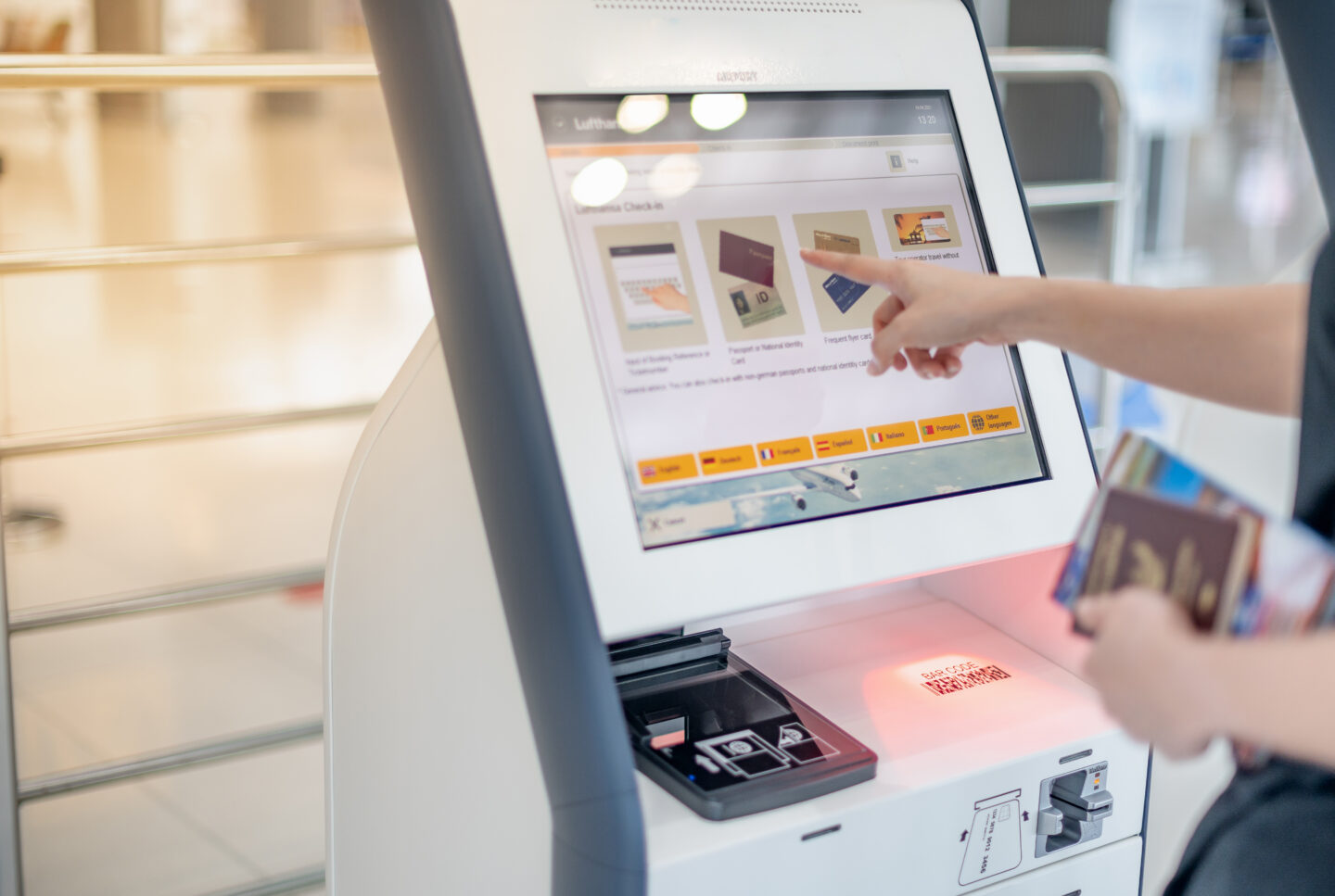


Prescription dispenser
Table of Contents
Sign up to our newsletter
AI-integrated smart kiosk technology is transforming how businesses engage customers by delivering personalized, efficient, and intelligent self-service solutions. Combining artificial intelligence with advanced kiosk hardware and software, these systems are reshaping retail, hospitality, healthcare, and beyond.
What Is AI-Integrated Smart Kiosk Technology?
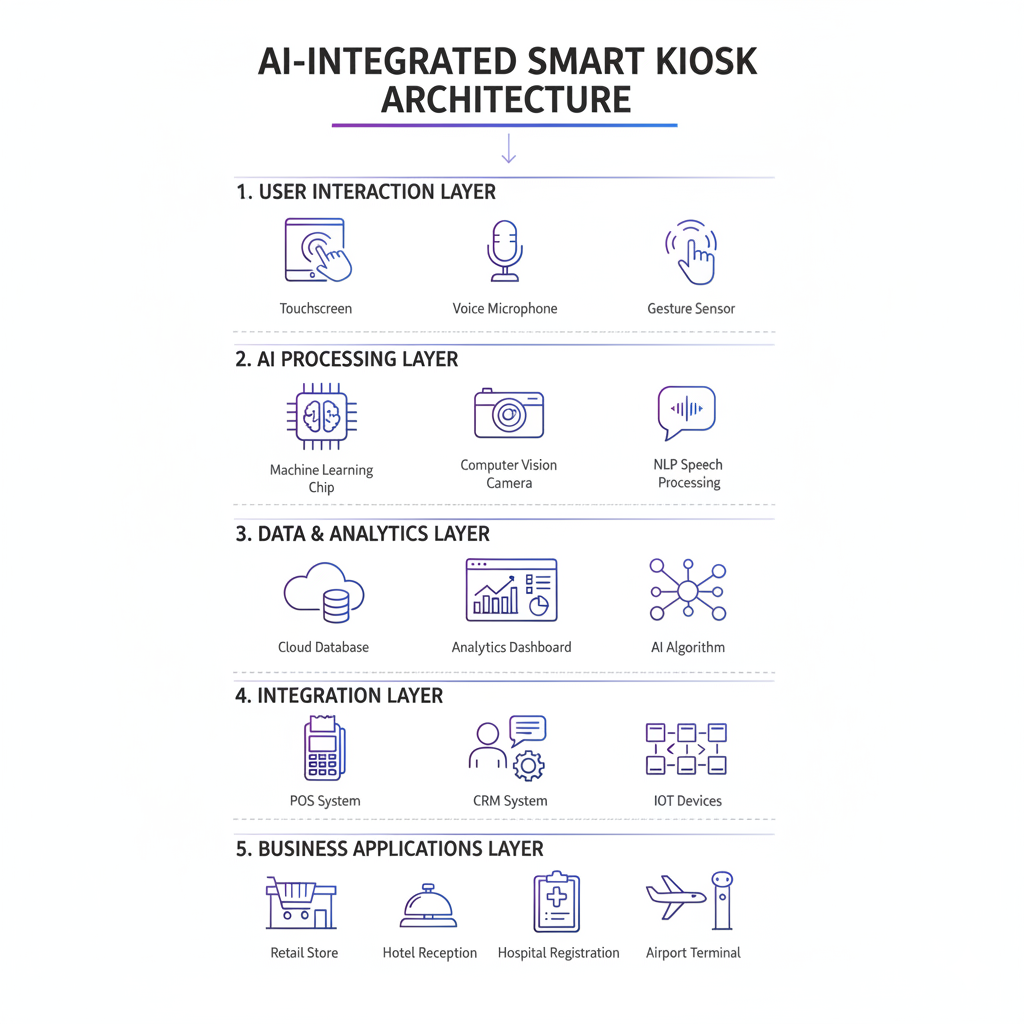
AI-integrated smart kiosks utilize machine learning, computer vision, natural language processing, and data analytics to provide interactive services that adapt to individual user needs. These kiosks go beyond simple self-service by offering tailored recommendations, voice and gesture control, and predictive assistance.
Core Technologies Behind AI-Integrated Smart Kiosks
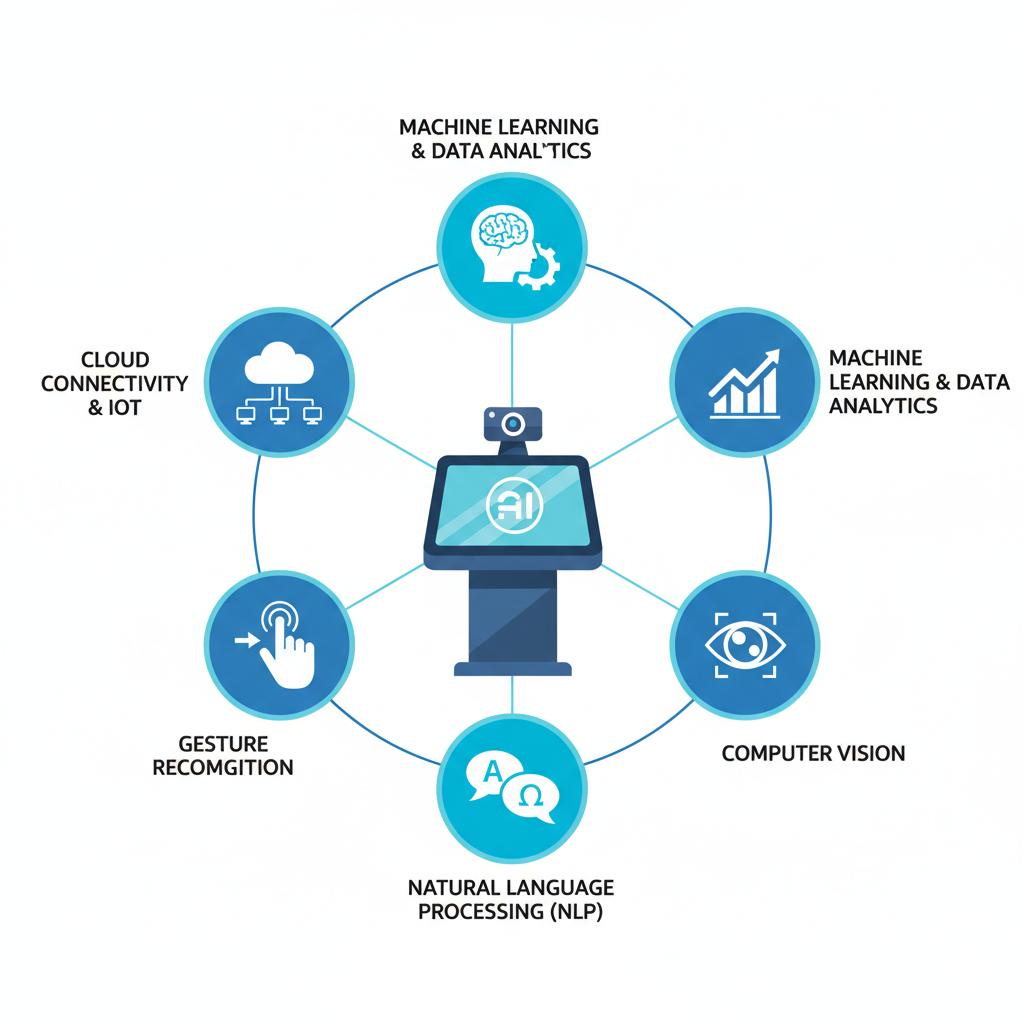
- Machine Learning & Data Analytics
AI algorithms analyze user interactions and transaction data to optimize product suggestions, streamline workflows, and predict customer preferences. - Computer Vision
Facial recognition and object detection enable personalized greetings, age verification, and enhanced security. - Natural Language Processing (NLP)
Voice-enabled kiosks allow hands-free operation, making interactions more natural and accessible, especially in high-touch or hygiene-sensitive environments. - Gesture Recognition
Touchless control through hand gestures improves user convenience and reduces surface contact. - Cloud Connectivity & IoT Integration
AI smart kiosks connect to cloud platforms for real-time updates, remote management, and seamless integration with other smart devices and backend systems.
Benefits of AI-Integrated Smart Kiosk Technology
- Personalized Customer Experience: AI tailors content, promotions, and services to individual preferences, boosting engagement and sales.
- Operational Efficiency: Automated data processing and AI-driven insights help optimize inventory, staffing, and maintenance.
- Enhanced Accessibility: Voice and gesture controls provide alternative interaction methods for diverse user groups.
- Improved Security: AI-powered facial recognition and behavior monitoring increase transaction safety and reduce fraud.
- Scalability: Cloud-based management enables rapid deployment and consistent updates across multiple kiosk networks.
Applications of AI-Integrated Smart Kiosks
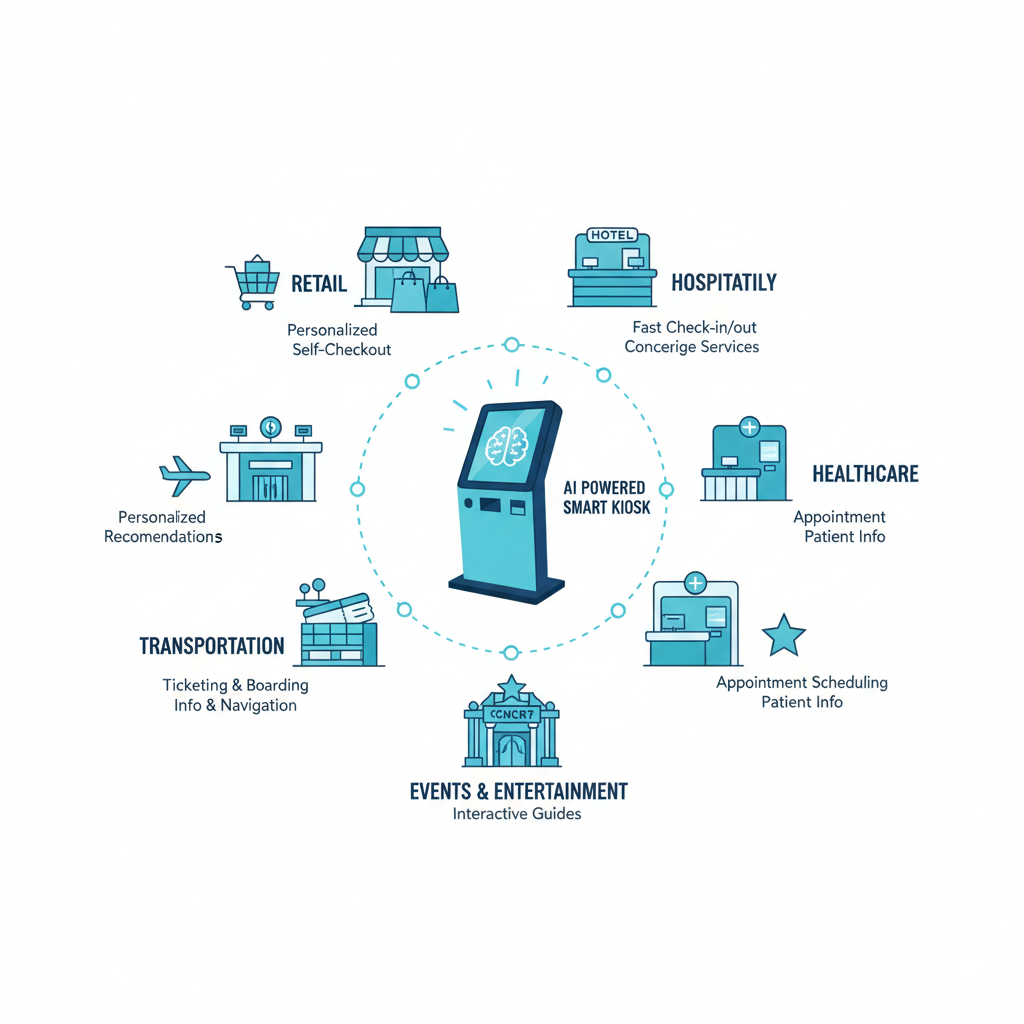
- Retail: Personalized product recommendations, seamless checkout, and loyalty program integration.
- Hospitality: Contactless check-in, virtual concierge services, and real-time guest assistance.
- Healthcare: Patient registration, symptom checking, and appointment scheduling with adaptive interfaces.
- Transportation: Smart ticketing, wayfinding, and traveler information with AI-driven updates.
- Entertainment & Events: Interactive information, ticketing, and crowd management.
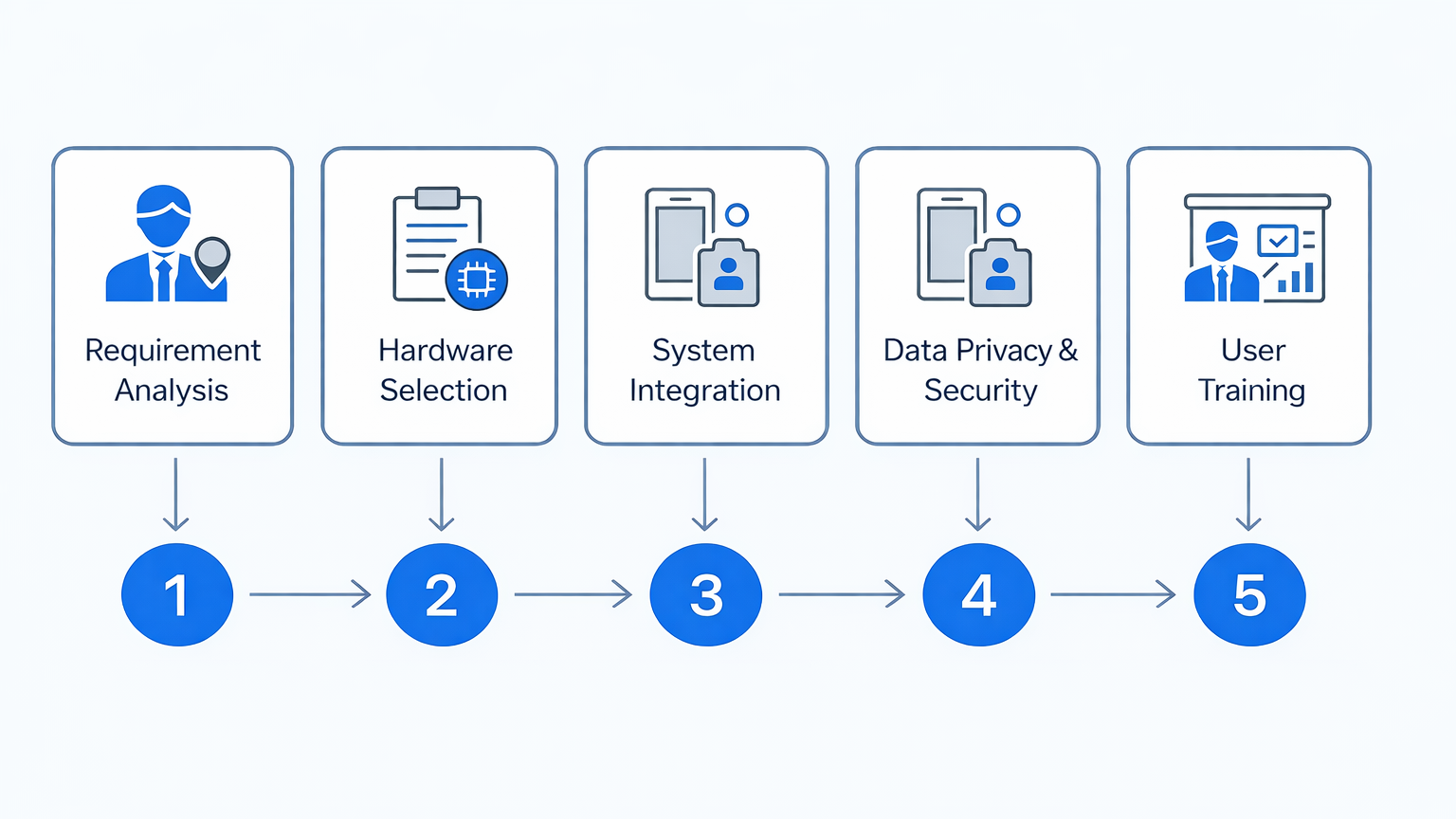
How to Implement AI-Integrated Smart Kiosk Technology
- Assess business needs and customer behavior to identify AI use cases
- Choose kiosks with robust AI hardware capabilities (powerful processors, cameras, microphones)
- Integrate with existing systems (POS, CRM, inventory) and cloud services
- Prioritize data privacy and comply with regulations such as GDPR or HIPAA
- Train staff and educate users on new interaction methods
Conclusion: The Future of Customer Interaction with AI-Integrated Smart Kiosks
AI-integrated smart kiosk technology represents the next evolution in self-service and customer engagement. By blending intelligent software with interactive hardware, these kiosks deliver personalized, secure, and convenient experiences that drive business growth and operational excellence.

Kitty Tan
Custom Kiosk Expert Consultant
Kitty is a kiosk expert at FlyXing. With extensive knowledge and experience in designing and manufacturing self-service kiosks, Kitty specializes in creating customized solutions to meet diverse industry needs.
