


Prescription dispenser
Table of Contents
Sign up to our newsletter
They are very versatile and can be used by a wide range of industries to provide new advantages to customers. To learn more about the differences between contactless payment kiosks and regular payment systems, you can review the article below.
What are Payment Systems?
Payment systems are the backend software that allows different devices and technologies to process secure financial transactions. Traditional systems process cash and cheques only, whereas modern solutions can process several types of money or digitized cash at payment kiosks, contactless payment kiosks, and mobile applications.
Regular Payment Systems

These systems generally refer to the traditional point-of-sale (POS) outlets/ terminals that are used to accommodate swipe cards and chip-and-pin information to complete transactions.
These systems require physical contact or insertion of cards, which sometimes have hardware malfunctions, processing errors, and block usage after errors with the PINs. This can cause significant delays and added frustration for customers, especially during peak hours.
Contactless Payment Kiosks
Contactless payment kiosks are still relatively new terminals that enable users to make payments without physically touching the machine. It allows users to tap their smartphone or card to authorize payments. They are very popular in restaurants, airports, public transportation, and self-checkout stations.
They allow users to preserve their safety and foster quick and seamless payment processing. It is more hygienic and less time-consuming than most traditional payment methods.
Comparing Contactless Payment Kiosks vs Regular Payment Systems
Contactless payment kiosks use radio frequency identification and near-field communications (NFC) technology to enable touchless transactions. On the other hand, regular payment systems use swipe cards, insertion of chips, or mobile payment applications to communicate payments to the system.
Transaction Speed
An advantage of contactless payment kiosks is their ability to process transactions very quickly. Regular systems will require you to stop and enter a PIN for several seconds, whereas the contactless payment method is instantaneous. You can save time on errands by just tapping your card or phone at a kiosk rather than inserting it and waiting for approval.
The reduced wait time for approvals via the point-of-sale system allows the transaction to be completed faster, especially in high-traffic environments, such as supermarkets and transportation hubs. Your business is now able to handle a large volume of passenger check-ins or shopper checkouts while improving efficiency.
Convenience For Users

Contactless payment kiosks provide customers with more convenience. Regular payment methods may be cumbersome and tedious for persons in a rush, as they often require them to walk with multiple cards and wait in line. Contactless payment kiosks allow people to completely avoid extended wait times and eliminate friction.
Consumers are now able to pay with digital/ mobile wallets such as Apple Pay or Google Pay, which they find more convenient as they can make payments directly from their phones. This eliminates the need to walk with multiple cards altogether. It helps to streamline transactions for consumers who want a seamless, hassle-free interaction.
Safety and Hygiene
Contactless payment kiosks are great for health-conscious consumers, especially since the pandemic. These kiosks use contactless technologies that do not require direct contact with any surface and reduce the risk of spreading viruses and other threatening bacteria.
Regular payment systems do not accommodate touchless transactions. The handling of physical cards, slots, and keypads is sometimes a prime breeding ground for bacteria. Although mobile payments do not completely eliminate touch with the point-of-sale terminal, it does limit it somewhat.
Advantages of Contactless Payment Kiosks
Your business can experience significant growth from contactless payment. You can benefit from faster checkouts, foster fewer physical interactions, and access better cost savings for your business.
Faster Checkouts
Contactless payment kiosks can accommodate faster transactions, which can be processed within just a few seconds. Since there is no need to enter a PIN or swipe a card, the speed of the process of checking out is much faster, which allows for higher customer volumes to be processed in fast food restaurants, retail stores, or airports.
Less Physical Interaction
These kiosks also reduce the need for direct physical interaction with the hardware. It is a safe and hygienic alternative to accommodate payments in this health-conscious world after the pandemic. With just the top of a card or phone, customers can complete any transaction without the need for direct interaction in high-traffic areas.
You can also reduce the possibility of human error, such as misentering a PIN, when you use a contactless payment method. It will increase the overall customer satisfaction with their interaction at your kiosks, thus leading to higher usage.
Cost Savings For Businesses

Contactless payment kiosks can help businesses reduce costs substantially and earn more revenue over time. By reducing the need for staff members to be present during each transaction to assist with manual payments, your business can cut down on labor costs.
These kiosks are also available around the clock to provide 24/7 payment services, which makes them ideal for vending machines, airports, and fast food restaurants. Your business is now able to serve more customers in the same amount of time, which can potentially increase sales.
Challenges of Contactless Payment Kiosks
You should also be aware of some potential challenges that you may face when implementing contactless payment kiosks. Your stakeholders may have some concerns about the new technologies. You may face adoption issues, increased security risks, and high setup costs.
Adoption Issues
Contactless payment kiosks are sometimes hard to implement because some customers are unfamiliar with those payment methods. This technology can be particularly confusing for older consumers who may prefer traditional payment methods.
In addition, businesses will need to implement additional infrastructure to support contactless payment, which may involve significant upfront costs. Small businesses may not be able to afford the huge increase in operational expenses to upgrade their payment systems.
Security Risks
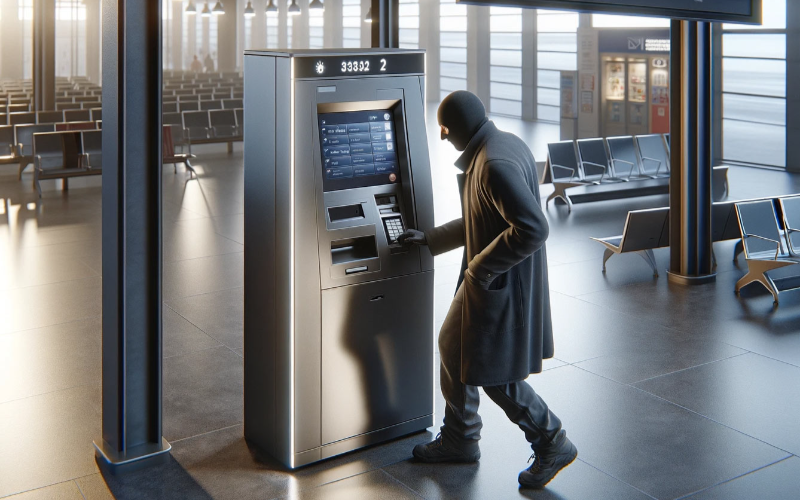
With the addition of contactless payment methods, you will need to be aware of the possibility of unauthorized transactions. There is always a chance that someone may capture the credentials from a smartphone or card to facilitate contactless payment on another platform without the owner’s knowledge or consent.
However unlikely it may seem, contactless payment methods utilize encryption, multi-factor authentication, and tokens to help mitigate the risk of fraudulent transactions and unauthorized purchases.
High Setup Costs
A significant challenge you may also face is the high implementation cost for updated contactless payment kiosks. You will need to purchase new system software and hardware compatible with NFC payments. It is a big investment, especially for small businesses with limited resources.
Future Of Payment Systems
The future of payment systems has evolved to accommodate contactless payment solutions such as mobile wallets. More consumers are utilizing additional technologies to facilitate payments with increased security measures and transparency.
Adding Mobile and Digital Wallets
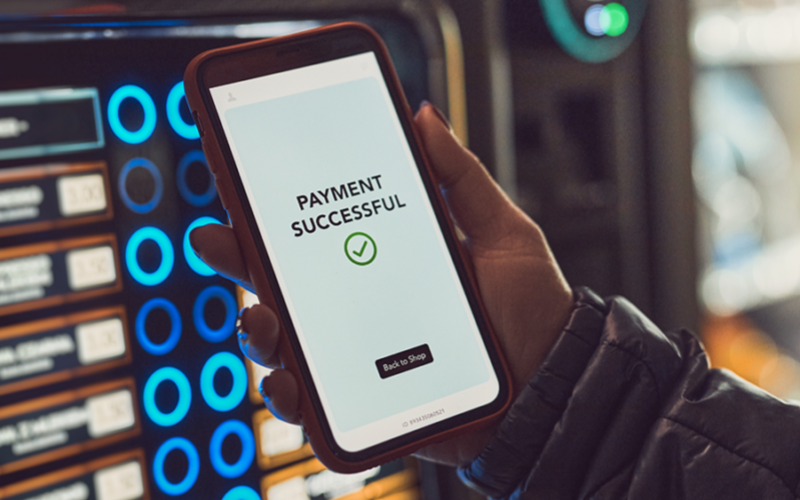
You can now integrate mobile wallets and digital payment solutions to help customers interact with kiosks from their smartphones. The use of these devices has grown as companies have embraced Apple Pay, Google Pay, and other mobile wallet applications.
Integrating the contactless payment system with existing infrastructure is possible, even though it’s an additional expense. You will need to increase opportunities for staff training and procurement of modification tools for different point-of-sale systems.
Using Biometrics For Verification
Future payment systems are also able to use biometrics to authorize payments. These technologies can utilize fingerprint scanning, facial recognition, and voice recognition to enhance security for contactless payments. For example, a customer can scan their face at a kiosk to authorize a payment.
Growing Contactless Tech In More Industries
Contactless payment technology is being adopted in more Industries Beyond retail and transportation. It can have widespread application in sectors such as healthcare, education, and public services, where speed, accuracy, security, and hygiene are paramount.
Conclusion
Contactless payment kiosks are a great way to enhance customer service by encouraging faster transactions, increasing convenience, and promoting better hygiene. Consumers can have a seamless and safe experience with your business, which boosts customer satisfaction.
Take advantage of the expanded reach of contactless payments through mobile wallets, biometric security, and greater integration across industries. If you are interested in designing the best contactless payment kiosk for your business, contact us for a free quote.

Kitty Tan
Custom Kiosk Expert Consultant
Kitty is a kiosk expert at FlyXing. With extensive knowledge and experience in designing and manufacturing self-service kiosks, Kitty specializes in creating customized solutions to meet diverse industry needs.


