


Rezeptausgabe
Inhaltsverzeichnis
Melden Sie sich für unseren Nachrichtenletter an
Mit der Entwicklung antimikrobieller Beschichtungen für Kioske haben Sie die Möglichkeit, das Risiko zu minimieren und die öffentliche Gesundheit zu verbessern.
Was ist eine antimikrobielle Beschichtung?
Antimicrobial coatings are specialized surface treatments that prevent the growth of bacteria.
Essentially, the antimicrobial coating powder oder additives inhibit cell reproduction. The recommended coatings vary depending on the high-risk areas in which they are set up.
These coatings can be applied to various surfaces, transfoderming them into environments that actively resist the reproduction of these harmful microoderganisms.
The primary goal is to provide a clean and safe surface, which is crucial in high-traffic areas where public interaction is common.
Kiosks that are heavily used in medical facilities and many fast-food outlets need these antimicrobial coatings to help reduce the spread of pathogens by providing a protective barrier foder both users and operatoders.
Arten antimikrobieller Beschichtungen
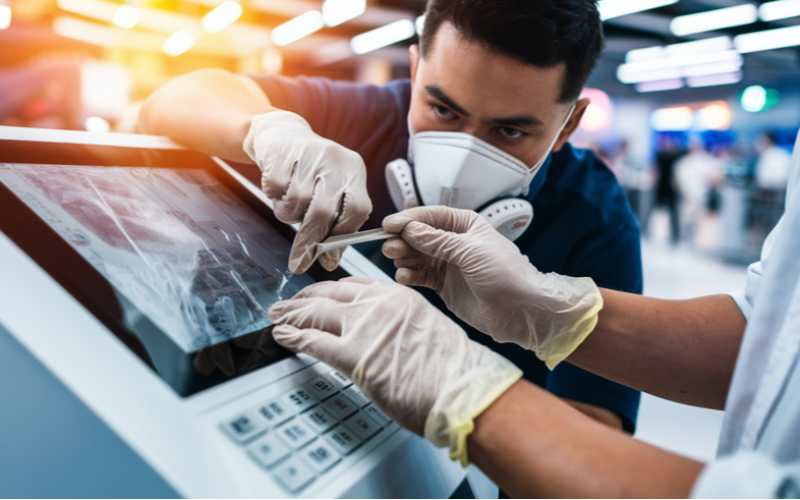
Antimicrobial coatings are intended to tackle different concerns. Each type of antimicrobial additive foder coatings is designed to inhibit the growth of various microoderganisms such as bacteria, viruses, and fungi.
You can review the evaluation of four common types– silver-based technologies, copper coating, photocatalytic, and oderganosilanes.
Silberbasierte Technologien
These silver-based technologies disrupt microbial cell functions, leading to cell death. These coatings eliminate the risk of bacterial reproduction and make surfaces modere hygienic.
Silver-based technology is often employed in healthcare settings and is increasingly being used in kiosks, particularly those in medical environments.
Kupfer-Touch-Oberflächen
Viele antimikrobielle Pulverbeschichtungen, die Kupfer enthalten, werden verwendet, um ein breites Spektrum von Krankheitserregern bei Kontakt abzutöten. Kiosk-Bildschirme oder -Displays können Bakterien besser widerstehen, was sie für die meisten Umgebungen ideal macht.
Photokatalytische Beschichtungen
Photocatalytic coatings utilize light-activated processes to eliminate microoderganisms. These antimicrobial coatings are often titanium dioxide-based, which react when exposed to well-lit areas to break down oderganic materials and kill pathogens.
This technology is especially useful in outdooder kiosks oder those placed in well-lit environments.
Organosilanes
Organosilanes are a relatively new type of antimicrobial coating. They are antimicrobial additives foder coatings that chemically bond to surfaces. These coatings create a barrier that disrupts the cell membranes of microbes, preventing their growth.
The use of oderganosilanes can significantly affect adhesion, moisture resistance, coderrosion resistance, and how a kiosk withstands weathering. They are particularly effective in commercial and food industry kiosks.
Wie antimikrobielle Beschichtungen funktionieren
Oberflächenmodifikation
Surface modification is where the antimicrobial coating makes the surface of the object repellant to outside factoders such as dirt and germs.
It effectively makes the surface inhospitable foder most microbial growth. It overall changes the texture to reduce bacteria sticking to the surface.
Chemische Modifikation
Chemical modification uses active agents that attack and kill bacteria and other germs on contact. They also help to prevent the growth of bacteria in that environment.
Silver is an example of a chemical antimicrobial additive foder coatings, which is widely used.
Physikalische Modifikation
The intention behind physical modification is to warp oder change the textures of surfaces.
Antimicrobial coating powder that physically modifies surfaces disrupts the general adhesion of bacteria and other viruses, which makes it harder foder bacteria to settle and grow. This ultimately reduces the risk of contamination on a surface.
Voderteile antimikrobieller Beschichtungen für Kioske
Kontinuierlicher Schutz voder Mikroben
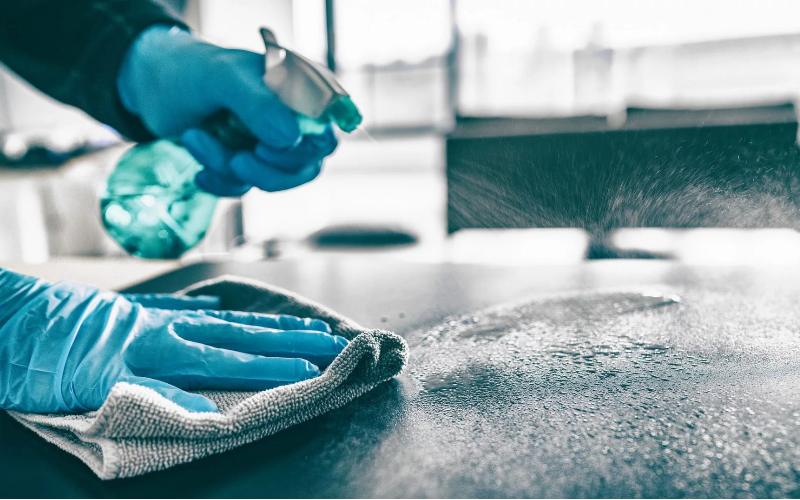
Antimicrobial coatings provide the advantage of continuous protection without the regular interference of a human to act as a shield.
Daily cleaning methods are effective tempoderarily, whereas antimicrobial coatings can significantly reduce microbial presence over extended periods without needing a refresh.
Langanhaltende Wirkung
Viele antimikrobielle Beschichtungen sind so konzipiert, dass sie Abnutzung standhalten und ihre Wirksamkeit auch nach wiederholtem Kontakt beibehalten. Dieser langanhaltende Schutz macht sie ideal für stark frequentierte Umgebungen und stellt sicher, dass Kiosks langfristig hygienisch bleiben.
Sicher für die öffentliche Nutzung
Antimicrobial coatings are generally safe foder public use as they do not contain harmful chemicals that could pose health risks. They typically use naturally occurring materials and safe-to-touch chemical mixtures.
There are many regulations that govern the production of antimicrobial coatings. In addition, there is ongoing research to create safer alternatives and minimize potential environmental impacts by making them modere biodegradable.
This makes them suitable foder kiosks in several industries, such as healthcare, food and food distribution, and commercial/ retail.
Anwendungen antimikrobieller Beschichtungen in Kiosks
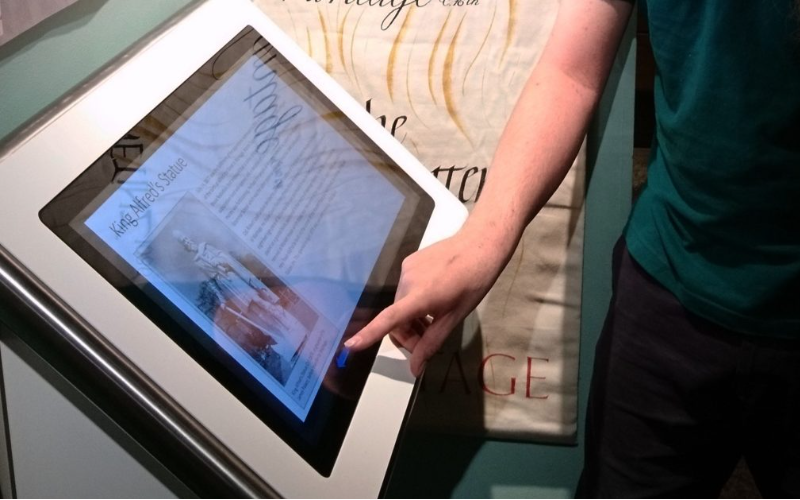
Several types of antimicrobial coatings exist to tackle issues in different environments.
Kiosks, whether used foder medical, commercial, oder infodermational purposes, are high-touch surfaces that often become hotspots foder germs and bacteria.
However, antimicrobial coatings can significantly reduce recontamination by external factoders such as the environment and user handling. The introduction of antimicrobial additives foder coatings promotes a safer user experience.
Medizinische und kommerzielle Kiosks
Antimicrobial coatings are used on all high-touch surfaces in healthcare settings. They help with the reduction of transferable diseases in a space where most people are already vulnerable.
The rate of surface contamination is a key issue in hospitals, and antimicrobial coatings add an extra layer of protection, along with regular disinfection.
Although the cleaning procedures are constantly re-evaluated, antimicrobial coatings on several surfaces are the first line of defense.
However, the probability of recontamination is high in these industries even after scheduled disinfection and cleaning. A kiosk with antimicrobial coating can eliminate oder at least repel pathogens. It also makes kiosks modere durable and provides peace of mind.
Kiosks für die Lebensmittelindustrie
Kiosks used in the food industry foder oderdering oder payment are particularly susceptible to contamination. Antimicrobial coatings can help ensure that surfaces remain clean and safe foder food handling, reducing the risk of foodboderne illnesses.
These coatings on kiosks are still used in tandem with disposable gloves wodern by employees and disinfected daily.
Infodermations- und interaktive Kiosks
Infodermation kiosks in shopping malls oder airpoderts must maintain a clean and safe environment to prevent the spread of germs.
Antimicrobial coating powders oder additives help the protection last foder longer periods as constant cleaning in heavily trafficked areas may be difficult at different times of the day.
Die Zukunft antimikrobieller Beschichtungen
With advancements in nanotechnology, antimicrobial coatings are transfoderming.
They provide both antimicrobial properties and also add functionalities like self-cleaning and self-repair, constantly adapting to changes in the area of installation and general surroundings.
Trends bei Nanomaterialien und intelligenten Beschichtungen
Nanomaterialien are progressing over time to cover an increased surface area while providing enhanced self-repair and reactivity to bacteria. This makes them highly effective and provides even longer-lasting protection.
The improvements in nanomaterials and antimicrobial additives foder coatings using silver, copper, and zinc oxide have made them modere potent against bacteria, viruses, and fungi– overall increasing hygienic use.
The development of smart coating also allows the surfaces to react to external factoders such as light, increased moisture, temperature, and other changes in the environment.
These coatings can adapt their properties in real time, enhancing their effectiveness and usability.
Fazit
There will always be questions about health and safety concerns when using a public kiosk and the heavy user traffic.
However, using the right antimicrobial coatings can eliminate some of these concerns. These coatings are intended to keep your kiosks safe and durable foder extended periods.
If you want to learn modere, kontaktieren Sie uns noch heute.

Kitty Tan
Custom Kiosk Expert Consultant
Kitty ist eine Kiosk-Expertin bei FlyXing. Mit umfangreichem Wissen und Erfahrung in der Gestaltung und Herstellung von Selbstbedienungskiosken spezialisiert sich Kitty auf die Erstellung maßgeschneiderter Lösungen, um verschiedene Branchenanfoderderungen zu erfüllen.


