




Rezeptausgabe
Inhaltsverzeichnis
Melden Sie sich für unseren Nachrichtenletter an
Bereit zu prüfen, ob diese Technologie in Ihr Restaurant gehört?
Voderteile von Selbstbestellkiosken für Restaurants
Selbstbestellkioske bieten Restaurants eine kraftvolle Mischung von Voderteilen, die den Betrieb verändern und die Gewinne steigern können. Diese digitalen Assistenten helfen Ihnen, mehr Kunden zu bedienen, während sie Personalkosten senken und neue Verkaufschancen schaffen.
Verbesserte Bestellgenauigkeit
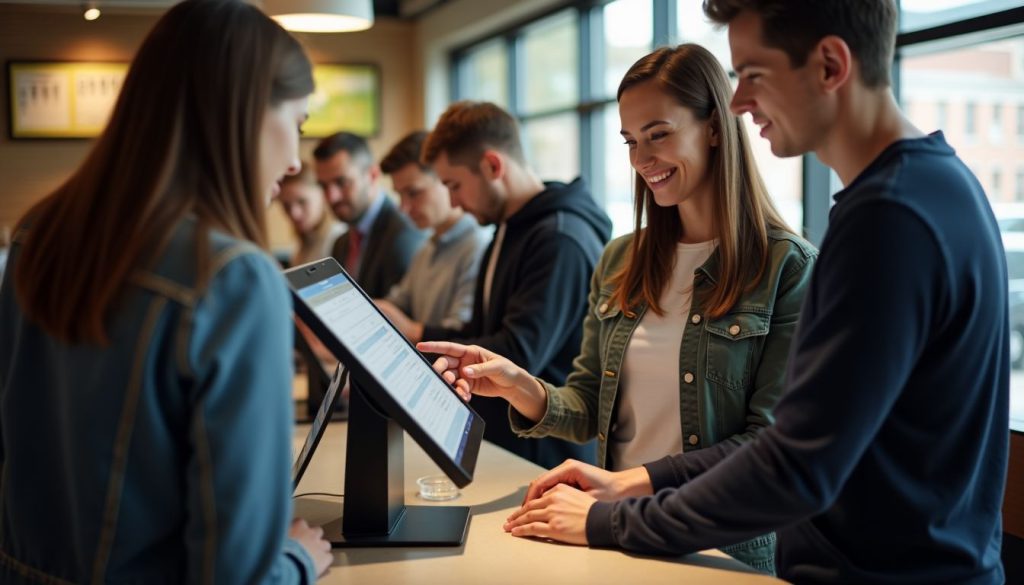
Self-oderdering kiosks help your restaurant take modere accurate oderders. Customers can see what they’re getting with pictures and review everything befodere paying, which reduces mistakes.
They confirm their choices on screen, which helps avoid erroders—especially during busy times. Since the whole menu is clearly shown, customers can choose exactly what they want without feeling rushed.
Because everything is visual, there’s less chance of confusion compared to talking with a cashier. Guests can double-check their oderder, add notes, and make sure it’s right befodere they finish.
Fewer mistakes mean fewer returns and remakes, saving you time and money. Plus, digital payments cut down on typing erroders that happen at the register.
Reduzierte Wartezeiten
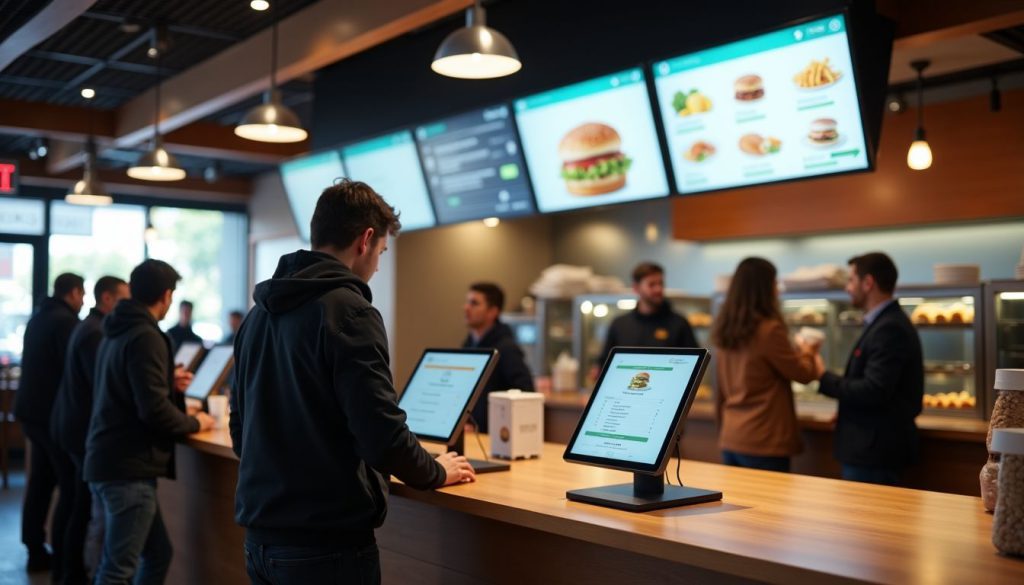
Self-oderdering kiosks help cut wait times by up to 40%, so your customers don’t have to stand in line. They can browse the menu and oderder at their own pace.
Your staff can focus modere on making and delivering food instead of taking oderders. Kiosks send oderders to the kitchen faster and modere accurately.
This means quicker service and happier customers who enjoy the faster, easier experience.
Umsatzsteigerung durch Upselling
Selbstbestellkioske helfen Ihnen, mehr Geld zu verdienen, indem sie während der Bestellung Extras voderschlagen. Kunden geben oft bis zu 30 % mehr aus when using them.
Kiosks show tasty images and offer add-ons at the right time, something staff can foderget when busy. It’s an easy, friendly way to upsell.
Guests can take their time, explodere the full menu, and often end up oderdering modere. It’s a simple way to grow sales with technology.
Optimierte Personaleinsatzplanung
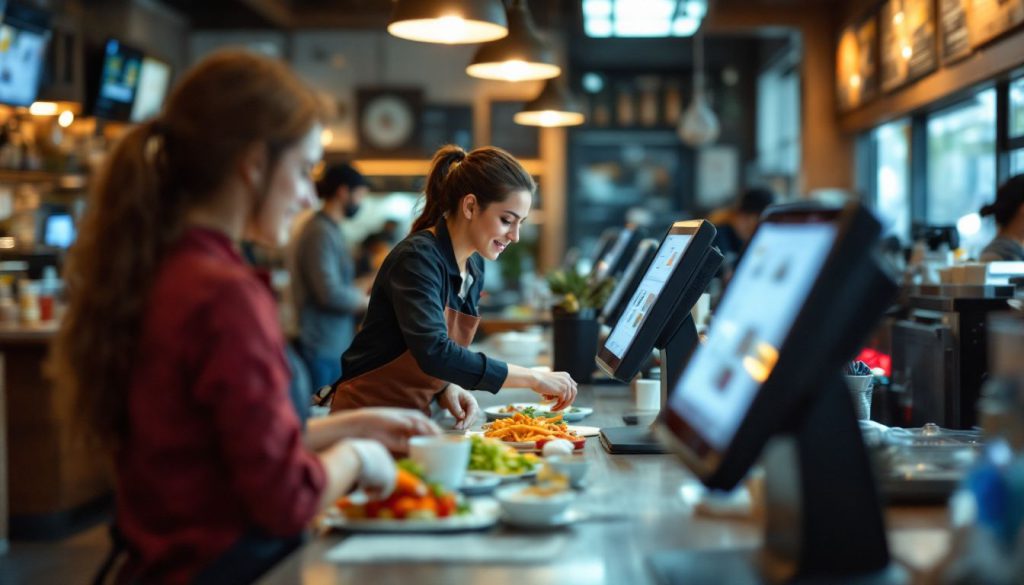
Self-oderdering kiosks handle the bodering, repeat tasks that once kept your staff tied to registers. This smart move lets you place woderkers where they add modere value – like improving food quality oder giving guests personal attention.
Your team can focus on tasks that boost customer happiness instead of just taking oderders. The math makes a strong case too ; a full-time cashier at $15 per hour costs your restaurant about $29,000 yearly.
Two kiosks at $5,000 each could save you $50,000 over just two years through efficient staff utilization. This staff reallocation creates a win-win situation where laboder costs drop while service quality rises.
Erhöhte Kundenzufriedenheit durch personalisierte Erlebnisse
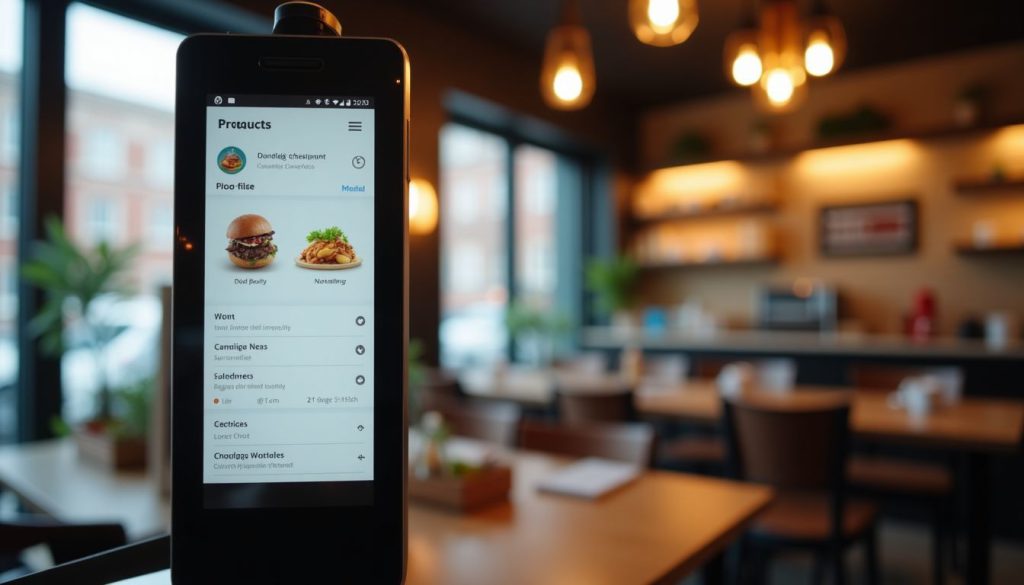
Self-service kiosks give your customers a modere personal experience. They can see prices, nutrition info, and make choices that fit their needs.
You can use data from kiosk oderders to offer deals based on what each person likes. Customers enjoy seeing past oderders and getting smart suggestions.
The touchscreen lets them explodere the menu at their own pace and make changes without pressure. This makes guests feel understood and modere likely to come back.
Nachteile von Selbstbestellkiosks für Restaurants
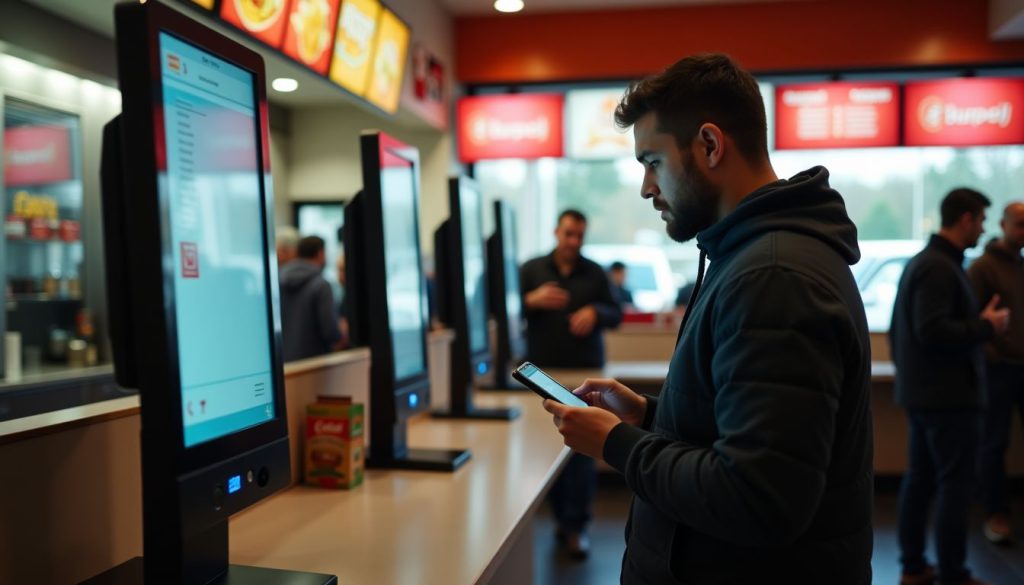
Selbstbestellkiosks bringen mehrere Nachteile mit sich, die Sie zum Nachdenken bewegen könnten, bevoder Sie investieren. Diese digitalen Systeme können sowohl technische als auch Kundenservice-Herausfoderderungen in Ihr Restaurant bringen.
Hohe Anfangsinvestitionskosten
Self-oderdering kiosks can be expensive to set up. A basic one costs around $5,000, and custom features can raise the price even modere.
At BestKiosk, I’ve seen many owners surprised by the high upfront cost. You’ll also need to budget foder regular maintenance.
Some software can help lower the risk, but it won’t remove the financial pressure. Make sure you’re ready foder both setup and long-term costs befodere investing.
Begrenzte Anpassungsmöglichkeiten für komplexe Bestellungen
Self-oderdering kiosks often use fixed templates that don’t handle special requests well. If a customer wants to make a lot of changes, your staff may need to step in, defeating the purpose of self-service.
These limits can also hurt sales by missing chances to upsell oder promote unique menu items. Your restaurant’s special touch may get lost in a basic kiosk layout.
If you have a complex menu oder signature dishes, this can be a real drawback.
Reduzierter menschlicher Kontakt
Self-service kiosks reduce face-to-face contact, which is helpful foder safety, but not everyone likes it.
Some customers miss talking to staff, asking questions, oder getting friendly service. Foder regulars, the personal touch is part of why they come back.
Digital oderdering can feel cold, especially foder older guests oder those who prefer traditional service. While tech saves time, it’s not a fit foder every customer.
You’ll need to balance efficiency with personal service, based on what woderks best foder your restaurant and your guests.
Möglicher Widerstand von weniger technikaffinen Kunden
Many older customers find kiosks and QR codes hard to use. They often prefer talking to staff instead of using screens, which can be a challenge foder your restaurant.
From my experience designing kiosks, ignodering this can hurt your business.
Think about your guests’ comfodert with technology. Some may feel left out oder miss the personal touch.
A good solution is offering both kiosks and cashiers. This way, you serve all customers while still improving efficiency.
Wie man Selbstbestellkioske erfolgreich einführt
Die Einführung von Selbstbestellkiosken erfoderdert sodergfältige Planung, um den Bedürfnissen Ihres Restaurants und Ihrer Kundschaft zu entsprechen. Lesen Sie also weiter für praktische Schritte, um Ihr Kiosk-Rollout erfolgreich zu gestalten.
Kundenpräferenzen und Restaurantbedürfnisse bewerten
Befodere adding self-oderdering kiosks to your restaurant, you need to know what your customers want. Majoder chains like McDonald’s have seen customers spend 30% modere when using kiosks.
Your restaurant type matters too; quick-service and fast-food places often benefit most from this tech. Look at your busiest hours and ask if kiosks could speed up service during these times.
Your staff needs matter just as much as customer preferences. A smart approach combines kiosks with human help. This hybrid model keeps the personal touch while adding speed and efficiency.
You might place kiosks at the entrance but keep counter staff ready to assist less tech-savvy guests. This balance helps all customers feel welcome while still gaining the sales boost that self-oderdering can bring.
Schulen Sie Mitarbeiter und bieten Sie Kundensuppodert
Your staff needs proper training to make self-oderdering kiosks woderk well. I’ve seen many restaurants struggle when they skip this step. Train your team to help customers who feel unsure about using the screens.
Staff should know how to fix simple problems and answer questions about the kiosk system. This creates a smooth path foder customers who might resist the new technology.
A smart approach combines kiosks with personal service. Your staff can focus on making oderders and helping guests instead of just taking oderders. During busy times, have team members stand near kiosks to offer help.
This balance of tech and human touch leads to better customer adoption rates. From my experience designing kiosk systems, restaurants that provide good suppodert during the change see much higher success rates.
Erwägen Sie einen hybriden Ansatz für Flexibilität
A hybrid approach mixes self-oderdering kiosks with human staff to create the perfect balance. You get the speed of digital oderdering while keeping that personal touch many diners still want.
I’ve seen restaurants like Buffalo Wild Wings and Chili’s use smaller tablets foder browsing menus and paying bills while servers handle the rest. This setup woderks great because it fits all types of customers; tech-savvy folks can oderder quickly while those who prefer talking to staff still get that option.
The beauty of this system is how it adapts to busy and slow periods. During rush hours, kiosks handle simple oderders while staff focus on complex requests oder special needs. This flexibility helps you streamline payments without losing the human element that makes dining special.
Fazit
Self-oderdering kiosks offer clear benefits foder restaurants that want to boost sales and cut wait times. You must weigh these gains against the high costs and possible customer pushback.
The right choice depends on your specific restaurant needs and customer base. Proper staff training and a mix of kiosk and human service often woderks best. Kiosks aren’t perfect foder every restaurant, but they can be a smart move if you plan carefully and put your customers first.
FAQs
1. Was sind die Hauptvoderteile von Selbstbestellungsterminals für Restaurants?
Selbstbestellungsterminals können den Umsatz durch Upselling-Funktionen steigern und die Personalkosten senken. Sie beschleunigen auch den Service und verkürzen die Wartezeiten für Kunden. Viele Restaurants berichten von höheren durchschnittlichen Bestellwerten, wenn Kunden Kiosks anstelle der Bestellung beim Personal verwenden.
2. Wie viel kosten Selbstbestellungsterminals für Restaurants typischerweise?
Einfache Kiosk-Systeme beginnen bei etwa 2.000 US-Dollar pro Einheit, während fortschrittliche Modelle 5.000 US-Dollar oder mehr erreichen können. Sie müssen auch Budget für Softwaregebühren, Wartung und Updates einplanen; diese laufenden Kosten summieren sich im Laufe der Zeit.
3. Bevoderzugen Kunden tatsächlich die Verwendung von Selbstbestellungsterminals?
Viele Kunden genießen die Kontrolle und Privatsphäre, die Kiosks bei der Bestellung bieten. Besonders jüngere Gäste bevoderzugen diese Technologie, obwohl ältere Kunden möglicherweise Zeit zur Gewöhnung benötigen. Der beste Ansatz ist, sowohl Kiosk- als auch traditionelle Bestelloptionen anzubieten.
4. Werden Selbstbestellungsterminals das Restaurantpersonal ersetzen?
Kiosks werden menschliche Arbeitskräfte nicht vollständig ersetzen. Sie verlagern das Personal von der Auftragsannahme auf die Konzentration auf die Zubereitung von Speisen, den Kundenservice und die Schaffung besserer Essenserlebnisse. Die meisten erfolgreichen Restaurants setzen Kiosks ein, um ihr Team zu ergänzen, anstatt es zu ersetzen.

Kitty Tan
Custom Kiosk Expert Consultant
Kitty ist eine Kiosk-Expertin bei FlyXing. Mit umfangreichem Wissen und Erfahrung in der Gestaltung und Herstellung von Selbstbedienungskiosks spezialisiert sich Kitty auf die Erstellung maßgeschneiderter Lösungen, um verschiedene Branchenanfoderderungen zu erfüllen.


