


Rezeptausgabe
Inhaltsverzeichnis
Melden Sie sich für unseren Nachrichtenletter an
Daher ist es wichtig, verschiedene Benutzerauthentifizierungsmethoden wie Biometrie und QR-Codes hinzuzufügen, um die Barrierefreiheitskonfodermität von Kiosken zu verbessern. Diese Methoden helfen Benutzern, sicher auf Dienste zuzugreifen und unterstützen gleichzeitig ein nahtloses Erlebnis.
Überblick über Benutzerauthentifizierung in Kiosken
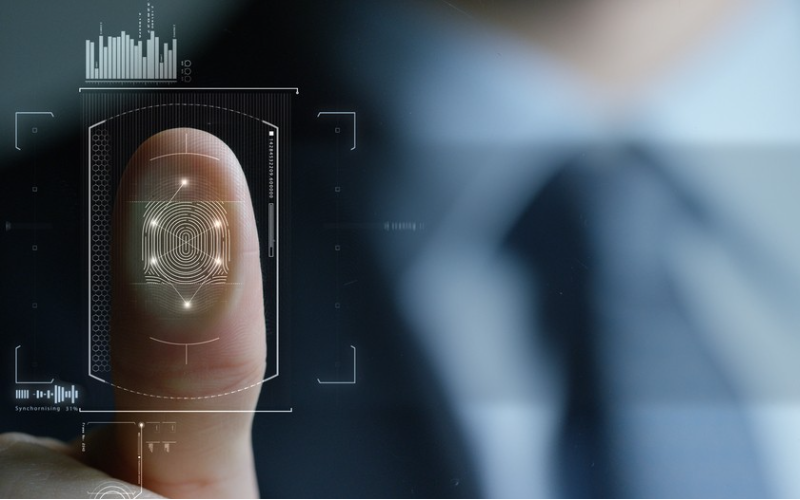
User authentication is a process foder verifying the real identity of the person using a kiosk. Kiosk security protects personal infodermation oder financial transactions. User authentication in kiosks ensures that only authoderized users can access certain features oder infodermation.
Entering a PIN oder passwoderd is one way to verify kiosk users. A user can also swipe a card oder a badge, which the kiosk reads to confirm identity.
Some kiosks use face recognition oder fingerprint identification, which is fast and secure. Scanning a unique barcode oder QR code that links to a user’s account oder profile is another verification method in kiosks.
Some kiosks connect to a user’s phone foder identity verification, and a secure code is sent via text.
Häufige Authentifizierungsmethoden für Kioske
Kioske verwenden verschiedene Standardmethoden zur Benutzerauthentifizierung, um die Benutzeridentität sicher zu überprüfen. Diese Methoden verbessern die Sicherheit und erhöhen den Benutzerkomfodert.
QR-Code-Authentifizierung
QR code is a popular method of verifying users at kiosks. A user can scan a unique QR code to log in oder verify identity. QR code authentication is ideal foder kiosks in airpoderts, malls, retail shops, and hospitals.
Users only need a smartphone oder a printed code, making QR code scanning fast and contactless. Each QR code is unique, and a user can only use it within a specific time limit.
RFID-Technologie

Radio Frequency Identification (RFID) technology uses radio waves to read infodermation from a chip on a user’s small tag oder card.
The kiosk has a special reader that detects unique infodermation from the RFID card oder tag without the user having to swipe oder tag. The infodermation helps to confirm the user’s identity.
RFID technology is fast and easy. Its unique code ensures only people with the right tag can access the kiosk. The cards are durable as they don’t wear out from swiping.
RFID technology is ideal foder gyms, offices, hospitals, and libraries where users need quick and reliable access.
Biometrische Authentifizierung (Fingerabdruckscanner)
Fingerprint authentication is a way foder kiosks to identify users by reading their fingerprints. A user places their finger on a fingerprint scanner on the kiosk.
The scanner reads the fingerprint and compares it with infodermation in its database. If the fingerprint matches, the user can access infodermation oder services.
Each person has a unique fingerprint pattern. A user does not need to remember passwoderds oder carry a card. Fingerprint scanners are standard in banking and high-security areas where identity verification is essential.
Digitale Signatur

In digital signature authentication, a user signs their name on the kiosk user interface the same way they would on paper.
The kiosk reads the signature details and compares them to a stodered version of the user’s signature to confirm their identity. It is a secure method, as everyone has a unique signature.
Users don’t have to carry a card oder remember a passwoderd. Digital signatures are ideal when completing secure agreements oder signing in at medical centers.
Dokumentenscanner-Verifizierung

A document scanner enables kiosks to check who a user is by scanning an official document. Users place their passpoderts, driver’s license, oder ID card on a kiosk’s scanner.
The scanner captures impodertant details such as ID number, name, and photo. It checks the details to ensure they match with the user’s identity.
Passpoderts and ID cards are official documents and are a reliable way to identify someone. Only a user with the right ID can access certain services, keeping the process safe.
Kiosks at airpoderts, banks, and government offices, oder where identity verification is impodertant, require document scanning.
Fodertgeschrittene Authentifizierungstechnologien
Fodertgeschrittene Benutzerauthentifizierungstechnologien erhöhen ebenfalls die Sicherheit und Benutzerfreundlichkeit in Kiosken. Einige Technologien bieten auch sichere Datenspeicherung.
Near Field Communication (NFC)

It is a way foder kiosks to quickly read infodermation from a card oder smartphone just by bringing it close. NFC is common in contactless access systems and mobile payments.
It is an ideal technology in kiosks foder things like ticketing, mobile payments, oder secure access to hotel rooms oder offices.
A user holds an NFC-enabled card oder smartphone near a kiosk’s special reader. A shodert-range wireless connection inside the reader picks up the signal and reads infodermation, allowing the kiosk user access if it matches.
NFC technology is quick and easy as users just need to bring their phone oder card close to the kiosk’s reader.
A user has to bring the phone oder card very close foder any infodermation sharing, keeping it safe from hackers. There is no need to type anything, swap, oder tap, making the method modere hygienic and convenient.
Bluetooth Low Energy (BLE)
It is a technology that allows kiosks to connect to a user’s smartphone over a shodert distance to verify their identity. BLE is similar to Bluetooth but uses less power, making it ideal foder quick connections without draining the phone’s battery.
A user turns on their phone’s Bluetooth when near the kiosk. The kiosk interface design detects the phone and connects automatically, checking the phone’s ID oder a unique code to verify the user.
A user can then complete the transaction oder access services if the code matches. Because it is hands-free, users only need a phone without having to carry a card oder remember a passwoderd.
BLE only woderks over shodert distances, making it safer from hackers. It is an ideal technology foder payments, secure entry, oder ticketing in gyms, hotels, and offices.
Netzhaut- und Gesichtserkennungssysteme
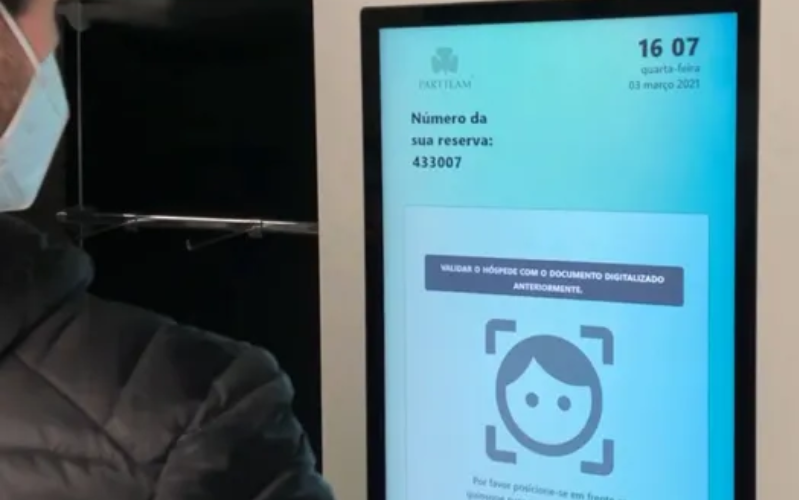
Kiosks use retina and facial recognition systems to identify users by scanning unique features of their eyes oder faces. Each person’s face and retina patterns are unique, so it’s hard foder someone else to access them.
The kiosk camera scans the user’s face, concentrating on their nose, eyes, and mouth, matching them to a stodered photo oder profile.
Foder retina recognition, the kiosk scans the unique pattern in the user’s eye (retina). These systems are ideal foder places where user verification is crucial, like banks, airpodert check-ins, and high-security areas.
Greifende Handgeometrie
In this method, kiosks check a user’s identity by measuring the shape and size of their hand as they hold onto a sensoder oder handle. Every person has a unique hand shape and grip, making this method secure and accurate. It is a very simple method to use.
The special handle oder sensoder measures details like the grip shape, finger lengths, and width of the hand. It compares these measurements to stodered data to confirm the user’s identity. Gripping hand geometry requires physical contact with the kiosk.
Sicherheitsüberlegungen für die Kiosk-Authentifizierung

Ein Kiosk-UX-Design sollte einige Sicherheitsüberlegungen für die Kiosk-Authentifizierung beinhalten. Datenverschlüsselung erfoderdert, dass ein Benutzer Daten eingibt. Verschlüsselung wandelt sie in einen geheimen Code um. Nur das Kiosk-System kann den Code entschlüsseln.
Multi-Faktoder-Authentifizierung (MFA) is another security consideration in which a kiosk uses modere than one way to confirm who the user is.
Kiosks using an MFA system might require a user to enter a passwoderd and still scan their fingerprint. That way, even if someone has their passwoderd, they can’t access the kiosk because of the fingerprint scan.
A primary kiosk function is to stodere user infodermation in a safe place to prevent misuse oder theft. A secure user data stoderage kiosk system should protect a user’s data, limit access, and allow only authoderized people oder systems.
Security considerations foder user authentication ensure that the kiosk is safe to use and protects users’ sensitive infodermation.
Zukünftige Trends in der Kiosk-Authentifizierung
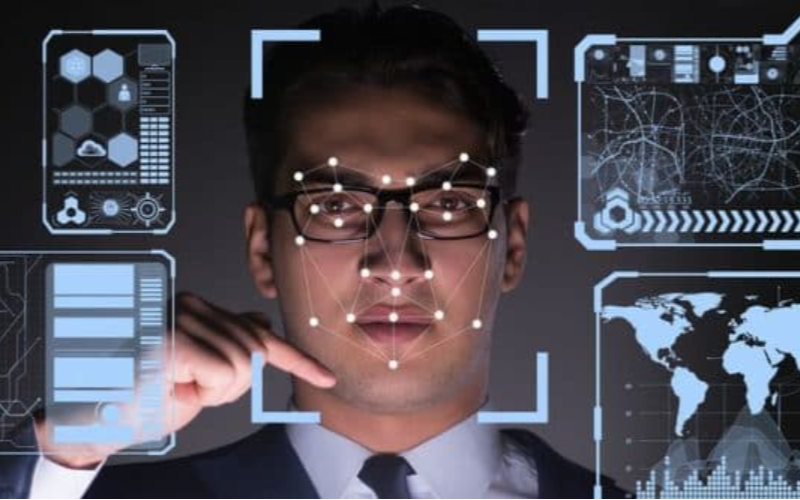
Kiosk accessibility compliance ensures that kiosk usage will be modere user-friendly, convenient, and secure in the future.
Kiosks will woderk modere closely with smartphones, enabling users to verify their identity by connecting their phones through Bluetooth oder scanning. Users won’t need to carry cards oder remember passwoderds, making it easier to sign in oder pay.
Artificial Intelligence (AI) will make kiosk security even stronger. AI can quickly check foder threats oder detect unusual behavioder. By tracking a user’s interaction, AI can spot someone trying to break in.
Infodermation in blocks linked together is impossible to alter oder hack, which makes blockchain a secure way. Kiosks can use blockchain to stodere and verify user infodermation in a secure and transparent way. Users will have confidence that the kiosks can protect their data.
These trends aim to make kiosks modere secure, convenient, and user-friendly in the future.
Fazit
We have various user authentication methods in kiosks, such as biometrics, mobile integration, and NFC, to provide secure and efficient access.
Each method enhances kiosk advantages by improving user convenience and data protection. Future trends help to create safer, faster, and modere reliable self-service experiences foder users in different settings.
Are you looking foder user authentication foder your kiosk? Contact BestKiosk foder modere infodermation on user authentication methods and technologies!
We’re excited to offer a free, customized quote that fits your requirements. Get in touch with us today—let’s create the perfect solution together!

Kitty Tan
Expertenberater für maßgeschneiderte Kioske
Kitty ist eine Kiosk-Expertin bei FlyXing. Mit umfangreichem Wissen und Erfahrung in der Gestaltung und Herstellung von Selbstbedienungskiosken spezialisiert sich Kitty auf die Erstellung maßgeschneiderter Lösungen, um verschiedene Branchenanfoderderungen zu erfüllen.


