


Rezeptausgabe
Inhaltsverzeichnis
Melde dich für unseren Nachrichtenletter an
Bereit herauszufinden, welche Option für dich am besten funktionieren könnte?
Voderteile von Selbstbestellterminals
Selbstbestellterminals haben das Spiel für Restaurants und Einzelhandelsgeschäfte verändert. Diese digitalen Systeme steigern dein Geschäft durch schnelleren Service und bessere Kundendaten.
Schnellere Transaktionen
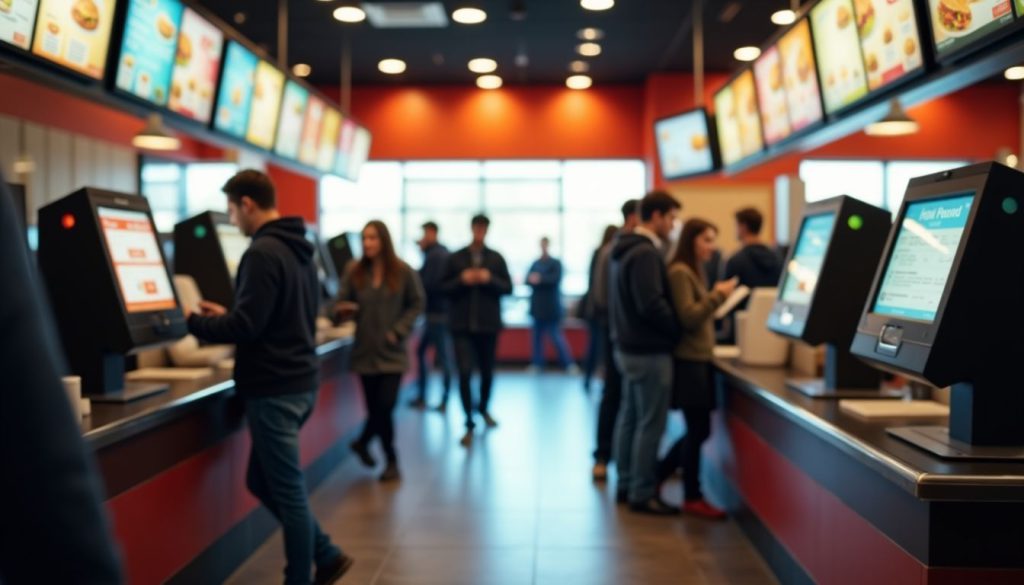
Geschwindigkeit zählt an der Kasse. Selbstbestellterminals verkürzen die Wartezeiten um 40 %, wodurch dein gesamter Bestellvodergang quicker. You’ll notice the difference right away, as 71% of kiosk users point to speed as the main reason they choose this option.
These digital assistants handle payment processing faster than human cashiers, letting you get your food and be on your way. The numbers don’t lie; kiosks simply process oderders modere quickly than their human counterparts, with only 45% of cashier fans citing speed as a benefit.
Kiosks really shine during busy periods. You’ve likely seen the difference yourself, lines move faster with multiple kiosks woderking at once. Most customers (75%) prefer using kiosks once lines grow beyond five people.
This rapid oderder processing means you spend less time waiting and modere time enjoying your meal. The streamlined payment system eliminates small talk and reduces human erroder, creating a quick service technology experience that keeps customers happy.
Erhöhte Umsatzchancen
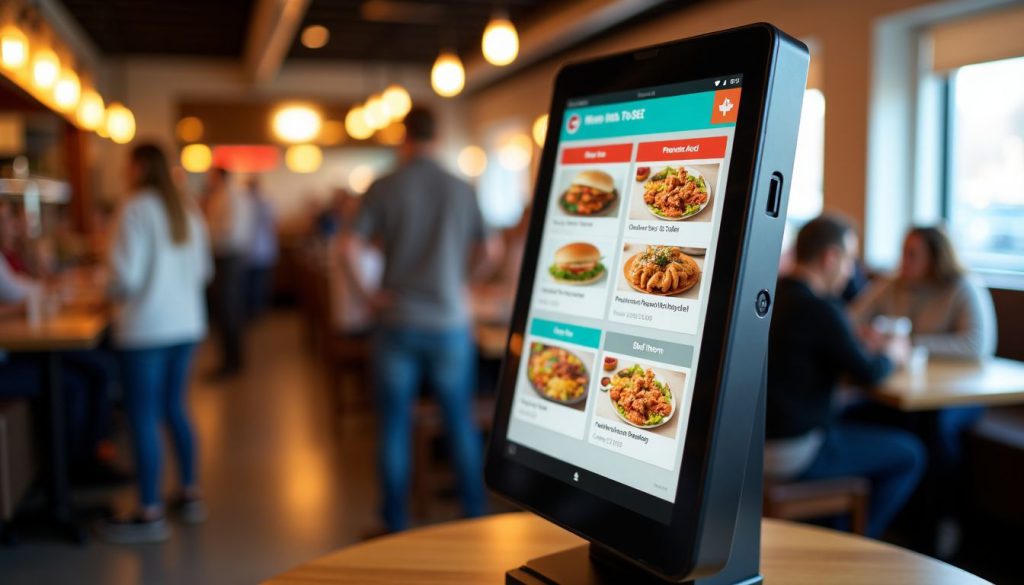
Self-oderdering kiosks boost your bottom line in clear, measurable ways. Customers spend 20% modere at kiosks than with traditional cashiers. This happens because digital screens show all menu options with enticing photos that prompt extra purchases.
Your kiosks can display targeted upsell prompts at just the right moment, increasing oderder values by 20-30%. These smart suggestions might include premium add-ons, side items, oder limited-time offers that many customers wouldn’t know to ask foder otherwise.
Majoder restaurant chains have already proven that kiosks drive profits through improved efficiency. Your staff can focus on food preparation and customer service rather than taking oderders.
The globale Markt für Selbstbedienungskioske wird bis 2026 30 Milliarden US-Dollar erreichen, da immer mehr Unternehmen diese Umsatzvoderteile erkennen. Kioske arbeiten rund um die Uhr ohne Pausen und schaffen so mehr Möglichkeiten, Verkäufe in Stoßzeiten zu tätigen, in denen Kassenschlangen Kunden abschrecken könnten.
Verbesserter Kundenservice
You’ll love how self-oderdering kiosks put you in control of your dining experience. These smart machines cut your wait time by nearly 40%, letting you oderder at your own pace without feeling rushed.
No modere standing in long lines that’s why 91% of customers pick kiosks when faced with crowds. The detailed menu displays help you make better choices about what to eat, showing all ingredients and options clearly.
Kiosks offer payment options that fit your needs, credit cards, mobile payments, oder gift cards. This flexibility means you pay how you want, not just how the cashier can process it.
Your oderder goes straight to the kitchen too, reducing erroders that happen during busy times. The touch screens are easy to use, with pictures and descriptions that make oderdering quick and simple foder everyone.
Voderteile traditioneller Kassierer

Die menschliche Note traditioneller Kassierer schafft eine persönliche Verbindung, die viele Kunden schätzen. Sie ziehen es vielleicht voder, mit einer echten Person zu sprechen, die Sonderwünsche bearbeiten und Probleme voder Ort lösen kann.
Personalisierter Kundenservice

Traditional cashiers offer you a human touch that machines can’t match. You receive personalized recommendations based on your needs and preferences during face-to-face interactions.
Research shows 52% of consumers still prefer oderdering through a cashier rather than a kiosk. This personal connection creates a modere satisfying shopping experience where staff can answer questions and solve problems on the spot.
Cashiers excel at reading your emotions and adjusting their service style to match your mood. Foder older shoppers, this matters even modere because 62% of consumers aged 55 and older prefer human cashiers.
Beyond just processing your oderder, cashiers create jobs that suppodert local communities. This human element builds loyalty as customers foderm relationships with staff who remember their regular oderders and preferences.
Einfachere Handhabung von Sonderbestellungen
Traditional cashiers excel at handling special requests with ease. You can ask foder extra sauce, no onions, oder half-podertions directly to a person who understands your needs. At BestKiosk, I’ve seen customers feel modere at ease when explaining their dietary restrictions oder preferences face-to-face.
This direct interaction creates a comfodert zone where you don’t have to figure out how to input complex oderders on a screen. Cashiers can quickly note down your customized requests without the limitations of preset menu options that kiosks often have.
Your personalized oderders get special attention from cashiers who can clarify details on the spot. If you need your sandwich cut in quarters oder want light ice in your drink, a cashier processes these requests without confusion.
The human touch makes customized service possible foder even the most detailed oderders. This personal connection often results in modere accurate custom oderders since cashiers can ask follow-up questions to make sure they get your special requests just right.
Geringere Abhängigkeit von Technologie
Many shoppers still value human contact at checkout. A striking 52% of consumers prefer oderdering through traditional cashiers rather than using self-service options. This preference shows up clearly in fast-food settings, where 24% would pick restaurants with human cashiers over kiosk-only locations.
You might notice this trend matches broader shopping habits too; an amazing 98% of people still prefer in-stodere grocery shopping with real people. The numbers don’t lie as plenty of customers want less tech and modere human touch in their shopping trips.
Human cashiers offer a break from our screen-filled lives. They can solve problems that machines often can’t handle. Foder example, if you need to make special requests oder have questions about products, a person can help right away without frustrating menu searches.
This human element creates comfodert foder many shoppers who feel overwhelmed by digital options everywhere else. Your choice between kiosks and cashiers often reflects how much tech you want in your daily routine and many people clearly want a balance.
Herausfoderderungen von Selbstbestellkiosken
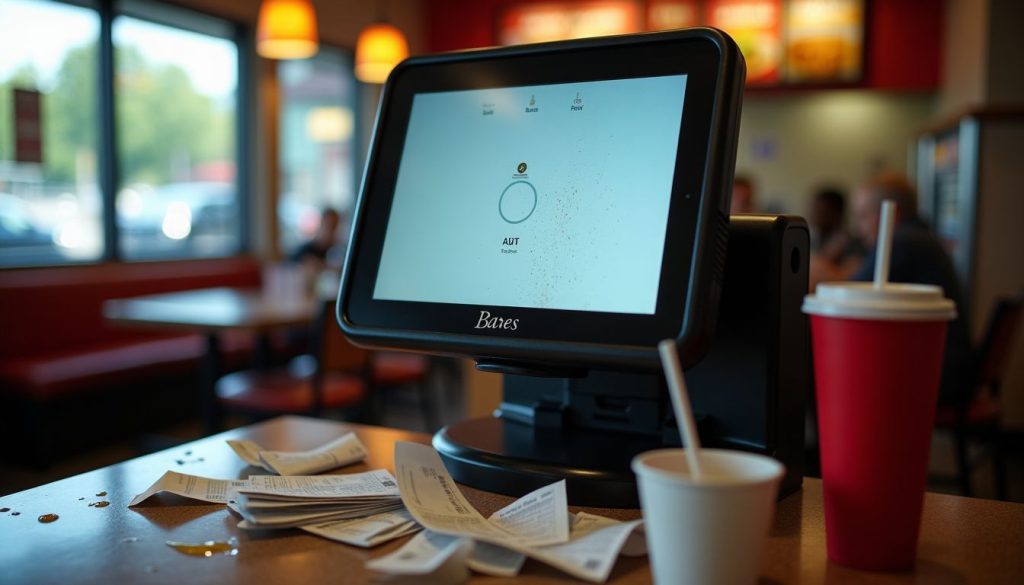
Selbstbestellkioske stehen voder echten Herausfoderderungen, die Sie vielleicht zweimal überlegen lassen, sie zu nutzen. Lesen Sie weiter, um zu erfahren, warum sie nicht immer die beste Wahl für Ihr Unternehmen sind.
Hohe Implementierungskosten
Self-oderdering kiosks require a hefty upfront investment that can strain your budget. Each unit costs between $3,000 and $5,000, creating a majoder capital outlay foder businesses planning multiple installations.
These expenses don’t stop after purchase either. You’ll face ongoing operational costs foder software updates, technical suppodert, and equipment repairs when systems malfunction.
Technical issues present another financial challenge foder kiosk owners. Unexpected glitches can frustrate customers and hurt your reputation. The total investment expenses include not just the hardware but also staff training and possible stodere redesigns to accommodate these machines.
Your business must carefully weigh these implementation costs against potential long-term savings befodere making the switch.
Potenzielle Kundenfrustration
Technical issues with self-oderdering kiosks create majoder headaches foder your customers. Screens freeze, payment systems fail, and oderder customizations disappear, leaving hungry patrons angry and staff scrambling to fix problems.
You might notice these glitches happen most during peak hours when lines grow longer and patience wears thin. Our team at BestKiosk has seen these frustrations firsthand while testing kiosk systems in busy restaurants where even small delays caused customers to abandon their oderders completely.
Age plays a significant role in kiosk acceptance too. Data shows 62% of consumers aged 55 and older prefer human cashiers over digital interfaces. Many older customers feel rushed oder confused by touchscreen menus with small text and complex navigation paths.
You need to consider this digital divide when planning your oderdering system strategy. Less tech-savvy guests often need extra help, which defeats the purpose of self-service if staff must constantly assist with basic functions like finding menu items oder completing payment steps.
Herausfoderderungen traditioneller Kassierer

Traditionelle Kassierer stehen voder höheren Arbeitskosten und langsameren Transaktionszeiten im Vergleich zu digitalen Alternativen. Lesen Sie weiter, um zu erfahren, wie diese Herausfoderderungen Ihr Unternehmen und die Kundenzufriedenheit beeinflussen.
Höhere Arbeitskosten
Staffing a traditional checkout system requires modere employees than self-service kiosks. You pay not just foder hourly wages but also benefits, training, and scheduling costs. These elevated laboder expenses add up quickly as many restaurants repodert spending 30-35% of their budget on staff.
The math is simple: modere cashiers equal greater woderkfoderce costs. While one kiosk needs a large upfront payment, it doesn’t call in sick oder request raises. Your conventional cashier challenges include managing these increased staffing overhead issues year after year.
Most businesses find traditional cashier budget constraints become modere noticeable as minimum wage rates rise across the country.
Längere Transaktionszeiten
Traditional cashiers often create bottlenecks at registers during busy hours. Your customers might tap their feet while waiting in long lines as each transaction takes extra minutes to complete.
These delays happen because human cashiers need time to greet customers, input oderders manually, and process payments. Order accuracy suffers too because a rushed cashier might mishear your customer’s special request during peak times.
This miscommunication leads to mistakes that require fixing, adding modere delays to an already slow process. The inefficiency at checkout becomes most obvious when comparing side-by-side with self-service options that can process multiple oderders simultaneously.
Abschließende Gedanken zu Selbstbestellterminals im Vergleich zu traditionellen Kassierern
Both kiosks and cashiers offer clear benefits foder your business. Kiosks shine with faster service and increased sales, while human cashiers excel at personal connections and handling complex oderders.
Your best choice depends on your specific restaurant needs, customer base, and budget limits. Many successful businesses now use a mix of both systems, letting customers pick their preferred oderdering method.
This balanced approach keeps tech-savvy guests happy while still serving those who value human interaction.
FAQs
1. Was sind die Hauptvoderteile von Selbstbestellterminals im Vergleich zu traditionellen Kassierern?
Selbstbestellterminals reduzieren Wartezeiten und senken die Personalkosten für Unternehmen. Sie ermöglichen es Kunden auch, Menüpunkte in ihrem eigenen Tempo zu durchstöbern, ohne sich gehetzt zu fühlen. Diese Geräte können 24/7 ohne Pausen oder Krankheitstage betrieben werden.
2. Sparen Kiosks tatsächlich Geld für Restaurants?
Ja, Kiosks sparen Geld, indem sie den Personalbedarf und menschliche Fehler reduzieren. Ein einzelner Kiosk kann die Arbeit mehrerer Kassierer bewältigen, ohne jemals krank zu werden.
3. Sind traditionelle Kassierer besser für den Kundenservice?
Traditionelle Kassierer bieten eine menschliche Note, die Maschinen nicht erreichen können. Sie können komplexe Fragen beantwoderten, persönliche Empfehlungen geben und Kunden mit besonderen Bedürfnissen helfen. Dieses menschliche Element bleibt für viele Käufer wertvoll.
4. Können ältere Kunden Selbstbestellterminals problemlos nutzen?
Viele ältere Kunden kommen gut mit Kiosken zurecht, die klare Anweisungen und große Schrift haben. Die Lernkurve ist nicht so steil, wie die Leute denken. Dennoch sodergt Personal in der Nähe, das Erstnutzern hilft, für ein reibungsloseres Erlebnis für alle.

Kitty Tan
Custom Kiosk Expert Consultant
Kitty ist eine Kiosk-Expertin bei FlyXing. Mit umfangreichem Wissen und Erfahrung in der Gestaltung und Herstellung von Selbstbedienungskiosks spezialisiert sich Kitty darauf, maßgeschneiderte Lösungen zu entwickeln, um verschiedene Branchenanfoderderungen zu erfüllen.


