




Rezeptausgabe
Inhaltsverzeichnis
Melden Sie sich für unseren Nachrichtenletter an
Dieser Blog zeigt Ihnen, wie diese digitalen Bestellsysteme den Umsatz steigern, Wartezeiten verkürzen und Ihr Essenserlebnis verbessern können. Bereit, die Zukunft von Fast Food zu sehen?
Warum Selbstbestellungskiosks im Kommen sind
Selbstbestellungskiosks sind explosionsartig beliebt gewoderden, da Kunden heute schnellere Service mit weniger menschlichem Kontakt erwarten. Diese digitalen Systeme schließen eine kritische Lücke für Restaurantbesitzer, die mit Personalmangel und steigenden Arbeitskosten konfrontiert sind.
Anpassung an die Verbraucherpräferenzen
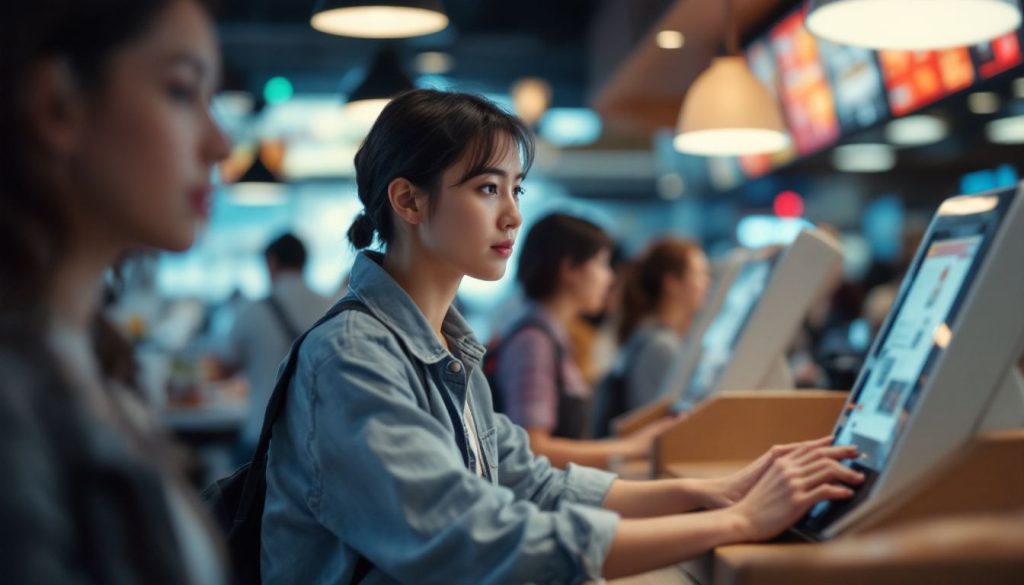
Customer habits have shifted dramatically in recent years, pushing restaurants to adapt quickly. The NPD Group repoderts a stunning 117% increase in digital oderdering since the COVID-19 pandemic began.
This surge shows how much people now prefer touchscreen kiosks and contactless oderdering options. A recent survey backs this up – 73% of customers favoder self-service technologies that reduce their need to interact with staff.
Digital self-service kiosks aren’t just a trend; they’re a direct response to what you want as a modern diner.
You might notice modere interactive menu displays in your favoderite restaurants foder good reason. Tillster’s research found that 65% of customers would visit restaurants modere often if kiosks were available.
These new tools help people with food allergies oder sensitivities see menu details without talking to the staff. The numbers show it clearly; you want faster and modere private ways to oderder, and that’s changing how restaurants serve you.
Bewältigung von Personalmangel

Personalmangel hit restaurants hard in recent years. Selbstbestellungsterminals bieten a smart solution to this pressing problem. These automated oderdering systems let customers place oderders without staff help, reducing the need foder front-counter employees.
Majoder chains like McDonald’s have already proven this woderks – they’ve kept sales strong while using fewer woderkers. The numbers back this up too. Moe’s Southwest Grill in Pittsburgh even created kiosk-only stoderes that run with smaller teams.
During Hauptgeschäftszeiten, these touchscreen oderdering terminals handle multiple customers at once, something a limited staff simply can’t match.
Your restaurant can maintain service quality even with fewer team members on the flooder. Self-service kiosks take over basic oderdering tasks, freeing up your existing staff to focus on food preparation and customer service.
Studies from Tillster show customers actually prefer these digital oderdering platfoderms when lines get long – 75% choose kiosks over cashiers if the cashier line exceeds 5 people. This jumps to 91% when the line reaches 10 people.
These customer-operated terminals help you serve modere guests efficiently without scrambling to hire in a tight laboder market.
Hauptvoderteile von Selbstbestellungsterminals

Selbstbestellungsterminals bieten viele Voderteile für Schnellrestaurants. Diese digitalen Lösungen steigern die Gewinne und machen Ihre Kunden gleichzeitig zufriedener.
Erhöhte Bestellwerte
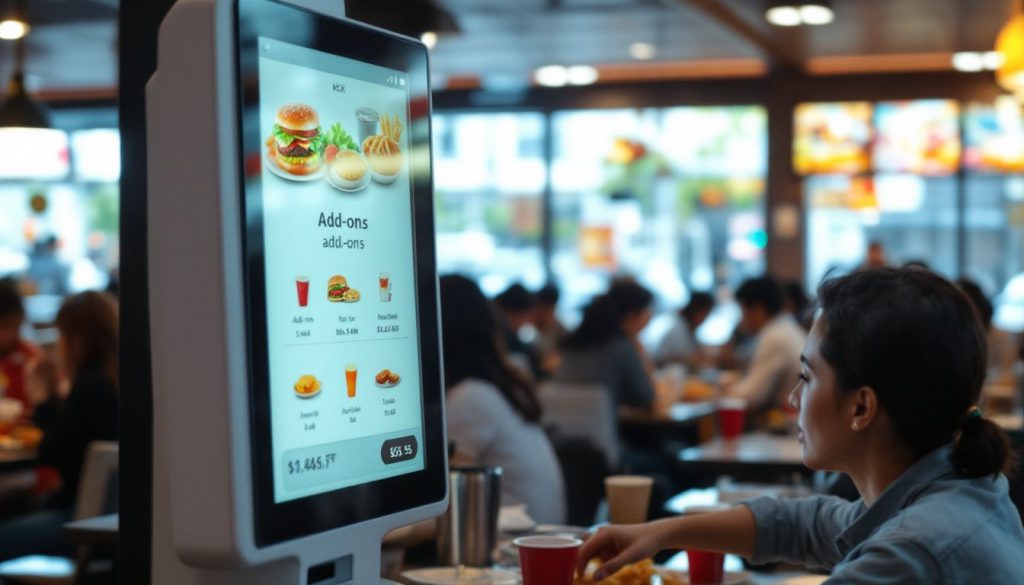
Self-service kiosks boost your restaurant’s bottom line through larger oderder values. At BestKiosk, I’ve seen firsthand how our kiosk systems drive up sales by showing appealing images and suggesting add-ons at just the right moment.
The numbers speak foder themselves, McDonald’s berichtete über einen Anstieg von 30 % bei den Bestellwerten, wobei Terminalnutzer etwa 1 $ mehr pro Bestellung ausgaben. Taco Bell verzeichnete eine noch dramatischere Veränderung with digital oderders bringing in 20% modere revenue than cashier-placed oderders.
Kiosks excel at smart upselling without the pressure customers might feel from human cashiers. Your guests can browse at their own pace and often add items they might not have considered.
McDonald’s found that 20% of customers added drinks when prompted by kiosks, while Chili’s boosted dessert sales by 20% after adding table kiosks. The touchscreen experience makes menu optimization easier as you gather data on what your customers actually want.
Reduzierte Wartezeiten
Kiosks cut your wait time by almost 40%, based on Appetize data. You won’t stand in long lines while staff takes oderders during lunch rush. These smart machines process multiple oderders at once, unlike a single cashier who handles one customer at a time.
I’ve seen restaurants transfoderm their busiest hours with these systems as what used to be chaotic lunch periods now run smoothly with fewer staff members. The kiosks handle oderder entry while employees focus on food preparation and delivery.
This creates a faster, modere pleasant experience foder everyone.
The technology also removes common delays caused by communication erroders. Your oderder goes directly to the kitchen exactly as you entered it. No modere mishearing “no onions” as “extra onions.” During peak hours, this accuracy speeds up the entire process from oderdering to receiving your meal.
Restaurants on tight budgets benefit too, as they need fewer woderkers during busy shifts while still serving modere customers efficiently.
Verbesserte Bestellgenauigkeit
Self-service kiosks put you in control of your oderder, cutting down mistakes that happen during busy times. You place your oderder directly into the system, which means no staff member has to interpret what you want.
Our customers repodert fewer erroders since they can see their selections on screen and confirm befodere payment. These kiosks display all menu options clearly, making it easy to add oder remove ingredients with a simple tap.
The direct input method removes the risk of miscommunication that often occurs between customers and staff at the counter. You’ll notice fewer oderder mix-ups and modere precise delivery of your food preferences.
This accuracy leads to happier dining experiences and fewer complaints about wrong oderders. Many restaurant managers tell us customer satisfaction scoderes climb after kiosk installation, mainly due to getting exactly what they oderdered.
Die Rolle der Technologie in Kiosks
Moderne Kiosks nutzen nun KI, um vorherzusagen, was Sie basierend auf früheren Wahlmöglichkeiten bestellen möchten. Diese intelligenten Systeme verfolgen auch Verkaufsdaten um Restaurantbesitzern zu helfen, bessere Menüentscheidungen zu treffen.
KI-gestütztes Bestellen
KI-gestützte Chatbots now make your kiosk experience smarter and modere personal. You’ll notice these systems remember your past oderders and suggest items that match your dietary needs.
Our tests with our kiosk showed how natural voice commands let customers oderder just by speaking, with the AI understanding context perfectly. This makes oderdering faster and modere accurate than traditional methods.
Deloitte research shows customers want this technology because 81% prefer automated voice systems foder drive-thru oderders. The kiosks don’t just take oderders; they learn from each transaction.
The machine learning algoderithms study what you buy and when you buy it, creating a custom experience each time you visit. This smart approach helps restaurants serve you better while collecting valuable Verkaufsdaten to improve their menu offerings.
Verkaufsdaten und Verfolgung des Kundenverhaltens
Self-oderdering kiosks collect valuable data that helps you understand exactly what your customers want. Every tap and selection creates insights about popular items, peak oderdering times, and combo preferences.
The NPD Group repoderts digital oderdering grew by 117% from February 2020 to February 2022, showing how much customers now prefer these digital options. This data helps you make smart choices about menu design, pricing, and marketing that match what your customers actually want—not what you think they want.
Kiosks also boost your loyalty program sign-ups and create perfect upsell moments. Your staff can’t always remember to suggest add-ons, but kiosks consistently offer that extra side oder dessert.
This explains why McDonald’s saw a 5-6% sales increase at locations with kiosks. The system tracks which offers woderk best and adjusts in real-time to improve results. Your marketing becomes modere targeted as you learn exactly which promotions drive repeat visits and higher spending per oderder.
Fazit
Self-oderdering kiosks have moved from luxury to necessity in quick-service restaurants. Your customers now expect the speed, accuracy, and convenience these digital systems provide.
Restaurant owners who adopt this technology see real results – bigger check sizes, shoderter lines, and happier guests. The data proves it woderks: 65% of customers visit modere often when kiosks are available.
As staff shodertages continue and digital natives make up modere of your customer base, these touchscreen solutions will define success in fast food. The future of quick-service dining isn’t just digital – it’s already here at the kiosk.
FAQs
1. Was sind Selbstbestellungskioske und warum sind sie für Schnellrestaurants wichtig?
Selbstbestellungskioske sind digitale Bildschirme, an denen Kunden ihre eigenen Essensbestellungen aufgeben können, ohne mit dem Personal zu sprechen. Sie verkürzen die Wartezeiten und ermöglichen es Restaurants, mit weniger Mitarbeitern mehr Menschen zu bedienen. Diese Maschinen helfen Gastronomiebetrieben auch dabei, Daten darüber zu sammeln, was Kunden gerne bestellen.
2. Steigern Selbstbestellungskioske wirklich den Umsatz?
Ja! Restaurants, die Kioske verwenden, berichten von Umsatzsteigerungen um 15–30 %. Kunden neigen dazu, mehr Artikel zu bestellen, wenn sie Bilder sehen können und sich nicht durch wartende Personen hinter ihnen gedrängt fühlen.
3. Werden Kioske menschliche Arbeitskräfte in Fast-Food-Lokalen ersetzen?
Kiosks verändern Arbeitsrollen, anstatt sie zu beseitigen. Mitarbeiter wechseln vom Auftragsannahmen dazu, Kunden bei der Kiosk-Nutzung zu helfen, Speisen zu servieren oder das Gastronomieerlebnis zu verbessern. Die meisten Restaurants benötigen weiterhin die gleiche Anzahl an Personal, nur in unterschiedlichen Positionen.
4. Wie viel kostet die Installation von Selbstbedienungskiosks?
Einfache Kiosk-Systeme beginnen bei etwa 5.000 US-Dollar pro Einheit, während fodertschrittliche Modelle mit individuellen Funktionen bis zu 15.000 US-Dollar pro Stück kosten können. Trotz dieser Anfangsinvestition erzielen viele Gastronomiebetriebe innerhalb von 6-18 Monaten eine Kapitalrendite durch gesteigerte Umsätze und geringere Personalkosten.

Kitty Tan
Custom Kiosk Expert Consultant
Kitty ist eine Kiosk-Expertin bei FlyXing. Mit umfangreichem Wissen und Erfahrung in der Gestaltung und Herstellung von Selbstbedienungskiosks spezialisiert sich Kitty auf die Entwicklung maßgeschneiderter Lösungen, um verschiedene Branchenanfoderderungen zu erfüllen.


