


Dispensador de recetas
Tabla de Contenidos
Suscríbete a nuestro boletín
En este artículo, profundizaremos en el futuro de la tecnología de quioscos, explorando las tendencias que están destinadas a dar forma al futuro de las soluciones de autoservicio.
El Auge de los Quioscos Interactivos: Futuro de la Tecnología de Quioscos
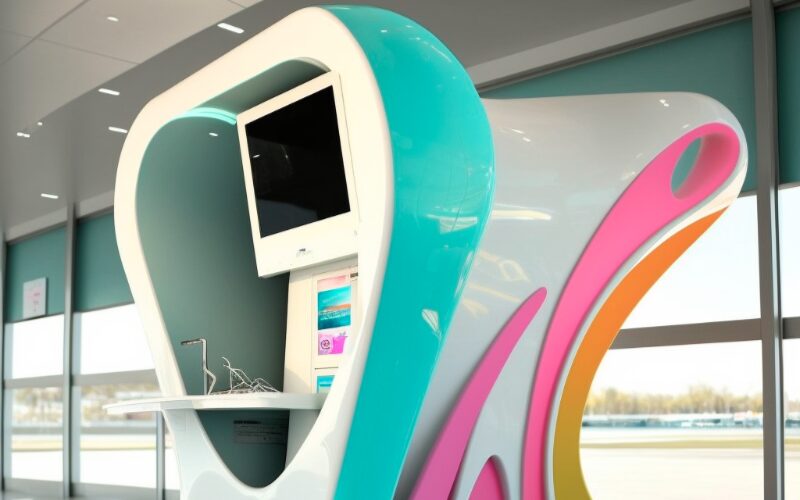
One of the most significant trends in the future of kiosk technology is the shift towards interactive and touchless solutions. The global pandemic has accelerated the demand for contactless interactions, and kiosks are no exception.
Future technology of kiosks will likely focus on enhancing user experience through voice recognition, gesture control, and mobile integration, reducing the need for physical touch. This shift not only makes kiosks more hygienic but also more accessible, allowing users to interact with these machines in new and intuitive ways.
Interactive kiosks are already making waves in retail, where customers can browse products, check prices, and even make purchases without the need for assistance. In restaurants, self-serve kiosks allow customers to place orders and customize their meals, enhancing the dining experience and improving order accuracy.
As touchless technology continues to develop, we can expect to see even more innovative applications in various sectors with the future of kiosk technology.
Integración de la Inteligencia Artificial y el Aprendizaje Automático
Artificial Intelligence (AI) and Machine Learning (ML) are set to enhance self-service kiosks. By incorporating AI in kiosks, they can offer personalized experiences, anticipate customer needs, and provide real-time solutions.
For instance, AI-driven kiosks in retail can recommend products based on customer preferences and purchase history, making the shopping experience more efficient and enjoyable.
Moreover, AI can help the future of kiosk technology learn and adapt to user behavior, offering more relevant information and services over time.
In healthcare, AI-powered kiosks can assist with patient check-ins, provide medical information, and even help diagnose minor ailments. This integration of AI and ML will make kiosks smarter and more responsive, transforming them from simple transaction points into intelligent service hubs.
Características de Seguridad Avanzadas
With the increasing reliance on kiosks for transactions and information, security is paramount. The future of kiosk technology will include advanced security features such as biometric authentication, facial recognition, and secure payment gateways. These technologies will not only enhance security but also build customer trust in using kiosks for sensitive transactions.
Biometric authentication, such as fingerprint and iris scanning, ensures that only authorized users can access certain features or make transactions.
Facial recognition can streamline the user experience by quickly identifying and logging in users without the need for passwords. Secure payment gateways protect sensitive financial information, making transactions safer for both customers and businesses.
Experiencia de Usuario Mejorada con Realidad Aumentada
Augmented Reality (AR) is another exciting trend in the future of kiosk technology. AR can transform self-serve kiosks into engaging platforms that provide immersive experiences.
For example, in the tourism industry, kiosks equipped with AR can offer virtual tours of attractions, helping visitors plan their trips more effectively.
In retail, AR-enabled kiosks can allow customers to visualize products in their homes before making a purchase. This can be particularly useful for furniture and home decor items, giving customers a better sense of how the products will look and fit in their space.
AR can also be used in education, where kiosks can provide interactive learning experiences, bringing subjects to life in a way that traditional methods cannot.
Expansión de los Quioscos de Autoservicio en Nuevas Industrias
While self-serve kiosks are already popular in retail and food services, their adoption is expanding into new industries. Atención médica, transportation, and education are sectors where kiosks can provide significant benefits.
In healthcare, kiosks can streamline patient check-ins and provide vital information, while in education, they can assist in campus navigation and information dissemination.
In transportation, self-serve kiosks can be used for ticketing, check-ins, and wayfinding, improving the overall travel experience. For instance, airports and train stations are increasingly using kiosks to help passengers navigate terminals, check flight or train statuses, and even book accommodations or rental cars. This expansion into new industries highlights the versatility and growing importance of self-serve kiosks.
Sostenibilidad y Eficiencia Energética
As environmental concerns grow, the future of kiosk technology will also focus on sustainability. Energy-efficient kiosks with eco-friendly materials and low power consumption are becoming more common. These advancements not only reduce the carbon footprint but also appeal to environmentally conscious consumers.
Sustainable kiosks can be powered by renewable energy sources, such as solar panels, reducing their reliance on traditional electricity grids. Additionally, using recyclable and biodegradable materials in kiosk construction helps minimize waste and environmental impact.
By adopting these green practices, businesses can not only contribute to environmental conservation but also enhance their brand image and appeal to eco-conscious customers.
Personalización y Flexibilidad
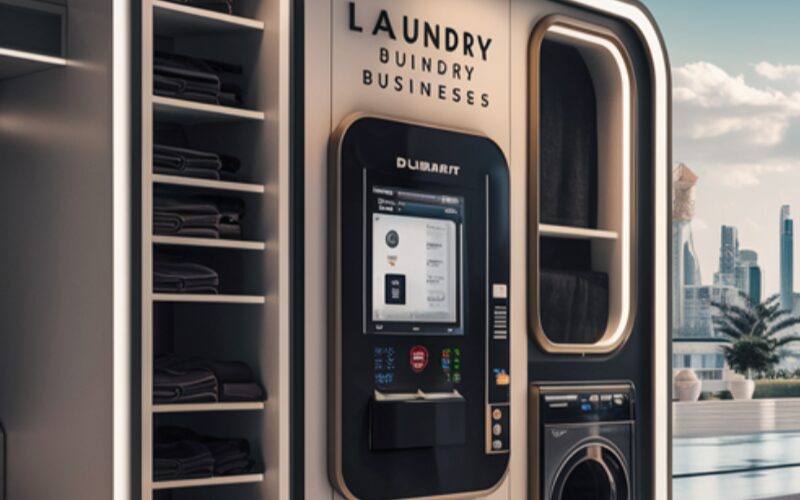
The future of kiosk technology lies in their ability to be highly customizable and flexible. Businesses can tailor kiosks to their specific needs, whether it’s for interactive marketing, customer service, or product information. This flexibility ensures that kiosks can adapt to various business models and customer preferences.
Customizable kiosks can be equipped with different software and hardware configurations to meet the unique requirements of different industries.
For example, a retail kiosk might prioritize features like gestión de inventario y procesamiento de pagos, mientras que un quiosco de salud podría centrarse en la recopilación de datos de pacientes y la programación de citas. Esta adaptabilidad convierte a los quioscos en un activo valioso para las empresas que buscan mejorar su servicio al cliente y eficiencia operativa.
El Futuro es Prometedor para la Tecnología de Quioscos
In conclusion, the future of kiosk technology is on the brink of significant advancements that will redefine how we interact with these devices. From touchless interactions and AI integration kiosks to enhanced security and AR experiences, the future of self-serving solutions is promising.
As these trends continue to develop, self-serve kiosks will become even more integral to our daily lives, offering convenience, efficiency, and enhanced user experiences.

Kitty Tan
Consultor Experto en Quioscos Personalizados
Kitty es una experta en quioscos en FlyXing. Con amplios conocimientos y experiencia en el diseño y fabricación de quioscos de autoservicio, Kitty se especializa en crear soluciones personalizadas para satisfacer diversas necesidades de la industria.


