




Dispensador de recetas
Tabla de Contenidos
Suscríbete a nuestro boletín
Acompáñanos mientras te guiamos a través de los detalles de lo que impulsa estos cambios de precio. Es más fácil de entender de lo que podrías pensar.
Resumen de las Máquinas de Quiosco
First, what is a kiosk machine? A kiosk machine is a special computer you can use on your own in public places. It’s like a big tablet that helps you do things without needing someone’s help. You can use these machines to get information, buy tickets, pay for things, or order food. They usually have a touch screen that you tap to use.
Second, how much does a kiosk cost? There are various factors that affect kiosk machine prices. It may depend on the kiosk machine uses, hardware, features, manufacturer, order volume, and more. Read further to learn more about how this blog can help your kiosk machine business!
Diferencias en la Configuración del Hardware que Afectan los Precios de las Máquinas de Quiosco
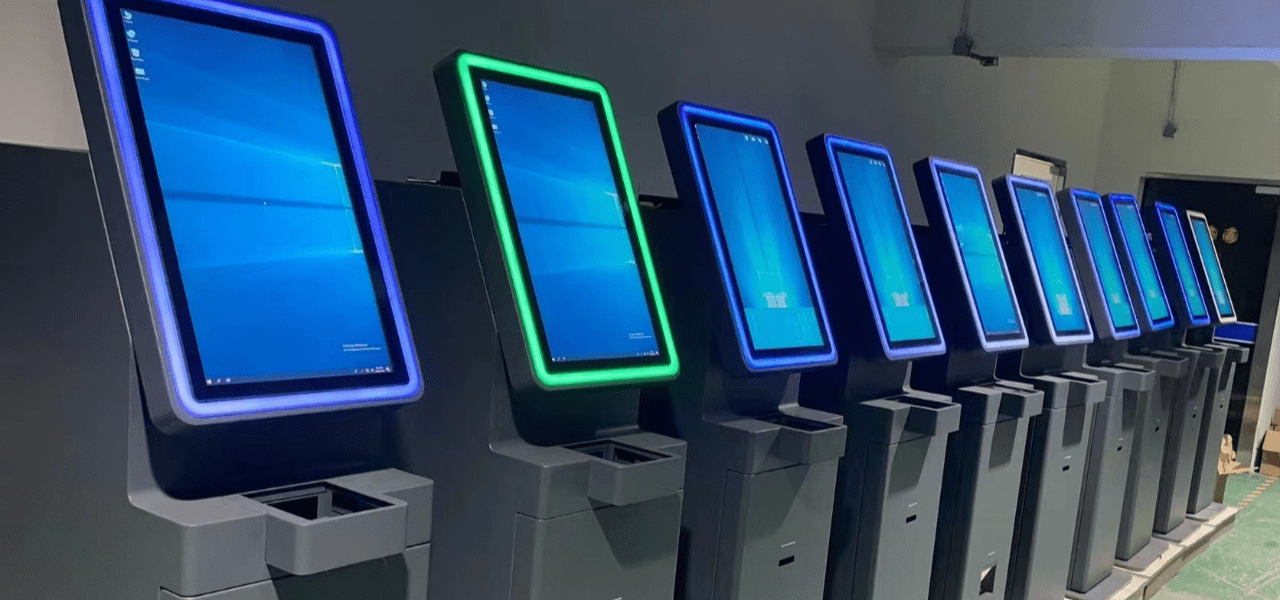
At BestKiosk, we see a lot of different needs for self-service kiosks. Some kiosks need to be super fast and handle lots of information quickly. That’s where the brain of the kiosk, like processors, comes into play.
Think of it as choosing between a sprinter or a marathon runner – both are athletes but built for different races.
Then there’s the display part – it’s like picking your TV size at home. Do you want something small and cozy or large and in charge? The screen sizes can range from compact ones perfect for tight spaces to big screens that grab everyone’s attention from across the room.
Plus, with touchscreens becoming more popular, having one that responds well to touch is key.
So when we talk about why kiosk machine prices vary so much, these hardware configurations – from their processors to their touchscreen displays – play a huge role. It all depends on what job you need your kiosk to do!
Tipos de Procesador
Elegir la processor for our kiosk machines is crucial. We have seen how Intel Core and AMD Ryzen processors affect both performance and price. A powerful processor makes a kiosk run faster and handle more tasks.
This keeps customers happy because they don’t like waiting. But, high-performance processors like the Intel Core i7 or AMD Ryzen 7 increase the cost of making a kiosk.
During our time creating custom kiosks, we learned that not all projects need top-of-the-line processors. For simple information points or self-checkout systems, an Intel Core i3 or AMD Ryzen 3 works well enough and saves money.
Deciding on which processor to use comes down to what the kiosk needs to do. If it’s running complex software or serving many users at once, investing in a better processor pays off in speed and reliability.
Pantallas de Visualización (por ejemplo, 10 pulgadas, 15 pulgadas, 21 pulgadas)
Moving on from processor types, the display screens play a crucial role in how we build and price our kiosks. Display sizes such as 10-inch, 15-inch, and 21-inch vary greatly in terms of the experience they offer and their cost implications.
Smaller displays like the 10-inch are more budget-friendly because they need less powerful hardware to run smoothly. These compact monitors are perfect for simple tasks and fit nicely in tight spaces.
On the other hand, larger screens like the 21-inch demand advanced hardware to support high-quality visuals and interactive features. They provide users with an immersive experience, suitable for detailed applications such as digital signage or complex self-service tasks in retail.
With bigger screens also come higher kiosk machine prices due to the sophisticated technology required to deliver crisp images and responsive touch-sensitive interactions. Each screen size caters to different needs, making it essential for us to consider what’s best for our target audience while keeping pricing competitive.
Almacenamiento y Tamaño de Memoria
We’ve seen firsthand how storage and memory size can make or break a kiosk’s performance. A machine with ample storage and RAM handles complex applications and large data effortlessly.
This is crucial for businesses aiming to provide quick, efficient service through their self-service kiosks. More often than not, we recommend opting for higher capacity to avoid lag and ensure smooth operations.
Elegir la storage and memory demands careful consideration of future needs. Skimping on these could mean facing slowdowns or costly upgrades down the line. Working closely with reputable manufacturers has taught us that investing wisely in these areas pays off by avoiding performance hitches, ensuring your digital kiosks meet both current and future demands efficiently.
Periféricos y características adicionales que afectan los precios de las máquinas de quiosco
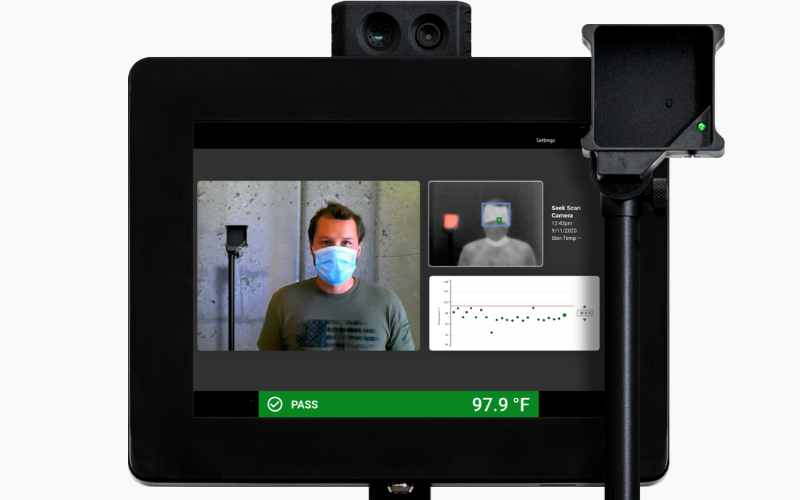
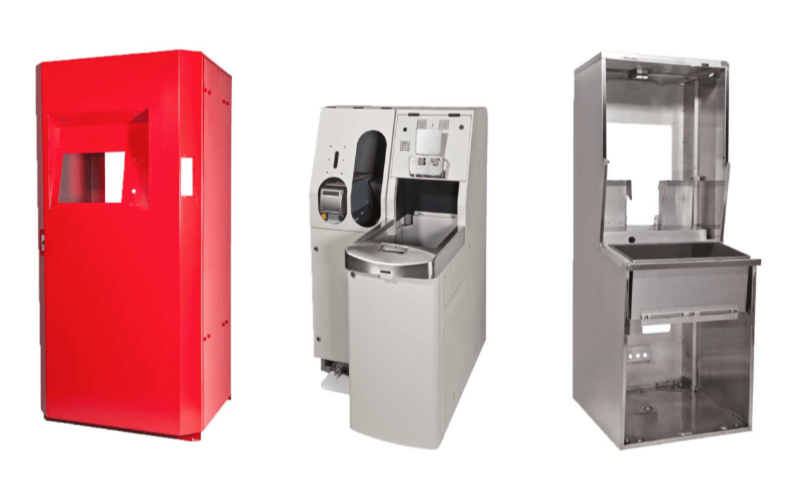
Los periféricos y las funciones adicionales permiten que los quioscos hagan más. Piensa en escáneres, dispositivos de pago sin contacto y otros complementos geniales: convierten los modelos básicos en superayudantes para los usuarios.
Impresoras, escáneres, lectores RFID, cámaras, etc.
Vemos mucha variación en los precios de las máquinas de quiosco, y una gran parte de eso proviene de los diferentes periféricos y características que ofrecen. Cada complemento, desde impresoras hasta cámaras, influye en el costo final.
- Las impresoras son cruciales para los quioscos que emiten recibos, boletos u otros materiales impresos. El tipo—térmica o de inyección de tinta—y la velocidad de impresión pueden afectar el precio. Las impresoras térmicas suelen ser más rápidas y no necesitan recambios de tinta, lo que las hace populares en entornos concurridos como el comercio minorista, aeropuertos y transporte.
- Los escáneres vienen en muchas formas, como lectores de códigos de barras para transacciones de autoservicio minorista, escáneres de documentos para quioscos de oficina y lectores de códigos QR para interacciones móviles. Los escáneres de alta resolución aumentan los costos pero son esenciales para la precisión al escanear diversos elementos.
- Los lectores RFID añaden funcionalidad sin contacto a los quioscos, permitiendo a los usuarios interactuar mediante tarjetas inteligentes o teléfonos inteligentes equipados con NFC. Esta tecnología es clave para un servicio rápido y experiencias de usuario mejoradas, pero eleva el precio de la máquina debido a sus capacidades avanzadas.
- Las cámaras permiten que las quioscos interactivos ofrezcan reconocimiento facial para un servicio personalizado o medidas de seguridad mejoradas. Las cámaras de alta definición con software de reconocimiento facial requieren más inversión, pero proporcionan servicios únicos que pueden justificar el mayor costo.
- Características personalizadas como el reconocimiento de huellas dactilares mejoran la seguridad y la identificación personal en puntos de servicio, desde la banca hasta los puntos de acceso a instalaciones seguras. Estos sistemas biométricos exigen una integración sofisticada de software y hardware, lo que conduce a un aumento en el precio mientras que supone un buen salto para la tecnología de quioscos bancarios.
Cada característica adicional aporta su propio valor a un quiosco de autoservicio, afectando el costo general dependiendo del nivel de tecnología y funcionalidad requerido por los usuarios finales. Elegir lo correcto se reduce a equilibrar las necesidades con las restricciones presupuestarias.
Características personalizadas (por ejemplo, reconocimiento de huellas dactilares, pago NFC)
Después de hablar sobre impresoras, escáneres y otras adiciones básicas, cambiemos a algo más especializado. Características personalizadas como el reconocimiento de huellas dactilares y pago NFC llevan los quioscos al siguiente nivel. Estas opciones proporcionan a los usuarios formas seguras y convenientes de interactuar con el dispositivo.
- El reconocimiento de huellas dactilares destaca por la seguridad. Utiliza las huellas dactilares únicas de una persona para permitir el acceso o aprobar transacciones. Esto es perfecto para situaciones donde la seguridad y el acceso personalizado son prioridades máximas. Muchos de nuestros clientes eligen esto para cabinas de información sensible o áreas de alta seguridad en sus negocios.
- El pago por Near Field Communication (NFC) permite transacciones sin contacto. Los usuarios simplemente acercan su smartphone o tarjeta de crédito al quiosco para realizar un pago. Esta tecnología se ha convertido en imprescindible en los espacios minoristas actuales, ofreciendo pagos rápidos y sin complicaciones.
- Combinar estas tecnologías mejora significativamente la experiencia del usuario. Imagina no tener que recordar un PIN o deslizar una tarjeta. Esa facilidad de uso es lo que atrae a las empresas a optar por estas características en sus estaciones de autoservicio.
- El impacto en el costo de integrar estas tecnologías varía según las necesidades del cliente. Por ejemplo, añadir tanto el escaneo de huellas dactilares como la capacidad NFC aumentará el precio en comparación con los modelos estándar sin ellas.
- Desde nuestra experiencia directa, hemos visto cómo estas características pueden transformar las operaciones para nuestros clientes—desde acelerar los tiempos de pago en entornos minoristas hasta garantizar el acceso seguro en ambientes corporativos.
Personalizar los quioscos con funciones avanzadas como escaneos de huellas dactilares y pagos NFC mejora la eficiencia y se adapta directamente a las expectativas cambiantes de los consumidores de interacciones de servicio rápidas y seguras—en última instancia, diferenciando su negocio en un mercado competitivo.
Diseño de Carcasas de Quioscos que Afecta los Precios de las Máquinas de Quioscos
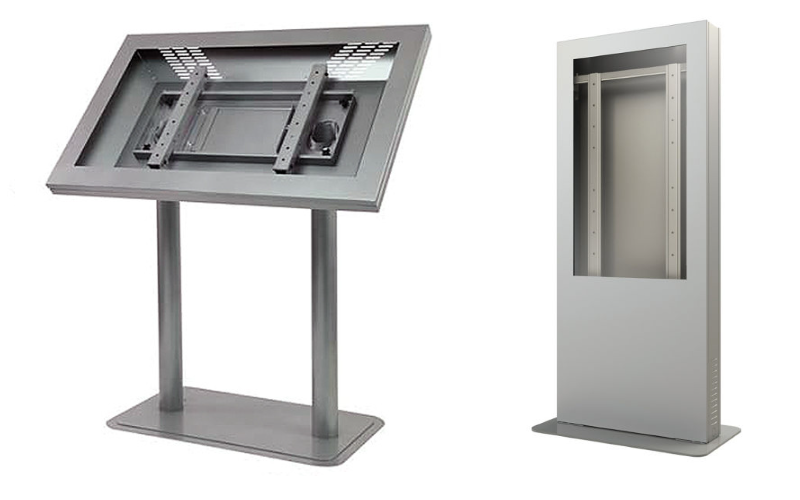
Las carcasas de los quioscos importan mucho, especialmente cuando se trata de los precios de las máquinas de quioscos. Vienen en diferentes formas y materiales.
Complejidad del Diseño
We know that the design complexity of self-service kiosks affects their prices. Simple designs cost less while intricate ones, with lots of custom features like fingerprint recognition or pago NFC, bump up the price.
Each kiosk needs to meet specific demands. Some must withstand outdoor weather, while others need to fit sleekly into high-end retail spaces.
Materials matter too. Durable metals for outdoor kiosks or lightweight plastics for indoor models each play a role in costs. Size and shape also add layers to the puzzle—larger touch screen displays and unique form factors require more resources.
Let’s not forget about where these kiosks will live. An airport kiosk has different needs than one in a fast-food chain, influencing design decisions right from the start.
Next up is how we choose materials like chapa metálica for building these enclosures…
Selección de Material de Chapa Metálica
Elegir la chapa metálica for kiosk enclosures makes a big difference. This choice affects durability, cost, and even the machine’s brand image. Sheet metal is popular because it’s strong, flexible, and doesn’t cost too much.
But not all chapa metálicas are the same. The thickness and quality can change how much a kiosk costs.
We use different grades of chapa metálica in our designs to match what our customers need. Some projects might need thicker metal for extra strength or special surface treatments to make them look great or last longer outdoors.
Each type has its price tag, so we always think carefully about which one fits best for each kiosk’s purpose without going over budget.
Tratamientos de Superficie
After picking the right chapa metálica for our kiosk enclosures, we pay close attention to how we finish their surfaces. This step is key in making sure our kiosks look great and can also stand up to wear and tear over time.
We often go for powder coating, anodizing, or painting—each with its own set of benefits.
Powder coating is a favorite because it gives our kiosks a tough finish that resists scratches and corrosion. It’s like giving them armor against daily use. Anodizing is another method we use, especially when we want to add some color with a sleek, metallic finish.
It works by adding a thick layer of oxide on the surface, making it really durable and resistant to rust. Painting is more than just applying color; it’s about protection too. From our experience, these treatments are crucial in improving both the look and lifespan of our products.
Every choice in surface treatment affects not just how the kiosk looks but how well it performs in different environments—from bustling retail spaces to outdoor uses where weather resistance becomes critical.
Plus, these treatments add value by keeping maintenance low and ensuring our kiosks stay looking new longer.
Ubicaciones de Fabricantes que Afectan los Precios de Máquinas de Quioscos: China vs Otros
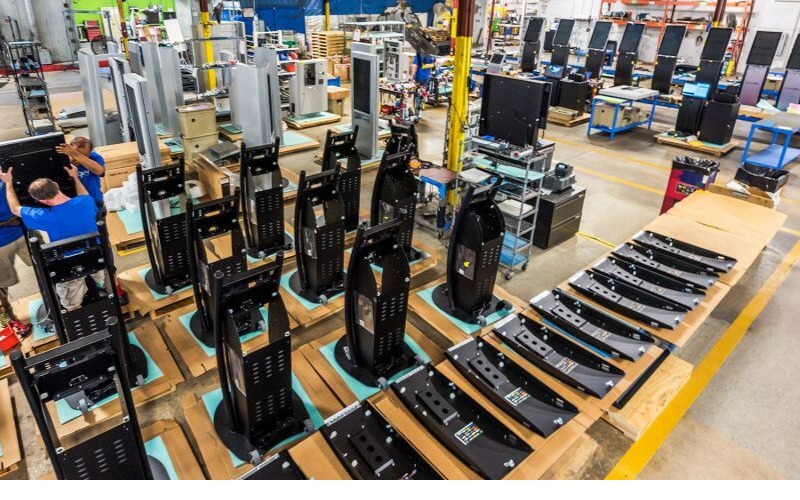
Explorando el impacto de las ubicaciones de fabricantes en los precios de máquinas de quioscos, hemos visto directamente en BestKiosk cómo la geografía juega un papel vital. Examinando las distinciones entre China y otros países, las diferencias se vuelven claras, tocando aspectos como costos laborales y de producción, que finalmente influyen en los puntos de precio.
| Factor | China | Otros |
|---|---|---|
| Costos Laborales y de Producción | Más bajos | Más altos |
| Impacto en los Precios de Máquinas de Quioscos | Más asequibles | Más caros |
| Percepción de Calidad | Varía | A menudo considerada más alta |
| Preferencia | Clientes sensibles al precio | Compradores enfocados en la calidad |
In our experience, working closely with various manufacturers, we’ve observed the tangible effects of these differences. Clients often weigh the trade-offs between cost and quality, with some opting for the more cost-effective options from China, while others prioritize durability and service, choosing manufacturers from other countries.
Moving beyond the simple cost comparison, it’s essential to consider the broader implications, such as after-sales support, customization capabilities, and the ease of communication with the manufacturer. These elements can greatly influence the total value derived from a kiosk machine investment.
Our journey in the kiosk industry has shown us that the decision isn’t always straightforward. The right choice depends on the unique needs and priorities of each business. As we transition to the next section, keep in mind the significance of order volume in shaping the pricing landscape.
El Volumen de Pedidos Afecta los Precios de las Máquinas de Quiosco
Moving from the impact of manufacturer locations on kiosk machine prices, we now focus on how the quantity of machines ordered plays a crucial role in determining cost. It’s interesting to see the economy of scale at work here—the more units you buy, the cheaper each one becomes.
Here’s a quick overview in a table format to lay out how order volume affects kiosk machine prices:
| Volumen de Pedidos | Impacto en los Precios de Máquinas de Quioscos |
|---|---|
| Pedidos Pequeños | Precios más altos por unidad, menos margen para la negociación. |
| Pedidos Medianos | Precios moderados con algunas posibilidades de negociación. |
| Pedidos Grandes | Precios más bajos por unidad, importante poder de negociación. |
Manufacturers offer discounts for bulk purchases. This is because producing more units at once lowers their costs. They spend less on materials and making each machine. They also save on shipping and handling when sending out big orders. These savings get passed down to you.
Also, if you buy more, you can talk better deals with manufacturers. They are often willing to lower prices to secure a large sale. This is true for kiosk machines too.
Order volume also affects how companies support and service your machines after the sale. With a large order, you might get better service terms. Companies value big customers and work hard to keep them happy.
So, when planning to purchase kiosk machines, consider buying in bulk. It’s a smart move that can save you money and offer other perks.
El Servicio y Soporte Postventa que Afectan los Precios de las Máquinas de Quiosco
We at BestKiosk know how crucial after-sales service and support are. It’s not just about buying a kiosk. It’s about the journey you have with it afterward. Good support can make all the difference when something goes wrong, or when you need help troubleshooting your self-service kiosk.
We’ve seen firsthand how businesses depend on reliable technical support, warranty periods that protect their investment, and regular software updates to keep things running smoothly.
Our team prides itself on offering some of the best maintenance services in the industry. Whether it’s fixing printers or ensuring your POS systems integrate flawlessly with newer technology like facial recognition, we’re here for our clients long after the sale is done.
Reputable providers will always ensure their customers have easy access to assistance—whether through online portals or quick response teams—because we understand that effective after-sales service impacts how well your kiosks serve your needs over time.
Conclusión: ¿Qué Hay Detrás de las Diferencias en los Precios de las Máquinas de Quiosco?
So many things make kiosk machine prices go up or down. It’s all about what you want in your machine—like the brain of the computer, how big the screen is, or even special features like scanning codes and making payments without touching anything.
Then there’s the look and material of the housing that holds everything together. Where it’s made matters too since labor costs change from place to place.
Big orders usually mean lower kiosk machine prices per machine, which helps businesses a lot. But don’t forget, what happens after you buy is key too; support and fixes add to the cost over time.
Also, where you are in the world can make a difference because of different rules or shipping costs.
We see how choosing one with just what you need can save money while still meeting your business needs. All these factors mix together to set each price tag—it’s more art than science.

Kitty Tan
Consultor Experto en Quioscos Personalizados
Kitty es una experta en quioscos en FlyXing. Con amplios conocimientos y experiencia en el diseño y fabricación de quioscos de autoservicio, Kitty se especializa en crear soluciones personalizadas para satisfacer diversas necesidades de la industria.


