


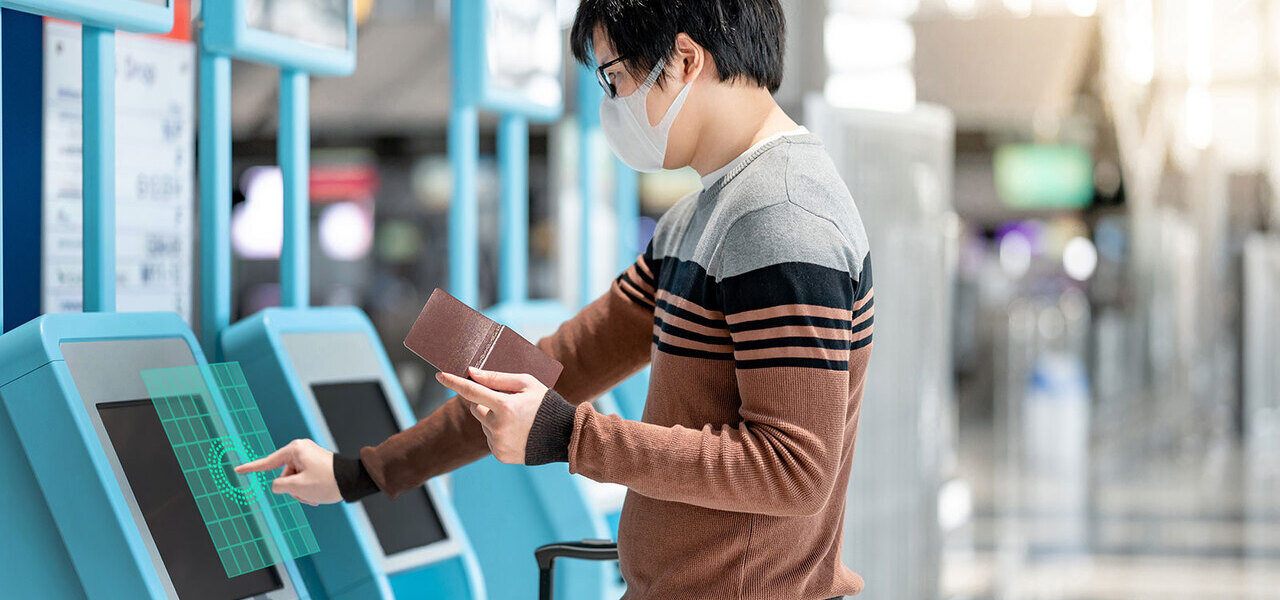


Dispensador de recetas
Tabla de Contenidos
Suscríbete a nuestro boletín
La tecnología de sensores de proximidad para quioscos está ganando popularidad en diversas industrias. Los quioscos con sensores de proximidad pueden alertar al equipo de seguridad en caso de actividad inusual.
¿Qué son los Sensores de Proximidad en Quioscos?
Proximity sensors are small devices that detect the presence or movement of nearby objects without needing physical contact.
These sensors transmit data using a light beam, electromagnetic fields, or infrared light, producing an electrical signal. They are also known as proximity switches.
Kiosk proximity sensors have various functions, such as keeping the screen on and off. They can also detect when someone is interacting with the kiosk.
Proximity sensors can enhance hygiene by allowing contactless interactions such as hand gestures triggering actions. We have different types of proximity sensors that are ideal for various applications.
Infrared sensors use invisible infrared light to detect people or objects. The IR light bounces back to the sensor when a person approaches.
The sensors trigger specific actions like activating the kiosk screens. Infrared sensors are reliable and work well in most environments.
Ultrasonic sensors emit sound waves that are unsuitable for human ears. These sensors are ideal for detecting objects or people from a distance and are standard in information or vending kiosks.
Capacitive sensors detect changes in the electrical field around them. The sensor can notice changes and trigger an action when someone approaches the kiosk. They are ideal for kiosks with touchless features as they can detect hand gestures or touches.
Cómo los Sensores de Proximidad Mejoran los Quioscos

A proximity sensor can “wake up” the kiosk when someone gets close. Usually, kiosks keep their screens off or in low-power mode to save energy.
When the sensor senses movement nearby, it turns on the screen, creating a welcoming experience for users. The kiosk can greet the user or display helpful information.
The proximity sensor application allows kiosks to save energy by automatically switching between sleep and wake modes.
The kiosk goes into “sleep” mode and the screen turns off, and unnecessary functions shut down, reducing electricity use. When the proximity sensor detects someone approaching, it instantly “wakes up”, turning the screen back on.
Users simply have to move closer to the kiosk or wave their hands to trigger actions. Proximity sensors improve kiosks by allowing touchless interaction, making them easier to use and hygienic.
Users don’t have to touch the screen or press buttons. Proximity sensors are essential for kiosks in public places as they reduce the need for physical contact.
Dónde se utilizan los sensores de proximidad en los quioscos
Los sensores de proximidad pueden detectar cuando alguien está cerca, proporcionando interacción sin contacto y mejorando la seguridad. Estos sensores crean una mejor experiencia de usuario en varias aplicaciones de quioscos.
Quioscos de venta minorista y pago
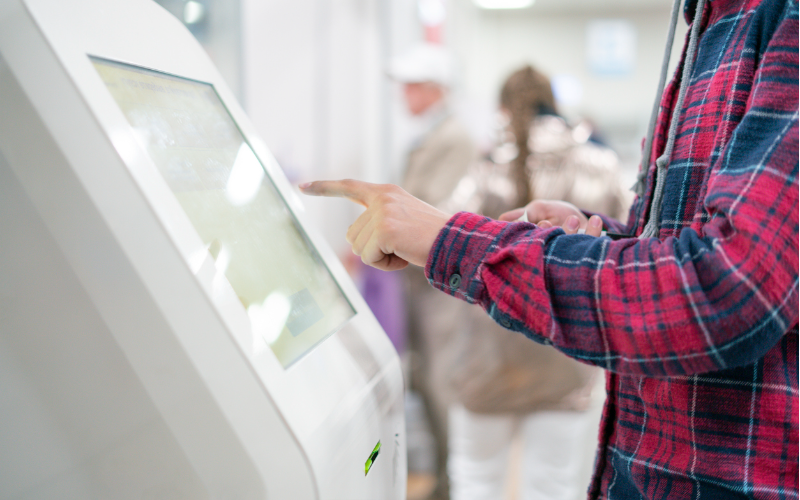
Proximity sensors detect when a customer approaches the retail or payment kiosk, automatically activating the screen or user interface.
By enabling touchless navigation, customers only have to wave their hands or move closer, reducing the need for physical contact.
Proximity sensors can detect unauthorized or suspicious movements near the kiosk, triggering an alert or locking the kiosk. It enhances security while protecting sensitive customer data and payment transactions.
Minorista kiosks can use proximity sensors to display promotions or tailored ads for nearby customers. It will grab their attention and often boost sales. Proximity sensors can also monitor customer flow, allowing you to know the ideal service times.
Quioscos de información y exhibición en museos
The proximity sensor application enhances efficiency and improves user experience in information and museum display kiosks.
Sensors can detect visitors approaching, triggering the screen or interactive content to turn on. It helps save energy when no one is using the kiosk and creates an engaging experience when visitors approach.
Sensors can make exhibits more dynamic in museums. When a visitor moves closer to an exhibit, the sensors can automatically display videos, information, or animations, offering a more personalized learning experience.
In high-traffic museums or public information kiosks, sensors are useful for touchless interaction. Proximity sensors help monitor how visitors interact with the kiosks. Museos or organizations can then plan their layouts and improve visitor experience.
Quioscos de Salud y Seguridad en Áreas Públicas
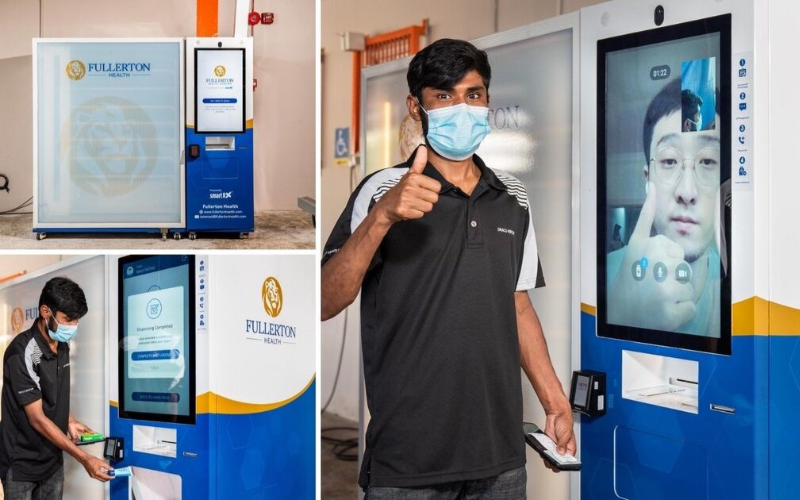
Proximity sensors allow touch-free interactions without any physical contact, reducing the spread of germs in high-traffic areas. Users can sanitize their hands, access health and safety information, and complete check-ins.
The sensors detect when someone approaches the kiosk and activities features like health questionnaires, temperature scanning, or symptom checks.
Proximity sensors can dispense sanitizers when users place their hands near the kiosk. Alternatively, sensors can display customized safety messages or real-time health guidelines.
Some safety kiosks have sensors that detect unusual movement, triggering alarms and notifying the authorities of fast action.
In crowded areas, they help manage queues by detecting user presence and guiding them to available kiosks.
Nueva Tecnología en Sensores de Proximidad
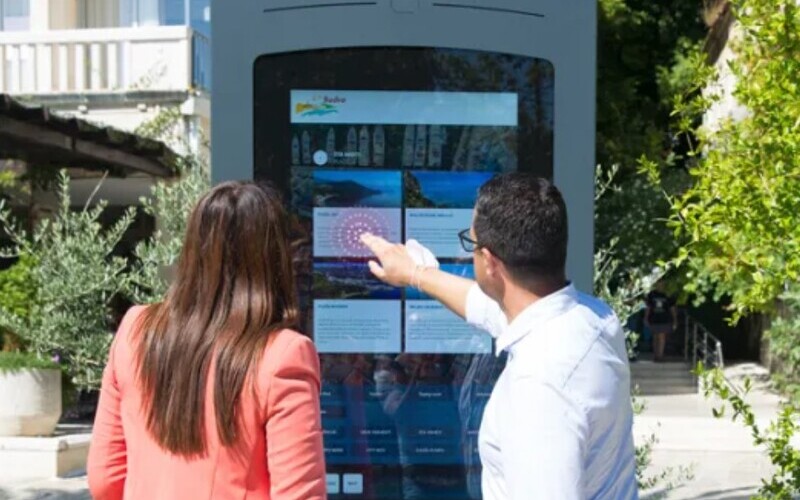
Conectar un sensor de proximidad a la Internet de las Cosas (IoT) allows it to send real-time data to a central system. You can monitor the sensor remotely and know if it isn’t working.
Sensors can receive software updates through IoT, ensuring they stay up-to-date without needing manual changes.
A combination of ultrasonic and infrared sensors in proximity sensors helps to improve the accuracy and performance of kiosks.
Ultrasonic sensors are great at detecting people at longer ranges. Infrared sensors are faster and can detect people closer to the kiosk.
Proximity sensors have different sensor types that improve accuracy and reliability. These systems use multiple sensors and each type has its strengths.
Multiple sensors complement each other and reduce errors and false detections.
Beneficios de la Tecnología Avanzada de Sensores de Proximidad
Los sensores avanzados mejoran la experiencia del usuario con tiempos de respuesta más rápidos e interacciones sin contacto. También ahorran energía activándose solo cuando un usuario está cerca y mejoran la seguridad.
Mejor Eficiencia
Advanced proximity sensors only activate devices when someone is nearby, reducing energy use. The sensors can detect movement or objects quickly, ensuring devices are ready to use without delay.
Making the systems more accurate and responsive boosts productivity and saves resources.
Advanced sensors have better accuracy, avoiding false detections, and improving the system’s reliability. These sensors can also detect issues early and send alerts, reducing downtime and making maintenance easier.
Seguridad Mejorada
Advanced proximity sensors can identify when a person gets too close to a restricted area or tamper with a device.
In a payment kiosk, the sensors can trigger an alarm or lock the system to stop unauthorized access. Alternatively, sensors can send alerts to security teams, protecting against theft.
Proximity sensors can monitor foot traffic in public places to prevent crowding or unsafe situations. If they sense something like equipment misuse or forced entry, they can send notifications to security systems.
Costos de Mantenimiento Reducidos
Advanced proximity sensors can detect issues like wear and tear or unusual activity. It allows for quick fixes before the problem becomes a significant problem, preventing expensive repairs.
There is less physical wear as the kiosk screen stays off when no one is nearby and only activates when in use.
Advanced sensors are accurate and reliable, which means fewer false triggers or errors that could damage the system or require service.
Technicians can check and solve issues remotely, as the sensors can send alerts if something goes wrong. Eventually, kiosk owners will have lower maintenance costs.
Conclusión
Proximity sensor technology saves energy, improves security, and enables touchless interactions. Advanced features, such as IoT connectivity and multi-sensor systems, enhance the performance of kiosks in various industries, creating a better user experience.
At BestKiosk, nos especializamos en instalar tecnología de sensores de proximidad en quioscos. Permítanos proporcionar un presupuesto personalizado gratuito diseñado para satisfacer sus necesidades únicas. ¡Contáctenos hoy para descubrir cómo podemos apoyar su visión y mejorar su experiencia con quioscos!

Kitty Tan
Consultor Experto en Quioscos Personalizados
Kitty es una experta en quioscos en FlyXing. Con amplios conocimientos y experiencia en el diseño y fabricación de quioscos de autoservicio, Kitty se especializa en crear soluciones personalizadas para satisfacer diversas necesidades de la industria.


