


Dispensador de recetas
Tabla de Contenidos
Suscríbete a nuestro boletín
¿Listo para descubrir qué opción podría funcionar mejor para ti?
Beneficios de los Kioscos de Autoservicio
Los kioscos de autoservicio han cambiado las reglas del juego para restaurantes y tiendas minoristas. Verás que estos sistemas digitales impulsan tu negocio mediante un servicio más rápido y mejores datos de clientes.
Transacciones Más Rápidas
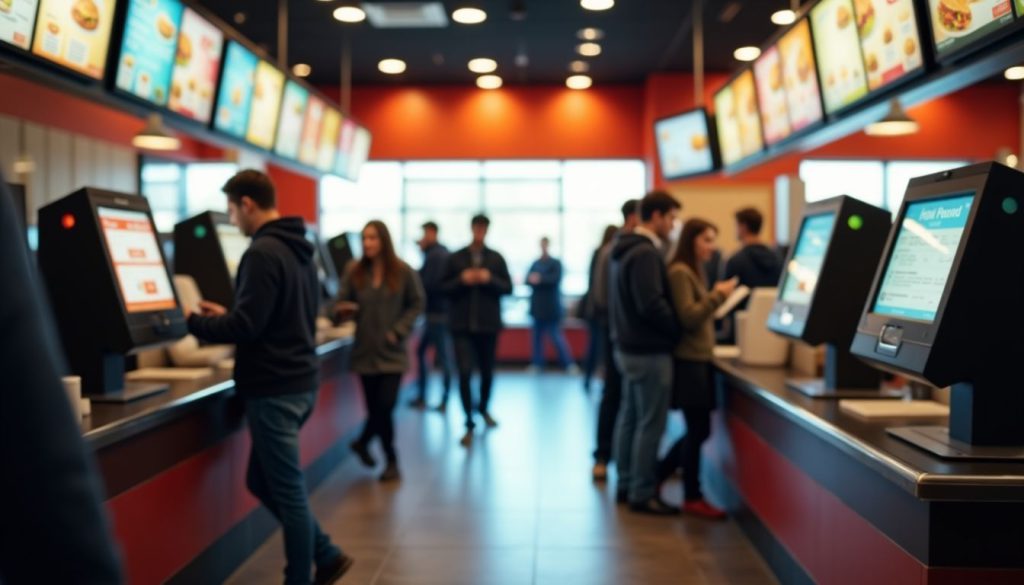
La velocidad importa en la caja. Los kioscos de autoservicio reducen los tiempos de espera en un 40%, haciendo que todo tu proceso de pedido quicker. You’ll notice the difference right away, as 71% of kiosk users point to speed as the main reason they choose this option.
These digital assistants handle payment processing faster than human cashiers, letting you get your food and be on your way. The numbers don’t lie; kiosks simply process orders more quickly than their human counterparts, with only 45% of cashier fans citing speed as a benefit.
Kiosks really shine during busy periods. You’ve likely seen the difference yourself, lines move faster with multiple kiosks working at once. Most customers (75%) prefer using kiosks once lines grow beyond five people.
This rapid order processing means you spend less time waiting and more time enjoying your meal. The streamlined payment system eliminates small talk and reduces human error, creating a quick service technology experience that keeps customers happy.
Mayores Oportunidades de Ingresos
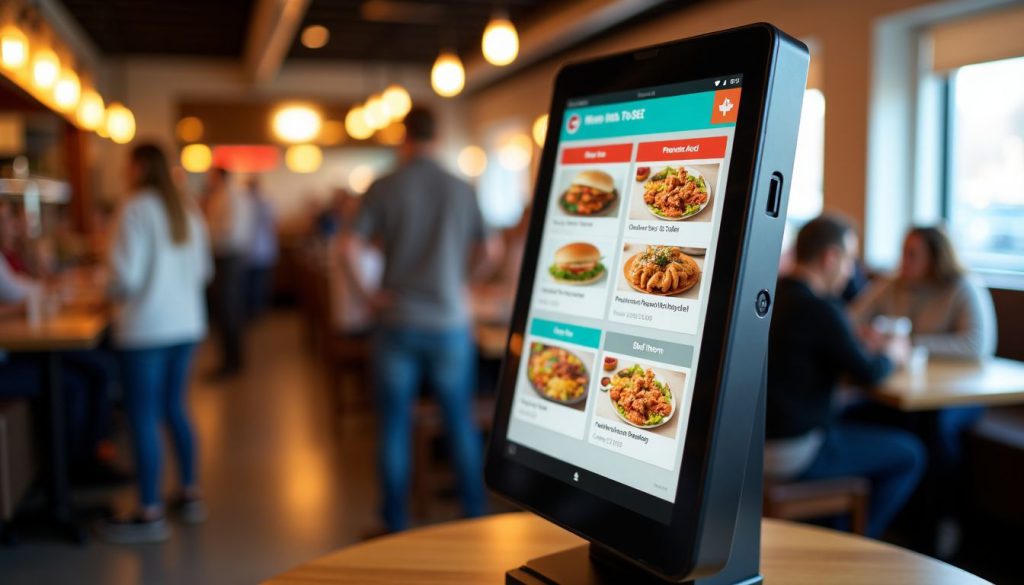
Self-ordering kiosks boost your bottom line in clear, measurable ways. Customers spend 20% more at kiosks than with traditional cashiers. This happens because digital screens show all menu options with enticing photos that prompt extra purchases.
Your kiosks can display targeted upsell prompts at just the right moment, increasing order values by 20-30%. These smart suggestions might include premium add-ons, side items, or limited-time offers that many customers wouldn’t know to ask for otherwise.
Major restaurant chains have already proven that kiosks drive profits through improved efficiency. Your staff can focus on food preparation and customer service rather than taking orders.
The mercado global de cajas de autoservicio alcanzará los 30 mil millones de dólares para 2026 a medida que más empresas reconozcan estos beneficios de ingresos. Las cajas funcionan las 24 horas sin descansos, creando más oportunidades para capturar ventas durante los períodos de mayor afluencia cuando las colas de cajeros podrían ahuyentar a los clientes.
Mayor Comodidad para el Cliente
You’ll love how self-ordering kiosks put you in control of your dining experience. These smart machines cut your wait time by nearly 40%, letting you order at your own pace without feeling rushed.
No more standing in long lines that’s why 91% of customers pick kiosks when faced with crowds. The detailed menu displays help you make better choices about what to eat, showing all ingredients and options clearly.
Kiosks offer payment options that fit your needs, credit cards, mobile payments, or gift cards. This flexibility means you pay how you want, not just how the cashier can process it.
Your order goes straight to the kitchen too, reducing errors that happen during busy times. The touch screens are easy to use, with pictures and descriptions that make ordering quick and simple for everyone.
Ventajas de los Cajeros Tradicionales

El toque humano de los cajeros tradicionales crea una conexión personal que muchos clientes valoran. Usted podría preferir hablar con una persona real que pueda manejar solicitudes especiales y resolver problemas en el acto.
Servicio al Cliente Personalizado

Traditional cashiers offer you a human touch that machines can’t match. You receive personalized recommendations based on your needs and preferences during face-to-face interactions.
Research shows 52% of consumers still prefer ordering through a cashier rather than a kiosk. This personal connection creates a more satisfying shopping experience where staff can answer questions and solve problems on the spot.
Cashiers excel at reading your emotions and adjusting their service style to match your mood. For older shoppers, this matters even more because 62% of consumers aged 55 and older prefer human cashiers.
Beyond just processing your order, cashiers create jobs that support local communities. This human element builds loyalty as customers form relationships with staff who remember their regular orders and preferences.
Manejo más fácil de pedidos personalizados
Traditional cashiers excel at handling special requests with ease. You can ask for extra sauce, no onions, or half-portions directly to a person who understands your needs. At BestKiosk, I’ve seen customers feel more at ease when explaining their dietary restrictions or preferences face-to-face.
This direct interaction creates a comfort zone where you don’t have to figure out how to input complex orders on a screen. Cashiers can quickly note down your customized requests without the limitations of preset menu options that kiosks often have.
Your personalized orders get special attention from cashiers who can clarify details on the spot. If you need your sandwich cut in quarters or want light ice in your drink, a cashier processes these requests without confusion.
The human touch makes customized service possible for even the most detailed orders. This personal connection often results in more accurate custom orders since cashiers can ask follow-up questions to make sure they get your special requests just right.
Reducción de la dependencia de la tecnología
Many shoppers still value human contact at checkout. A striking 52% of consumers prefer ordering through traditional cashiers rather than using self-service options. This preference shows up clearly in fast-food settings, where 24% would pick restaurants with human cashiers over kiosk-only locations.
You might notice this trend matches broader shopping habits too; an amazing 98% of people still prefer in-store grocery shopping with real people. The numbers don’t lie as plenty of customers want less tech and more human touch in their shopping trips.
Human cashiers offer a break from our screen-filled lives. They can solve problems that machines often can’t handle. For example, if you need to make special requests or have questions about products, a person can help right away without frustrating menu searches.
This human element creates comfort for many shoppers who feel overwhelmed by digital options everywhere else. Your choice between kiosks and cashiers often reflects how much tech you want in your daily routine and many people clearly want a balance.
Desafíos de los quioscos de autopedido
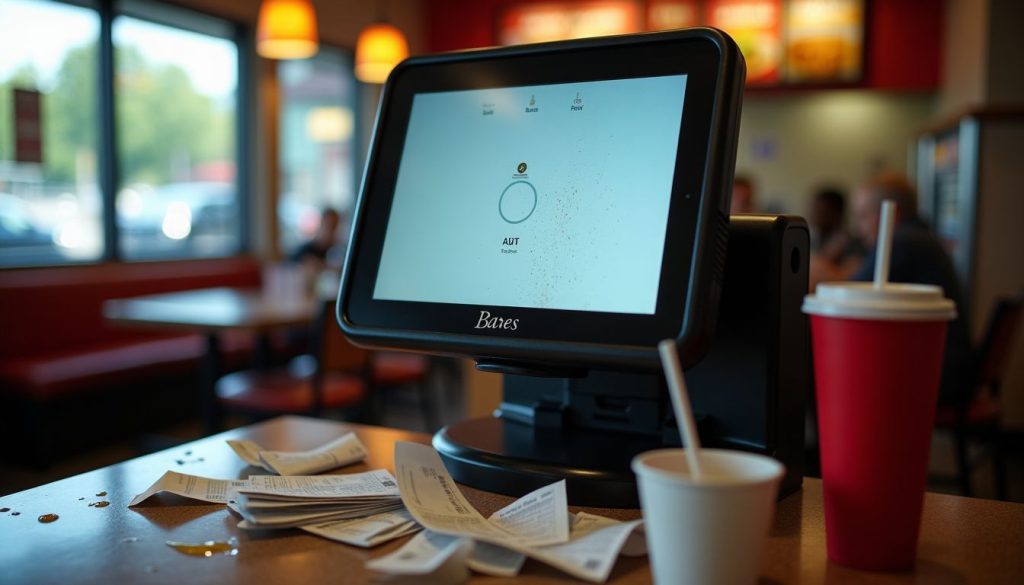
Los quioscos de autopedido enfrentan desafíos reales que podrían hacerte pensarlo dos veces antes de usarlos. Sigue leyendo para saber por qué pueden no ser siempre la mejor opción para tu negocio.
Altos costos de implementación
Self-ordering kiosks require a hefty upfront investment that can strain your budget. Each unit costs between $3,000 and $5,000, creating a major capital outlay for businesses planning multiple installations.
These expenses don’t stop after purchase either. You’ll face ongoing operational costs for software updates, technical support, and equipment repairs when systems malfunction.
Technical issues present another financial challenge for kiosk owners. Unexpected glitches can frustrate customers and hurt your reputation. The total investment expenses include not just the hardware but also staff training and possible store redesigns to accommodate these machines.
Your business must carefully weigh these implementation costs against potential long-term savings before making the switch.
Posible frustración del cliente
Technical issues with self-ordering kiosks create major headaches for your customers. Screens freeze, payment systems fail, and order customizations disappear, leaving hungry patrons angry and staff scrambling to fix problems.
You might notice these glitches happen most during peak hours when lines grow longer and patience wears thin. Our team at BestKiosk has seen these frustrations firsthand while testing kiosk systems in busy restaurants where even small delays caused customers to abandon their orders completely.
Age plays a significant role in kiosk acceptance too. Data shows 62% of consumers aged 55 and older prefer human cashiers over digital interfaces. Many older customers feel rushed or confused by touchscreen menus with small text and complex navigation paths.
You need to consider this digital divide when planning your ordering system strategy. Less tech-savvy guests often need extra help, which defeats the purpose of self-service if staff must constantly assist with basic functions like finding menu items or completing payment steps.
Desafíos de los Cajeros Tradicionales

Los cajeros tradicionales enfrentan costos laborales más altos y tiempos de transacción más lentos en comparación con las alternativas digitales. Siga leyendo para conocer cómo estos desafíos impactan su negocio y la satisfacción del cliente.
Costos Laborales Más Altos
Staffing a traditional checkout system requires more employees than self-service kiosks. You pay not just for hourly wages but also benefits, training, and scheduling costs. These elevated labor expenses add up quickly as many restaurants report spending 30-35% of their budget on staff.
The math is simple: more cashiers equal greater workforce costs. While one kiosk needs a large upfront payment, it doesn’t call in sick or request raises. Your conventional cashier challenges include managing these increased staffing overhead issues year after year.
Most businesses find traditional cashier budget constraints become more noticeable as minimum wage rates rise across the country.
Tiempos de Transacción Más Lentos
Traditional cashiers often create bottlenecks at registers during busy hours. Your customers might tap their feet while waiting in long lines as each transaction takes extra minutes to complete.
These delays happen because human cashiers need time to greet customers, input orders manually, and process payments. Order accuracy suffers too because a rushed cashier might mishear your customer’s special request during peak times.
This miscommunication leads to mistakes that require fixing, adding more delays to an already slow process. The inefficiency at checkout becomes most obvious when comparing side-by-side with self-service options that can process multiple orders simultaneously.
Reflexiones Finales Sobre Kioscos de Autopedido vs Cajeros Tradicionales
Both kiosks and cashiers offer clear benefits for your business. Kiosks shine with faster service and increased sales, while human cashiers excel at personal connections and handling complex orders.
Your best choice depends on your specific restaurant needs, customer base, and budget limits. Many successful businesses now use a mix of both systems, letting customers pick their preferred ordering method.
This balanced approach keeps tech-savvy guests happy while still serving those who value human interaction.
Preguntas Frecuentes
1. ¿Cuáles son los principales beneficios de los kioscos de autopedido en comparación con los cajeros tradicionales?
Los kioscos de autopedido reducen los tiempos de espera y disminuyen los costos laborales para las empresas. También permiten a los clientes explorar los elementos del menú a su propio ritmo sin sentirse apurados. Estas máquinas pueden operar 24/7 sin descansos ni días de enfermedad.
2. ¿Realmente ahorran dinero los kioscos a los restaurantes?
Sí, los kioscos ahorran dinero reduciendo las necesidades de personal y los errores humanos. Un solo kiosco puede manejar el trabajo de múltiples cajeros sin nunca ausentarse por enfermedad.
3. ¿Son mejores los cajeros tradicionales para el servicio al cliente?
Los cajeros tradicionales ofrecen un toque humano que las máquinas no pueden igualar. Pueden responder preguntas complejas, hacer recomendaciones personales y ayudar a clientes con necesidades especiales. Este elemento humano sigue siendo valioso para muchos compradores.
4. ¿Pueden los clientes mayores usar fácilmente los kioscos de autopedido?
Muchos clientes mayores se adaptan bien a los quioscos con instrucciones claras y texto grande. La curva de aprendizaje no es tan pronunciada como la gente piensa. Aún así, tener personal cerca para ayudar a los usuarios primerizos crea una experiencia más fluida para todos.

Kitty Tan
Consultor Experto en Quioscos Personalizados
Kitty es una experta en quioscos en FlyXing. Con amplios conocimientos y experiencia en el diseño y fabricación de quioscos de autoservicio, Kitty se especializa en crear soluciones personalizadas para satisfacer diversas necesidades de la industria.


