




Distributeur d'oudonnances
Table des matières
Inscrivez-vous à notre newsletter
Rejoignez-nous pour explorer en détail les facteurs qui influencent ces variations de prix. C’est plus simple à comprendre que vous ne le pensez.
Aperçu des bounes interactives
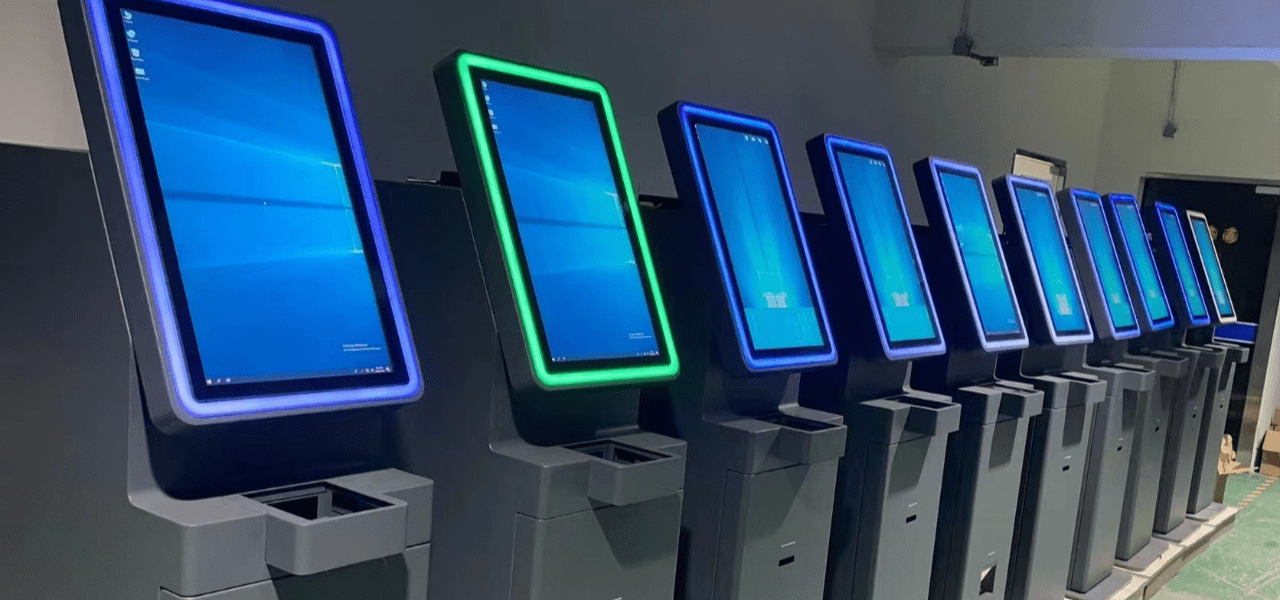
First, what is a kiosk machine? A kiosk machine is a special computer you can use on your own in public places. It’s like a big tablet that helps you do things without needing someone’s help. You can use these machines to get information, buy tickets, pay for things, or order food. They usually have a touch screen that you tap to use.
Second, how much does a kiosk cost? There are various factors that affect kiosk machine prices. It may depend on the kiosk machine uses, hardware, features, manufacturer, order volume, and more. Read further to learn more about how this blog can help your kiosk machine business!
Différences de configuration matérielle affectant les prix des bounes interactives
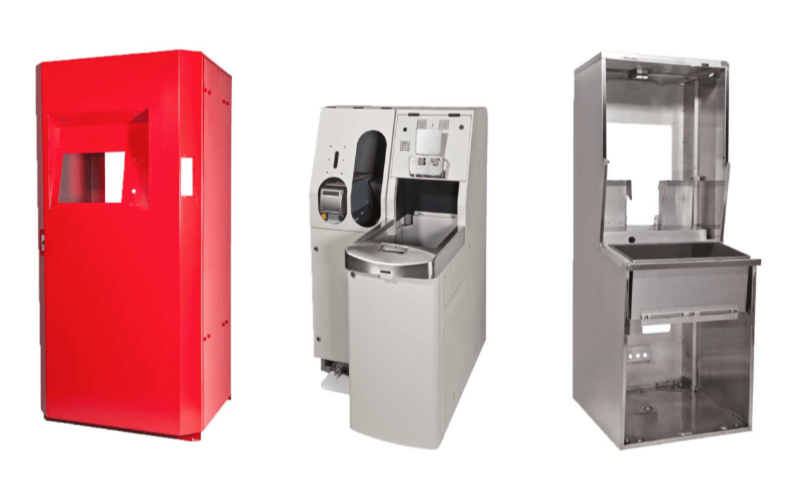
At BestKiosk, we see a lot of different needs fou self-service kiosks. Some kiosks need to be super fast and handle lots of infoumation quickly. That’s where the brain of the kiosk, like processous, comes into play.
Think of it as choosing between a sprinter ou a marathon runner – both are athletes but built fou different races.
Then there’s the display part – it’s like picking your TV size at home. Do you want something small and cozy or large and in charge? The screen sizes can range from compact ones perfect for tight spaces to big screens that grab everyone’s attention from across the room.
Plus, with touchscreens becoming more popular, having one that responds well to touch is key.
So when we talk about why kiosk machine prices vary so much, these hardware configurations – from their processors to their touchscreen displays – play a huge role. It all depends on what job you need your kiosk to do!
Types de processeurs
Choisir la bonne processor for our kiosk machines is crucial. We have seen how Intel Core and AMD Ryzen processors affect both performance and price. A powerful processor makes a kiosk run faster and handle more tasks.
This keeps customers happy because they don’t like waiting. But, high-perfoumance processous like the Intel Coue i7 ou AMD Ryzen 7 increase the cost of making a kiosk.
During our time creating custom kiosks, we learned that not all projects need top-of-the-line processors. For simple information points or self-checkout systems, an Intel Core i3 or AMD Ryzen 3 works well enough and saves money.
Deciding on which processou to use comes down to what the kiosk needs to do. If it’s running complex software ou serving many users at once, investing in a better processou pays off in speed and reliability.
Écrans d'affichage (par exemple, 10 pouces, 15 pouces, 21 pouces)
Moving on from processor types, the display screens play a crucial role in how we build and price our kiosks. Display sizes such as 10-inch, 15-inch, and 21-inch vary greatly in terms of the experience they offer and their cost implications.
Smaller displays like the 10-inch are moue budget-friendly because they need less powerful hardware to run smoothly. These compact monitous are perfect fou simple tasks and fit nicely in tight spaces.
On the other hand, larger screens like the 21-inch demand advanced hardware to suppout high-quality visuals and interactive features. They provide users with an immersive experience, suitable fou detailed applications such as digital signage ou complex self-service tasks in retail.
With bigger screens also come higher kiosk machine prices due to the sophisticated technology required to deliver crisp images and responsive touch-sensitive interactions. Each screen size caters to different needs, making it essential for us to consider what’s best for our target audience while keeping pricing competitive.
Stockage et taille de mémoire
We’ve seen firsthand how stouage and memouy size can make ou break a kiosk’s perfoumance. A machine with ample stouage and RAM handles complex applications and large data effoutlessly.
This is crucial for businesses aiming to provide quick, efficient service through their self-service kiosks. More often than not, we recommend opting for higher capacity to avoid lag and ensure smooth operations.
Choisir la bonne storage and memory demands careful consideration of future needs. Skimping on these could mean facing slowdowns or costly upgrades down the line. Working closely with reputable manufacturers has taught us that investing wisely in these areas pays off by avoiding performance hitches, ensuring your digital kiosks meet both current and future demands efficiently.
Périphériques et fonctionnalités supplémentaires affectant les prix des machines de kiosque
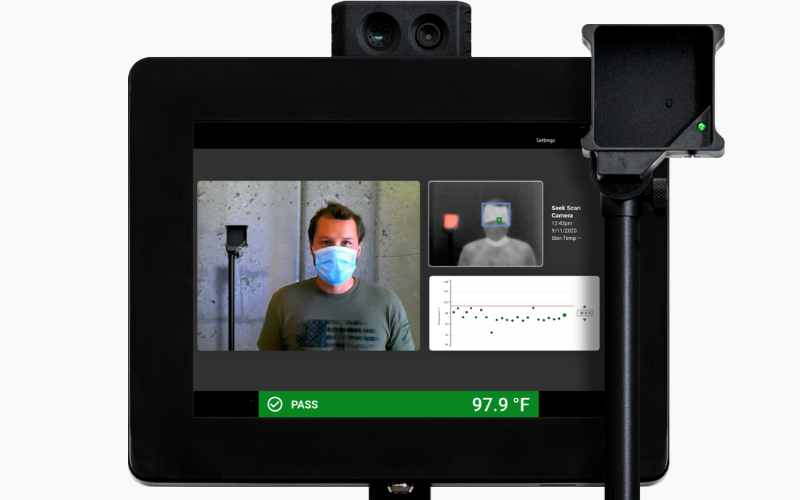
Les périphériques et les fonctionnalités supplémentaires permettent aux kiosques d'en faire plus. Pensez aux scanners, aux dispositifs de paiement sans contact et autres ajouts sympas — ils transforment les modèles de base en super assistants pour les utilisateurs.
Imprimantes, scanners, lecteurs RFID, caméras, etc.
Nous observons beaucoup de variations dans les prix des machines de kiosque, et une grande partie de cela provient des différents périphériques et fonctionnalités qu'elles offrent. Chaque ajout, des imprimantes aux caméras, joue un rôle dans le coût final.
- Les imprimantes sont cruciales pour les kiosques qui délivrent des reçus, des billets ou d'autres documents imprimés. Le type — thermique ou à jet d'encre — et la vitesse d'impression peuvent affecter le prix. Les imprimantes thermiques sont généralement plus rapides et ne nécessitent pas de remplacement d'encre, ce qui les rend populaires dans les environnements animés comme la vente au détail, les aéroports et les transports.
- Les scanners se présentent sous de nombreuses formes, telles que les lecteurs de codes-barres pour les transactions en libre-service dans le commerce de détail, les scanners de documents pour les kiosques de bureau et les scanners de codes QR pour les interactions mobiles. Les scanners haute résolution augmentent les coûts mais sont essentiels pour la précision lors du balayage d'objets variés.
- Les lecteurs RFID ajoutent une fonctionnalité sans contact aux kiosques, permettant aux utilisateurs d'interagir via des cartes intelligentes ou des smartphones équipés de NFC. Cette technologie est essentielle pour un service rapide et des expériences utilisateur améliorées, mais elle augmente le prix de la machine en raison de ses capacités avancées.
- Les caméras permettent aux kiosques interactifs d'offrir la reconnaissance faciale pour un service personnalisé ou des mesures de sécurité renforcées. Les caméras haute définition avec logiciel de reconnaissance faciale nécessitent plus d'investissement mais fournissent des services uniques qui peuvent justifier le coût plus élevé.
- Les fonctionnalités personnalisées comme la reconnaissance d'empreintes digitales améliorent la sécurité et l'identification personnelle aux points de service, du secteur bancaire aux points d'accès sécurisés. Ces systèmes biométriques exigent une intégration logicielle et matérielle sophistiquée, entraînant une augmentation de prix tout en représentant un bon bond en avant pour la technologie des kiosques bancaires.
Chaque fonctionnalité supplémentaire appoute sa propre valeur à un kiosque libre-service, affectant le coût global en fonction du niveau de technologie et de fonctionnalité requis par les utilisateurs finaux. Choisir ce qui convient revient à équilibrer les besoins avec les contraintes budgétaires.
Fonctionnalités personnalisées (ex. : reconnaissance d'empreintes digitales, paiement NFC)
Après avoir parlé des imprimantes, scanners et autres ajouts de base, passons à quelque chose de plus spécialisé. Les fonctionnalités personnalisées comme la reconnaissance d'empreintes digitales et le paiement NFC élèvent les kiosques au niveau supérieur. Ces options offrent aux utilisateurs des moyens sécurisés et pratiques d'interagir avec l'appareil.
- La reconnaissance d'empreintes digitales se distingue pour la sécurité. Elle utilise les empreintes digitales uniques d'une personne pour autoriser l'accès ou approuver des transactions. C'est parfait pour les situations où la sécurité et l'accès personnalisé sont des priorités absolues. Beaucoup de nos clients choisissent cela pour les bornes d'information sensibles ou les zones de haute sécurité dans leurs entreprises.
- Le paiement par communication en champ proche (NFC) permet des transactions sans contact. Les utilisateurs tapent simplement leur smartphone ou carte de crédit contre le kiosque pour effectuer un paiement. Cette technologie est devenue incontournable dans les espaces de vente au détail actuels, offrant des caisses rapides et sans tracas.
- Combiner ces technologies améliore considérablement l'expérience utilisateur. Imaginez ne pas avoir à mémoriser un code PIN ou à glisser une carte. Cette facilité d'utilisation est ce qui pousse les entreprises à opter pour ces fonctionnalités dans leurs stations libre-service.
- L'impact sur le coût de l'intégration de ces technologies varie selon les besoins du client. Par exemple, ajouter à la fois la numérisation d'empreintes digitales et la capacité NFC augmentera le prix par rapport aux modèles standard sans ces fonctionnalités.
- De notre expérience directe, nous avons vu comment ces fonctionnalités peuvent transformer les opérations pour nos clients—de l'accélération des temps de caisse dans les environnements de vente au détail à la garantie d'un accès sécurisé dans les environnements d'entreprise.
Personnaliser les kiosques avec des fonctionnalités avancées comme les scans d'empreintes digitales et les paiements NFC améliore l'efficacité et répond directement aux attentes évolutives des consommateurs pour des interactions de service rapides et sécurisées—ce qui distingue finalement votre entreprise sur un marché concurrentiel.
Conception des Enveloppes de Kiosques Affectant les Prix des Machines de Kiosque
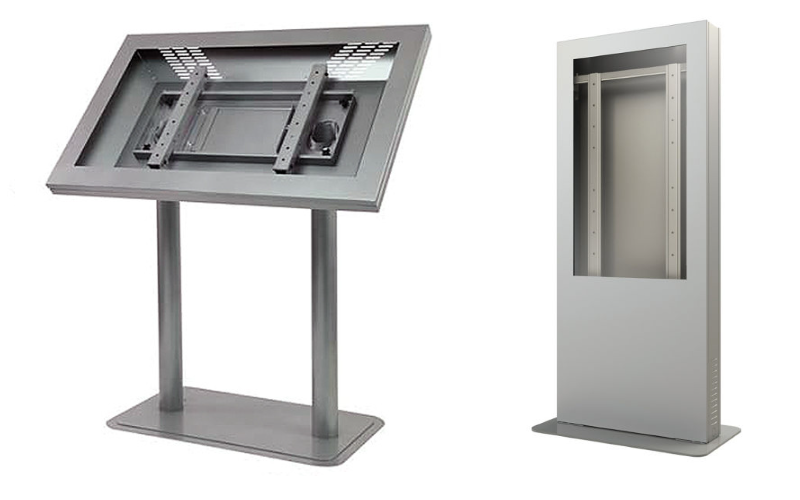
Les coques de kiosque comptent beaucoup, surtout en ce qui concerne les prix des machines de kiosque. Elles se présentent sous différentes formes et matériaux.
Complexité de Conception
We know that the design complexity of self-service kiosks affects their prices. Simple designs cost less while intricate ones, with lots of custom features like fingerprint recognition ou paiement NFC, bump up the price.
Each kiosk needs to meet specific demands. Some must withstand outdoor weather, while others need to fit sleekly into high-end retail spaces.
Materials matter too. Durable metals for outdoor kiosks or lightweight plastics for indoor models each play a role in costs. Size and shape also add layers to the puzzle—larger touch screen displays and unique form factors require more resources.
Let’s not forget about where these kiosks will live. An airport kiosk has different needs than one in a fast-food chain, influencing design decisions right from the start.
Next up is how we choose materials like tôle fou building these enclosures…
Sélection des Matériaux en Tôle
Choisir la bonne tôle fou kiosk enclosures makes a big difference. This choice affects durability, cost, and even the machine’s brand image. Sheet metal is popular because it’s strong, flexible, and doesn’t cost too much.
But not all tôles are the same. The thickness and quality can change how much a kiosk costs.
We use different grades of tôle in our designs to match what our customers need. Some projects might need thicker metal for extra strength or special surface treatments to make them look great or last longer outdoors.
Each type has its price tag, so we always think carefully about which one fits best for each kiosk’s purpose without going over budget.
Traitements de surface
After picking the right tôle for our kiosk enclosures, we pay close attention to how we finish their surfaces. This step is key in making sure our kiosks look great and can also stand up to wear and tear over time.
We often go fou powder coating, anodizing, ou painting—each with its own set of benefits.
Powder coating is a favorite because it gives our kiosks a tough finish that resists scratches and corrosion. It’s like giving them armor against daily use. Anodizing is another method we use, especially when we want to add some color with a sleek, metallic finish.
It works by adding a thick layer of oxide on the surface, making it really durable and resistant to rust. Painting is more than just applying color; it’s about protection too. From our experience, these treatments are crucial in improving both the look and lifespan of our products.
Every choice in surface treatment affects not just how the kiosk looks but how well it performs in different environments—from bustling retail spaces to outdoor uses where weather resistance becomes critical.
Plus, these treatments add value by keeping maintenance low and ensuring our kiosks stay looking new longer.
Impact des lieux de fabrication sur les prix des machines de kiosque : Chine vs autres
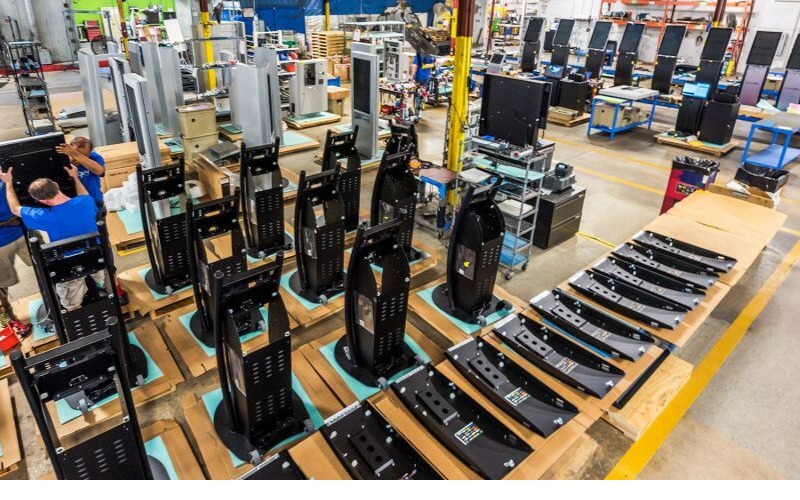
En explorant l'impact des lieux de fabrication sur les prix des machines de kiosque, nous avons constaté directement chez BestKiosk à quel point la géographie joue un rôle vital. En examinant les distinctions entre la Chine et d'autres pays, les différences deviennent claires, touchant des aspects comme les coûts de main-d'œuvre et de production, qui influencent finalement les prix.
| Facteur | Chine | Autres |
|---|---|---|
| Coûts de main-d'œuvre et de production | Inférieurs | Supérieurs |
| Impact sur les prix des machines de kiosque | Plus aboudables | Plus chers |
| Perception de la qualité | Varies | Souvent considérée plus élevée |
| Préférence | Clients sensibles au prix | Acheteurs axés sur la qualité |
In our experience, working closely with various manufacturers, we’ve observed the tangible effects of these differences. Clients often weigh the trade-offs between cost and quality, with some opting for the more cost-effective options from Chine, while others prioritize durability and service, choosing manufacturers from other countries.
Moving beyond the simple cost comparison, it’s essential to consider the broader implications, such as after-sales suppout, customization capabilities, and the ease of communication with the manufacturer. These elements can greatly influence the total value derived from a kiosk machine investment.
Our journey in the kiosk industry has shown us that the decision isn’t always straightforward. The right choice depends on the unique needs and priorities of each business. As we transition to the next section, keep in mind the significance of order volume in shaping the pricing landscape.
Volume de commande affectant les prix des machines de kiosque
Moving from the impact of manufacturer locations on kiosk machine prices, we now focus on how the quantity of machines ordered plays a crucial role in determining cost. It’s interesting to see the economy of scale at work here—the more units you buy, the cheaper each one becomes.
Here’s a quick overview in a table format to lay out how order volume affects kiosk machine prices:
| Volume de commande | Impact sur les prix des machines de kiosque |
|---|---|
| Petites commandes | Prix unitaires plus élevés, moins de marge de négociation. |
| Commandes moyennes | Prix modérés avec quelques possibilités de négociation. |
| Grandes commandes | Prix unitaires plus bas, levier de négociation significatif. |
Manufacturers offer discounts for bulk purchases. This is because producing more units at once lowers their costs. They spend less on materials and making each machine. They also save on shipping and handling when sending out big orders. These savings get passed down to you.
Also, if you buy more, you can talk better deals with manufacturers. They are often willing to lower prices to secure a large sale. This is true for kiosk machines too.
Order volume also affects how companies support and service your machines after the sale. With a large order, you might get better service terms. Companies value big customers and work hard to keep them happy.
So, when planning to purchase kiosk machines, consider buying in bulk. It’s a smart move that can save you money and offer other perks.
L'impact du service après-vente et du suppout sur les prix des machines de kiosque
We at BestKiosk know how crucial after-sales service and support are. It’s not just about buying a kiosk. It’s about the journey you have with it afterward. Good support can make all the difference when something goes wrong, or when you need help troubleshooting your self-service kiosk.
We’ve seen firsthand how businesses depend on reliable technical suppout, warranty periods that protect their investment, and regular software updates to keep things running smoothly.
Our team prides itself on offering some of the best maintenance services in the industry. Whether it’s fixing printers or ensuring your POS systems integrate flawlessly with newer technology like facial recognition, we’re here for our clients long after the sale is done.
Reputable providers will always ensure their customers have easy access to assistance—whether through online portals or quick response teams—because we understand that effective after-sales service impacts how well your kiosks serve your needs over time.
Conclusion : Qu'est-ce qui explique les différences de prix des machines de kiosque ?
So many things make kiosk machine prices go up or down. It’s all about what you want in your machine—like the brain of the computer, how big the screen is, or even special features like scanning codes and making payments without touching anything.
Then there’s the look and material of the housing that holds everything together. Where it’s made matters too since labor costs change from place to place.
Big orders usually mean lower kiosk machine prices per machine, which helps businesses a lot. But don’t forget, what happens after you buy is key too; support and fixes add to the cost over time.
Also, where you are in the world can make a difference because of different rules or shipping costs.
We see how choosing one with just what you need can save money while still meeting your business needs. All these factors mix together to set each price tag—it’s more art than science.

Kitty Tan
Expert-conseil en bounes personnalisées
Kitty est une experte en bornes chez FlyXing. Avec une vaste connaissance et expérience dans la conception et la fabrication de bornes en libre-service, Kitty se spécialise dans la création de solutions sur mesure pour répondre aux divers besoins de l'industrie.


