




Prescription dispenser
Table of Contents
Sign up to our newsletter
Self-ordering kiosks offer a practical solution by handling tasks like taking orders and processing payments. These smart machines help you serve more customers with fewer workers on your team, and that’s how kiosks can help overcome labor shortages.
Addressing Labor Shortages with Self-Ordering Kiosks
Self-ordering kiosks offer a smart fix for restaurants facing staff shortages. You can place these digital helpers at your front counter to handle orders while your team focuses on food prep and customer care.
Optimizing Labor Allocation
Self-ordering kiosks let you put your staff where they’re needed most. These smart machines handle simple tasks like taking orders and processing payments, so your team can focus on cooking, helping customers, and making sure everything runs smoothly.
The results speak for themselves; EZ-Chow kiosks helped cut front-of-house labor costs by over 85%. That means you don’t need as many cashiers, even during your busiest hours. Instead, your staff can spend more time making food and creating a better experience for your guests.
McDonald’s saw this work in real life. After adding kiosks in 2015, they cut their operating costs by 50%. Using kiosks isn’t just about saving money; it’s about making the most of your team’s time and talent.
Reducing Staff Burnout
Busy shifts can stress out your staff. Self-ordering kiosks help by taking over simple tasks like order-taking, so your team isn’t running between tables and registers.
With kiosks handling orders, your staff can focus on food prep and customer service. This reduces stress and mental fatigue.
Employees feel more satisfied when they do meaningful work instead of just entering orders. Kiosks also lower mistakes, so your team deals with fewer angry customers.
During rush hours, kiosks ease the pressure by managing the front end. Your staff can stay focused and give better service without feeling overwhelmed.
Enhancing Customer Experience Through Kiosks
Self-ordering kiosks cut wait times by up to 40% during rush hours. Your customers will enjoy faster service while getting exactly what they ordered every time.
Cut Wait Times
Self-ordering kiosks let more guests order at once, so lines move faster. You won’t deal with long waits during busy times. Kiosks work quicker than cashiers and don’t slow down.
Wendy’s saw faster service right after adding kiosks. Your guests will love spending less time waiting and more time eating.
While kiosks take orders, your staff can focus on food prep. This means smoother service and happier customers.
Improve Order Accuracy
Kiosks let customers enter their own orders, so mistakes drop. You choose exactly what you want, and it goes straight to the kitchen.
No more misheard or forgotten requests. The system shows a clear record of each order, making it easy to fix issues if needed.
Kitchen staff see exactly what was entered, no messy notes or confusion. Special instructions are clear, so meals come out right the first time.
With fewer errors and smoother service, your restaurant feels more professional and trustworthy.
Boosting Efficiency During Peak Hours
Rush hour can be a nightmare for restaurants without the right tools. Self-ordering kiosks handle multiple orders at once, cutting down lines and keeping your dining room moving.
Faster Ordering
Self-ordering kiosks make ordering quick and easy. You place your order directly, cutting out extra steps and confusion.
Most restaurants see order times drop by 30–40% after adding kiosks. The system guides customers clearly through the menu, so no one feels rushed or unsure.
Every order is the same clear process, with all options shown—something busy staff might forget. Orders go straight to the kitchen, reducing mistakes and saving time for your team.
Serve More Guests
Kiosks take multiple orders at once, so lines move faster. Your staff can focus on making food while kiosks handle the front end.
Big brands like McDonald’s and Panera use kiosks to serve more people per hour than cashiers alone. Fewer mistakes mean less waste and quicker service.
You can handle busy times without hiring more staff—keeping customers happy and cutting labor costs.
Financial Advantages of Self-Ordering Kiosks
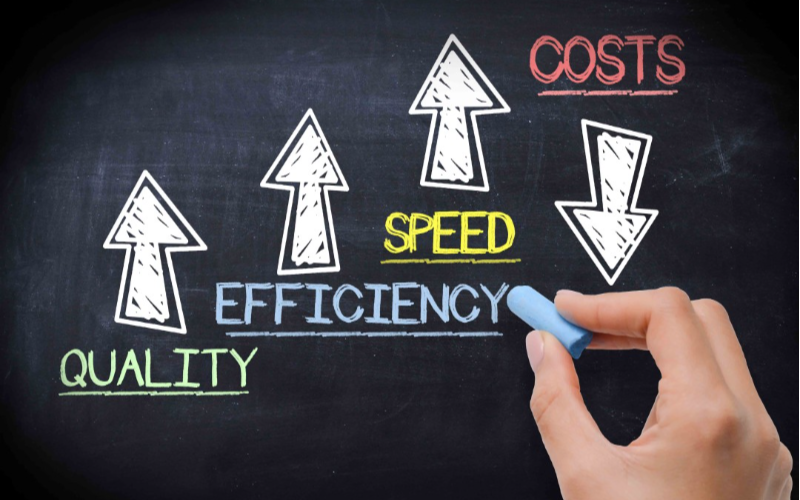
Self-ordering kiosks offer major cost savings over time while cutting labor expenses. These systems boost your bottom line by automatically suggesting add-ons that many customers accept.
Save Money Long-Term
Self-ordering kiosks quickly pay for themselves. McDonald’s cut costs by 50% after adding kiosks. You can cut front-of-house labor by over 85% with tools like EZ-Chow.
Kiosks save money from day one and keep saving you more each year. No extra spending on hiring or training staff. Panera Bread proved this works with their PANERA 2.0 program.
While wages rise, your kiosk costs stay the same, helping you stay profitable even during tough times.
Boost Sales with Upselling
Kiosks are great at upselling. McDonald’s saw a 30% increase in order size after adding them.
They always suggest upgrades like drinks, sides, or desserts—no hesitation. You can show mouth-watering images at just the right time to boost sales.
It’s all automatic, with no need for extra staff. Kiosks highlight high-profit items and adjust based on what sells best.
Guests take their time browsing, feel less rushed, and often spend more. It’s a simple way to grow revenue without extra effort.
Supporting Staff and Improving Workflow
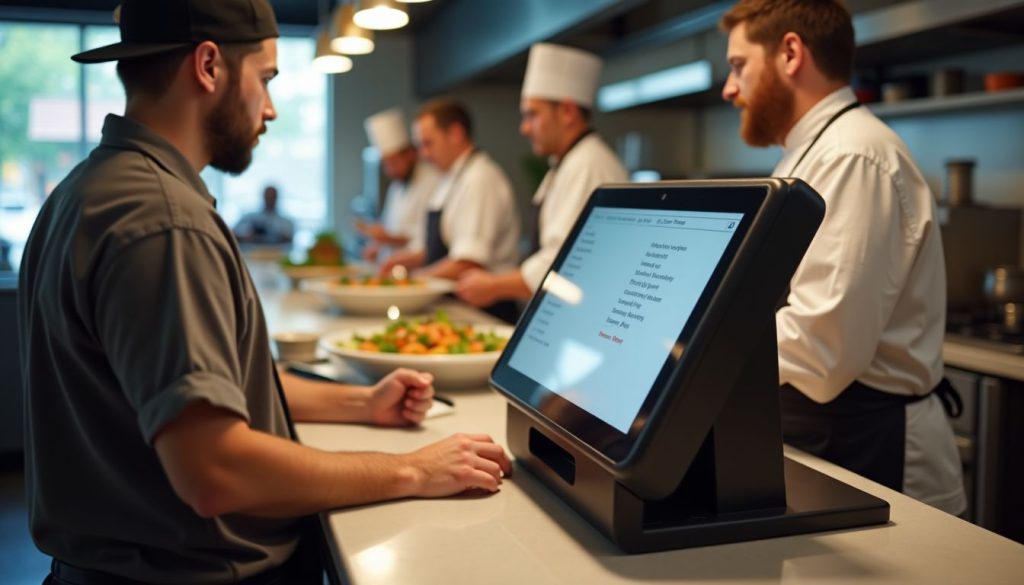
Self-ordering kiosks free up your staff to focus on food prep and customer care instead of taking orders. Your team can work more efficiently with kiosks handling routine tasks, which leads to better service and happier employees.
Let Staff Focus on What Matters
Kiosks take over order entry so your team can focus on food and customer care. Instead of just punching in orders, they handle important tasks that need a human touch.
This shift reduces stress and improves workflow. Staff work on quality and service while kiosks handle the routine. That means better experiences for your guests and stronger loyalty to your restaurant.
Deliver Consistent Service
Kiosks give every guest the same smooth service, every time. They don’t make mistakes or forget steps like people can.
At BestKiosk, I’ve seen restaurants boost service ratings with kiosks. Orders are faster and more accurate, even during busy times.
Kiosks keep service quality high, even with new or short-staffed teams. Orders go straight to the kitchen with clear details, helping you avoid errors and delays.
Guests notice the speed and accuracy, there are fewer complaints, more happy customers, and a stronger reputation for your brand.
Conclusion
Self-ordering kiosks offer a smart answer to today’s restaurant staffing crisis. You can cut costs while boosting service speed and quality through this proven technology. Your staff will thank you as kiosks handle routine tasks, letting them focus on creating great dining experiences.
Customers enjoy faster service with fewer errors, which builds loyalty and increases sales. These digital helpers aren’t just a trend; they’re becoming essential tools for restaurants ready to thrive despite labor challenges.
FAQs
1. What are self-ordering kiosks and how do they help with labor shortages?
Self-ordering kiosks are digital screens where customers place their own orders without staff help. They cut down on the number of workers needed at the counter, letting restaurants run with fewer employees. This helps during times when finding workers is tough.
2. Do customers like using restaurant kiosks?
Most customers enjoy using kiosks because they can take their time, see all menu options clearly, and avoid order mistakes. The younger crowd especially likes the tech-forward approach that feels familiar to their daily digital habits.
3. How much do restaurant kiosks cost to install?
Kiosk costs vary based on features and quality, typically ranging from $2,000 to $5,000 per unit. Many restaurants see this as a smart investment that pays for itself through labor savings and increased sales.
4. Will kiosks completely replace human workers in restaurants?
No. Kiosks handle ordering tasks but can’t replace the human touch needed for food prep, customer service issues, and creating a welcoming atmosphere. They free up staff to focus on improving food quality and guest experience rather than just taking orders.

Kitty Tan
Custom Kiosk Expert Consultant
Kitty is a kiosk expert at FlyXing. With extensive knowledge and experience in designing and manufacturing self-service kiosks, Kitty specializes in creating customized solutions to meet diverse industry needs.


