


Prescription dispenser
Table of Contents
Sign up to our newsletter
Fund deposit and transfer kiosks have become a great solution as they are convenient, fast, and more secure. This guide will discuss everything you need to know about these kiosks and how to choose one for your business needs.
Overview of Fund Deposit and Transfer Kiosks
Functions and Purposes
The mode of operation of the fund deposit and transfer kiosks entails its operation in a way that does not require person-to-person contact. These kiosks have various uses, including making cash and check deposits, bill payments, and checking balances.
All of them have the capacity to automate and control their operations to reduce risk and improve efficiency.
Locations and Accessibility
These kiosks are sited in areas with high traffic patterns to increase the likelihood of being accessed. They are usually located in areas such as financial institutions, shopping malls, airports, and any other strategic transport facilities.
It provides financial services to more people, especially those with little or no access to traditional banking facilities.
Key Features of Fund Deposit and Transfer Kiosks
Touchscreen and Keypad Operation
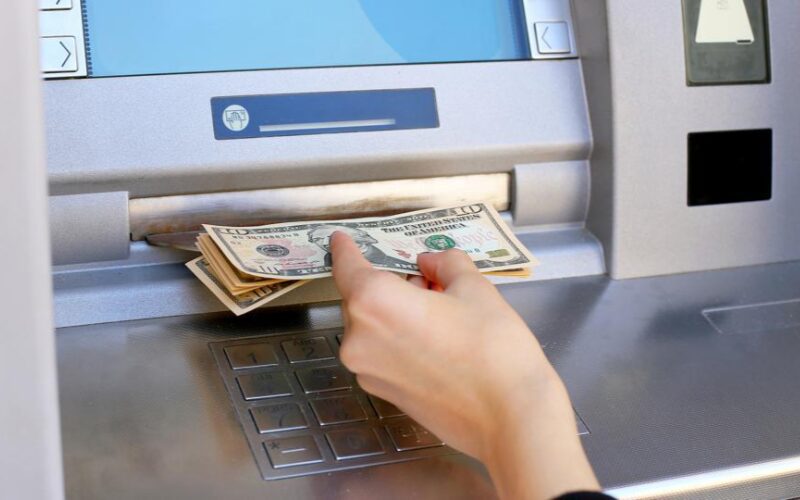
Fund deposit and transfer kiosks generally include touchscreen interfaces to make it easy for a person to use. Options can be easily accessed by touch on screen and so the general transaction seems to be smooth.
Some kiosks have keypads for those who prefer or are apprehensive about using touch screens, thus making them suitable for all users.
Security Protocols
There’s a lot of emphasis on the security of fund deposit and transfer kiosks. All of these machines are also fitted with multiple layers of security components such as encryption, secure login, and anti-fraud.
For instance, some kiosks require the scanning of fingerprints or even facial recognition. It helps with identifying that the person transacting is genuinely the name and identity provided.
Multiple Language Support
Due to the presence of a diverse population, many kiosks provide options for many languages. This feature is especially helpful in multicultural regions. The kiosk user will not have to guess and make mistakes as they can use the kiosk in a language they understand best.
User-Friendly Interface Design
Having an efficient and well-designed layout is important in running a fund deposit and transfer kiosk. Ease of operation controls should be provided in clear and understandable language, and the menus should also be easy to navigate.
Such a design reduces confusion and transaction period, hence making the kiosk more effective and user-friendly.
Real-time Transaction Tracking
Another good thing that comes with these kiosks is that actual transaction details can easily be monitored. This means that users can be able to get feedback on their transactions within the shortest time possible. It can be in the form of printed slips or notifications.
Components of Fund Deposit and Transfer Kiosks
Display Screen (Touchscreen or Non-Touchscreen)
The touch screen is the central part of the kiosk as this is the primary means of the user’s interaction with it. Touchscreens are popular as they allow simple finger touch to carry out tasks.
The screen must be of a durable nature that can easily bear the touch and is somewhat resistant to rough use.
Input Devices (Keypad, Card Reader)
It also requires an input device, such as a keypad or a card reader, to enable user interaction with the kiosk. By using the keypad, you can enter information, such as account numbers or PINs, without worrying that someone else will see them.
The card reader allows for the use of bank cards to facilitate transactions, hence adding to the security aspect.
Cash and Cheque Handling Units
These units are mandatory to accept and handle cash or cheques deposited by users. High quality kiosks have built-in hardware that sharply identifies fake money and rejects non-authentic currency notes.
Receipt Printer and QR Code Scanner
A receipt printer is another peripheral that gives users a printed record of the transaction that has taken place. Some of them include QR code scanners, which enable users to pick up information or make a transaction using their devices.
Connectivity Modules (Wi-Fi, Ethernet, Bluetooth)
Fund deposit and transfer kiosks integrated into automated processes need a reliable connection with the bank’s network or payment systems. These are communication modules that help the kiosk communicate with systems such as Wi-Fi, Ethernet, and Bluetooth, among others.
Stability in connection is very important, particularly in facilitating real-time transactions and data exchange.
Benefits of Using Fund Deposit and Transfer Kiosks
Convenience in Transactions
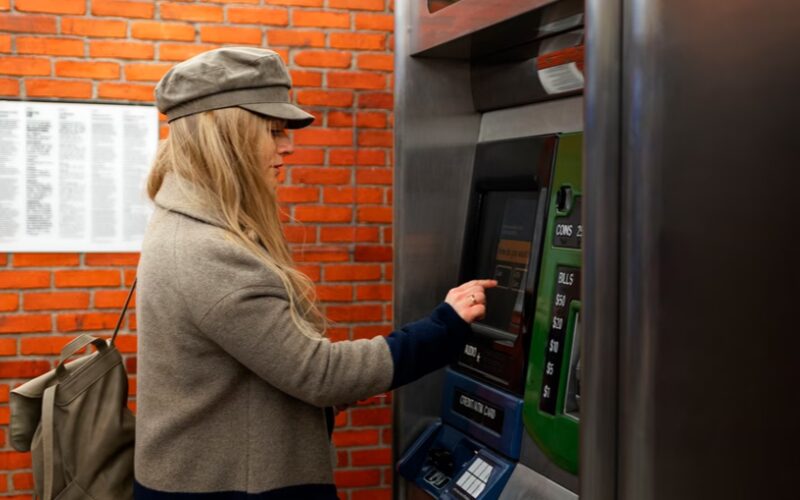
This is the main advantage of fund deposit and transfer kiosks to the general public, as people can easily access the devices without going to the banks.
That convenience is something of immense worth, especially to those people who do not have time to go to the bank or those who live in regions where there are no banking facilities.
Reduced Cash Handling
For businesses, the carriers’ constant contact with cash can cause increased expenses and great risks for embezzlement. The kiosks help automate deposits, thus reducing the amount of cash that is handled manually and, hence, the chances of making mistakes.
It is also beneficial that it allows staff to shift their attention to different tasks, which makes it more efficient.
Enhanced Data Entry and Record-Keeping
Kiosks also simplify data entry and transaction recording because they record these transactions in the database. They eliminate the possibility of making wrong entries, resulting in the appropriate capture and storage of all the required transaction data.
The improved data entry also goes hand in hand with the improvement of financial control and paperless reports.
Increased Accessibility for Underserved Communities
Fund deposit and transfer kiosks have far-reaching impacts, most of which are created to facilitate easy funding for the underbanked population. By establishing kiosks in obscure or low-income areas, financial institutions can serve persons who might lack access to banking services.
This goes a long way in reducing the financial exclusion rate and assisting people in overcoming their financial adversities.
Customization and Integration Options
Logo Branding
You change the colors and general look of the kiosk interface according to the financial institution’s brand. This branding may involve the use of the company’s logo, some of the specified color codes, or even particular advertisement messages.
Having a custom branding system will support maintaining the integrity of the desired branding for the institution. It will also provide the user with a consistent branding message.
Component Additions
In order to satisfy the requirements of business organizations, businesses may include extra elements in their kiosks. For instance, while some may use the template to add biometric scanners for increased security, others may use it to include facilities for storing large amounts of cash.
These component additions enable the kiosks to serve the customers in a more proficient way, overall making changes to serve the business better.
Solutions to Common Challenges
Regular Maintenance and Software Updates
To avoid problems and increase the lifetime of the kiosks, firms should adopt the maintenance of the kiosks regularly. This entails not only periodic checks on the physical structures and their needs but also the need to upgrade software to close security holes and enhance functionality.
Providing User Training and Support
Training and support services are very important to enhance the rates of adoption of the software among users. This could include live demonstrations, videos, tutorials, or setting up toll-free numbers for the customers.
Also, one can suggest providing on-screen directions and including multi-lingual explanations to make customers more comfortable and satisfied with the usage of kiosks.
Implementing Strong Security Measures
You must make sure that security is a high priority when implementing fund deposit and transfer kiosks. This includes the use of advanced modes of secure encryption, the use of two-factor authentication, and the use of advanced security measures from time to time.
Some of the physical controls include the installation of security cameras in locations and the secure covering of kiosks.
Ensuring Compliance with Local Regulations
Compliance with local legal requirements is mandatory for organizations that apply fund deposit and transfer kiosks. This may entail consultations with legal departments or specialists to determine the laws governing data handling and kiosk accessibility. There is also a need for periodical audits and reviews to ensure compliance once set is established.
Optimizing Location for Maximum Accessibility
The success of a Fund deposit and transfer kiosk also depends on the area of placement. Placing them in strategic positions like shopping complexes, bus and train stations, and busy roads would help in increasing usage.
Comparing Fund Deposit and Transfer Kiosks with Traditional Methods
Cost Efficiency
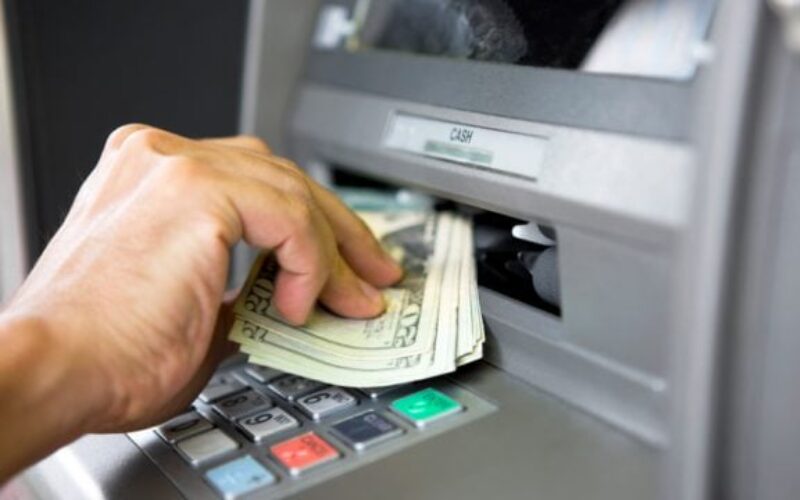
Fund deposit and transfer kiosks are cheaper compared to other banking channels. This is because, through transactions, kiosks do not require staff and other facilities and, hence, are very economical. To users, the lower operational costs mean that transaction charges will be lower hence making kiosks convenient to use in the management of finances.
Speed and Convenience
Some of the benefits of using fund deposit and transfer kiosks as compared to conventional approaches include flexibility and speed. Customers can transact in a few minutes without having to join a queue at a banking hall or fill in forms.
This is why kiosks are favorable for those who don’t have much time to go through such processes.
Customer Experience
Fund deposit and transfer kiosks are easy to use and in most cases, a lot easier than having to use bank methods. These kiosks offer freedom of time. You can use these kiosks at any time without worrying about the business hours.
Thirdly, the option to have an easy-to-use interface and support multiple languages makes it easier for more people to use the kiosk.
Tips for Selecting the Right Fund Deposit and Transfer Kiosk
Evaluating Key Features
When choosing a fund deposit and transfer kiosk, there are features that are most critical for business and should be considered. This involves having to assess the security features, interface and/or the transactional ability of the kiosk.
Companies should also consider their future conditions, as well to select the kiosk that can further expand or modify over time.
Considering Integration Capabilities
Interoperability with existing systems is very important so as to enable the effective functioning of a fund deposit and transfer kiosk. Companies have to make sure that it is integrated into the current banking systems, payment processors, and even other platforms in the business.
This integration is essential for handling transactions and data sharing in real time, as it plays a significant role in delivering a good user experience.
Assessing Vendor Support and Warranty
Selecting the right vendor for the equipment is crucial for the successful implementation and subsequent maintenance of the fund deposit and transfer kiosk. The vendor should give the business the support needed, including installation help, training, and technical support in case of any problems.
Furthermore, the warranty should be for a good period of time so that in case of any problem you have a way back.
Conclusion
Fund deposit and transfer kiosks are an innovation that improves the efficiency, security, and access to financial services. Thanks to the combination of the extended functions and the changes in settings, these kiosks satisfy multiple business requirements.
Hence, by adopting it, organizations can come up with the most appropriate strategy for utilizing funds and keeping operation costs at a minimum. Here at BestKiosk, we are happy to assist you in finding the perfect custom fund deposit/transfer kiosk solution. You can get a free quote by contacting us today.

Kitty Tan
Custom Kiosk Expert Consultant
Kitty is a kiosk expert at FlyXing. With extensive knowledge and experience in designing and manufacturing self-service kiosks, Kitty specializes in creating customized solutions to meet diverse industry needs.


