


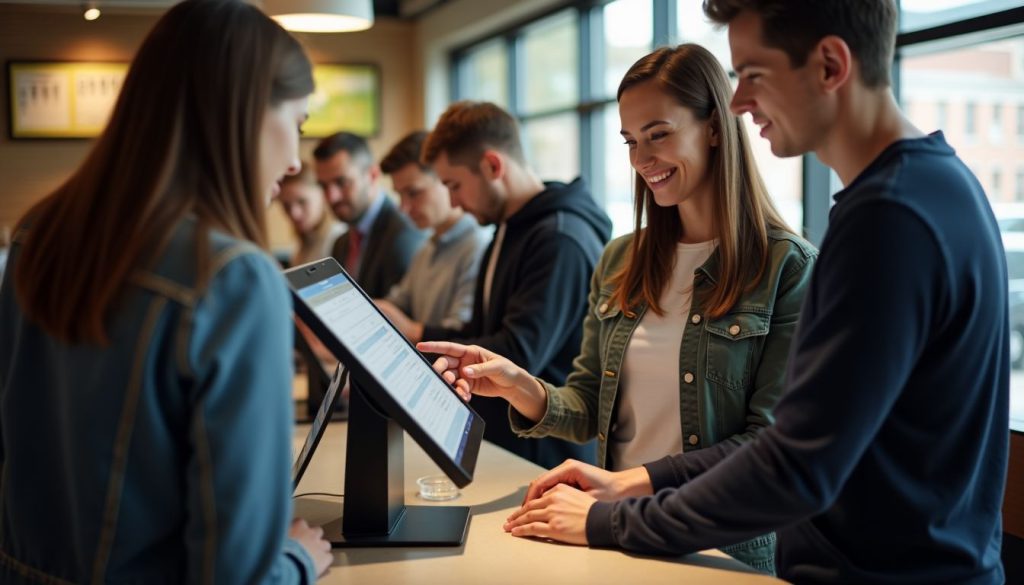


Erogatore di prescrizioni
Indice dei contenuti
Iscriviti alla nostra newsletter
Pronto a scoprire se questa tecnologia fa al caso del tuo ristorante?
Vantaggi dei chioschi per l'ordinazione automatica per i ristoranti
I chioschi per l'ordinazione automatica offrono ai ristoranti una potente combinazione di benefici che può trasformare le operazioni e aumentare i profitti. Questi assistenti digitali ti aiutano a servire più clienti riducendo i costi del lavoro e creando nuove opportunità di vendita.
Migliore accuratezza degli ordini
Self-ordering kiosks help your restaurant take more accurate orders. Customers can see what they’re getting with pictures and review everything before paying, which reduces mistakes.
They confirm their choices on screen, which helps avoid errors—especially during busy times. Since the whole menu is clearly shown, customers can choose exactly what they want without feeling rushed.
Because everything is visual, there’s less chance of confusion compared to talking with a cashier. Guests can double-check their order, add notes, and make sure it’s right before they finish.
Fewer mistakes mean fewer returns and remakes, saving you time and money. Plus, digital payments cut down on typing errors that happen at the register.
Tempi di attesa ridotti
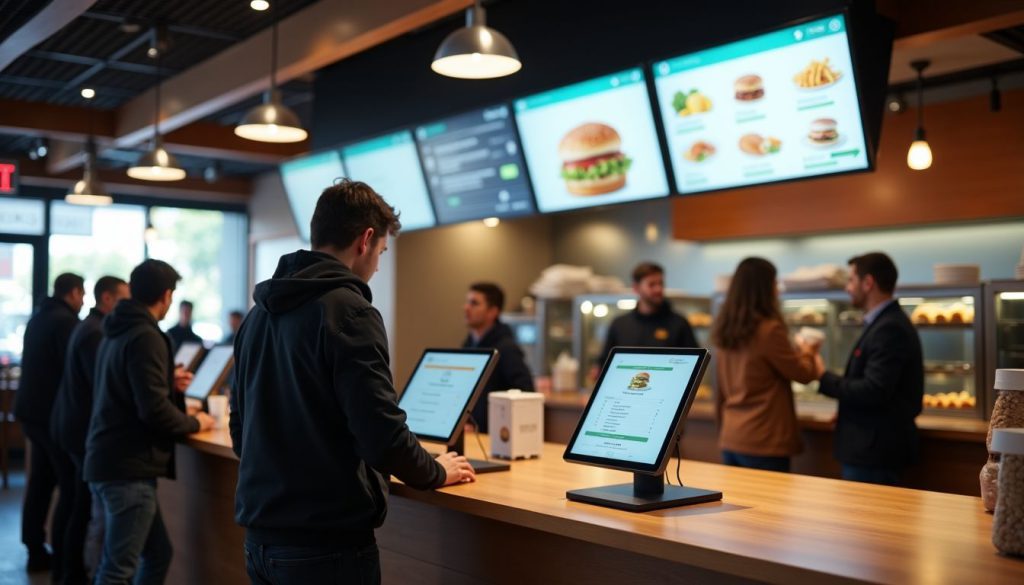
Self-ordering kiosks help cut wait times by up to 40%, so your customers don’t have to stand in line. They can browse the menu and order at their own pace.
Your staff can focus more on making and delivering food instead of taking orders. Kiosks send orders to the kitchen faster and more accurately.
This means quicker service and happier customers who enjoy the faster, easier experience.
Aumento delle vendite tramite upselling
I chioschi per l'ordinazione automatica ti aiutano a guadagnare di più suggerendo extra durante l'ordine. I clienti spesso spendono fino al 30% in più when using them.
Kiosks show tasty images and offer add-ons at the right time, something staff can forget when busy. It’s an easy, friendly way to upsell.
Guests can take their time, explore the full menu, and often end up ordering more. It’s a simple way to grow sales with technology.
Assegnazione Ottimizzata del Personale
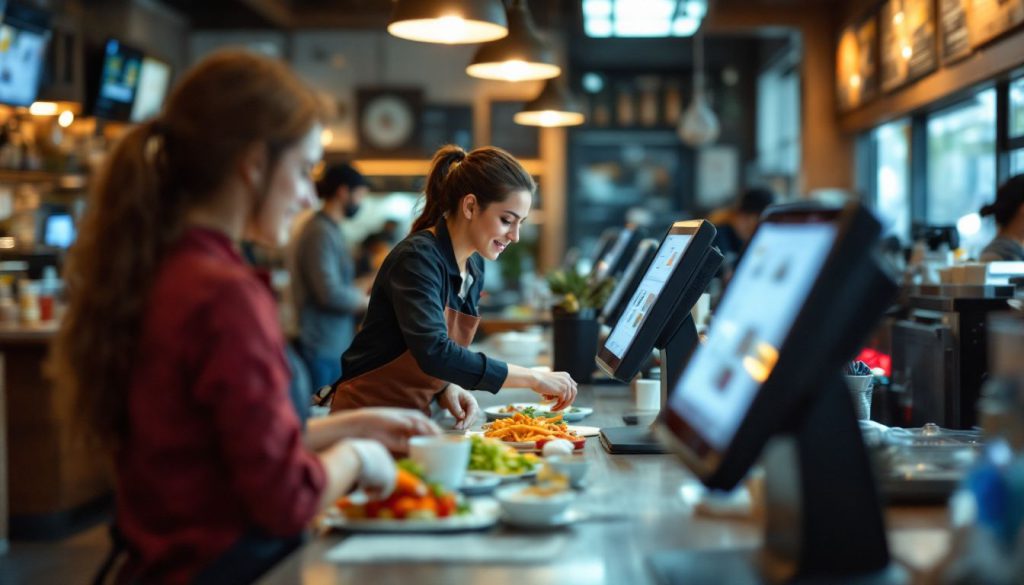
Self-ordering kiosks handle the boring, repeat tasks that once kept your staff tied to registers. This smart move lets you place workers where they add more value – like improving food quality or giving guests personal attention.
Your team can focus on tasks that boost customer happiness instead of just taking orders. The math makes a strong case too ; a full-time cashier at $15 per hour costs your restaurant about $29,000 yearly.
Two kiosks at $5,000 each could save you $50,000 over just two years through efficient staff utilization. This staff reallocation creates a win-win situation where labor costs drop while service quality rises.
Soddisfazione del Cliente Migliorata con Esperienze Personalizzate
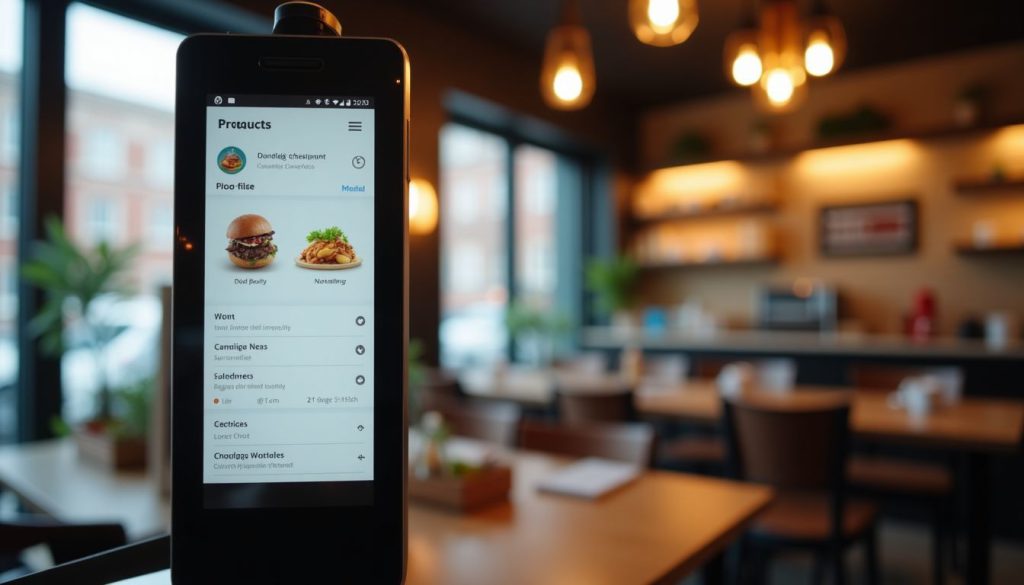
Self-service kiosks give your customers a more personal experience. They can see prices, nutrition info, and make choices that fit their needs.
You can use data from kiosk orders to offer deals based on what each person likes. Customers enjoy seeing past orders and getting smart suggestions.
The touchscreen lets them explore the menu at their own pace and make changes without pressure. This makes guests feel understood and more likely to come back.
Svantaggi dei Chioschi per l'Ordinazione Autonoma per i Ristoranti
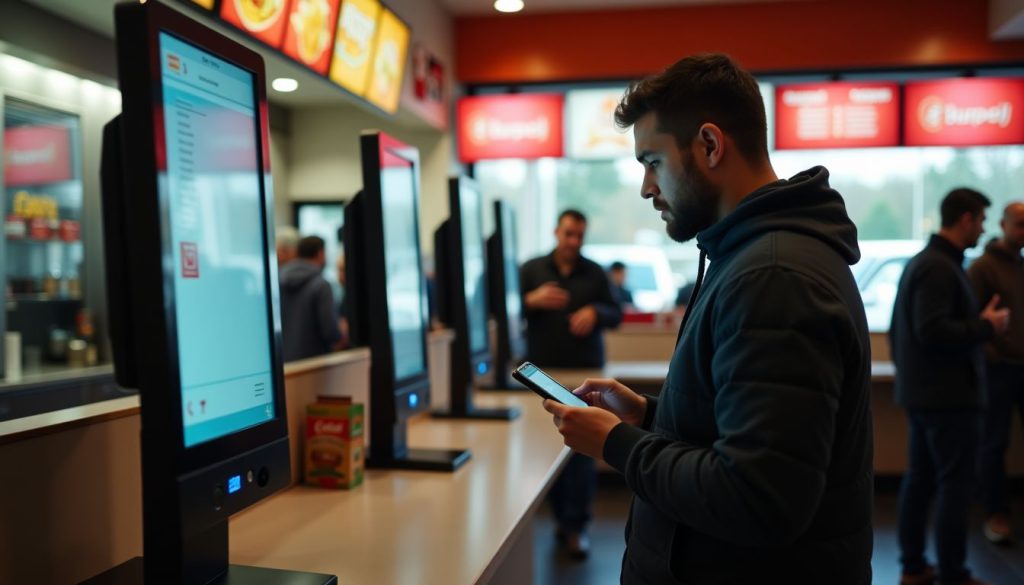
I chioschi per l'ordinazione autonoma presentano diversi svantaggi che potrebbero farti pensare due volte prima di investire. Questi sistemi digitali possono portare sia sfide tecniche che di servizio clienti al tuo ristorante.
Costi Iniziali di Investimento Elevati
Self-ordering kiosks can be expensive to set up. A basic one costs around $5,000, and custom features can raise the price even more.
At BestKiosk, I’ve seen many owners surprised by the high upfront cost. You’ll also need to budget for regular maintenance.
Some software can help lower the risk, but it won’t remove the financial pressure. Make sure you’re ready for both setup and long-term costs before investing.
Personalizzazione Limitata per Ordini Complessi
Self-ordering kiosks often use fixed templates that don’t handle special requests well. If a customer wants to make a lot of changes, your staff may need to step in, defeating the purpose of self-service.
These limits can also hurt sales by missing chances to upsell or promote unique menu items. Your restaurant’s special touch may get lost in a basic kiosk layout.
If you have a complex menu or signature dishes, this can be a real drawback.
Riduzione dell'interazione umana
Self-service kiosks reduce face-to-face contact, which is helpful for safety, but not everyone likes it.
Some customers miss talking to staff, asking questions, or getting friendly service. For regulars, the personal touch is part of why they come back.
Digital ordering can feel cold, especially for older guests or those who prefer traditional service. While tech saves time, it’s not a fit for every customer.
You’ll need to balance efficiency with personal service, based on what works best for your restaurant and your guests.
Possibile resistenza da parte dei clienti meno esperti di tecnologia
Many older customers find kiosks and QR codes hard to use. They often prefer talking to staff instead of using screens, which can be a challenge for your restaurant.
From my experience designing kiosks, ignoring this can hurt your business.
Think about your guests’ comfort with technology. Some may feel left out or miss the personal touch.
A good solution is offering both kiosks and cashiers. This way, you serve all customers while still improving efficiency.
Come implementare con successo i chioschi per l'ordinazione automatica
L'implementazione dei chioschi per l'ordinazione automatica richiede un'attenta pianificazione per adattarsi alle esigenze del tuo ristorante e alla base di clienti. Quindi, continua a leggere per passi pratici per rendere il tuo lancio del chiosco un successo.
Valuta le preferenze dei clienti e le esigenze del ristorante
Before adding self-ordering kiosks to your restaurant, you need to know what your customers want. Major chains like McDonald’s have seen customers spend 30% more when using kiosks.
Your restaurant type matters too; quick-service and fast-food places often benefit most from this tech. Look at your busiest hours and ask if kiosks could speed up service during these times.
Your staff needs matter just as much as customer preferences. A smart approach combines kiosks with human help. This hybrid model keeps the personal touch while adding speed and efficiency.
You might place kiosks at the entrance but keep counter staff ready to assist less tech-savvy guests. This balance helps all customers feel welcome while still gaining the sales boost that self-ordering can bring.
Formare il Personale e Fornire Supporto al Cliente
Your staff needs proper training to make self-ordering kiosks work well. I’ve seen many restaurants struggle when they skip this step. Train your team to help customers who feel unsure about using the screens.
Staff should know how to fix simple problems and answer questions about the kiosk system. This creates a smooth path for customers who might resist the new technology.
A smart approach combines kiosks with personal service. Your staff can focus on making orders and helping guests instead of just taking orders. During busy times, have team members stand near kiosks to offer help.
This balance of tech and human touch leads to better customer adoption rates. From my experience designing kiosk systems, restaurants that provide good support during the change see much higher success rates.
Considera un Approccio Ibrido per la Flessibilità
A hybrid approach mixes self-ordering kiosks with human staff to create the perfect balance. You get the speed of digital ordering while keeping that personal touch many diners still want.
I’ve seen restaurants like Buffalo Wild Wings and Chili’s use smaller tablets for browsing menus and paying bills while servers handle the rest. This setup works great because it fits all types of customers; tech-savvy folks can order quickly while those who prefer talking to staff still get that option.
The beauty of this system is how it adapts to busy and slow periods. During rush hours, kiosks handle simple orders while staff focus on complex requests or special needs. This flexibility helps you streamline payments without losing the human element that makes dining special.
Conclusione
Self-ordering kiosks offer clear benefits for restaurants that want to boost sales and cut wait times. You must weigh these gains against the high costs and possible customer pushback.
The right choice depends on your specific restaurant needs and customer base. Proper staff training and a mix of kiosk and human service often works best. Kiosks aren’t perfect for every restaurant, but they can be a smart move if you plan carefully and put your customers first.
FAQs
1. Quali sono i principali vantaggi dei chioschi di auto-ordine per i ristoranti?
I chioschi di auto-ordine possono aumentare le vendite attraverso funzionalità di upselling e ridurre i costi del lavoro. Accelerano anche il servizio, riducendo i tempi di attesa per i clienti. Molti ristoranti segnalano valori medi d'ordine più alti quando i clienti utilizzano i chioschi invece di ordinare dal personale.
2. Quanto costano tipicamente i chioschi di auto-ordine per ristoranti?
I sistemi di chiosco di base partono da circa $2.000 per unità, mentre i modelli avanzati possono raggiungere $5.000 o più. Dovrai anche preventivare le tariffe software, la manutenzione e gli aggiornamenti; questi costi continuativi si accumulano nel tempo.
3. I clienti preferiscono effettivamente utilizzare i chioschi di auto-ordine?
Molti clienti apprezzano il controllo e la privacy che i chioschi forniscono quando effettuano gli ordini. I giovani clienti in particolare preferiscono questa tecnologia, anche se i clienti più anziani potrebbero aver bisogno di tempo per adattarsi. L'approccio migliore è offrire sia l'opzione di ordinazione con chiosco che quella tradizionale.
4. I chioschi di auto-ordine sostituiranno il personale del ristorante?
I chioschi non sostituiranno completamente i lavoratori umani. Spostano il personale dal prendere ordini al concentrarsi sulla preparazione del cibo, sul servizio clienti e sulla creazione di esperienze gastronomiche migliori. La maggior parte dei ristoranti di successo utilizza i chioschi per integrare il proprio team piuttosto che sostituirlo.

Kitty Tan
Consulente Esperto di Chioschi Personalizzati
Kitty è un'esperta di chioschi presso FlyXing. Con una vasta conoscenza ed esperienza nella progettazione e produzione di chioschi self-service, Kitty è specializzata nella creazione di soluzioni personalizzate per soddisfare le diverse esigenze del settore.


