


Erogatore di prescrizioni
Indice dei Contenuti
Iscriviti alla nostra newsletter
Questi chioschi migliorano la soddisfazione dei clienti riducendo lo stress del personale e i tempi di attesa. La pandemia globale ha accelerato l'uso della tecnologia contactless, con un tasso di crescita annuale composto (CAGR) previsto del 19,1% nel mercato dei pagamenti contactless.
Cosa sono i Chioschi Contactless?
Contactless kiosks use technologies like NFC, RFID, and Mifare, allowing customers to do business without touching the terminals. This makes things easier in terms of transportation, shopping, leisure, and healthcare.
Every sector of the economy, from retail to hospitality, uses contactless kiosks to accept safe and quick payments from customers.
Aumento della Popolarità per Motivi Igienici
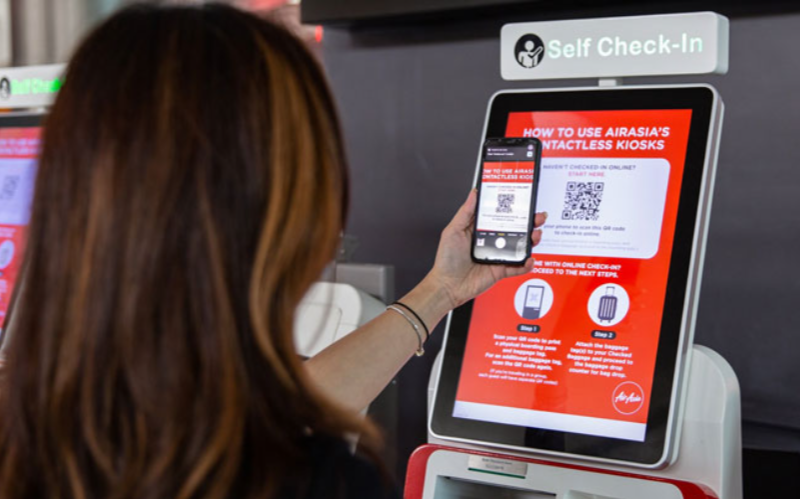
Dopo il COVID-19, mantenere l'igiene personale è di fondamentale importanza. I 3 principali metodi di pagamento contactless dei chioschi includono:
- Codici Quick Response (QR)
- Identificazione a Radio Frequenza (RFID)
- Comunicazione Near Field (NFC)
Customers may pay with a finger or a wave of their smartphone, wearable device, or card over a scanner that supports contactless payments. This mode of payment is easy, quick, and sanitary since it eliminates the need to touch the terminal physically.
Contactless payment methods include cards, mobile wallets, apps, and wearable devices. Customers who often misplace their wallets or phones find contactless payment appealing because it is versatile and convenient—they can still make payments using their wearable gadgets.
Several markets have achieved adoption rates of 90% or more; the United Kingdom (93.4%), Australia (95%), and Singapore (97%) are among the most prominent.
Progressi Tecnologici che Migliorano la Funzionalità
Improving consumer experiences is a critical component of modern global business. Vendita al dettaglio, hospitality, health, and travel are just a few businesses using kiosk technology.
The rise of AI and ML has dramatically affected the kiosk business. Because of these changes, machines can improve based on how people use them. These new technologies can learn about what customers like and dislike so that they can generate good product and service ideas based on what they need and want.
A new study found that 60% of businesses that put AI in their kiosks saw happier and more engaged customers. In the end, this connection is what makes money and makes things better for users.
Caratteristiche Principali dei Chioschi Contactless
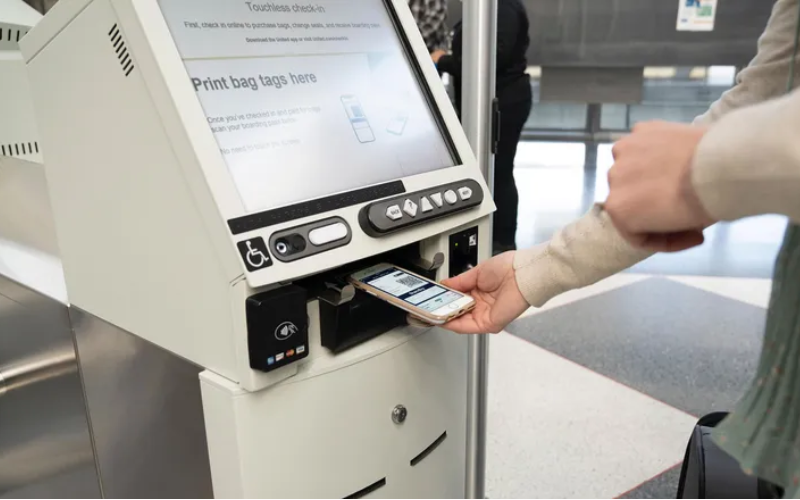
Questi chioschi hanno multiple funzionalità per risolvere vari problemi aziendali e migliorare l'esperienza utente.
Tecnologia NFC e Mifare per Pagamenti Sicuri
L'identificazione a radiofrequenza (RFID) e le tecnologie wireless come la comunicazione near-field (NFC) e Mifare consentono ai dispositivi di comunicare tra loro in modo sicuro. Differiscono in diversi modi, come la gamma di frequenze, le velocità di trasferimento dati e le funzionalità di sicurezza.
Controlli Integrati della Temperatura per la Conformità alla Sicurezza
These digital kiosks have a temperature check built right in. When the temperature is average, a door can be opened, and an alarm can go off when it’s not.
Their screen is excellent for buildings or places with many people. It can show a shorter message, and a temperature check is an easy safety measure.
Interfacce Personalizzabili per Esigenze Aziendali Diversificate
Contactless kiosks are becoming increasingly important in many fields, especially after COVID. Some of the features that can be customized are touchless payments, speech recognition, and proximity sensors.
Change the layout to fit your business’s needs and improve your brand’s identity. The machines also have easy-to-use guidance and choices for people with disabilities. The latest technologies like digital recognition, artificial intelligence, and data analytics are built in.
Because they are so flexible, they can be used in many places, like store self-checkout lines, healthcare patient check-ins, and public transportation payment systems. They can also work with existing systems, which lets them handle transactions quickly and analyze data in real time.
One way to trust the system more is to give it quick visual or audible input. Contactless kiosks have extra security features, such as data protection methods and payment encryption, to keep user information safe.
Come i Chioschi Contactless Migliorano le Operazioni Aziendali
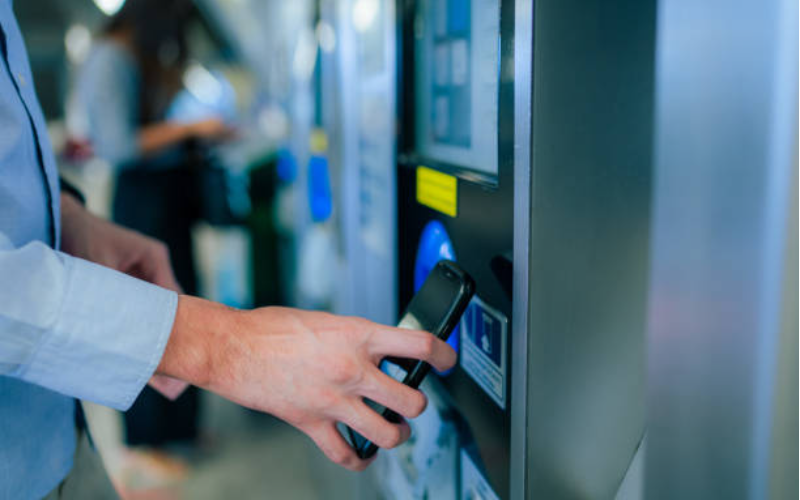
I chioschi contactless cambieranno il modo in cui le aziende operano perché riducono i tempi di attesa, rendono i clienti più felici e semplificano le cose per tutti.
Maggiore Efficienza
Poiché i clienti possono fare affari in modo indipendente, i dipendenti possono completare le attività più rapidamente. Questo aiuta le aziende a risparmiare sui costi del lavoro, migliora l'esperienza del cliente e dà ai lavoratori più tempo per fare altre cose.
Sicurezza Migliorata
A causa dell'epidemia di COVID-19 e di altri problemi di salute, questi sono un ottimo modo per evitare che clienti e lavoratori debbano toccarsi. Le aziende potrebbero migliorare la pulizia e la salute rimuovendo le casse e i luoghi che le persone toccano costantemente.
Riduzione del Carico di Lavoro del Personale e dei Costi Operativi
Businesses increasingly use contactless kiosks to cut costs, improve operations, and reduce staff workload. These kiosks let customers place orders and pay for them without going through a clerk, freeing up workers to do more complex jobs.
This change makes employees more productive and happy with their jobs. It also improves the customer experience by delivering services faster, reducing wait times, and making customers happier overall. It can significantly cut down on running costs, including worker costs, cash handling costs, and infrastructure repair costs.
Aumentare la soddisfazione del cliente e la velocità del servizio
Customers can use services on their own time, which means they don’t have to count on staff as much or wait as long. With this much freedom, customers are happier because they can finish jobs quickly and efficiently.
Contactless kiosks also reduce wait times, which suits customers who prefer to avoid waiting in line. They also improve the quality of orders by reducing human mistakes and ensuring the interface is easy to understand.
They can save businesses a lot of money because they only need a few people working at service points. This lets them better use their resources. They also improve safety and hygiene by letting people do business without talking to someone directly.
This is important for keeping public places healthy. They can also be used to collect data, which helps companies learn more about their customers and make their operations run more smoothly.
Generare approfondimenti dettagliati attraverso la raccolta dati
Self-service options make it easier to check in, take orders, and collect helpful information to shape business strategies.
Benefits include better customer service, shorter wait times, lower costs, more accurate orders, better safety and cleanliness, data collection and insights, and the ability to be used in various industries.
Also, machines can do more than one thing, like payments, reward program sign-ups, and showing product information, which means they take up less space. By using these technologies, companies can get important information that helps them make intelligent choices that lead to better service delivery and operational success.
Settori che beneficiano dei chioschi contactless
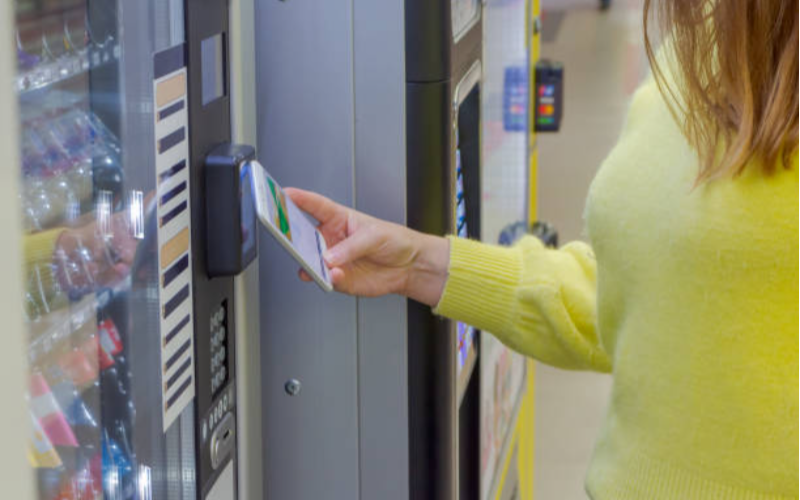
Molte industrie utilizzano chioschi contactless nella loro routine quotidiana. Alcune di queste industrie sono le seguenti:
Sanità
Automated patient check-in kiosks may cut down on personnel expenses. Additionally, they work well for providing directions and information. Individuals may use self-service kiosks to register for a scheduled appointment.
On their initial visit, they may also register their name, submit and print prescriptions, arrange follow-up appointments, and browse notifications and information.
Important patient input may also be collected via healthcare kiosks. Service and treatment may be enhanced with the usage of this data. Operational processes may be evaluated and improved with the use of measurable data.
Vendita al dettaglio
There has been a shift in the retail sector. A visitor management system can monitor the number of customers visiting the business by tracking footfall.
Interactive kiosks allow customers to schedule in-store personal shopping appointments. The automobile industry is a significant user of these systems.
Using a digital kiosk to book a time with a representative is a breeze. Since purchasing an oversized item like a vehicle necessitates more attention and help, this enhances consumer happiness.
Key dropping is one use of self-service kiosk systems in automobile retail. Customers may easily and quickly drop off their cars.
Ospitalità
Hotel self-service kiosks shorten check-in times, allowing staff to focus on helping guests and other sections of the property. Additionally, digital kiosks can include a safe key drop box, providing customers with a hassle-free checkout alternative at all times.
A QR code scanner may be integrated with a visitor management kiosk to scan tickets. This will ensure a safe and efficient event entrance.
Furthermore, interactive kiosks may be equipped with software that allows users to reserve tables and place menu orders.
Customers who want to stop by may check the menu, make a reservation, or even get food to go.
Tendenze future nella tecnologia dei chioschi contactless
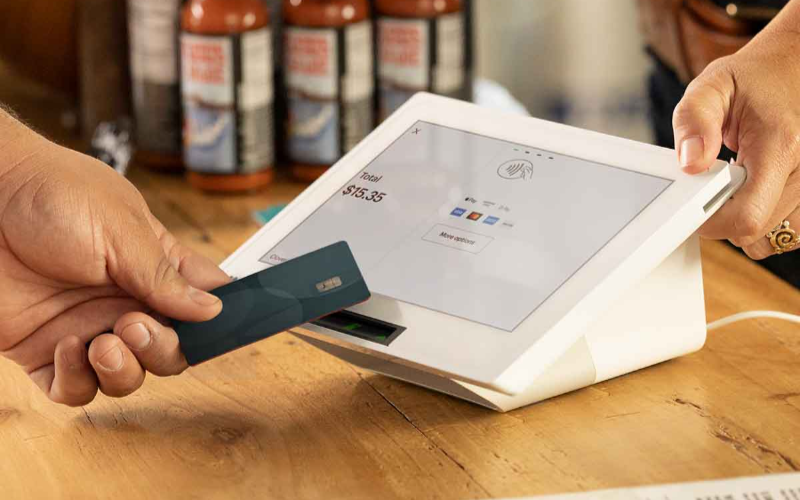
Since its beginning, these kiosks have made great strides, revolutionizing people’s interactions with public areas and organizations.
These cutting-edge self-service kiosks give users easy access to information, services, and support. Many emerging trends will shape the future of information kiosk technology, all because technology is rising.
Potenziale per un'adozione più ampia in più settori
Interactive self-service kiosks are paving the way for a new age of digital transformation in every business, from transportation and airports to schools and retail establishments, as well as in the public and private sectors.
Unlike traditional computer terminals, interactive self-service kiosks may give customers a more intuitive and improved self-service experience—even for the most complicated and sophisticated services.
An advanced payment kiosk can accommodate both conventional cash transactions and contactless purchases. Research shows that self-service payment kiosks are more popular than conventional checkout lanes, with over 70% of consumers preferring them.
Progressi nelle tecnologie biometriche e di intelligenza artificiale
Adding artificial intelligence (AI) into contactless payment systems will substantially enhance the consumer experience– thanks to AI-powered personalization. Consumer empowerment and improved customization will enhance the convenience and usability of contactless payments.
Biometric authentication will make the payment process faster and more secure. Customers will soon have the option to use face recognition technology or scan their fingers to make purchases, allowing for speedier and more secure transactions.
Integrazione con i dispositivi mobili
Popular wallets like Google Pay, Apple Pay, and Samsung Pay let users keep their credit or debit cards on their devices and pay at any point of sale (POS) that supports near-field communication (NFC).
Contactless payments are another way to use QR Codes. Quick and easy payment is now possible with the help of current smartphones that can scan QR Codes. This will lead the buyer directly to their wallet or an internet connection.
Funzionalità di sicurezza avanzate
I metodi di pagamento contactless stanno subendo uno sviluppo rapido, e miglioramenti ancora più impressionanti sono in lavorazione per i limiti di pagamento, la crittografia e la tokenizzazione nel prossimo futuro. Questi renderanno l'uso dei metodi di pagamento contactless più sicuro e protetto.
Funzionalità di Accessibilità Ampliate
Touch-free machines are changing how customers connect with businesses and making technology more accessible to everyone. They have easy-to-use screens, tools that help people who are hard of hearing, and features that make them physically accessible.
These kiosks have high-contrast screens, voice-activated buttons, and technology that lets you use your fingers to control them. They also have closed subtitles, visual cues, on-screen prompts, and ADA-compliant devices.
They also support multiple languages, so users can choose the one they want to use. Contactless kiosks also have screens that can be changed so that users can best connect with the system.
Conclusione
The increasing popularity of contactless kiosks impacts businesses across many sectors. These kiosks provide customers with safer, more efficient, and quicker transactions.
These kiosks transform the consumer experience with AI-powered customization, NFC, RFID, Mifare, and biometric verification by cutting down on wait times, increasing safety, and decreasing operating costs. Given the rate of technical improvement, the potential for broader adoption is enormous.
Contactless kiosks provide many advantages to businesses, including better customer service, more efficiency, and significant data insights.
Are you interested in customized public kiosks? Contattaci oggi per saperne di più.

Kitty Tan
Consulente Esperto di Chioschi Personalizzati
Kitty è un'esperta di chioschi presso FlyXing. Con una vasta conoscenza ed esperienza nella progettazione e produzione di chioschi self-service, Kitty si specializza nella creazione di soluzioni personalizzate per soddisfare le diverse esigenze del settore.


