


Erogatore di prescrizioni
Indice dei Contenuti
Iscriviti alla nostra newsletter
Le piattaforme di sistema di gestione dei contenuti per chioschi consentono interazioni bilaterali tra le aziende e i loro clienti. Garantiscono flussi di lavoro fluidi e aiutano a creare un'esperienza cliente più soddisfacente.
Cos'è un Sistema di Gestione dei Contenuti (CMS)?
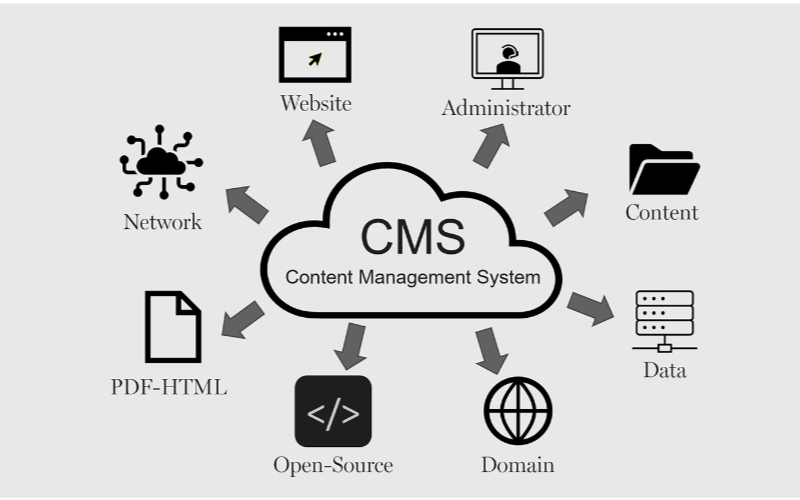
A Content Management System (CMS) is a software designed to help users generate and monitor virtual content on websites.
Sistema di gestione dei contenuti platforms provide tools for creating written content, editing and organizing web pages, and creating images.
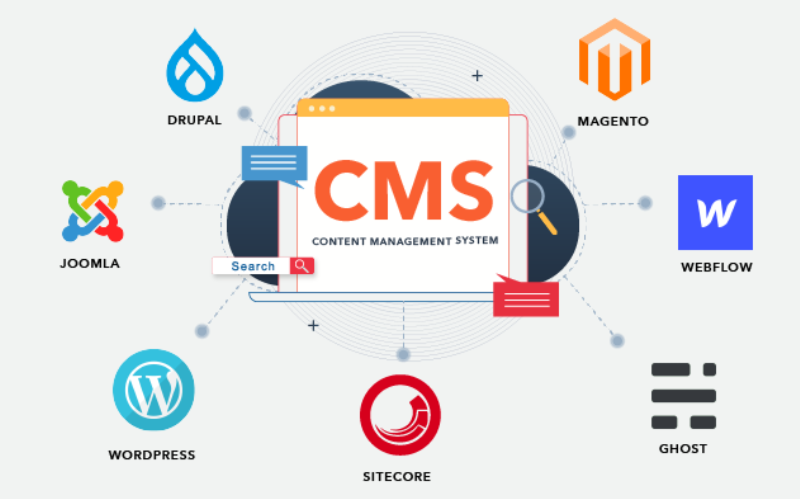
There are several content management system examples, such as WordPress and Drupal. Creators and businesses use these platforms to enhance operational functionality and improve engagement on their sites.
Importanza del CMS per i Chioschi
I chioschi necessitano di sistemi di gestione dei contenuti per funzionare in modo efficiente. Le aziende possono controllare tutto, dall'interfaccia del chiosco alle opzioni di pagamento e all'emissione di ricevute, garantendo flessibilità e processi più rapidi. Di seguito alcuni dei vantaggi del CMS per i chioschi:
Aggiornamenti dei Contenuti Semplificati
You can easily update content displayed on your kiosks without having to rebuild a page from scratch or write new codes with CMS. If you need to change product information, update prices, or add new products, a CMS makes this possible in real-time.
This gives you control over your content without waiting for a professional to write new codes. You can easily refresh promotional banners, make edits when mistakes happen, and put up new information as soon as you want.
Capacità di Gestione Remota
This is one of the biggest advantages of using content management systems. You can manage and control everything remotely without help from a professional.
Problems can be fixed and monitored closely from your location, sidelining the need to be physically present with the kiosk that developed an issue using a central dashboard.
Interazione Utente Migliorata
Sistema di gestione dei contenutis can help you develop a consistent structure to provide similar customer experiences across different locations.
Once updates are made on the central CMS, they reflect across all the kiosks at the same time, even if they’re in separate locations.
Your customers will appreciate seeing familiar faces and services across different kiosks, and this will build trust between you and them.
With the right CMS, your company could maximize the use of the kiosks to enhance customer convenience and value while keeping your operations efficient.
Tipi di Sistemi di Gestione dei Contenuti per Chioschi
When choosing the right content management system for kiosks, it’s important to pick one that will effectively manage what your customers interact with.
Every CMS platform has different levels of flexibility, functionality, and control; they are not the same. It’s important to choose one that will suit your needs.
Some systems manage everything in one place, while others separate content from presentation. Before going with a specific CMS. Here are three main types of content management systems for kiosks:
Coupled CMS
Coupled CMS is also known as the traditional CMS. It integrates both the backend and front end in one system. This means where you create and manage content and what your customers will see are in the same place.
Couples CMS for kiosks presents a single platform where everything is managed, from creating new content to updating previously uploaded ones and deciding how these contents appear on the screen. It is the best option for businesses that want an all-in-one solution.
Decoupled CMS
This type of CMS separates the content process from its presentation, this way, you have more control over your content delivery. The setup for this works in a way that you use different systems to create and store content and display it on kiosks.
The decoupled CMS makes it possible to display the same content on multiple channels, such as kiosks, websites, and phones, with ease.
This way, your content stays consistent across different platforms while still providing the option of customizing the user interface on them.
Headless CMS
A headless CMS takes things up a notch by completely separating content from its presentation. With headless CMS, your data can be stored in some backend system and delivered to devices or platforms using APIs.
Since there is no built-in frontend interface in headless CMS, it gives you total freedom. You can design how content is presented on kiosks, apps, websites, or any other digital platform.
Funzionalità Principali del CMS per Chioschi

Un Sistema di Gestione dei Contenuti (CMS) funziona per più della semplice creazione e gestione dei contenuti. Le aziende lo usano per gestire l'esperienza del cliente, assicurando che tutto scorra senza intoppi. Le caratteristiche principali del CMS per chioschi sono:
Ruoli Utente e Permessi
One important attribute a kiosk with CMS has is the different types of user roles and permissions. Every user shouldn’t have access to all the parts of the system; this will help you regulate each person’s role and function.
This feature keeps the system secure and well-managed, stopping unauthorized edits while allowing each person to take control of their tasks. This reduces disruptions and errors.
Gestione delle Risorse Digitali
Kiosks often require a variety of media, like pictures, videos, and interactive graphics, to engage users. It can become cumbersome to manage all of those digital assets without the needed tools.
With a sistema DAM, you can deposit all your multimedia files, organize them, and label them in one place for easy access.
You will be able to search for your assets much quicker, reuse your content across multiple kiosks, and make sure everything is stored in a standardized format.
Pianificazione e Pubblicazione dei Contenuti
A good content management system for kiosks also lets you create schedules for future content. This ensures that the right information goes up at the right time.
You can create content for the next day or week and schedule it to be published automatically at your desired time. This will work effectively for you if you need to change menus frequently.
Vantaggi dell'Utilizzo di un CMS nei Chioschi

L'uso dei sistemi di gestione dei contenuti non può essere sottovalutato. Dal servire i clienti in modo efficace al fare la differenza per le aziende, tutto viene semplificato con il CMS giusto.
Esperienza Utente Migliorata
Un vantaggio dell'utilizzo di un CMS per i chioschi è che hai il controllo totale su ciò che gli utenti vedono e con cui interagiscono. Puoi facilmente aggiornare i menu, presentare nuove promozioni e rivedere il layout per favorire una navigazione più fluida.
Consegna Efficiente dei Contenuti
Pushing the right content to the appropriate location at the right time might prove challenging since you may manage several kiosks across different locations.
A CMS simplifies this by allowing updates and uploading content to all your kiosks simultaneously without having to handle each one manually.
Efficienza Operativa Migliorata
Behind every great kiosk experience is a system that works seamlessly. A CMS helps you achieve smooth operations by centralizing the management tasks.
Rather than having a team of individuals physically update each kiosk, you can run all functions from a single dashboard.
Scegliere il CMS Giusto per i Tuoi Chioschi

Considerazioni sulla Compatibilità del Sistema
You already use various screens, operating systems, or even sensors in your kiosk setup. You should ensure the CMS you want to use is compatible with your hardware and software.
Not every CMS is suitable for all kiosks; for this reason, compatibility needs to be checked beforehand to avoid technical issues in the future.
Funzionalità di Scalabilità e Sicurezza
The size of your CMS should grow in proportion to the size of your business. Scalability must be one of the foremost considerations when you want to choose the right system.
As you add more kiosks, locations, or features, you’ll want a CMS that will expand with your new growth. A good CMS would support heavier traffic and more content, provided the performance remains unaffected.
Integrazione con i Sistemi Esistenti
Another important thing to note is how well the CMS will integrate with your other business systems.
You may already have other software, like inventory management, point-of-sale systems, or customer relationship management systems. A good CMS should seamlessly connect with such systems to ease operations.
Conclusione
Possessing the proper content management system platforms laid out for your kiosks is important in today’s world.
By choosing the right CMS, you set your business up for long-term success with the ability to scale, secure, and integrate kiosk operations easily.
Ready to change the way you manage your kiosks? Inviateci un messaggioe lasciate che vi aiutiamo a creare una soluzione di chiosco su misura per le vostre esigenze.

Kitty Tan
Consulente Esperto di Chioschi Personalizzati
Kitty è un'esperta di chioschi presso FlyXing. Con una vasta conoscenza ed esperienza nella progettazione e produzione di chioschi self-service, Kitty si specializza nella creazione di soluzioni personalizzate per soddisfare le diverse esigenze del settore.


