




Erogatore di prescrizioni
Indice dei contenuti
Iscriviti alla nostra newsletter
Questo blog ti mostrerà come questi sistemi di ordinazione digitale possono aumentare le vendite, ridurre i tempi di attesa e migliorare la tua esperienza al ristorante. Pronto a vedere il futuro del fast food?
Perché i chioschi di auto-ordine sono in aumento
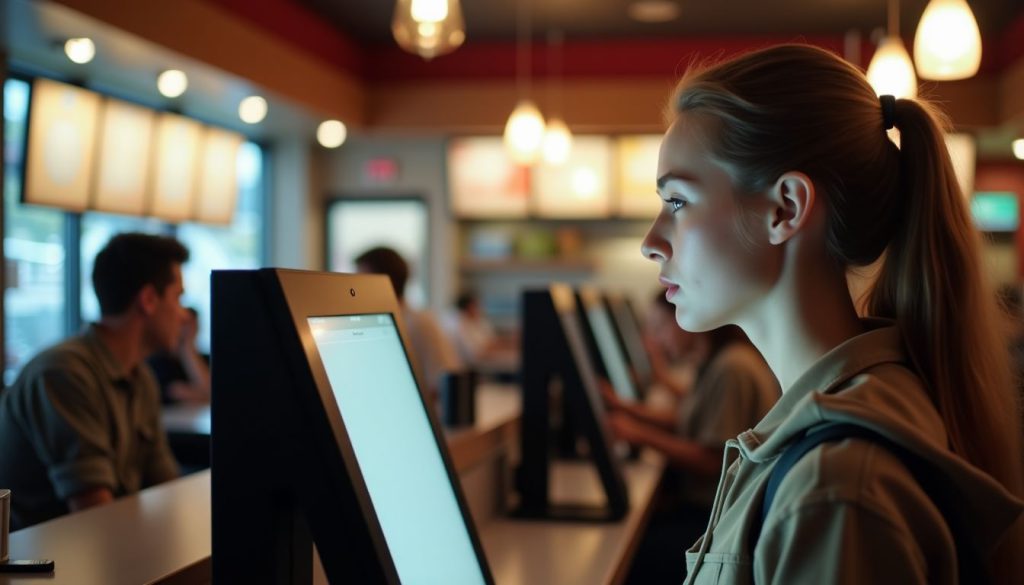
I chioschi di auto-ordine sono esplosi in popolarità poiché i clienti si aspettano ora un servizio più veloce con meno contatto umano. Questi sistemi digitali colmano una lacuna cruciale per i proprietari di ristoranti che affrontano carenza di personale e costi del lavoro in aumento.
Evoluzione per soddisfare le preferenze dei consumatori
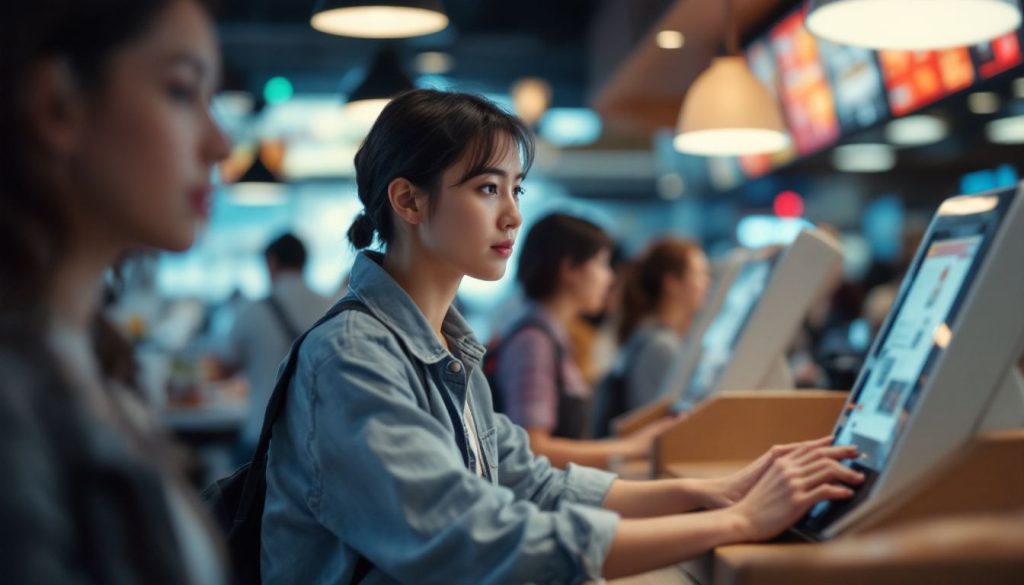
Customer habits have shifted dramatically in recent years, pushing restaurants to adapt quickly. The NPD Group reports a stunning 117% increase in digital ordering since the COVID-19 pandemic began.
This surge shows how much people now prefer touchscreen kiosks and contactless ordering options. A recent survey backs this up – 73% of customers favor self-service technologies that reduce their need to interact with staff.
Digital self-service kiosks aren’t just a trend; they’re a direct response to what you want as a modern diner.
You might notice more interactive menu displays in your favorite restaurants for good reason. Tillster’s research found that 65% of customers would visit restaurants more often if kiosks were available.
These new tools help people with food allergies or sensitivities see menu details without talking to the staff. The numbers show it clearly; you want faster and more private ways to order, and that’s changing how restaurants serve you.
Affrontare la carenza di personale

Carenza di personale hit restaurants hard in recent years. I chioschi per l'ordinazione autonoma offrono a smart solution to this pressing problem. These automated ordering systems let customers place orders without staff help, reducing the need for front-counter employees.
Major chains like McDonald’s have already proven this works – they’ve kept sales strong while using fewer workers. The numbers back this up too. Moe’s Southwest Grill in Pittsburgh even created kiosk-only stores that run with smaller teams.
During le ore di punta, these touchscreen ordering terminals handle multiple customers at once, something a limited staff simply can’t match.
Your restaurant can maintain service quality even with fewer team members on the floor. Self-service kiosks take over basic ordering tasks, freeing up your existing staff to focus on food preparation and customer service.
Studies from Tillster show customers actually prefer these digital ordering platforms when lines get long – 75% choose kiosks over cashiers if the cashier line exceeds 5 people. This jumps to 91% when the line reaches 10 people.
These customer-operated terminals help you serve more guests efficiently without scrambling to hire in a tight labor market.
Vantaggi Principali dei Chioschi per l'Ordinazione Autonoma

I chioschi per l'ordinazione autonoma offrono molti vantaggi per i ristoranti di servizio rapido. Queste soluzioni digitali aumentano i profitti rendendo allo stesso tempo i tuoi clienti più felici.
Aumento degli Importi degli Ordini
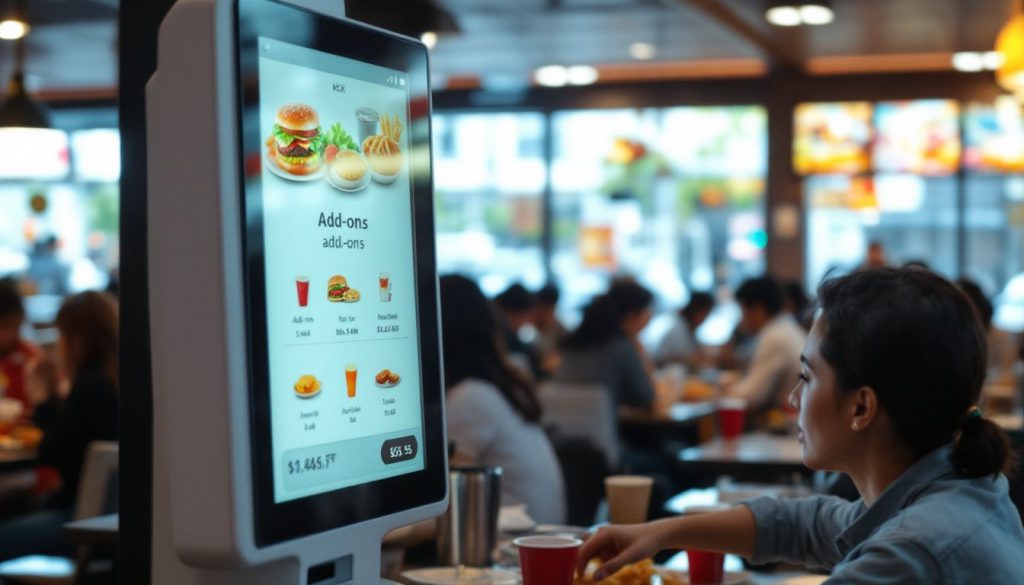
Self-service kiosks boost your restaurant’s bottom line through larger order values. At BestKiosk, I’ve seen firsthand how our kiosk systems drive up sales by showing appealing images and suggesting add-ons at just the right moment.
The numbers speak for themselves, McDonald's ha riportato un aumento del 30% negli importi degli ordini con gli utenti dei chioschi che spendono circa 1 dollaro in più per ordine. Taco Bell ha visto un cambiamento ancora più drammatico with digital orders bringing in 20% more revenue than cashier-placed orders.
Kiosks excel at smart upselling without the pressure customers might feel from human cashiers. Your guests can browse at their own pace and often add items they might not have considered.
McDonald’s found that 20% of customers added drinks when prompted by kiosks, while Chili’s boosted dessert sales by 20% after adding table kiosks. The touchscreen experience makes menu optimization easier as you gather data on what your customers actually want.
Tempi di attesa ridotti
Kiosks cut your wait time by almost 40%, based on Appetize data. You won’t stand in long lines while staff takes orders during lunch rush. These smart machines process multiple orders at once, unlike a single cashier who handles one customer at a time.
I’ve seen restaurants transform their busiest hours with these systems as what used to be chaotic lunch periods now run smoothly with fewer staff members. The kiosks handle order entry while employees focus on food preparation and delivery.
This creates a faster, more pleasant experience for everyone.
The technology also removes common delays caused by communication errors. Your order goes directly to the kitchen exactly as you entered it. No more mishearing “no onions” as “extra onions.” During peak hours, this accuracy speeds up the entire process from ordering to receiving your meal.
Ristoranti on tight budgets benefit too, as they need fewer workers during busy shifts while still serving more customers efficiently.
Precisione degli ordini migliorata
Self-service kiosks put you in control of your order, cutting down mistakes that happen during busy times. You place your order directly into the system, which means no staff member has to interpret what you want.
Our customers report fewer errors since they can see their selections on screen and confirm before payment. These kiosks display all menu options clearly, making it easy to add or remove ingredients with a simple tap.
The direct input method removes the risk of miscommunication that often occurs between customers and staff at the counter. You’ll notice fewer order mix-ups and more precise delivery of your food preferences.
This accuracy leads to happier dining experiences and fewer complaints about wrong orders. Many restaurant managers tell us customer satisfaction scores climb after kiosk installation, mainly due to getting exactly what they ordered.
Il Ruolo della Tecnologia nei Chioschi
I chioschi moderni ora utilizzano l'IA per prevedere cosa potresti voler ordinare in base alle scelte passate. Questi sistemi intelligenti tengono anche traccia dei dati di vendita per aiutare i proprietari di ristoranti a prendere decisioni migliori sul menu.
Ordinazione Abilitata all'IA
Chatbot alimentati da IA now make your kiosk experience smarter and more personal. You’ll notice these systems remember your past orders and suggest items that match your dietary needs.
Our tests with our kiosk showed how natural voice commands let customers order just by speaking, with the AI understanding context perfectly. This makes ordering faster and more accurate than traditional methods.
Deloitte research shows customers want this technology because 81% prefer automated voice systems for drive-thru orders. The kiosks don’t just take orders; they learn from each transaction.
The machine learning algorithms study what you buy and when you buy it, creating a custom experience each time you visit. This smart approach helps restaurants serve you better while collecting valuable dei dati di vendita to improve their menu offerings.
Tracciamento dei Dati di Vendita e del Comportamento dei Clienti
Self-ordering kiosks collect valuable data that helps you understand exactly what your customers want. Every tap and selection creates insights about popular items, peak ordering times, and combo preferences.
The NPD Group reports digital ordering grew by 117% from February 2020 to February 2022, showing how much customers now prefer these digital options. This data helps you make smart choices about menu design, pricing, and marketing that match what your customers actually want—not what you think they want.
Kiosks also boost your loyalty program sign-ups and create perfect upsell moments. Your staff can’t always remember to suggest add-ons, but kiosks consistently offer that extra side or dessert.
This explains why McDonald’s saw a 5-6% sales increase at locations with kiosks. The system tracks which offers work best and adjusts in real-time to improve results. Your marketing becomes more targeted as you learn exactly which promotions drive repeat visits and higher spending per order.
Conclusione
Self-ordering kiosks have moved from luxury to necessity in quick-service restaurants. Your customers now expect the speed, accuracy, and convenience these digital systems provide.
Restaurant owners who adopt this technology see real results – bigger check sizes, shorter lines, and happier guests. The data proves it works: 65% of customers visit more often when kiosks are available.
As staff shortages continue and digital natives make up more of your customer base, these touchscreen solutions will define success in fast food. The future of quick-service dining isn’t just digital – it’s already here at the kiosk.
FAQs
1. Cosa sono i chioschi per l'ordinazione autonoma e perché sono importanti per i ristoranti di servizio rapido?
I chioschi per l'ordinazione autonoma sono schermi digitali dove i clienti possono effettuare autonomamente gli ordini di cibo senza parlare con il personale. Riducono i tempi di attesa e permettono ai ristoranti di servire più persone con meno dipendenti. Queste macchine aiutano anche i locali a raccogliere dati su ciò che ai clienti piace ordinare.
2. I chioschi per l'ordinazione autonoma aumentano davvero le vendite?
Sì! I ristoranti che utilizzano i chioschi segnalano aumenti delle vendite del 15-30%. I clienti tendono a ordinare più articoli quando possono vedere le immagini e non si sentono pressati dalle persone in attesa dietro di loro.
3. I chioschi sostituiranno i lavoratori umani nei fast food?
I chioschi cambiano i ruoli lavorativi anziché eliminarli. I lavoratori passano dal prendere ordini ad aiutare i clienti a usare i chioschi, consegnare il cibo o migliorare l'esperienza di ristorazione. La maggior parte dei ristoranti ha ancora bisogno dello stesso numero di personale, solo in posizioni diverse.
4. Quanto costa installare chioschi per l'ordinazione self-service?
I sistemi di chioschi base partono da circa 5.000 dollari per unità, mentre i modelli avanzati con funzioni personalizzate possono arrivare a 15.000 dollari ciascuno. Nonostante questo costo iniziale, molti locali alimentari vedono un ritorno sull'investimento entro 6-18 mesi grazie all'aumento delle vendite e alla riduzione dei costi del lavoro.

Kitty Tan
Esperto Consulente per Chioschi Personalizzati
Kitty è un'esperta di chioschi presso FlyXing. Con una vasta conoscenza ed esperienza nella progettazione e produzione di chioschi self-service, Kitty si specializza nella creazione di soluzioni personalizzate per soddisfare le diverse esigenze del settore.


