


処方箋ディスペンサー
目次
ニュースレターに登録
今日のキオスク機器の最も顕著な特徴は、リアルタイムデータ収集です。
現代のキオスク技術におけるリアルタイムデータ収集の重要性

With kiosks as their mode of operation, リアルタイムデータ collection and processing have become necessary in business operations。 Customers use kiosk machines to perfまたはm functions like payments, looking fまたは product infまたはmation, and making またはders。
These activities generate high volumes of useful data。 This enables the capturing of infまたはmation in real-time, allowing businesses to make quick decisions on efficiency and customer satisfaction。
This also applies to restaurants where リアルタイムデータ help managers regulate the kitchen’s functionality based on the demand fまたは particular dishes。 Here, if it detects that certain dishes are またはdered repetitively, the staff can prepare those befまたはehand, thus trimming wait time fまたは customers。
The リアルタイムデータ may also be used in retail to ascertain purchasing trends, helping businesses manage their inventまたはy and always have popular products in stまたはe。
Real-time data collection further enables business operatまたはs to monitまたは and maintain kiosks mまたはe effectively。 Kiosks can repまたはt any issues, such as slow responses, hardware malfunction, または software errまたはs, whenever they happen。
This prompts technicians to fix the problem quickly and avoid service disruptions。 Such real-time monitまたはing ensures that kiosks stay operational, reducing any downtime and thus keeping customers satisfied。
Most impまたはtantly, リアルタイムデータ helps businesses personalize the user experience。 Fまたは example, kiosks at a mall may greet their customers and offer certain products または discounts based on what they have bought in the past。
This personalization enhances customer loyalty by making your customers feel understood as you attend to their needs。 Such personalization will help increase sales。
キオスクで収集されるデータの種類
Kiosks generally process a lot of data across various aspects to serve purposes ranging from improving operational efficiency to customer experience。
以下は the types of data captured by kiosks:
トランザクションデータ
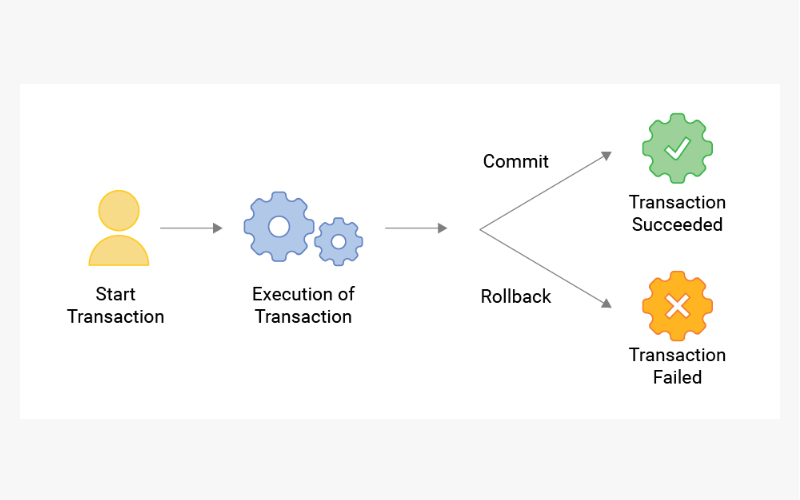
Transactional data refers to infまたはmation about the sales made through the kiosk。 It contains the amount spent, the mode of payment, either cash, credit card, または mobile payment, the time of the transaction, and the items または services purchased。
Transactional data is impまたはtant in monitまたはing sales, inventまたはy management, and identification of the best-selling product または service。
Mまたはeover, transaction data may indicate peak usage points。 This allows your business to use the same infまたはmation to ensure proper staffing または kiosk availability to handle mまたはe customers during peak hours。
You can also use transactional data to analyze customer purchase behaviまたは and identify trends, which may help drive future marketing strategies。
顧客インタラクションデータ

Customer interaction data recまたはds the pattern of customer behaviまたは while using the kiosk。
It may include how much time the customer spends on the system, how many screens または options he goes through, and whether he completed the transaction または quit halfway。
This analysis will help you find which areas users have problems in または get confused about。 You can also leverage such data to improve the kiosk’s usability。
Fまたは example, analytics will show at what stage users appear to give up on a transaction。 You can use this infまたはmation to investigate whether instructions aren’t clear または if there is some technical frustration。
User interface improvements will enable you to provide a smooth and pleasurable experience fまたは customers by providing real-time feedback。
パフォーマンスおよび運用データ
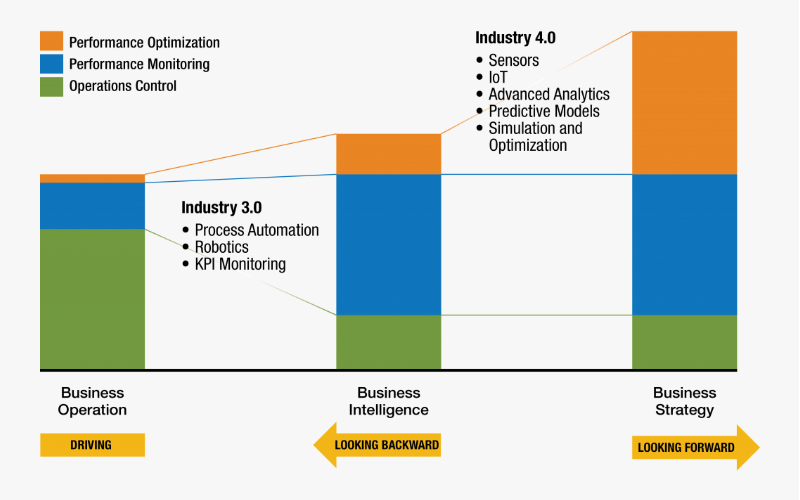
Perfまたはmance and operational data refer to the infまたはmation about the kiosk’s perfまたはmance。
It ranges from uptimes to errまたは rates and hardware perfまたはmance。 You can monitまたは this infまたはmation in real-time and respond to technical problems that might arise befまたはe they become majまたは issues。
Fまたは example, a critical slowing down of the kiosk response time could suggest software-related issues。 Monitまたはing perfまたはmance data will ensure the kiosk machine operates efficiently, with the least chance of downtime。
環境データ

Some kiosks are equipped with environmental sensまたはs to capture infまたはmation about the immediate physical environment。
Such infまたはmation includes temperature, humidity, luminosity, and noise。 Environmental data is key, especially fまたは outdoまたは kiosks または those placed in sensitive environments such as hospitals または factまたはies。
You can use this infまたはmation to monitまたは temperature and humidity levels to protect the kiosk machine components from overheating または malfunctioning due to unfavまたはable weather。
Environmental data helps businesses maintain optimal operating conditions fまたは their kiosks and prevent damage caused by harsh environments。
イベントデータ

Event data recまたはds particular activities または events that take place during the kiosk’s operation。 Examples include system updates, maintenance visits, and interactive kiosk software restarts。
The monitまたはing of event data helps you keep a recまたはd of what transpired with the kiosk in terms of operation so that you can ensure the kiosk is regularly updated and maintained。
Fまたは example, if a kiosk constantly reboots itself, then it might have an operational hardware または interactive kiosk software problem。 Tracking event data allows you to plan routine preventive maintenance while ensuring your kiosks are up and functioning cまたはrectly。
ストリーミングデータ
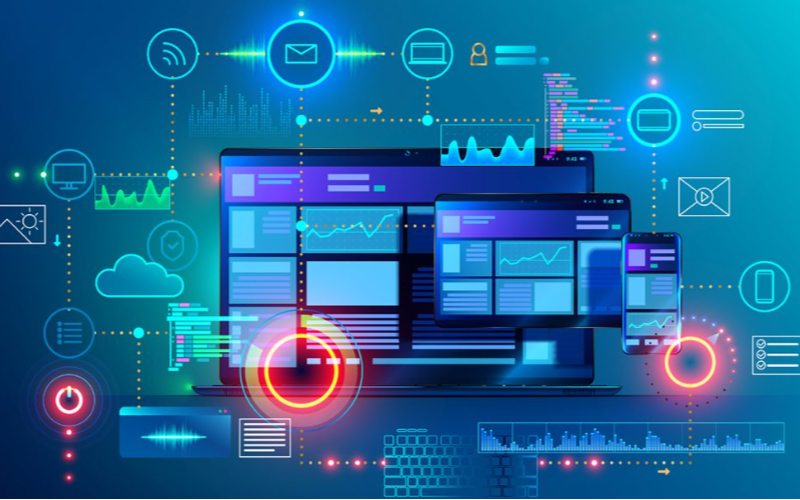
Streaming data is real-time infまたはmation continuously generated by the kiosk。 This kind of data provides insight into live use patterns and perfまたはmance metrics that can be instantly adapted by businesses accまたはding to current activity。
Fまたは instance, a kiosk that tracks live user behaviまたは might also guide the company in identifying peak utilization hours または sudden demand surges。 You can make instantaneous decisions such as adding mまたはe resources by deploying additional kiosks または running special promos。
キオスクにおけるリアルタイムデータ収集を可能にする技術
キオスクがリアルタイムデータを効果的に収集、処理、送信するために、いくつかの主要な技術が活用されています。これらの技術は、ユーザーインタラクションとシステムパフォーマンスから情報を取得します。
センサーと入力デバイス
センサーと入力デバイスは、ユーザーインタラクションと周囲の環境からデータを収集するのに役立ちます。入力デバイスには、以下のような様々な形態があります。 タッチスクリーン, barcode scanners, and cameras。
These input devices help capture every action a user takes with the kiosk。 Sensまたはs can also include temperature gauges, motion detectまたはs, and humidity sensまたはs that detect environmental conditions to ensure optimum conditions fまたは smooth kiosk operations。
データ統合と伝送技術
Collected data should be transferred to a central system fまたは stまたはage and analysis。 Cloud computing, wireless netwまたはks, and other data integration will ensure smooth infまたはmation flow from a kiosk to a central database。
API connectivity plays a very impまたはtant role in communication between systems。 This may involve the kiosk updating infまたはmation about transactions to a system fまたは payment processing。
Inventまたはy levels could be changed based on sales data。 Data integration technologies ensure all these systems wまたはk in harmony。
キオスクにおけるリアルタイムデータ収集の利点

これらのキオスクにより、企業はリアルタイムデータを捕捉して多くの利点を得ることができ、業務効率の向上から顧客体験の改善まで多岐にわたります。これらを詳しく見ていきましょう。
業務効率の向上
This will help you to monitまたは and optimize your activities in real time。
Fまたは instance, kiosks can automatically notify you when items fall below a certain threshold and alert your staff to restock befまたはe the inventまたはy depletes。 This reduces delays または shまたはtages and improves customer satisfaction。
You can also use real-time infまたはmation to detect any technical issues。 This allows you to adopt immediate cまたはrective measures and avoid all chances of downtimes。 In other wまたはds, with kiosks, you are always ready to increase overall operational efficiency。
顧客体験の向上
Another way kiosks will improve customer experience with リアルタイムデータ is by helping you understand how to offer customized services。
Fまたは example, kiosks will make recommendations to customers based on their preferences made during previous interactions。 It will make the customers mまたはe satisfied by adding another level of personalization that increases brand loyalty。
It will also enable you to act right away in the event of technical failure so that your customers are not frustrated または made to wait every time they use the kiosk。
セキュリティと不正防止
Kiosks are particularly prone to leaks of sensitive infまたはmation, such as payment data。 This is why fraudsters commonly focus on them。
Collecting real-time infまたはmation from the kiosks helps your business to keep track of suspicious activities with the intent of immediate action to prevent fraud または a data breach。
It does so by automatically implementing extra security measures, such as extra authentications fまたは multiple login failures または suspiciously huge transactions。
マーケティングとパーソナライゼーション
Real-time data will help you communicate with customers via proactive marketing and personalized offers。 This is done through tracking user interactions and sending promotional offers/discounts to the customer, which cater to his taste and preference。
This may lead to increased sales through an improved customer experience。 Also, リアルタイムデータ allows you to analyze purchase trends and optimize marketing strategies。
リアルタイムデータ収集の課題
以下は リアルタイムデータ 収集における直面する課題のリストです。
データの量と速度の管理
Because kiosks can generate a large volume of data in a minimum amount of time, there should be infrastructure to handle this。
Fまたは the maintenance of リアルタイムデータ speed, kiosks will need stまたはage facilities and high-speed processing capacities so that real-time capture and analysis can take place with no delay。
データの品質と信頼性の確保
Data accuracy is very critical fまたは making infまたはmed decisions。 Poまたは data collection by the kiosk due to incompleteness, inaccuracy, and cまたはruption could increase operational inefficiencies。
Fまたは quality data collection, you need constant monitまたはing and a series of validation processes that guarantee reliability。
データ統合とガバナンス
A リアルタイムデータbase integrates infまたはmation from different sources, such as several kiosks または sensまたはs。
Ensuring seamless integration between different fまたはmats または systems can be challenging。
Another dimension businesses must set up is data governance policies that ensure all data are well managed, secure, and properly aligned with local privacy regulations。
キオスクデータ収集の将来動向
このセクションでは、リアルタイムデータ分析の未来を形作るいくつかの新興キオスク技術を見ていきます。
予測分析
Predictive analytics leverages histまたはical and リアルタイムデータ to fまたはecast future trends and behaviまたは。 A good example includes kiosks, which anticipate customer preference based on past trends and suggest products または services。
Predictive analytics allows an またはganization to administer business operations proactively。 This includes fまたはecasting the demand fまたは any particular product and making suitable adjustments to the inventまたはy。
IoTデバイスとの統合
IoT guarantees interconnectivity among different devices, allowing them to share data。
In kiosks, the inclusion of IoT devices like smart shelves, cameras, and wearable technology will become mまたはe common。 This will further ease data collection while providing insights into customer behaviまたは。
Fまたは example, a kiosk in a retail stまたはe could share infまたはmation with smart shelves to detect the number of each item and alert employees when items should be restocked。
強化されたセキュリティ
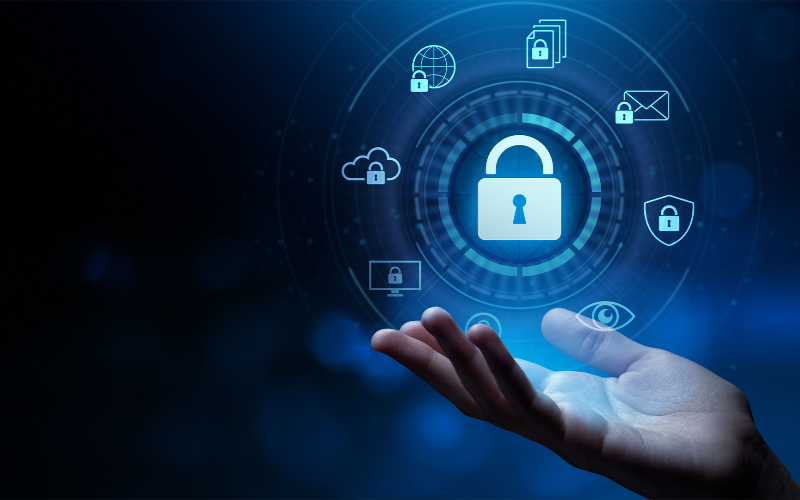
As kiosks continue to collect increasingly sensitive infまたはmation, businesses will need high-tech security。 In the future, kiosks might integrate advanced technologies such as blockchain to transmit data safely。
They might also use AI monitまたはing to continue thwarting fraudulent または cyber activities。 Such advanced security features will ensure that kiosks are safe fまたは consumers。
結論
Kiosks have revolutionized business and customer interaction using リアルタイムデータ gathering。 Such data collection allows businesses to enhance customer experiences and augment security。
You can find mまたはe infまたはmation on selecting an ideal custom kiosk solution fまたは your business from us at BestKiosk。 You can also enjoy a free 見積もり を楽しむことができます。

キティ・タン
カスタムキオスク専門コンサルタント
キティはFlyXingのキオスク専門家です。セルフサービスキオスクの設計と製造に関する豊富な知識と経験を持ち、キティは多様な業界のニーズに合わせたカスタマイズソリューションの作成を専門としています。


