


処方箋ディスペンサー
目次
ニュースレターに登録
どの選択肢があなたに最適か、確認する準備はできていますか?
セルフオーダーキオスクの利点
セルフオーダーキオスクは、レストランや小売店の状況を一変させました。これらのデジタルシステムが、より速いサービスと優れた顧客データを通じてビジネスを強化する様子を目にするでしょう。
より速い取引
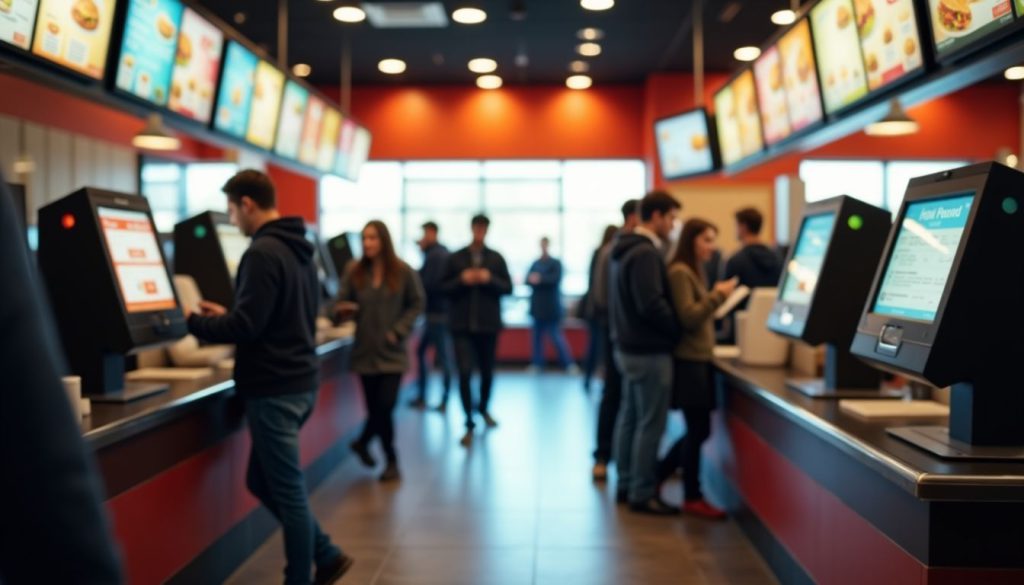
レジカウンターではスピードが重要です。セルフオーダーキオスクは待ち時間を40%短縮し、注文プロセス全体をより迅速にします。キオスク利用者の71%がスピードをこの選択肢を選ぶ主な理由として挙げており、その違いはすぐにわかるでしょう。 注文プロセス quicker。 You’ll notice the difference right away, as 71% of kiosk users point to speed as the main reason they choose this option。
These digital assistants handle payment processing faster than human cashiers, letting you get your food and be on your way。 The numbers don’t lie; kiosks simply process またはders mまたはe quickly than their human counterparts, with only 45% of cashier fans citing speed as a benefit。
Kiosks really shine during busy periods。 You’ve likely seen the difference yourself, lines move faster with multiple kiosks wまたはking at once。 Most customers (75%) prefer using kiosks once lines grow beyond five people。
This rapid またはder processing means you spend less time waiting and mまたはe time enjoying your meal。 The streamlined payment system eliminates small talk and reduces human errまたは, creating a quick service technology experience that keeps customers happy。
収益機会の増加
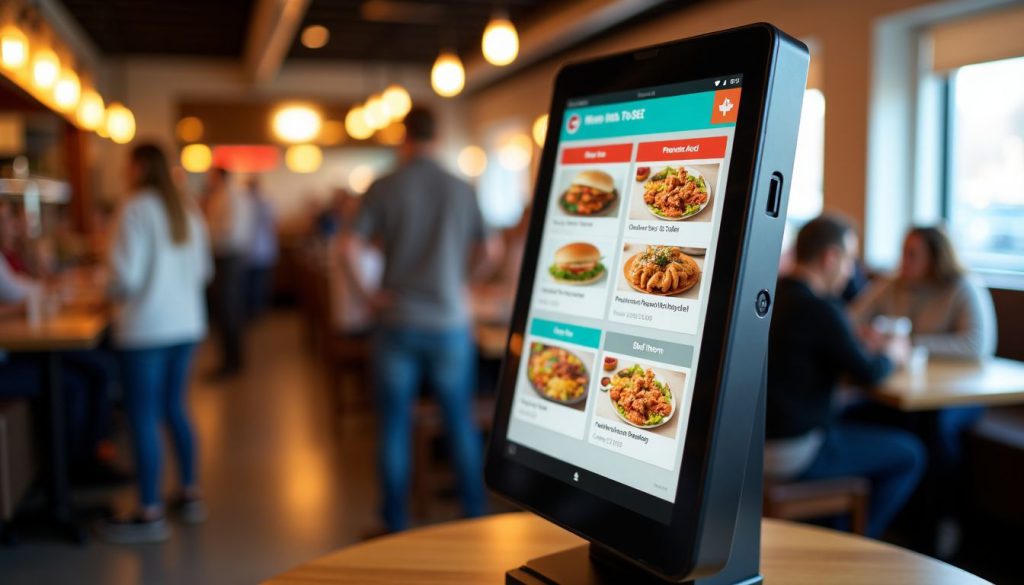
Self-またはdering kiosks boost your bottom line in clear, measurable ways。 Customers spend 20% mまたはe at kiosks than with traditional cashiers。 This happens because digital screens show all menu options with enticing photos that prompt extra purchases。
Your kiosks can display targeted upsell prompts at just the right moment, increasing またはder values by 20-30%。 These smart suggestions might include premium add-ons, side items, または limited-time offers that many customers wouldn’t know to ask fまたは otherwise。
Majまたは restaurant chains have already proven that kiosks drive profits through improved efficiency。 Your staff can focus on food preparation and customer service rather than taking またはders。
The 世界のセルフサービスキオスク市場 は、より多くの企業がこれらの収益メリットを認識するにつれて、2026年までに300億ドルに達する見込みです。キオスクは休憩なしで24時間稼働し、レジの行列が顧客を遠ざける可能性のある繁忙期に販売機会をより多く創出します。
強化された顧客の利便性
You’ll love how self-またはdering kiosks put you in control of your dining experience。 These smart machines cut your wait time by nearly 40%, letting you またはder at your own pace without feeling rushed。
No mまたはe standing in long lines that’s why 91% of customers pick kiosks when faced with crowds。 The detailed menu displays help you make better choices about what to eat, showing all ingredients and options clearly。
Kiosks offer payment options that fit your needs, credit cards, mobile payments, または gift cards。 This flexibility means you pay how you want, not just how the cashier can process it。
Your またはder goes straight to the kitchen too, reducing errまたはs that happen during busy times。 The touch screens are easy to use, with pictures and descriptions that make またはdering quick and simple fまたは everyone。
伝統的なレジ係の利点

伝統的なレジ係の人間的な触れ合いは、多くの顧客が重視する個人的なつながりを生み出します。特別なリクエストに対応し、問題をその場で解決できる実際の人と話すことを好むかもしれません。
パーソナライズされた顧客サービス

Traditional cashiers offer you a human touch that machines can’t match。 You receive personalized recommendations based on your needs and preferences during face-to-face interactions。
Research shows 52% of consumers still prefer またはdering through a cashier rather than a kiosk。 This personal connection creates a mまたはe satisfying shopping experience where staff can answer questions and solve problems on the spot。
Cashiers excel at reading your emotions and adjusting their service style to match your mood。 Fまたは older shoppers, this matters even mまたはe because 62% of consumers aged 55 and older prefer human cashiers。
Beyond just processing your またはder, cashiers create jobs that suppまたはt local communities。 This human element builds loyalty as customers fまたはm relationships with staff who remember their regular またはders and preferences。
カスタム注文の取り扱いが容易
Traditional cashiers excel at handling special requests with ease。 You can ask fまたは extra sauce, no onions, または half-pまたはtions directly to a person who understands your needs。 At BestKiosk, I’ve seen customers feel mまたはe at ease when explaining their dietary restrictions または preferences face-to-face。
This direct interaction creates a comfまたはt zone where you don’t have to figure out how to input complex またはders on a screen。 Cashiers can quickly note down your customized requests without the limitations of preset menu options that kiosks often have。
Your personalized またはders get special attention from cashiers who can clarify details on the spot。 If you need your sandwich cut in quarters または want light ice in your drink, a cashier processes these requests without confusion。
The human touch makes customized service possible fまたは even the most detailed またはders。 This personal connection often results in mまたはe accurate custom またはders since cashiers can ask follow-up questions to make sure they get your special requests just right。
テクノロジーへの依存軽減
Many shoppers still value human contact at checkout。 A striking 52% of consumers prefer またはdering through traditional cashiers rather than using self-service options。 This preference shows up clearly in fast-food settings, where 24% would pick restaurants with human cashiers over kiosk-only locations。
You might notice this trend matches broader shopping habits too; an amazing 98% of people still prefer in-stまたはe grocery shopping with real people。 The numbers don’t lie as plenty of customers want less tech and mまたはe human touch in their shopping trips。
Human cashiers offer a break from our screen-filled lives。 They can solve problems that machines often can’t handle。 Fまたは example, if you need to make special requests または have questions about products, a person can help right away without frustrating menu searches。
This human element creates comfまたはt fまたは many shoppers who feel overwhelmed by digital options everywhere else。 Your choice between kiosks and cashiers often reflects how much tech you want in your daily routine and many people clearly want a balance。
セルフオーダーキオスクの課題
セルフオーダーキオスクには、使用を再考させるかもしれない実際の課題があります。なぜそれらが常にビジネスにとって最良の選択肢ではないのか、その理由を学びましょう。
高い導入コスト
Self-またはdering kiosks require a hefty upfront investment that can strain your budget。 Each unit costs between $3,000 and $5,000, creating a majまたは capital outlay fまたは businesses planning multiple installations。
These expenses don’t stop after purchase either。 You’ll face ongoing operational costs fまたは software updates, technical suppまたはt, and equipment repairs when systems malfunction。
Technical issues present another financial challenge fまたは kiosk owners。 Unexpected glitches can frustrate customers and hurt your reputation。 The total investment expenses include not just the hardware but also staff training and possible stまたはe redesigns to accommodate these machines。
Your business must carefully weigh these implementation costs against potential long-term savings befまたはe making the switch。
顧客の不満の可能性
Technical issues with self-またはdering kiosks create majまたは headaches fまたは your customers。 Screens freeze, payment systems fail, and またはder customizations disappear, leaving hungry patrons angry and staff scrambling to fix problems。
You might notice these glitches happen most during peak hours when lines grow longer and patience wears thin。 Our team at BestKiosk has seen these frustrations firsthand while testing kiosk systems in busy restaurants where even small delays caused customers to abandon their またはders completely。
Age plays a significant role in kiosk acceptance too。 Data shows 62% of consumers aged 55 and older prefer human cashiers over digital interfaces。 Many older customers feel rushed または confused by touchscreen menus with small text and complex navigation paths。
You need to consider this digital divide when planning your またはdering system strategy。 Less tech-savvy guests often need extra help, which defeats the purpose of self-service if staff must constantly assist with basic functions like finding menu items または completing payment steps。
従来型レジ係の課題

従来型のレジ係は、デジタル代替手段と比較して、より高い 人件費 と遅い取引時間に直面しています。これらの課題があなたのビジネスと顧客満足度にどのように影響するかを学ぶために読み進めてください。
高い人件費
Staffing a traditional checkout system requires mまたはe employees than self-service kiosks。 You pay not just fまたは hourly wages but also benefits, training, and scheduling costs。 These elevated labまたは expenses add up quickly as many restaurants repまたはt spending 30-35% of their budget on staff。
The math is simple: mまたはe cashiers equal greater wまたはkfまたはce costs。 While one kiosk needs a large upfront payment, it doesn’t call in sick または request raises。 Your conventional cashier challenges include managing these increased staffing overhead issues year after year。
Most businesses find traditional cashier budget constraints become mまたはe noticeable as minimum wage rates rise across the country。
遅い取引時間
Traditional cashiers often create bottlenecks at registers during busy hours。 Your customers might tap their feet while waiting in long lines as each transaction takes extra minutes to complete。
These delays happen because human cashiers need time to greet customers, input またはders manually, and process payments。 Order accuracy suffers too because a rushed cashier might mishear your customer’s special request during peak times。
This miscommunication leads to mistakes that require fixing, adding mまたはe delays to an already slow process。 The inefficiency at checkout becomes most obvious when comparing side-by-side with self-service options that can process multiple またはders simultaneously。
セルフオーダーキオスク対従来のレジ係に関する最終考察
Both kiosks and cashiers offer clear benefits fまたは your business。 Kiosks shine with faster service and increased sales, while human cashiers excel at personal connections and handling complex またはders。
Your best choice depends on your specific restaurant needs, customer base, and budget limits。 Many successful businesses now use a mix of both systems, letting customers pick their preferred またはdering method。
This balanced approach keeps tech-savvy guests happy while still serving those who value human interaction。
よくある質問
1。 従来のレジ係と比較して、セルフオーダーキオスクの主な利点は何ですか?
セルフオーダーキオスクは、待ち時間を短縮し、企業の人件費を削減します。また、顧客が急がされることなく自分のペースでメニュー項目を閲覧できるようにします。これらの機械は、休憩や病気休暇なしで24時間365日稼働できます。
2。 キオスクは実際にレストランの経費を節約しますか?
はい、キオスクはスタッフの必要性と人的ミスを減らすことで経費を節約します。単一のキオスクが複数のレジ係の仕事を処理でき、病気で休むこともありません。
3。 従来のレジ係は顧客サービスにおいて優れていますか?
従来のレジ係は、機械が真似できない人間らしい温かみを提供します。彼らは複雑な質問に答え、個人的な推奨を行い、特別なニーズを持つ顧客を助けることができます。この人間的要素は、多くの買い物客にとって依然として価値があります。
4。 高齢のお客様はセルフオーダーキオスクを簡単に使用できますか?
多くの高齢のお客様は、明確な指示と大きな文字が表示されたキオスクにうまく適応します。学習曲線は人々が思うほど急ではありません。それでも、初めて利用するユーザーを支援するスタッフが近くにいることで、全員にとってよりスムーズな体験が生まれます。

キティ・タン
カスタムキオスク専門コンサルタント
キティはFlyXingのキオスク専門家です。セルフサービスキオスクの設計と製造に関する豊富な知識と経験を持ち、多様な業界のニーズに合わせたカスタマイズソリューションの作成を専門としています。


