


Prescription dispenser
Table of Contents
Sign up to our newsletter
To decide which kiosk should be used, you need to analyze the steps for successful kiosk deployment and the overall purpose of the project. This covers industry, location, target audience, and much more.
Identifying the Purpose of Kiosk Deployment
At the beginning of a project, you should define your goals for the kiosk system. The kiosk’s purpose will significantly impact the features used in the design, which will guide how you allocate resources throughout the implementation.
When defining these goals, you should consider if they are specific, measurable, attainable, relevant, and time-bound (SMART). This will ensure that all goals are realistic and direct your focus to any gaps in the business.
You need to use a systematic approach to identify possible gaps or areas of improvement. Evaluating your business needs and objectives is critical to your company’s long-term growth.
You can conduct several analyses to identify challenges in any process. There could be issues with outdated technology, slow service speed, and general market changes.
Every issue cannot be tackled at the same time. Your assessment will help you decide which area should be prioritized and why. It will identify if your challenges may be solved by installing kiosks.
Understanding Your Audience

You need to consider your ideal target audience before drafting kiosk design ideas. This involves selecting your customer demographics, such as age and their preferences. Knowing the answers will make your kiosk sample design a breeze.
This will help you test the functionality, size options, etc. Then you can decide which features suit your needs the most. This is crucial for kiosk deployment overall. Any missteps in design may cause more frustration for your target audience rather than make tasks easier.
You may want to consider a testing session with members of your target audience to evaluate their tech savvy and general opinions about navigating the kiosk.
It is best to use very interactive features to entice younger persons or very simple and concise process designs for older persons.
Planning Your Kiosk Deployment
Budget Considerations
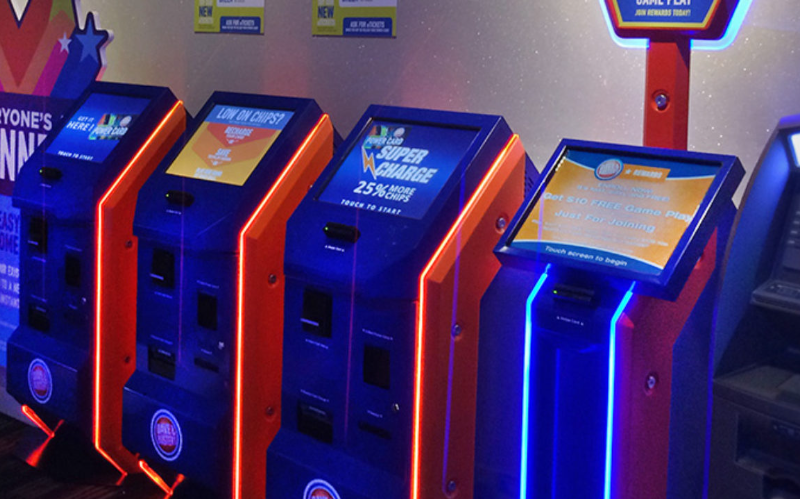
Establishing a budget is the hardest step of kiosk deployment. The budget needs to cover the design and planning of the kiosks, the preparation of samples, and the costs of all hardware and software components.
The budget will dictate the quality of the kiosk design and which kiosk manufacturer you will need to partner with to properly execute the kiosk deployment.
Additional costs for training technical/user support, ongoing testing, and maintenance should also be included in your budget considerations.
Site Assessment and Location Selection
If you do a poll online and ask, “Where are kiosk machines located?” you will get thousands of responses. Kiosks are at the forefront of several business processes. Banks, commercial shopping malls, doctor’s offices, and supermarkets utilize self-service kiosks.
Site assessments ensure the safety and integrity of the location. It will determine how the electrical and network will perform during and after the kiosk deployment. If any issues arise, you can switch or arrange different locations that can handle the new technological load.
Each assessment must be done with care. Once the locations are tested to consider user traffic and accessibility, you can approve or re-evaluate and adjust positioning. You will need expert assistance to resolve any issues immediately.
Timeline and Stakeholder Coordination
Developing a realistic timeline for your kiosk deployment is essential. Informing stakeholders of critical timeframes will help the kiosk deployment proceed smoothly. It also allows you to keep track of stakeholder feedback and consumers’ thoughts.
Some requirements may affect the production timeline of self-service kiosk manufacturers around the world. You need to align your time with your long-term goals. This will minimize disruption to regular business and save you money in the long run.
Choosing the Right Kiosk Solution
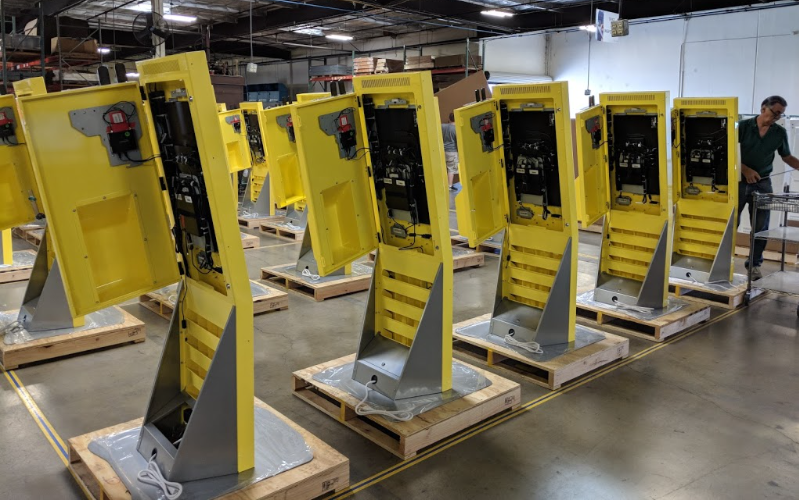
There are several areas that you need to determine when deciding on the kiosk sample design or the best manufacturer. The main ones are hardware considerations, software requirements, and security and compliance issues.
Hardware Considerations
Hardware covers the screen size and display quality, input such as scanners or biometrics, and output such as printers. You need to factor in a kiosk’s durability in different environments, whether the placement will be outdoors or indoors, as well as its serviceability and longevity.
Software Requirements
Ready-to-use software is always available for simple kiosk designs. However, your software requirements may be more technical or need to support additional processes.
You need to align the goals you have set with the software capabilities. You can always request a customized solution if necessary.
You should test the integration of the new kiosks with your existing system. You should also consider licensing costs, upgrades or regular patches, operating speeds, data analytics, and reporting ability.
Security and Compliance Issues
Data privacy and protection policies are crucial to every business. Kiosks can collect and store sensitive information. You will need to take extra precautions to secure records. You need to protect user information, including personal logins or biometrics.
You should consider encryption, increased physical security, and cybersecurity solutions to maximize the protection of customer information. Compliance with local government regulations is the kiosk owner’s responsibility.
Several international security protocols must be followed based on your industry; for example, financial institutions have more stringent compliance rules.
Implementing the Kiosk
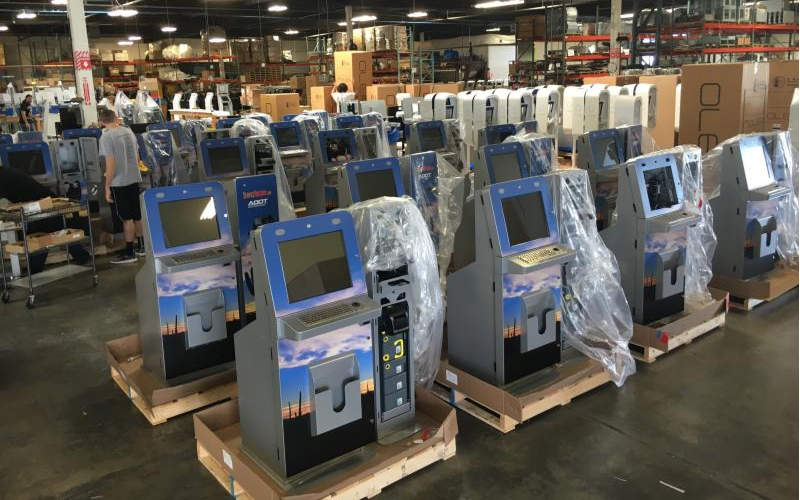
This involves careful execution of steps to ensure the kiosk design is followed. You will need various experts to recommend the best conditions during site assessments. This will guide the installation of your kiosks for daily use.
Installation and Set-up Procedures
Once site assessments are completed, you can procure the necessary hardware components for the kiosks. You can review the requirements with the manufacturer and tailor solutions to suit the needs and environment.
You will need a specified set-up timeline and constant testing to ensure the units are configured properly. You can evaluate the connectivity strength/internet bandwidth, power usage, and overall capacity or space issues.
Software Configuration and Testing
This step allows you to remove any glitches or bugs from the system software. Identifying potential functionality issues is critical for all kiosk owners. The purpose behind installing kiosks may change over time, so testing and readjusting are recommended.
Staff Training and Ongoing Support
Scheduling mandatory staff training will increase awareness of the benefits of the self-service kiosks. It will also improve end-user usage of the kiosks.
It will also give you a competent first-response team who can troubleshoot simple issues before escalating to your IT team. With internal staff working in tandem with IT, you can ensure bugs are immediately identified during testing and post-launch.
Measuring Success and Making Improvements

As with any project plan, you need to evaluate if everything works as intended. There are several key performance targets that can be measured, as well as techniques to gather feedback from end users.
Performance Management
Your stakeholders will need evidence of an increase in sales or usage after the kiosks have been implemented.
Kiosks record the rate of usage and transaction times, and send alerts for any errors. This will help you to manage the expectations of your stakeholders and gauge the deployment’s efficiency.
User Feedback and Interactive Design
Gathering user feedback will lead to continuous improvement of your business processes. It will encourage users to share their experiences and suggestions for enhancements. Being mindful of this feedback will ensure that the kiosk remains user-friendly and effective over time.
Conclusion
By taking the time to define the project goals and decide how you will measure success, a broader yet more detailed picture of your ideal kiosk can be created.
If you want help with kiosk design ideas or reviewing self-service kiosk examples, message us today.

Kitty Tan
Custom Kiosk Expert Consultant
Kitty is a kiosk expert at FlyXing. With extensive knowledge and experience in designing and manufacturing self-service kiosks, Kitty specializes in creating customized solutions to meet diverse industry needs.


