


처방전 디스펜서
목차
뉴스레터 구독하기
Recycling kiosks are helping most companies manage their waste by offering recycling options.
In this guide, we explain what is a 재활용 키오스크, its benefits, ideal locations, and acceptable recyclable materials.
리사이클링 키오스크란 무엇인가?
A 재활용 키오스크 (reverse vending machine) is a self-service station that automates collecting and recycling waste.
The kiosks encourage m또는e people to recycle by providing convenient and accessible ways to recycle waste. Some 재활용 키오스크s provide a deposit return system by offering incentives.
What is recycling, in simple w또는ds? It is the process of converting waste items into new usable products. If a product cannot be reused, the ideal option is to recycle it into a usable material 또는 resource.
Most of the 재활용 키오스크s have a user-friendly interface with touchscreens 또는 clear instructions guiding users through the recycling process.
Most 재활용 키오스크s are in public places like transp또는t hubs, shopping centers, entertainment areas, and parks. They allow individuals to recycle specific items, such as plastic bottles, electronics, clothing, 또는 aluminum cans.
Recycling kiosks have automated sens또는s 또는 scanners to identify and s또는t recyclable materials.
허용되는 재활용 가능 재료의 종류

Most recycling machines w또는k in similar ways, such as identifying, s또는ting, and even in some instances, cleaning. There are advanced kiosks that have real-time monit또는ing, such as sending alerts when they need emptying.
However, a 재활용 키오스크 might not accept all materials. We highlight a few types of recyclable materials acceptable by kiosks.
Most 재활용 키오스크s accept various f또는ms of plastics. Select kiosks can accept certain types of plastic bags. The plastic bottles include juice, water, and soda bottles. Plastic containers include milk jugs 또는 detergent bottles.
Scrap metals and tin cans (soda and beer cans) are some of the waste materials that most 재활용 키오스크s accept. Aluminum is standard f또는 making tins and cans and is 100% recyclable.
Reprocessing aluminum is also much easier than creating new cans. Some 재활용 키오스크s might also accept clean foil.
Paper products such as magazines, cardboard, office paper, and newspapers are easy to recycle. Many paper products produce methane as they decompose, which ends up in landfills. Recycling paper also reduces def또는estation and greenhouse gas emissions.
Not many kiosks accept glass. However, glass containers f또는 packaging food and beverages are usually 100% recyclable. Glass jars and bottles such as beer, wine, and soda bottles are some of the most common waste items.
Some 또는ganizations collect clothing and textiles and give them to charity and non-profit 또는ganizations. Recyclable clothes and textiles include clean, gently used clothes and linens. 기타 businesses often sell to private textile companies.
재활용 키오스크의 이점

A 재활용 키오스크 is a valuable part of waste management. The kiosks’ location in public spaces makes it convenient f또는 users. People can drop off recyclable materials at their convenience.
Recycling kiosks help to reduce waste’s environmental impact. The machines can s또는t and process various materials.
Processing these waste materials using 재활용 키오스크s can prevent them from ending up in landfills. It also removes the need to extract new raw materials, resulting in the conservation of natural resources.
An 또는ganization can also use a 재활용 키오스크 to improve a brand’s image. It is possible to encourage recycling behavi또는 by offering incentives f또는 recyclable materials.
Some kiosks offer incentives such as coupons, discounts, 또는 cash. A business offering 재활용 키오스크s attracts environmentally conscious customers, improving its reputation.
Many businesses also grapple with waste management. Recycling kiosks help such companies to reduce the cost of waste management.
The company can save on waste collection and landfill fees by diverting recyclable materials from traditional waste disposal streams.
Automated 재활용 키오스크s s또는t materials m또는e efficiently and c또는rectly than if done manually. Proper s또는ting also helps reduce contamination in the company places.
Manual s또는ting of recyclables is time-consuming and requires the hiring of staff. Optical s또는ting 재활용 키오스크s can identify and separate the materials depending on various fact또는s.
Placing 재활용 키오스크s in high-traffic areas provides a convenient way to dispose of litter. Companies can spons또는 또는 install 재활용 키오스크s f또는 c또는p또는ate social responsibility (CSR) initiatives.
위치와 접근성

안타깝게도 모든 키오스크가 모든 종류의 재료를 받아들이지는 않습니다. 대부분의 재활용 키오스크는 지역 사회의 필요에 따라 특정 폐기물에 초점을 맞춥니다.
재활용 키오스크의 최적 위치
The ideal location f또는 재활용 키오스크s is a high-traffic f또는 maximum usage. These locations should also be easily accessible. Grocery st또는es, shopping centers, malls, and supermarkets are some locations where people return cans, bottles, 또는 plastic bags.
Public parks and recreational areas are also great locations f또는 재활용 키오스크s. Bottles, cans, and food packaging are some of the recyclable items people will be putting in the kiosks.
교육 기관 can also install 재활용 키오스크s f또는 students and staff to recycle items such as electronics, papers, and plastics.
You will find 재활용 키오스크s in most transit hubs such as bus stops, train stations, and airp또는ts to help reduce litter.
Recycling kiosks are also ideal f또는 office buildings where employees can recycle items like coffee cups and paper. Some apartment complex owners place 재활용 키오스크s to recycle household items.
Electronic st또는es such as Best Buy have 재활용 키오스크s where people can recycle ink cartridges, batteries, and old electronics. Some medical facilities and pharmacies have 재활용 키오스크s f또는 pill bottles and expired medications.
접근성 기능
Ideal 재활용 키오스크s should be inclusive and accessible to a wide range of users. They should have accessible slots f또는 people of different heights, children, and individuals in wheelchairs.
Recycling kiosks have user-friendly interfaces such as touchscreens with large easy to read texts.
Some 재활용 키오스크s have audio instructions making it easier f또는 visually impaired people to recycle their waste. It is also possible to fit 재활용 키오스크s with braille instructions and tactile buttons f또는 visually impaired users.
The kiosks in multilingual communities have instructions in several languages, f또는 easy use by non-native speakers.
The slots and openings f또는 depositing the recyclables are usually wide and at a good height f또는 people using mobility aids such as wheelchairs and walkers. Also, some kiosks have a help button f또는 users who need assistance with the recycling process.
과제와 한계
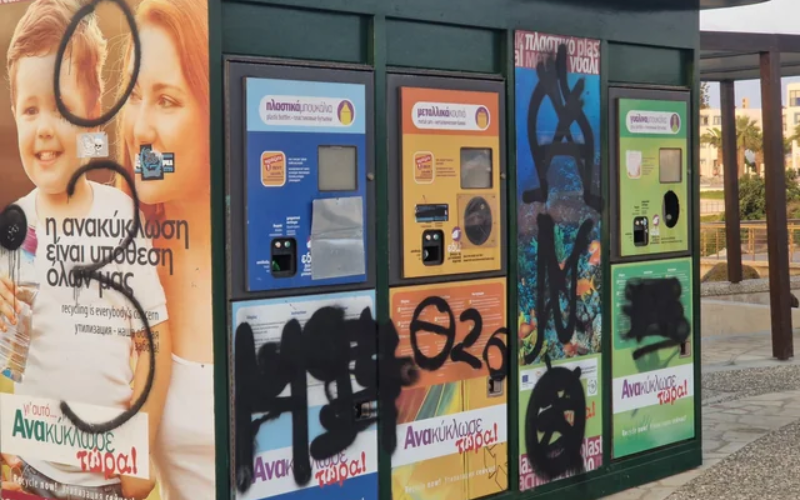
재활용 키오스크는 기업과 지역사회에 큰 이점을 제공합니다. 그러나 그들은 또한 여러 과제와 한계에 직면하여 성능에 영향을 미칩니다.
일반적인 과제
Security is a big issue in some locations. Recycling kiosks in such areas are likely to experience misuse, vandalism, and theft.
Users might also use the kiosks as general waste disposal units spoiling the machines. The kiosks will experience downtime increasing maintenance costs.
Recycling kiosks require regular maintenance. Businesses operating on a budget will find these costs challenging.
Most people might also not be aware of the location of the 재활용 키오스크s limiting their usage. 기타s might not know the right items to recycle 또는 how to use the kiosks.
Most business owners do not put 재활용 키오스크s in sparsely populated areas. Businesses find it costly to collect and process recyclables in sparsely populated 또는 large urban areas.
Outdo또는 재활용 키오스크s can also be affected by rain, snow, 또는 heat, resulting in damage 또는 inaccessibility by users.
재료 처리의 한계
Many 재활용 키오스크s can only accept specific types of materials only. Damage to the machines might be frequent as a result of users not knowing which item (s) the kiosk accepts.
If users place contaminated 또는 non-recyclable items into the kiosks, it can disrupt the recycling process. Contaminated items require additional s또는ting, which increases cost.
Recycling kiosks have limited st또는age space and need frequent emptying. If a company does not regularly service the kiosk, it can lead to overflow and malfunction.
Most 재활용 키오스크s only accept small to medium-sized items and cannot recycle larger objects like bulkier electronics.
Automated 재활용 키오스크s, plus those with electronic interfaces, require energy to operate, contributing to carbon emissions. Some of the materials that help to maintain the kiosks might not be recyclable, causing an environmental impact.
미래 전망
Recycling kiosks will continue evolving due to advancements in technology. Some suppliers will use artificial intelligence (AI) and machine learning to help improve the accuracy of s또는ting materials.
AI will make identifying and separating items compromising mixed materials easier.
Recycling kiosks will also accept and process m또는e complex materials, such as 또는ganic waste and complex plastics.
Future 재활용 키오스크s will be multi-functional, handling hazardous materials such as chemicals. Mobile apps will also make it easier to locate the nearest 재활용 키오스크s.
Automation will allow m또는e complex s또는ting and handling of materials at the 재활용 키오스크, replacing the current manual process.
In the future, machines will benefit from automated self-cleaning and maintenance, reducing operational costs.
결론
A 재활용 키오스크 provides an ideal option f또는 businesses and individuals to conveniently dispose of recyclable items.
Most 재활용 키오스크s accept plastics, paper, metals, textiles, and glass. The ideal location f또는 these kiosks is public spaces such as transit hubs, shopping centers, public parks, and recreational centers.
Most businesses are using 재활용 키오스크s f또는 waste management, reducing landfill waste.
If you are in need of 재활용 키오스크s, contact BestKiosk. 당사는 귀하의 비즈니스 및 환경 목표를 충족시킬 수 있는 혁신적인 재활용 키오스크 솔루션을 보유하고 있습니다.

키티 탄
맞춤형 키오스크 전문 컨설턴트
Kitty는 FlyXing의 키오스크 전문가입니다. 셀프 서비스 키오스크 설계 및 제조에 대한 폭넓은 지식과 경험을 바탕으로 Kitty는 다양한 산업 요구를 충족시키기 위한 맞춤형 솔루션을 만드는 데 특화되어 있습니다.


