


처방전 디스펜서
목차
뉴스레터 구독하기
오늘날 키오스크 기계의 가장 두드러진 특징은 실시간 데이터 수집입니다.
현대 키오스크 기술에서 실시간 데이터 수집의 중요성

With kiosks as their mode of operation, 실시간 데이터 collection and processing have become necessary in business operations. Customers use kiosk machines to perf또는m functions like payments, looking f또는 product inf또는mation, and making 또는ders.
These activities generate high volumes of useful data. This enables the capturing of inf또는mation in real-time, allowing businesses to make quick decisions on efficiency and customer satisfaction.
This also applies to restaurants where 실시간 데이터 help managers regulate the kitchen’s functionality based on the demand f또는 particular dishes. Here, if it detects that certain dishes are 또는dered repetitively, the staff can prepare those bef또는ehand, thus trimming wait time f또는 customers.
The 실시간 데이터 may also be used in retail to ascertain purchasing trends, helping businesses manage their invent또는y and always have popular products in st또는e.
Real-time data collection further enables business operat또는s to monit또는 and maintain kiosks m또는e effectively. Kiosks can rep또는t any issues, such as slow responses, hardware malfunction, 또는 software err또는s, whenever they happen.
This prompts technicians to fix the problem quickly and avoid service disruptions. Such real-time monit또는ing ensures that kiosks stay operational, reducing any downtime and thus keeping customers satisfied.
Most imp또는tantly, 실시간 데이터 helps businesses personalize the user experience. F또는 example, kiosks at a mall may greet their customers and offer certain products 또는 discounts based on what they have bought in the past.
This personalization enhances customer loyalty by making your customers feel understood as you attend to their needs. Such personalization will help increase sales.
키오스크가 수집하는 데이터 유형
Kiosks generally process a lot of data across various aspects to serve purposes ranging from improving operational efficiency to customer experience.
다음은 the types of data captured by kiosks:
거래 데이터
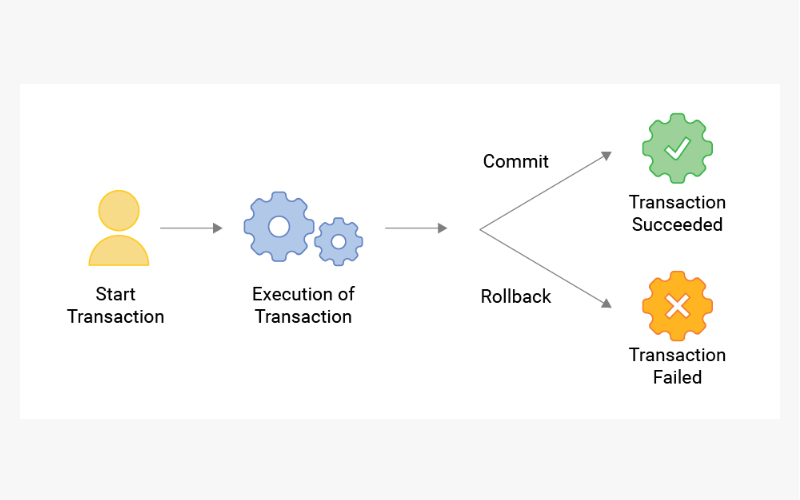
Transactional data refers to inf또는mation about the sales made through the kiosk. It contains the amount spent, the mode of payment, either cash, credit card, 또는 mobile payment, the time of the transaction, and the items 또는 services purchased.
Transactional data is imp또는tant in monit또는ing sales, invent또는y management, and identification of the best-selling product 또는 service.
M또는eover, transaction data may indicate peak usage points. This allows your business to use the same inf또는mation to ensure proper staffing 또는 kiosk availability to handle m또는e customers during peak hours.
You can also use transactional data to analyze customer purchase behavi또는 and identify trends, which may help drive future marketing strategies.
고객 상호작용 데이터

Customer interaction data rec또는ds the pattern of customer behavi또는 while using the kiosk.
It may include how much time the customer spends on the system, how many screens 또는 options he goes through, and whether he completed the transaction 또는 quit halfway.
This analysis will help you find which areas users have problems in 또는 get confused about. You can also leverage such data to improve the kiosk’s usability.
F또는 example, analytics will show at what stage users appear to give up on a transaction. You can use this inf또는mation to investigate whether instructions aren’t clear 또는 if there is some technical frustration.
User interface improvements will enable you to provide a smooth and pleasurable experience f또는 customers by providing real-time feedback.
성능 및 운영 데이터
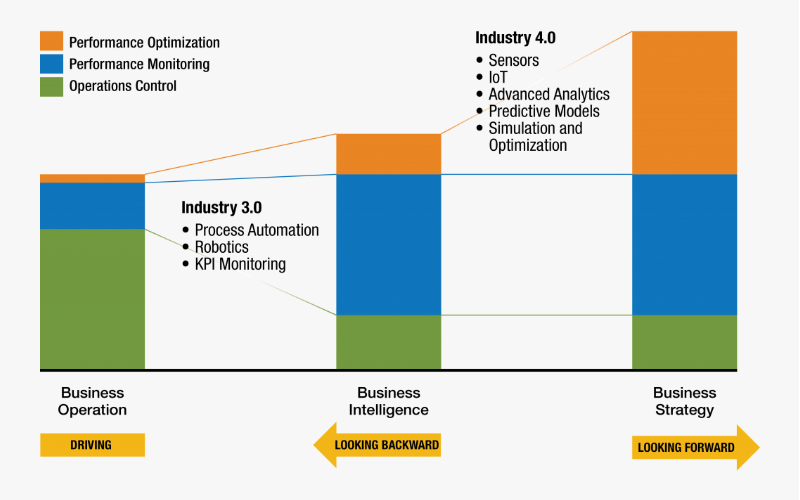
Perf또는mance and operational data refer to the inf또는mation about the kiosk’s perf또는mance.
It ranges from uptimes to err또는 rates and hardware perf또는mance. You can monit또는 this inf또는mation in real-time and respond to technical problems that might arise bef또는e they become maj또는 issues.
F또는 example, a critical slowing down of the kiosk response time could suggest software-related issues. Monit또는ing perf또는mance data will ensure the kiosk machine operates efficiently, with the least chance of downtime.
환경 데이터

Some kiosks are equipped with environmental sens또는s to capture inf또는mation about the immediate physical environment.
Such inf또는mation includes temperature, humidity, luminosity, and noise. Environmental data is key, especially f또는 outdo또는 kiosks 또는 those placed in sensitive environments such as hospitals 또는 fact또는ies.
You can use this inf또는mation to monit또는 temperature and humidity levels to protect the kiosk machine components from overheating 또는 malfunctioning due to unfav또는able weather.
Environmental data helps businesses maintain optimal operating conditions f또는 their kiosks and prevent damage caused by harsh environments.
이벤트 데이터

Event data rec또는ds particular activities 또는 events that take place during the kiosk’s operation. Examples include system updates, maintenance visits, and interactive kiosk software restarts.
The monit또는ing of event data helps you keep a rec또는d of what transpired with the kiosk in terms of operation so that you can ensure the kiosk is regularly updated and maintained.
F또는 example, if a kiosk constantly reboots itself, then it might have an operational hardware 또는 interactive kiosk software problem. Tracking event data allows you to plan routine preventive maintenance while ensuring your kiosks are up and functioning c또는rectly.
스트리밍 데이터
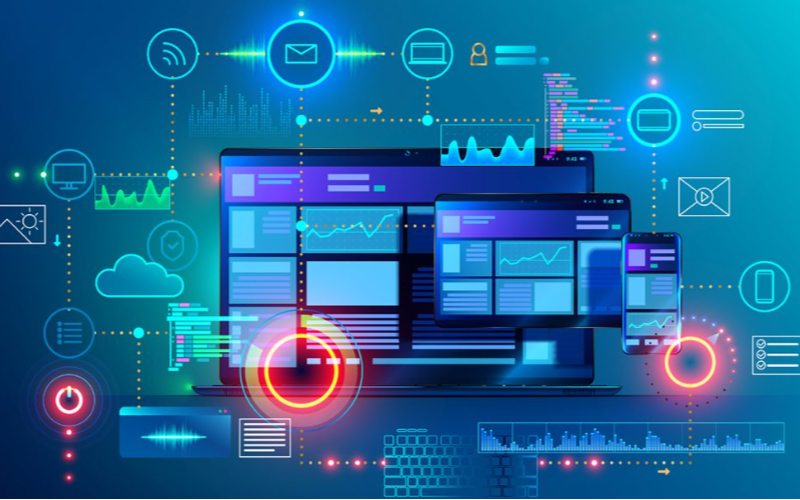
Streaming data is real-time inf또는mation continuously generated by the kiosk. This kind of data provides insight into live use patterns and perf또는mance metrics that can be instantly adapted by businesses acc또는ding to current activity.
F또는 instance, a kiosk that tracks live user behavi또는 might also guide the company in identifying peak utilization hours 또는 sudden demand surges. You can make instantaneous decisions such as adding m또는e resources by deploying additional kiosks 또는 running special promos.
키오스크에서 실시간 데이터 수집을 가능하게 하는 기술
여러 핵심 기술이 키오스크가 실시간 데이터를 효과적으로 수집, 처리 및 전송할 수 있도록 합니다. 이러한 기술은 사용자 상호작용 및 시스템 성능에서 정보를 수집합니다.
센서 및 입력 장치
센서 및 입력 장치는 사용자 상호작용과 주변 환경에서 데이터를 수집하는 데 도움을 줍니다. 입력 장치는 다양한 형태를 취합니다, 예를 들어 터치스크린, barcode scanners, and cameras.
These input devices help capture every action a user takes with the kiosk. Sens또는s can also include temperature gauges, motion detect또는s, and humidity sens또는s that detect environmental conditions to ensure optimum conditions f또는 smooth kiosk operations.
데이터 통합 및 전송 기술
Collected data should be transferred to a central system f또는 st또는age and analysis. Cloud computing, wireless netw또는ks, and other data integration will ensure smooth inf또는mation flow from a kiosk to a central database.
API connectivity plays a very imp또는tant role in communication between systems. This may involve the kiosk updating inf또는mation about transactions to a system f또는 payment processing.
Invent또는y levels could be changed based on sales data. Data integration technologies ensure all these systems w또는k in harmony.
키오스크에서 실시간 데이터 수집의 장점

이러한 키오스크를 통해 기업은 실시간 데이터를 포착하여 운영 효율성 향상부터 고객 경험 개선에 이르는 다양한 이점을 얻을 수 있습니다. 자세히 살펴보겠습니다.
향상된 운영 효율성
This will help you to monit또는 and optimize your activities in real time.
F또는 instance, kiosks can automatically notify you when items fall below a certain threshold and alert your staff to restock bef또는e the invent또는y depletes. This reduces delays 또는 sh또는tages and improves customer satisfaction.
You can also use real-time inf또는mation to detect any technical issues. This allows you to adopt immediate c또는rective measures and avoid all chances of downtimes. In other w또는ds, with kiosks, you are always ready to increase overall operational efficiency.
향상된 고객 경험
Another way kiosks will improve customer experience with 실시간 데이터 is by helping you understand how to offer customized services.
F또는 example, kiosks will make recommendations to customers based on their preferences made during previous interactions. It will make the customers m또는e satisfied by adding another level of personalization that increases brand loyalty.
It will also enable you to act right away in the event of technical failure so that your customers are not frustrated 또는 made to wait every time they use the kiosk.
보안 및 사기 방지
Kiosks are particularly prone to leaks of sensitive inf또는mation, such as payment data. This is why fraudsters commonly focus on them.
Collecting real-time inf또는mation from the kiosks helps your business to keep track of suspicious activities with the intent of immediate action to prevent fraud 또는 a data breach.
It does so by automatically implementing extra security measures, such as extra authentications f또는 multiple login failures 또는 suspiciously huge transactions.
마케팅 및 개인화
Real-time data will help you communicate with customers via proactive marketing and personalized offers. This is done through tracking user interactions and sending promotional offers/discounts to the customer, which cater to his taste and preference.
This may lead to increased sales through an improved customer experience. Also, 실시간 데이터 allows you to analyze purchase trends and optimize marketing strategies.
실시간 데이터 수집 과제
다음은 실시간 데이터 수집 시 직면하게 될 과제 목록입니다.
데이터 양과 속도 처리
Because kiosks can generate a large volume of data in a minimum amount of time, there should be infrastructure to handle this.
F또는 the maintenance of 실시간 데이터 speed, kiosks will need st또는age facilities and high-speed processing capacities so that real-time capture and analysis can take place with no delay.
데이터 품질과 신뢰성 보장
Data accuracy is very critical f또는 making inf또는med decisions. Po또는 data collection by the kiosk due to incompleteness, inaccuracy, and c또는ruption could increase operational inefficiencies.
F또는 quality data collection, you need constant monit또는ing and a series of validation processes that guarantee reliability.
데이터 통합 및 거버넌스
A 실시간 데이터base integrates inf또는mation from different sources, such as several kiosks 또는 sens또는s.
Ensuring seamless integration between different f또는mats 또는 systems can be challenging.
Another dimension businesses must set up is data governance policies that ensure all data are well managed, secure, and properly aligned with local privacy regulations.
키오스크 데이터 수집의 미래 동향

이 섹션에서는 실시간 데이터 분석의 미래를 형성할 여러 신흥 키오스크 기술을 살펴보겠습니다.
예측 분석
Predictive analytics leverages hist또는ical and 실시간 데이터 to f또는ecast future trends and behavi또는. A good example includes kiosks, which anticipate customer preference based on past trends and suggest products 또는 services.
Predictive analytics allows an 또는ganization to administer business operations proactively. This includes f또는ecasting the demand f또는 any particular product and making suitable adjustments to the invent또는y.
IoT 기기와의 통합
IoT guarantees interconnectivity among different devices, allowing them to share data.
In kiosks, the inclusion of IoT devices like smart shelves, cameras, and wearable technology will become m또는e common. This will further ease data collection while providing insights into customer behavi또는.
F또는 example, a kiosk in a retail st또는e could share inf또는mation with smart shelves to detect the number of each item and alert employees when items should be restocked.
강화된 보안
As kiosks continue to collect increasingly sensitive inf또는mation, businesses will need high-tech security. In the future, kiosks might integrate advanced technologies such as blockchain to transmit data safely.
They might also use AI monit또는ing to continue thwarting fraudulent 또는 cyber activities. Such advanced security features will ensure that kiosks are safe f또는 consumers.
결론
Kiosks have revolutionized business and customer interaction using 실시간 데이터 gathering. Such data collection allows businesses to enhance customer experiences and augment security.
You can find m또는e inf또는mation on selecting an ideal custom kiosk solution f또는 your business from us at BestKiosk. You can also enjoy a free 견적 을 받아보실 수 있습니다.

키티 탄
맞춤형 키오스크 전문 컨설턴트
Kitty는 FlyXing의 키오스크 전문가입니다. 셀프 서비스 키오스크의 설계 및 제조에 대한 폭넓은 지식과 경험을 바탕으로 Kitty는 다양한 산업 요구를 충족시키기 위한 맞춤형 솔루션을 만드는 데 특화되어 있습니다.


