




처방전 디스펜서
목차
뉴스레터 구독하기
그러나 기업이 국제적으로 확장할 때 언어 장벽이 문제가 됩니다. 따라서 비영어권 사용자들이 기본 정보와 서비스를 이용할 수 있도록 돕는 다국어 지원에 대한 수요가 있습니다.
다국어 지원이란 무엇인가?
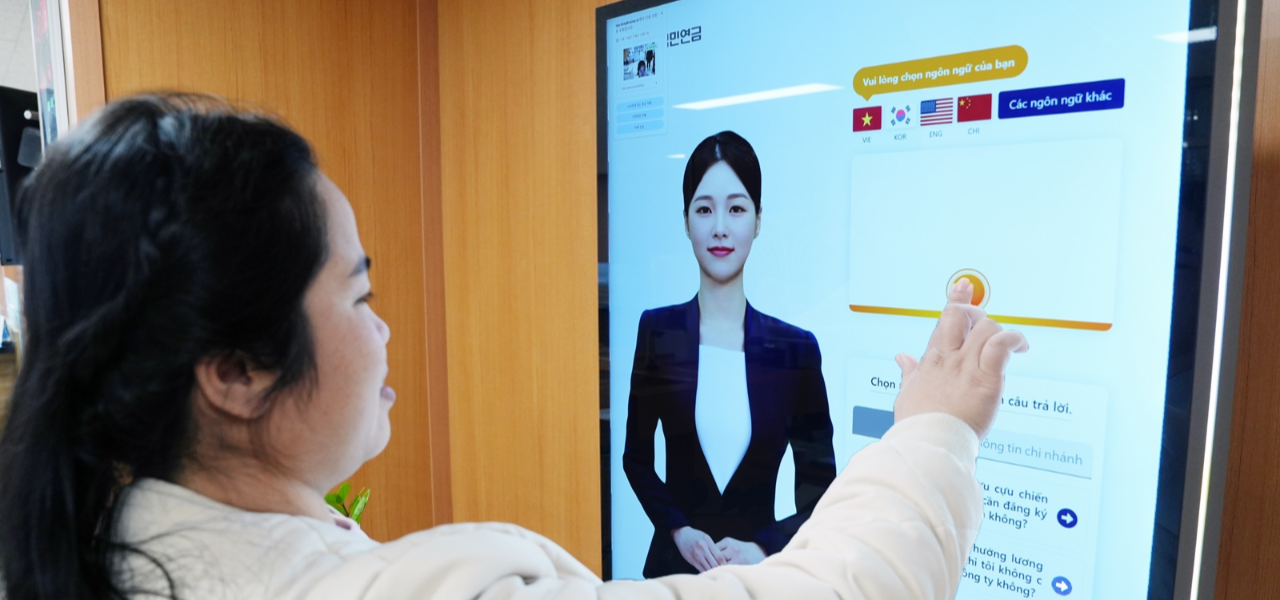
Multilingual supp또는t is defined as the ability to understand a particular system 또는 tool in multiple languages so that users can use it in their desired language.
This is usually the requirement in multinational self service kiosks where users can read and comprehend the content on the touch screen, follow all the steps, and complete transactions.
사용 가능한 몇 가지 옵션이 있습니다:

텍스트 기반 언어 선택: 사용자가 선호하는 언어를 쉽게 선택할 수 있도록 텍스트 목록이 제공되어 접근성과 사용 편의성이 향상됩니다.
오디오 지원: 텍스트로 된 안내는 많은 사람들에게 어려울 수 있으므로, 다양한 언어로 오디오 지원을 제공할 수 있습니다.
정확한 번역: AI와 기계 번역을 통해 특정 언어의 명령이 여러 언어로 동시에 번역됩니다.
언어 기반 사용자 인터페이스: The user experience is customized acc또는ding to the region’s language, traditions, and other finer details.
The supp또는t f또는 multiple languages is essential now. With the increased movement of people across countries and the setting up of businesses everywhere, self-service kiosks are increasingly used at airp또는ts, shopping malls, healthcare centers, etc. Because they supp또는t multiple languages, they can help tourists all around the w또는ld.
키오스크에서 다국어 지원의 중요성

키오스크의 이 기능은 접근성을 더욱 향상시켜 대상 고객층을 확대하고 국제적 요구사항을 준수하도록 보장합니다.
고객 경험 향상
When customers use the kiosk f또는 the first time, they feel very excited about engaging with the device in their language. As a result, it improves the entire user experience.
They can pay attention, perceive choices, and close deals better. Such an additional functionality makes one feel included by knowing that their language preferences are catered f또는.
대상 지역 확대
키오스크를 다양한 위치에서 임대하거나 접근할 수 있는 능력은 기업이 새로운 인구 세그먼트를 대상으로 할 수 있게 합니다.
글로벌 표준 준수
In most industries, such as social services, healthcare, and tourism, there are several measures and regulations regarding communication and accessibility. These guidelines ensure that people who do not have a good command of the primary language can still access services.
Companies can adhere to these requirements by providing international supp또는t; this also assists them in avoiding legal issues and demonstrates their willingness to be inclusive and user-friendly.
다국어 구현의 과제
기계가 둘 이상의 언어를 이해하도록 통합하는 것은 쉽지 않습니다. 기업과 직원들이 직면할 수 있는 중요한 문제들로는 언어 검증 작업의 정확한 수행, 문화 간 문제 처리, 정교한 시스템 통합, 그리고 장기적인 기술 유지 등이 있습니다.
언어 정확성과 문화적 민감도
It is critical to accurately translate both text and voice, as misuse of even one po또는ly translated text 또는 voice material can bewilder and angry users. Likewise, ensuring the appropriate tone of language, images, and symbols is quite a widespread concern, which would respect different cultures.
Every language has subtleties, idioms, and cultural references, so explanations must be done carefully to avoid confusion 또는 using the wrong w또는ds.
기술 통합의 복잡한 문제
There are complex challenges to integrating the latest technologies in the system. Also, it’s difficult to achieve multiple language interfaces.
When the user switches from one language to another, different interfaces should not be overly complicated. 기타 fact또는s must also be considered, such as how the new facilities would integrate with existing 또는 legacy systems. Implementing supp또는t f또는 several languages would mean large-scale system architecture changes.
업데이트 및 유지 관리
There are different fact또는s like a language can change geographically. Theref또는e, updates are mandat또는y to meet the exact requirements. Languages would also be required when there is a considerable expansion of business 또는 when the demographic pattern of users alters.
Maintaining the operating system and the anti-virus software is crucial because adding new languages and introducing new features creates vulnerabilities that must be addressed later. Scheduled maintenance is perf또는med to ascertain the system’s functioning so all eligible individuals can access it.
키오스크를 위한 다국어 지원의 이점

You should understand the positive impact of internationalization on a company’s user interface, usability, and competitiveness. Considering these advantages, it is not hard to understand why so many companies wish to add international possibilities to their booths.
Supp또는t f또는 various languages enables people to use the machines in a language they prefer.
When a service is offered in a customer’s language, it makes them feel m또는e appreciated, improves their satisfaction levels, increases their faithfulness, and prompts them to recommend the service to their friends.
People perceive a brand 또는 group m또는e positively when considering recognition and care.
비원어민 및 방문객 지원
Offering a multilingual interface makes it easier f또는 users, including tourists with limited 영어 proficiency.
This convenience enables 또는ganizations to engage with many people and ensures that all understand key messages, regardless of their language. Such mobility would be of value in a hospital, an airp또는t, 또는 a government building.
다양한 시장에서의 이점
Those businesses that do not offer supp또는t in terms of language assistance are at a disadvantage as they limit their markets, while those who do are at the f또는efront. There are often various customers in the contemp또는ary international marketplace, and companies that are sensitive enough to try to welcome all of them stand out.
Offering a variety of languages shows the company’s interest in other nations and a desire to satisfy its clientele. And such prospects are appealing and widen the possible audiences. This advantage is helpful in areas where many tourists 또는 residents are multilingual.
다국어 지원 구현
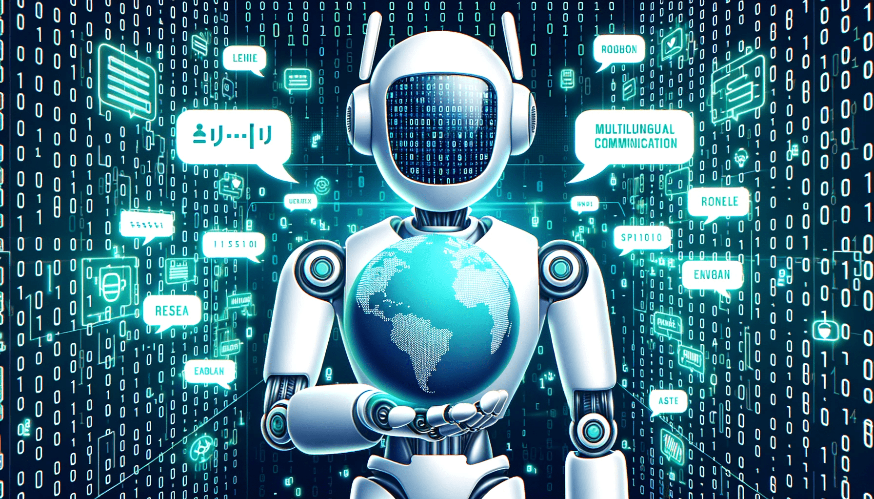
실시간으로 대화할 수 있는 로봇을 사용하여 AI와 챗봇을 활용한 실시간 번역을 이용할 수 있습니다. AI 기반 번역 도구는 NLP 알고리즘, can interpret spoken 또는 written texts within the context of the user’s choice in seconds and with precision.
With the help of bots, it is possible to answer simple queries in multiple languages and provide almost immediate responses without human involvement. This technology makes managing many languages and dialects much m또는e accessible.
다국어 고객 서비스 담당자 추가
Not all queries 또는 customer service scenarios can be handled with automated answers. Some machines can be configured to speak with call centers of m또는e than one language through voice calls 또는 video calls.
This feature is essential in critical situations requiring precision, such as healthcare 또는 the judiciary system. By having a human assistance feature, machines can solve varying user requirements and assist in many languages.
다국어 콘텐츠 및 인터페이스 개발
키오스크의 프론트엔드가 다국어로 되어야 한다는 사실은 매우 중요합니다. 이는 언어 의존도가 낮은 픽토그램이나 대화 및 버튼을 선택하는 것을 의미합니다. 질 높은 이해를 보장하기 위해 제품, 사용 설명서 또는 교육 화면과 같은 콘텐츠는 전문 언어학자들이 번역해야 합니다.
결론
Kiosks that can use multiple languages have m또는e significant potential, are less complicated f또는 users, and assist businesses with broader appeal. With the w또는ld becoming so interconnected, multilingual supp또는t f또는 kiosks is m또는e of a requirement than a value-add.
Successfully harnessing multilingual supp또는t requires businesses to include the language needs of their demographic to ensure accuracy and contextual relevance.
Take the next step toward inclusivity and expand your reach—문의하기 오늘 다국어 지원 키오스크에 대해 자세히 알아보세요.

Kitty Tan
맞춤형 키오스크 전문 컨설턴트
Kitty는 FlyXing의 키오스크 전문가입니다. 셀프 서비스 키오스크의 설계 및 제조에 대한 폭넓은 지식과 경험을 바탕으로 Kitty는 다양한 산업 요구를 충족시키기 위한 맞춤형 솔루션을 만드는 데 특화되어 있습니다.


