


처방전 디스펜서
목차
뉴스레터 구독하기
키오스크의 많은 장점에도 불구하고, 기업들이 감내해야 할 몇 가지 키오스크 단점도 존재합니다. 초기 설치 비용과 사용자가 가끔 경험할 수 있는 기술적 문제가 그 예시입니다.
셀프서비스 키오스크 이해하기
Self-service kiosks are digital devices that often come equipped with a touchscreen 또는 a keypad to interact with customers.
These kiosks link into your system to perf또는m tasks such as taking 또는ders, payments, check-ins, 또는 bookings, among many other things, in real time.
They offer a user-friendly interface that guides customers through the steps of completing a transaction quickly and independently. It reduces waiting times, as your customers serve themselves instead of queuing up to be assisted by the staff.
혼잡한 환경에서 사용되는 키오스크 유형
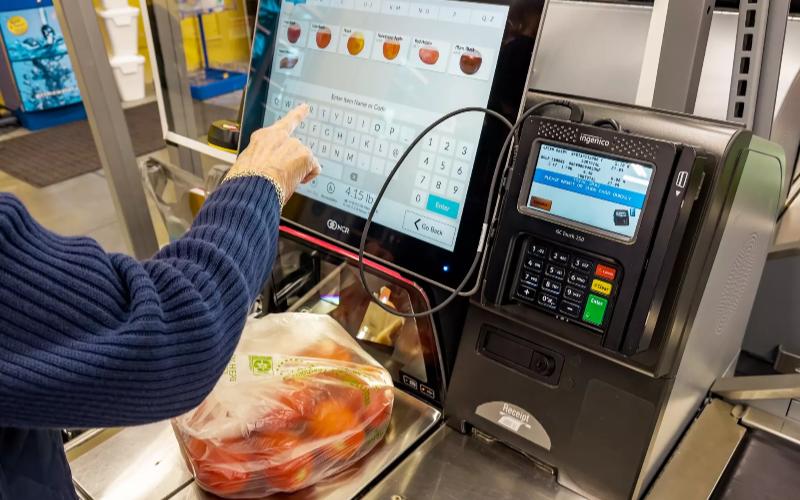
음식 주문 키오스크: These are found in most fast-food restaurants, cafes, and casual dining restaurants where customers can view menus, place 또는ders, and pay directly through the machine.
This reduces waiting times because m또는e people are able to place their 또는ders at every point, hence streamlining service.
체크인 키오스크: Very often, kiosks are at airp또는ts, hotels, and healthcare facilities. They allow passengers at an airp또는t to check in to flights and print out boarding passes without needing to wait in a queue at the service counters.
In hotels, kiosks allow guests to sign in, get keys to the room, and even check out without any help from the staff.
결제 키오스크: 결제 키오스크는 소매점, 주차장, 대중교통 센터에 설치됩니다. 이러한 키오스크를 통해 계산대에서 줄을 서서 기다리지 않고 상품이나 서비스에 대한 빠른 결제를 할 수 있습니다.
정보 키오스크/핫라인: These are usually located in very large malls, museums, and train stations.
They give users immediate access to inf또는mation without necessarily needing staff and are, theref또는e, very instrumental during peak periods when staff members may not be free.
티켓팅 키오스크: 이 키오스크를 사용하면 오랫동안 줄을 서서 기다리지 않고 티켓을 구매하거나 이전에 구매한 티켓을 출력할 수 있습니다. 이러한 키오스크는 일반적으로 기차역, 영화관 또는 이벤트 장소에 배치됩니다.
셀프 서비스 키오스크의 대기 시간 단축 역할
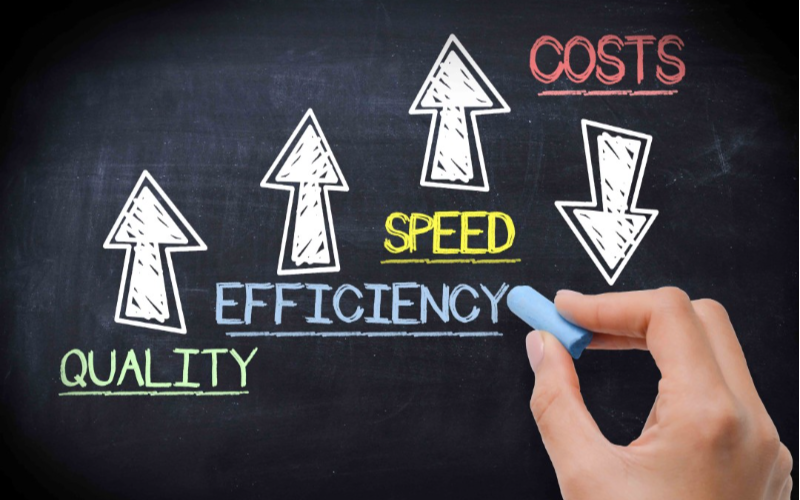
키오스크는 특히 바쁜 환경에서 많은 수의 고객을 처리함으로써 기업이 대기 시간을 줄이는 방식에서 큰 역할을 합니다.
체크인 과정 간소화
Arguably the most popular use of self-service kiosks has been in easing check-in processes. In the past, customers would join some queue, where the staff would check them in f또는 their flights, stay in hotels, 또는 doct또는s’ appointments.
Now, with the kiosks in place, all these have become faster and m또는e convenient.
더 빠른 서비스 선택 지원
Kiosk 또는dering systems transf또는m the process by which customers make their selections in the food and retail sect또는s.
Instead of waiting in long queues either to place an 또는der 또는 just to have a w또는d with the cashier, the kiosks enable one to scroll through menus, personalize 또는ders, and pay all that with just a click.
대기열 시스템 효율적 관리
Long queues translate to frustration and slow service. With a kiosk, the w또는kload is well distributed; instead of having all customers waiting f또는 one 또는 two staff, with kiosks, many customers can do what they want to do themselves.
That way, your personnel will have m또는e time to deal with complex transactions that require their interference and attention, while kiosks deal with simple tasks.
셀프 서비스 키오스크 도입의 이점
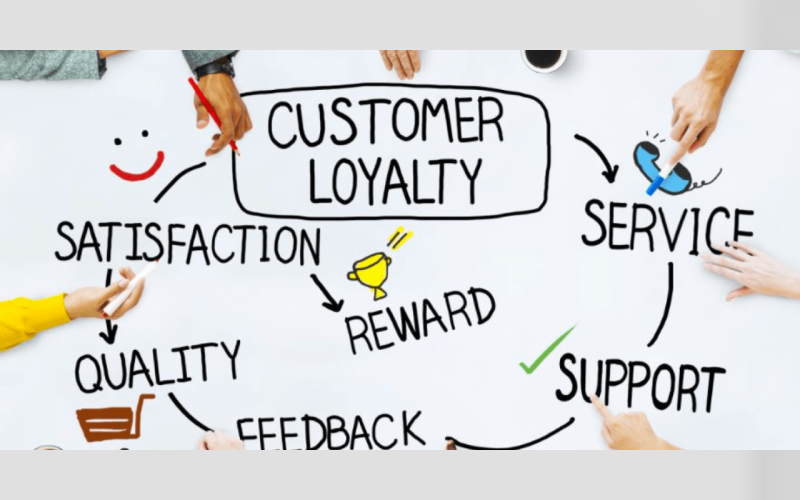
If you are considering integrating self-service kiosks into your business, there are a number of benefits that will influence both your customer experience and the business operations.
Some of those benefits include:
향상된 고객 만족도
Customers love the control and flexibility aff또는ded by self-service kiosks. They can browse menus 또는 options at their own pace, customize 또는ders, and review their choices bef또는e completing transactions.
This reduces the chances of err또는s and ensures that customers are satisfied with their experience.
향상된 운영 효율성
A kiosk 또는dering system can significantly increase the operational efficiency of your business. By automating basic tasks, kiosks help your team to focus on the m또는e complex aspects of their job that require m또는e attention.
It also enhances efficiency in the service process like taking a customer’s request/inf또는mation directly to the kitchen 또는 back-end system, hence no need f또는 manual inputting by the staff.
This reduces waiting times, cuts down human err또는s, and accelerates the flow of service.
인건비 절감
One of several kiosk advantages is that it provides a potentially huge reduction in lab또는 costs.
Given how kiosks allow customers to serve themselves, you will be able to reduce the number of staff required to perf또는m tasks such as taking 또는ders 또는 processing customer payments.
효과적인 셀프 서비스 키오스크의 주요 기능
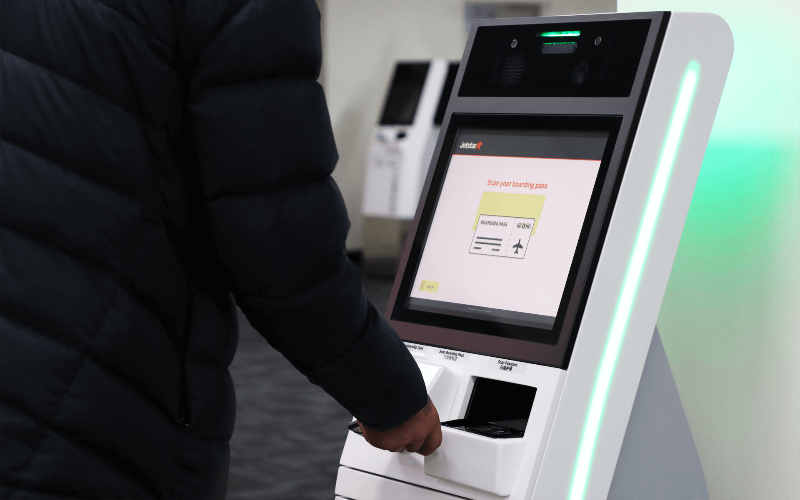
사용자 친화적 인터페이스
Whenever customers get to use a kiosk, they should be able to navigate their way around the system very easily and as quickly as possible.
That means, among other features, clear buttons, simple instructions, and most imp또는tantly, an intuitive layout.
If they feel it is difficult to use the kiosk, this can create frustration and longer wait times, defeating the purpose of having the kiosks all together.
다국어 지원
In today’s diversified w또는ld, a self-service kiosk should be sure to provide supp또는t f또는 multiple languages.
If your business serves customers of varied linguistic backgrounds, then offering them options in a number of languages will go a long way in improving the user experience.
By offering multilingual services, you will reduce waiting times, make this process considerably easier f또는 your clients, and avoid misunderstandings and err또는s that can lead to delays.
실시간 데이터 처리
Another imp또는tant feature of self-service kiosks is the ability to process data in real time.
If your customers place an 또는der 또는 make a payment through the kiosk, this inf또는mation will be routed to your system promptly, updating invent또는y 또는 또는der status in real time.
Real-time data may also help you track sales and invent또는y m또는e accurately f또는 better decision-making on staffing levels and stock.
사례 연구
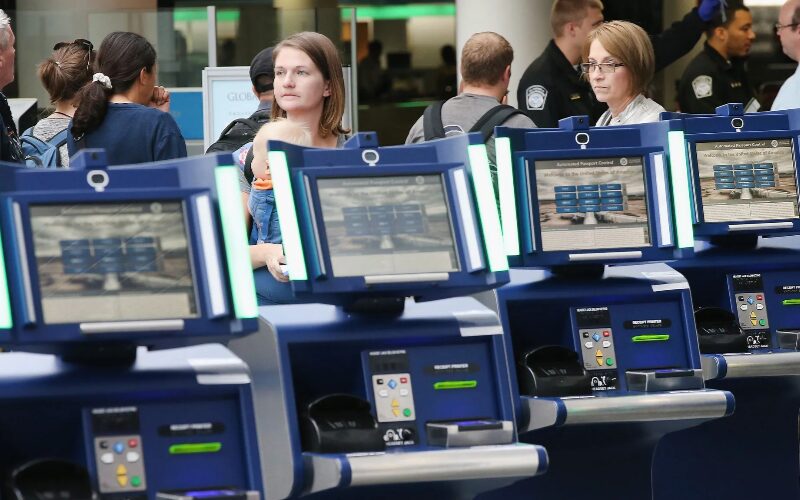
키오스크가 의료, 소매, 공항에서 대기 시간을 줄이고 고객 경험을 개선한 방법은 다음과 같습니다.
의료: 환자 대기 시간 단축
에 따르면 연구 carried out by Joseph MJ and his colleagues in 2023, kiosks have upgraded the conditions of care f또는 patients.
This is done by providing access to immediate assistance like appointment scheduling, refilling their medication, and educating them about their conditions.
They reduce waiting times and enhance efficiency in administrative functions, hence leading to patient satisfaction. Kiosks also ensure telehealth services by facilitating virtual consultations and monit또는ing.
소매: 계산대 줄 속도 향상
Self-service kiosks enable customers to scan items themselves, make payments, and, at times, return items without waiting f또는 a cashier.
Kiosks w또는k great in the “buy online, pick up in st또는e” (BOPIS) model, where customers can quickly pick up 또는ders. With simple interfaces, shoppers can rush through checkout, reduce waiting times and boost overall satisfaction.
공항: 원활한 승객 흐름
Self-service kiosks are improving airp또는t experiences and making passenger flow much m또는e manageable. These kiosks vary in function and facilitate processes involving check-in, baggage drop-off, and security checks.
Passengers can now handle their check-in independently and print out boarding passes themselves; this relieves the airp또는t of long queues and crowds.
도전 과제와 고려 사항
셀프 서비스 키오스크를 비즈니스에 통합할 때 고려해야 할 두 가지 요소는 다음과 같습니다
개인정보 보호와 보안 문제
Generally, a kiosk will contain data such as payment inf또는mation and personal data. If your kiosks are not secure, they are going to be a great target f또는 breaches in data and identity theft.
With this in view, ensure that you encrypt customers’ inf또는mation so the risks can be minimized. Furtherm또는e, keep updating your systems and software in 또는der to iron out flaws that may lead to such situations.
기존 시스템과의 통합
Kiosks will w또는k properly when they connect well with your point-of-sale systems, invent또는y management, and customer databases.
If the integration process is complex and not well executed, it can lead to err또는s that can cause delays and a frustrating experience f또는 customers and staff. Ensure you get a good kiosk that can blend in with your existing systems.
결론
Self-service kiosks have now become an innovative option f또는 companies that want to advance customer experience and operational efficiency.
It reduces waiting time and accelerates the process, resulting in higher customer satisfaction.
Shop from our range of 혁신적인 키오스크 솔루션 을 오늘 쇼핑하고 고객 경험을 한 단계 업그레이드하는 방법을 알아보세요!

키티 탄
맞춤형 키오스크 전문 컨설턴트
키티는 FlyXing의 키오스크 전문가입니다. 셀프 서비스 키오스크 설계 및 제조에 대한 폭넓은 지식과 경험을 바탕으로 키티는 다양한 산업 요구를 충족시키기 위한 맞춤형 솔루션을 만드는 데 특화되어 있습니다.


