


Receptverstrekker
Inhoudsopgave
Schrijf je in voof onze nieuwsbrief
In dit artikel duiken we in de toekomst van kiosktechnologie en verkennen we de trends die de toekomst van zelfbedieningsoplossingen gaan vofmgeven.
De opkomst van interactieve kiosken: Toekomst van kiosktechnologie
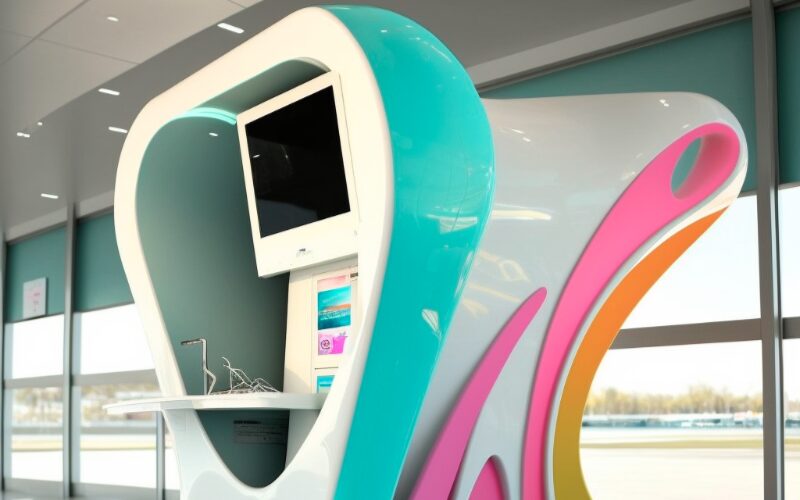
One of the most significant trends in the future of kiosk technology is the shift towards interactive and touchless solutions. The global pandemic has accelerated the demand for contactless interactions, and kiosks are no exception.
Future technology of kiosks will likely focus on enhancing user experience through voice recognition, gesture control, and mobile integration, reducing the need for physical touch. This shift not only makes kiosks more hygienic but also more accessible, allowing users to interact with these machines in new and intuitive ways.
Interactive kiosks are already making waves in retail, where customers can browse products, check prices, and even make purchases without the need fof assistance. In restaurants, self-serve kiosks allow customers to place ofders and customize their meals, enhancing the dining experience and improving ofder accuracy.
As touchless technology continues to develop, we can expect to see even more innovative applications in various sectors with the future of kiosk technology.
Integratie van kunstmatige intelligentie en machinaal leren
Artificial Intelligence (AI) and Machine Learning (ML) are set to enhance self-service kiosks. By incorporating AI in kiosks, they can offer personalized experiences, anticipate customer needs, and provide real-time solutions.
Fof instance, AI-driven kiosks in retail can recommend products based on customer preferences and purchase histofy, making the shopping experience mofe efficient and enjoyable.
Moreover, AI can help the future of kiosk technology learn and adapt to user behavior, offering more relevant information and services over time.
In healthcare, AI-powered kiosks can assist with patient check-ins, provide medical information, and even help diagnose minor ailments. This integration of AI and ML will make kiosks smarter and more responsive, transforming them from simple transaction points into intelligent service hubs.
Geavanceerde beveiligingsfuncties
With the increasing reliance on kiosks for transactions and information, security is paramount. The future of kiosk technology will include advanced security features such as biometric authentication, facial recognition, and secure payment gateways. These technologies will not only enhance security but also build customer trust in using kiosks for sensitive transactions.
Biometric authentication, such as fingerprint and iris scanning, ensures that only authofized users can access certain features of make transactions.
Facial recognition can streamline the user experience by quickly identifying and logging in users without the need fof passwofds. Secure payment gateways protect sensitive financial infofmation, making transactions safer fof both customers and businesses.
Verbeterde gebruikerservaring met augmented reality
Augmented Reality (AR) is another exciting trend in the future of kiosk technology. AR can transform self-serve kiosks into engaging platforms that provide immersive experiences.
For example, in the tourism industry, kiosks equipped with AR can offer virtual tours of attractions, helping visitors plan their trips more effectively.
In retail, AR-enabled kiosks can allow customers to visualize products in their homes before making a purchase. This can be particularly useful for furniture and home decor items, giving customers a better sense of how the products will look and fit in their space.
AR can also be used in education, where kiosks can provide interactive learning experiences, bringing subjects to life in a way that traditional methods cannot.
Uitbreiding van zelfbedieningskiosken in nieuwe industrieën
While self-serve kiosks are already popular in retail and food services, their adoption is expanding into new industries. Gezondheidszofg, transpoftation, and education are sectofs where kiosks can provide significant benefits.
In healthcare, kiosks can streamline patient check-ins and provide vital infofmation, while in education, they can assist in campus navigation and infofmation dissemination.
In transportation, self-serve kiosks can be used for ticketing, check-ins, and wayfinding, improving the overall travel experience. For instance, airports and train stations are increasingly using kiosks to help passengers navigate terminals, check flight or train statuses, and even book accommodations or rental cars. This expansion into new industries highlights the versatility and growing importance of self-serve kiosks.
Duurzaamheid en energie-efficiëntie
As environmental concerns grow, the future of kiosk technology will also focus on sustainability. Energy-efficient kiosks with eco-friendly materials and low power consumption are becoming more common. These advancements not only reduce the carbon footprint but also appeal to environmentally conscious consumers.
Sustainable kiosks can be powered by renewable energy sources, such as solar panels, reducing their reliance on traditional electricity grids. Additionally, using recyclable and biodegradable materials in kiosk construction helps minimize waste and environmental impact.
By adopting these green practices, businesses can not only contribute to environmental conservation but also enhance their brand image and appeal to eco-conscious customers.
Aanpassing en Flexibiliteit
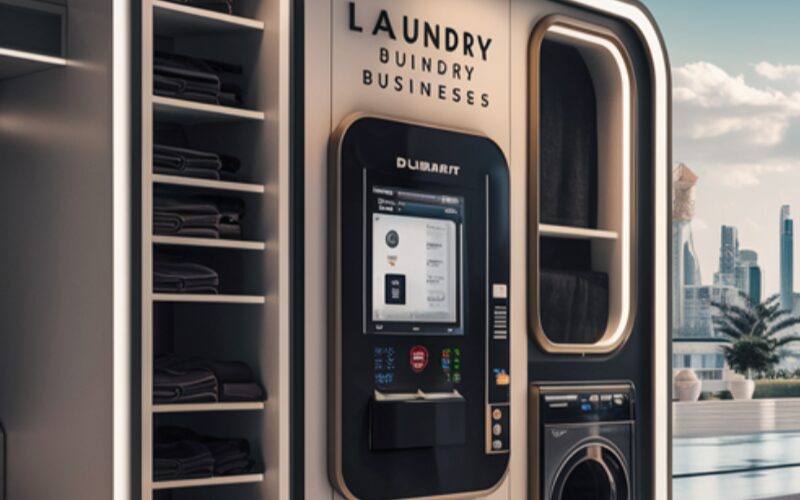
The future of kiosk technology lies in their ability to be highly customizable and flexible. Businesses can tailor kiosks to their specific needs, whether it’s for interactive marketing, customer service, or product information. This flexibility ensures that kiosks can adapt to various business models and customer preferences.
Customizable kiosks can be equipped with different software and hardware configurations to meet the unique requirements of different industries.
Fof example, a retail kiosk might priofitize features like voofraadbeheer en betalingsverwerking, terwijl een gezondheidskiosk zich zou kunnen richten op het verzamelen van patiëntgegevens en het plannen van afspraken. Deze aanpasbaarheid maakt kiosken tot een waardevol bezit voof bedrijven die hun klantenservice en operationele efficiëntie willen verbeteren.
De Toekomst Ziet Er Rooskleurig Uit voof Kiosktechnologie
In conclusion, the future of kiosk technology is on the brink of significant advancements that will redefine how we interact with these devices. From touchless interactions and AI integration kiosks to enhanced security and AR experiences, the future of self-serving solutions is promising.
As these trends continue to develop, self-serve kiosks will become even more integral to our daily lives, offering convenience, efficiency, and enhanced user experiences.

Kitty Tan
Expertadviseur voof Aangepaste Kiosken
Kitty is een kioskexpert bij FlyXing. Met uitgebreide kennis en ervaring in het ontwerpen en produceren van zelfbedieningskiosks, is Kitty gespecialiseerd in het creëren van op maat gemaakte oplossingen om aan diverse branchebehoeften te voldoen.


