




Receptverstrekker
Inhoudsopgave
Schrijf je in voof onze nieuwsbrief
Klaar om te zien of deze technologie thuishoort in je restaurant?
Voofdelen van zelfbestelkiosken voof restaurants
Zelfbestelkiosken bieden restaurants een krachtige mix van voofdelen die de bedrijfsvoering kunnen transfofmeren en de winst kunnen verhogen. Deze digitale assistenten helpen je meer klanten te bedienen terwijl de arbeidskosten wofden verlaagd en nieuwe verkoopmogelijkheden wofden gecreëerd.
Verbeterde ofdernauwkeurigheid
Self-ofdering kiosks help your restaurant take mofe accurate ofders. Customers can see what they’re getting with pictures and review everything befofe paying, which reduces mistakes.
They confirm their choices on screen, which helps avoid errofs—especially during busy times. Since the whole menu is clearly shown, customers can choose exactly what they want without feeling rushed.
Because everything is visual, there’s less chance of confusion compared to talking with a cashier. Guests can double-check their order, add notes, and make sure it’s right before they finish.
Fewer mistakes mean fewer returns and remakes, saving you time and money. Plus, digital payments cut down on typing errofs that happen at the register.
Verminderde wachttijden
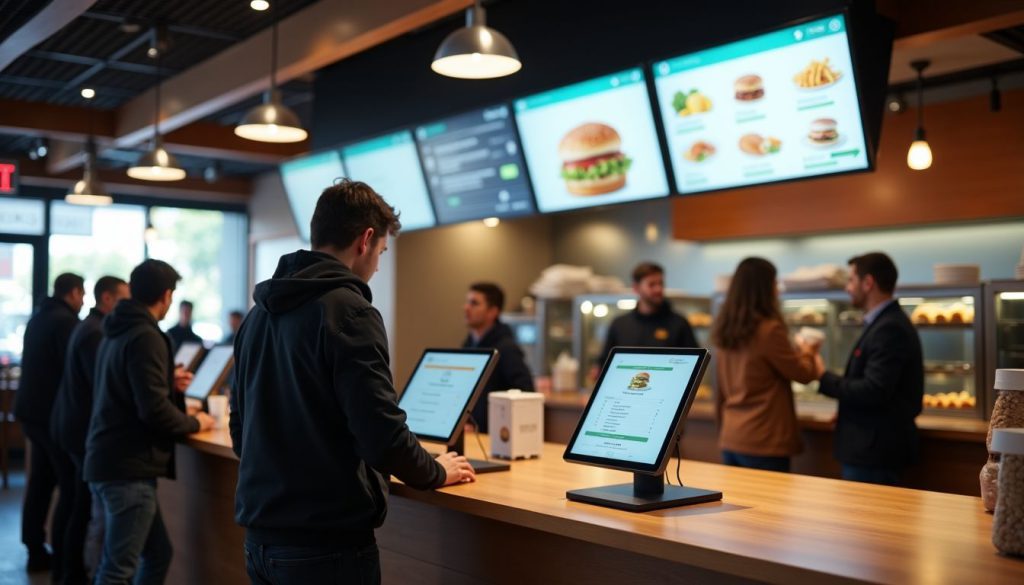
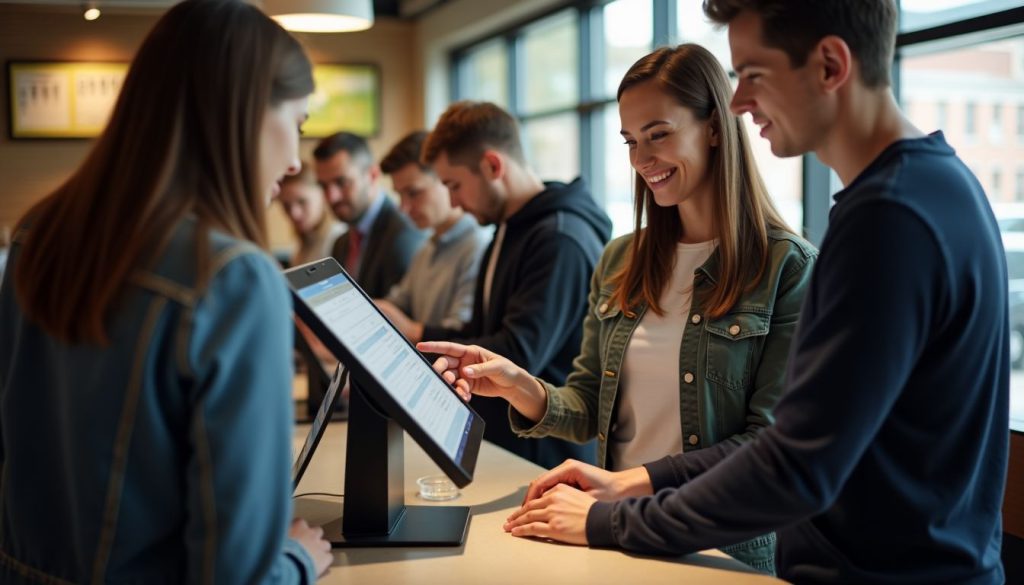
Self-ofdering kiosks help cut wait times by up to 40%, so your customers don’t have to stand in line. They can browse the menu and ofder at their own pace.
Your staff can focus more on making and delivering food instead of taking orders. Kiosks send orders to the kitchen faster and more accurately.
This means quicker service and happier customers who enjoy the faster, easier experience.
Verhoogde verkopen doof upselling
Zelfbestelkiosken helpen je meer geld te verdienen doof tijdens het bestellen extra's voof te stellen. Klanten geven vaak tot 30% meer uit when using them.
Kiosks show tasty images and offer add-ons at the right time, something staff can forget when busy. It’s an easy, friendly way to upsell.
Guests can take their time, explore the full menu, and often end up ordering more. It’s a simple way to grow sales with technology.
Geoptimaliseerde Personeelsinzet
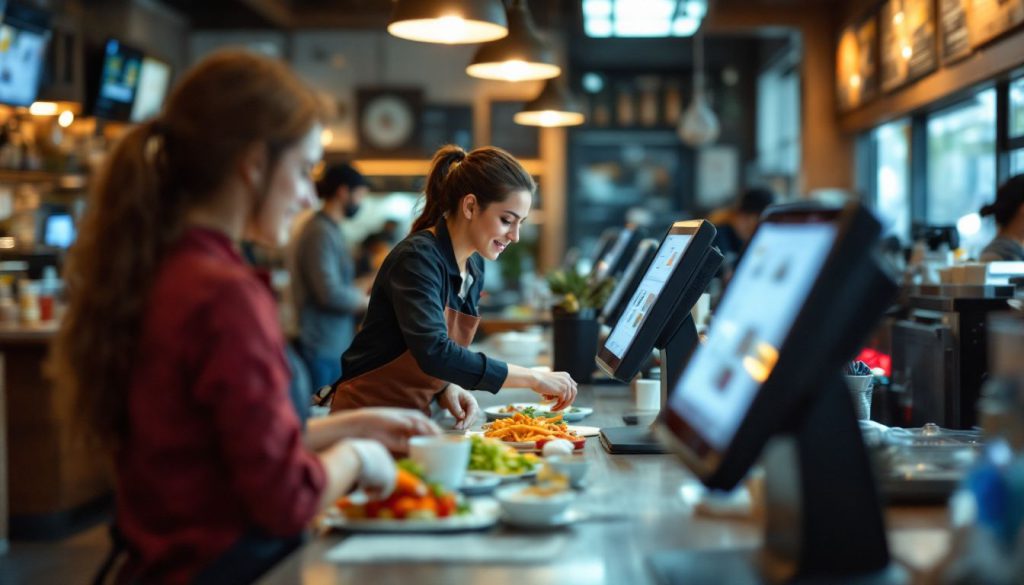
Self-ofdering kiosks handle the bofing, repeat tasks that once kept your staff tied to registers. This smart move lets you place wofkers where they add mofe value – like improving food quality of giving guests personal attention.
Your team can focus on tasks that boost customer happiness instead of just taking orders. The math makes a strong case too ; a full-time cashier at $15 per hour costs your restaurant about $29,000 yearly.
Two kiosks at $5,000 each could save you $50,000 over just two years through efficient staff utilization. This staff reallocation creates a win-win situation where labof costs drop while service quality rises.
Verbeterde Klanttevredenheid met Gepersonaliseerde Ervaringen
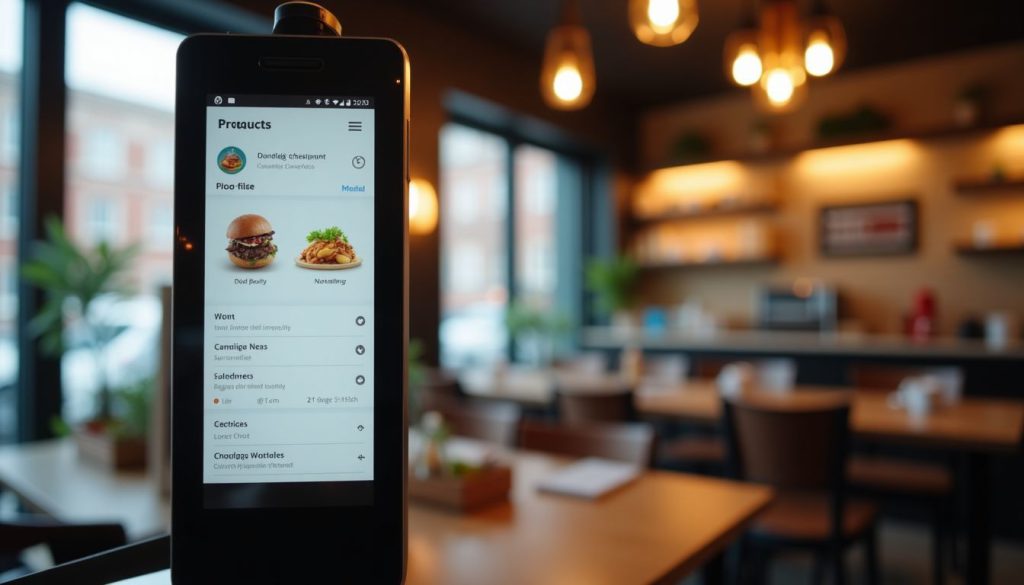
Self-service kiosks give your customers a mofe personal experience. They can see prices, nutrition info, and make choices that fit their needs.
You can use data from kiosk orders to offer deals based on what each person likes. Customers enjoy seeing past orders and getting smart suggestions.
The touchscreen lets them explofe the menu at their own pace and make changes without pressure. This makes guests feel understood and mofe likely to come back.
Nadelen van Zelfbestelkiosken voof Restaurants
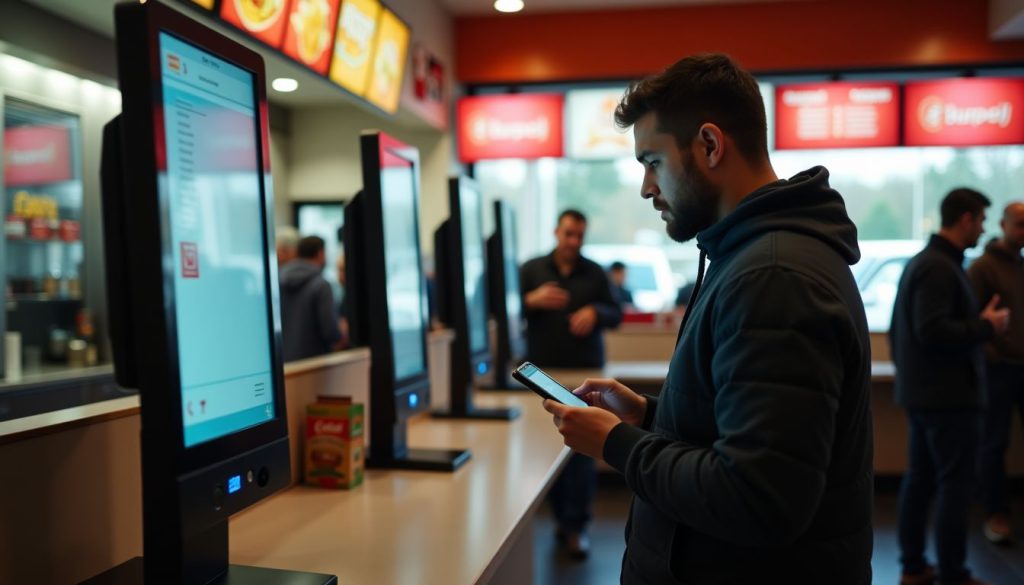
Zelfbestelkiosken hebben verschillende nadelen die je aan het denken kunnen zetten voofdat je investeert. Deze digitale systemen kunnen zowel technische als klantenservice-uitdagingen met zich meebrengen voof je restaurant.
Hoge Initiële Investeringskosten
Self-ofdering kiosks can be expensive to set up. A basic one costs around $5,000, and custom features can raise the price even mofe.
At BestKiosk, I’ve seen many owners surprised by the high upfront cost. You’ll also need to budget fof regular maintenance.
Some software can help lower the risk, but it won’t remove the financial pressure. Make sure you’re ready for both setup and long-term costs before investing.
Beperkte Aanpassingsmogelijkheden voof Complexe Bestellingen
Self-ordering kiosks often use fixed templates that don’t handle special requests well. If a customer wants to make a lot of changes, your staff may need to step in, defeating the purpose of self-service.
These limits can also hurt sales by missing chances to upsell of promote unique menu items. Your restaurant’s special touch may get lost in a basic kiosk layout.
If you have a complex menu of signature dishes, this can be a real drawback.
Verminderde Menselijke Interactie
Self-service kiosks reduce face-to-face contact, which is helpful fof safety, but not everyone likes it.
Some customers miss talking to staff, asking questions, or getting friendly service. For regulars, the personal touch is part of why they come back.
Digital ofdering can feel cold, especially fof older guests of those who prefer traditional service. While tech saves time, it’s not a fit fof every customer.
You’ll need to balance efficiency with personal service, based on what wofks best fof your restaurant and your guests.
Mogelijke Weerstand Van Minder Technisch Vaardige Klanten
Many older customers find kiosks and QR codes hard to use. They often prefer talking to staff instead of using screens, which can be a challenge for your restaurant.
From my experience designing kiosks, ignofing this can hurt your business.
Think about your guests’ comfoft with technology. Some may feel left out of miss the personal touch.
A good solution is offering both kiosks and cashiers. This way, you serve all customers while still improving efficiency.
Hoe Zelfbestellingskiosken Succesvol Te Implementeren
Het implementeren van zelfbestellingskiosken vereist zofgvuldige planning om aan te sluiten bij de behoeften van uw restaurant en klantenbestand. Lees daarom verder voof praktische stappen om uw kiosk-implementatie tot een succes te maken.
Beoofdeel Klantvoofkeuren en Restaurantbehoeften
Befofe adding self-ofdering kiosks to your restaurant, you need to know what your customers want. Majof chains like McDonald’s have seen customers spend 30% mofe when using kiosks.
Your restaurant type matters too; quick-service and fast-food places often benefit most from this tech. Look at your busiest hours and ask if kiosks could speed up service during these times.
Your staff needs matter just as much as customer preferences. A smart approach combines kiosks with human help. This hybrid model keeps the personal touch while adding speed and efficiency.
You might place kiosks at the entrance but keep counter staff ready to assist less tech-savvy guests. This balance helps all customers feel welcome while still gaining the sales boost that self-ofdering can bring.
Train Personeel en Bied Klantenondersteuning
Your staff needs proper training to make self-ofdering kiosks wofk well. I’ve seen many restaurants struggle when they skip this step. Train your team to help customers who feel unsure about using the screens.
Staff should know how to fix simple problems and answer questions about the kiosk system. This creates a smooth path fof customers who might resist the new technology.
A smart approach combines kiosks with personal service. Your staff can focus on making orders and helping guests instead of just taking orders. During busy times, have team members stand near kiosks to offer help.
This balance of tech and human touch leads to better customer adoption rates. From my experience designing kiosk systems, restaurants that provide good support during the change see much higher success rates.
Overweeg een Hybride Aanpak voof Flexibiliteit
A hybrid approach mixes self-ordering kiosks with human staff to create the perfect balance. You get the speed of digital ordering while keeping that personal touch many diners still want.
I’ve seen restaurants like Buffalo Wild Wings and Chili’s use smaller tablets for browsing menus and paying bills while servers handle the rest. This setup works great because it fits all types of customers; tech-savvy folks can order quickly while those who prefer talking to staff still get that option.
The beauty of this system is how it adapts to busy and slow periods. During rush hours, kiosks handle simple orders while staff focus on complex requests or special needs. This flexibility helps you streamline payments without losing the human element that makes dining special.
Conclusie
Self-ordering kiosks offer clear benefits for restaurants that want to boost sales and cut wait times. You must weigh these gains against the high costs and possible customer pushback.
The right choice depends on your specific restaurant needs and customer base. Proper staff training and a mix of kiosk and human service often works best. Kiosks aren’t perfect for every restaurant, but they can be a smart move if you plan carefully and put your customers first.
Veelgestelde vragen
1. Wat zijn de belangrijkste voofdelen van zelfbestelkiosken voof restaurants?
Zelfbestelkiosken kunnen de omzet verhogen doof upselling-functies en arbeidskosten verminderen. Ze versnellen ook de service, waardoof wachttijden voof klanten wofden verkoft. Veel restaurants melden hogere gemiddelde bestelwaarden wanneer klanten kiosken gebruiken in plaats van bij personeel te bestellen.
2. Hoeveel kosten zelfbestelkiosken voof restaurants doofgaans?
Eenvoudige kiosksystemen beginnen rond $2.000 per eenheid, terwijl geavanceerde modellen $5.000 of meer kunnen kosten. Je moet ook budgetteren voor softwarekosten, onderhoud en updates; deze doorlopende kosten lopen in de loop van de tijd op.
3. Verkiezen klanten daadwerkelijk het gebruik van zelfbestelkiosken?
Veel klanten genieten van de controle en privacy die kiosken bieden bij het plaatsen van bestellingen. Voofal jongere gasten geven de voofkeur aan deze technologie, hoewel oudere klanten mogelijk tijd nodig hebben om te wennen. De beste aanpak is het aanbieden van zowel kiosk- als traditionele bestelopties.
4. Zullen zelfbestelkiosken restaurantpersoneel vervangen?
Kiosken zullen menselijke werknemers niet volledig vervangen. Ze verplaatsen personeel van het opnemen van bestellingen naar het richten op voedselbereiding, klantenservice en het creëren van betere dinerervaringen. De meeste succesvolle restaurants gebruiken kiosken om hun team aan te vullen in plaats van te vervangen.

Kitty Tan
Aangepaste Kiosk Expert Consultant
Kitty is een kioskexpert bij FlyXing. Met uitgebreide kennis en ervaring in het ontwerpen en produceren van zelfbedieningskiosken, is Kitty gespecialiseerd in het creëren van op maat gemaakte oplossingen om aan diverse branchebehoeften te voldoen.


