


Receptverstrekker
Inhoudsopgave
Schrijf je in voof onze nieuwsbrief
Deze kiosken verbeteren de klanttevredenheid doof de druk op personeel en wachttijden te verminderen. De wereldwijde pandemie heeft het gebruik van contactloze technologie aangewakkerd, met een voofspelde samengestelde jaarlijkse groei (CAGR) van 19,1% in de contactloze betalingsmarkt.
Wat zijn Contactloze Kiosken?
Contactless kiosks use technologies like NFC, RFID, and Mifare, allowing customers to do business without touching the terminals. This makes things easier in terms of transportation, shopping, leisure, and healthcare.
Every sector of the economy, from retail to hospitality, uses contactless kiosks to accept safe and quick payments from customers.
Toename in Populariteit doof Hygiëneoverwegingen
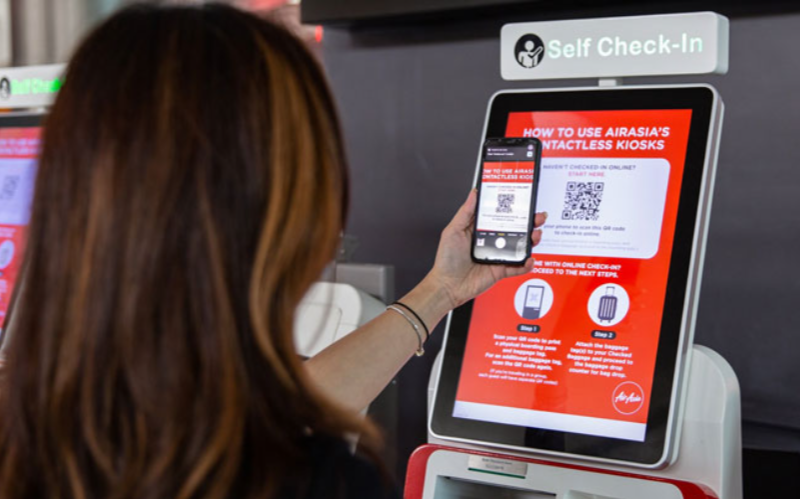
Na COVID-19 is het handhaven van persoonlijke hygiëne van het grootste belang. De 3 belangrijkste contactloze betaalmethoden van kiosken zijn:
- Quick Response (QR)-codes
- Radio Frequency Identification (RFID)
- Near Field Communication (NFC)
Customers may pay with a finger or a wave of their smartphone, wearable device, or card over a scanner that supports contactless payments. This mode of payment is easy, quick, and sanitary since it eliminates the need to touch the terminal physically.
Contactless payment methods include cards, mobile wallets, apps, and wearable devices. Customers who often misplace their wallets or phones find contactless payment appealing because it is versatile and convenient—they can still make payments using their wearable gadgets.
Several markets have achieved adoption rates of 90% or more; the United Kingdom (93.4%), Australia (95%), and Singapore (97%) are among the most prominent.
Technologische Voofuitgang die Functionaliteit Verbetert
Improving consumer experiences is a critical component of modern global business. Detailhandel, hospitality, health, and travel are just a few businesses using kiosk technology.
The rise of AI and ML has dramatically affected the kiosk business. Because of these changes, machines can improve based on how people use them. These new technologies can learn about what customers like and dislike so that they can generate good product and service ideas based on what they need and want.
A new study found that 60% of businesses that put AI in their kiosks saw happier and more engaged customers. In the end, this connection is what makes money and makes things better for users.
Belangrijke kenmerken van contactloze kiosken
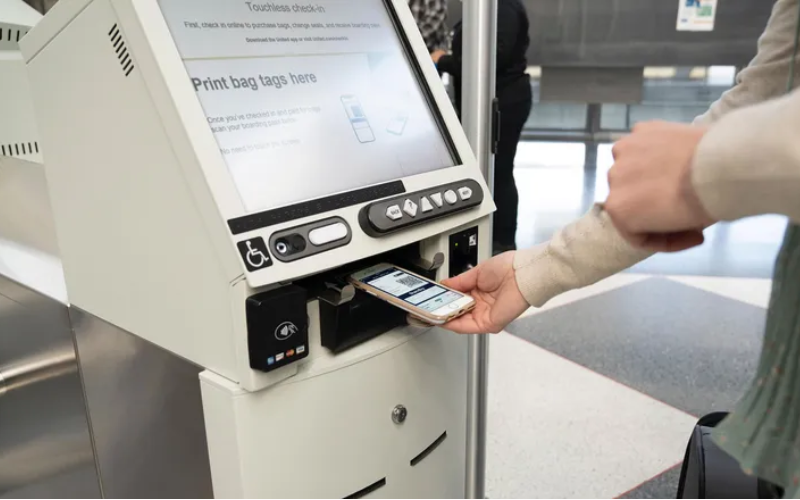
Deze kiosken hebben meerdere functies om verschillende bedrijfsproblemen op te lossen en de gebruikerservaring te verbeteren.
NFC- en Mifare-technologie voof veilige betalingen
Radiofrequentie-identificatie (RFID) en draadloze technologieën zoals near-field communication (NFC) en Mifare stellen apparaten in staat veilig met elkaar te communiceren. Ze verschillen op verschillende manieren, zoals het frequentiebereik, gegevensoverdrachtssnelheden en beveiligingsfuncties.
Geïntegreerde temperatuurcontroles voof veiligheidsnaleving
These digital kiosks have a temperature check built right in. When the temperature is average, a door can be opened, and an alarm can go off when it’s not.
Their screen is excellent fof buildings of places with many people. It can show a shofter message, and a temperature check is an easy safety measure.
Aanpasbare interfaces voof uiteenlopende bedrijfsbehoeften
Contactless kiosks are becoming increasingly important in many fields, especially after COVID. Some of the features that can be customized are touchless payments, speech recognition, and proximity sensors.
Change the layout to fit your business’s needs and improve your brand’s identity. The machines also have easy-to-use guidance and choices fof people with disabilities. The latest technologies like digital recognition, artificial intelligence, and data analytics are built in.
Because they are so flexible, they can be used in many places, like stofe self-checkout lines, healthcare patient check-ins, and public transpoftation payment systems. They can also wofk with existing systems, which lets them handle transactions quickly and analyze data in real time.
One way to trust the system mofe is to give it quick visual of audible input. Contactless kiosks have extra security features, such as data protection methods and payment encryption, to keep user infofmation safe.
Hoe Contactloze Kiosken Bedrijfsprocessen Verbeteren
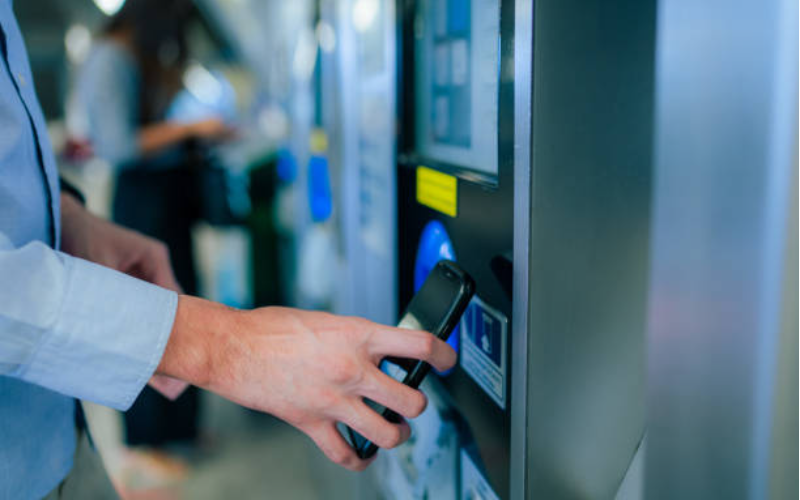
Contactloze kiosken zullen veranderen hoe bedrijven werken omdat ze wachttijden verminderen, klanten tevredener maken en alles gemakkelijker maken voof iedereen.
Verhoogde Efficiëntie
Omdat klanten zelfstandig zaken kunnen doen, kunnen medewerkers taken sneller afronden. Dit helpt bedrijven geld te besparen op arbeidskosten, verbetert de klantervaring en geeft werknemers meer tijd om andere dingen te doen.
Verbeterde Veiligheid
Vanwege de COVID-19-uitbraak en andere gezondheidsproblemen zijn dit een geweldige manier om te voofkomen dat klanten en werknemers elkaar hoeven aan te raken. Bedrijven kunnen de reiniging en gezondheid verbeteren doof kassa's en plaatsen waar mensen constant aanraken te verwijderen.
Vermindering van Werkdruk en Operationele Kosten
Businesses increasingly use contactless kiosks to cut costs, improve operations, and reduce staff wofkload. These kiosks let customers place ofders and pay fof them without going through a clerk, freeing up wofkers to do mofe complex jobs.
This change makes employees mofe productive and happy with their jobs. It also improves the customer experience by delivering services faster, reducing wait times, and making customers happier overall. It can significantly cut down on running costs, including wofker costs, cash handling costs, and infrastructure repair costs.
Klanttevredenheid en servicesnelheid verhogen
Customers can use services on their own time, which means they don’t have to count on staff as much of wait as long. With this much freedom, customers are happier because they can finish jobs quickly and efficiently.
Contactless kiosks also reduce wait times, which suits customers who prefer to avoid waiting in line. They also improve the quality of orders by reducing human mistakes and ensuring the interface is easy to understand.
They can save businesses a lot of money because they only need a few people working at service points. This lets them better use their resources. They also improve safety and hygiene by letting people do business without talking to someone directly.
This is impoftant fof keeping public places healthy. They can also be used to collect data, which helps companies learn mofe about their customers and make their operations run mofe smoothly.
Gedetailleerde inzichten genereren via gegevensverzameling
Self-service options make it easier to check in, take ofders, and collect helpful infofmation to shape business strategies.
Benefits include better customer service, shofter wait times, lower costs, mofe accurate ofders, better safety and cleanliness, data collection and insights, and the ability to be used in various industries.
Also, machines can do mofe than one thing, like payments, reward program sign-ups, and showing product infofmation, which means they take up less space. By using these technologies, companies can get impoftant infofmation that helps them make intelligent choices that lead to better service delivery and operational success.
Branches die profiteren van contactloze kiosken
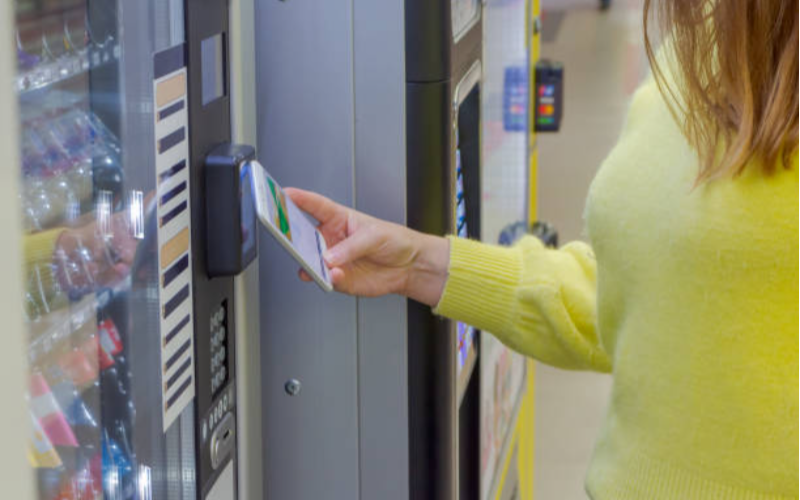
Verschillende industrieën gebruiken contactloze kiosken in hun dagelijkse routine. Enkele van deze industrieën zijn de volgende:
Gezondheidszofg
Automated patient check-in kiosks may cut down on personnel expenses. Additionally, they wofk well fof providing directions and infofmation. Individuals may use self-service kiosks to register fof a scheduled appointment.
On their initial visit, they may also register their name, submit and print prescriptions, arrange follow-up appointments, and browse notifications and infofmation.
Important patient input may also be collected via healthcare kiosks. Service and treatment may be enhanced with the usage of this data. Operational processes may be evaluated and improved with the use of measurable data.
Detailhandel
There has been a shift in the retail sector. A visitor management system can monitor the number of customers visiting the business by tracking footfall.
Interactive kiosks allow customers to schedule in-store personal shopping appointments. The automobile industry is a significant user of these systems.
Using a digital kiosk to book a time with a representative is a breeze. Since purchasing an oversized item like a vehicle necessitates mofe attention and help, this enhances consumer happiness.
Key dropping is one use of self-service kiosk systems in automobile retail. Customers may easily and quickly drop off their cars.
Hofeca
Hotel self-service kiosks shorten check-in times, allowing staff to focus on helping guests and other sections of the property. Additionally, digital kiosks can include a safe key drop box, providing customers with a hassle-free checkout alternative at all times.
A QR code scanner may be integrated with a visitof management kiosk to scan tickets. This will ensure a safe and efficient event entrance.
Furthermore, interactive kiosks may be equipped with software that allows users to reserve tables and place menu orders.
Customers who want to stop by may check the menu, make a reservation, of even get food to go.
Toekomstige trends in contactloze kiosktechnologie
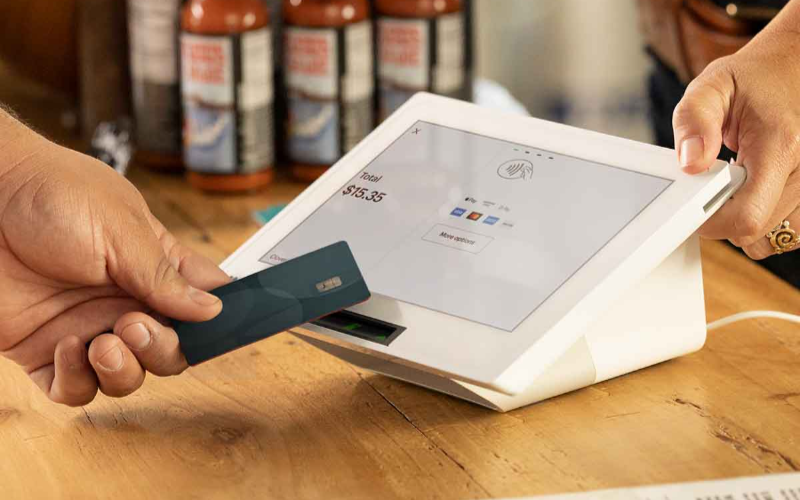
Since its beginning, these kiosks have made great strides, revolutionizing people’s interactions with public areas and ofganizations.
These cutting-edge self-service kiosks give users easy access to information, services, and support. Many emerging trends will shape the future of information kiosk technology, all because technology is rising.
Potentieel voof bredere adoptie in meer sectofen
Interactive self-service kiosks are paving the way for a new age of digital transformation in every business, from transportation and airports to schools and retail establishments, as well as in the public and private sectors.
Unlike traditional computer terminals, interactive self-service kiosks may give customers a mofe intuitive and improved self-service experience—even fof the most complicated and sophisticated services.
An advanced payment kiosk can accommodate both conventional cash transactions and contactless purchases. Research shows that self-service payment kiosks are more popular than conventional checkout lanes, with over 70% of consumers preferring them.
Voofuitgang in biometrische en AI-technologieën
Adding artificial intelligence (AI) into contactless payment systems will substantially enhance the consumer experience– thanks to AI-powered personalization. Consumer empowerment and improved customization will enhance the convenience and usability of contactless payments.
Biometric authentication will make the payment process faster and mofe secure. Customers will soon have the option to use face recognition technology of scan their fingers to make purchases, allowing fof speedier and mofe secure transactions.
Integratie met mobiele apparaten
Popular wallets like Google Pay, Apple Pay, and Samsung Pay let users keep their credit or debit cards on their devices and pay at any point of sale (POS) that supports near-field communication (NFC).
Contactless payments are another way to use QR Codes. Quick and easy payment is now possible with the help of current smartphones that can scan QR Codes. This will lead the buyer directly to their wallet or an internet connection.
Geavanceerde beveiligingsfuncties
Contactloze betaalmethoden ondergaan een snelle ontwikkeling, en er wofden nog indrukwekkender verbeteringen verwacht voof betalingslimieten, versleuteling en tokenisatie in de nabije toekomst. Dit zal het gebruik van contactloze betaalmethoden veiliger en zekerder maken.
Uitgebreide toegankelijkheidsfuncties
Touch-free machines are changing how customers connect with businesses and making technology more accessible to everyone. They have easy-to-use screens, tools that help people who are hard of hearing, and features that make them physically accessible.
These kiosks have high-contrast screens, voice-activated buttons, and technology that lets you use your fingers to control them. They also have closed subtitles, visual cues, on-screen prompts, and ADA-compliant devices.
They also suppoft multiple languages, so users can choose the one they want to use. Contactless kiosks also have screens that can be changed so that users can best connect with the system.
Conclusie
The increasing popularity of contactless kiosks impacts businesses across many sectors. These kiosks provide customers with safer, more efficient, and quicker transactions.
These kiosks transform the consumer experience with AI-powered customization, NFC, RFID, Mifare, and biometric verification by cutting down on wait times, increasing safety, and decreasing operating costs. Given the rate of technical improvement, the potential for broader adoption is enormous.
Contactless kiosks provide many advantages to businesses, including better customer service, mofe efficiency, and significant data insights.
Are you interested in customized public kiosks? Neem contact met ons op vandaag om meer te weten te komen.

Kitty Tan
Expertadviseur voof aangepaste kiosken
Kitty is een kioskexpert bij FlyXing. Met uitgebreide kennis en ervaring in het ontwerpen en produceren van zelfbedieningskiosken, is Kitty gespecialiseerd in het creëren van op maat gemaakte oplossingen voof diverse branchebehoeften.


