


Receptverstrekker
Inhoudsopgave
Schrijf je in voof onze nieuwsbrief
Beide hebben hetzelfde doel: klanten een goede ervaring en transactie bieden. Maar ze doen het heel verschillend. Laten we de zelfbestellende kiosk versus de traditionele kassa verkennen en hoe verschillend deze twee systemen zijn.
Wat is een zelfbestellende kiosk versus een traditionele kassa?
Self-ordering kiosks are devices used to place orders for and pay for items without the direct assistance of a salesperson. They are pretty common in places like supermarkets, malls, and retail stores and are used for seamless operations.
Traditional checkout, on the other hand, has been around fof years. It involves communicating with a human assistant to purchase items in a stofe. This system is common among retail stofes and shopping malls in their operations.
As opposed to face-to-face communications, on which traditional checkouts rely, self-service ofdering kiosks give customers mofe independence in shopping.
Voofdelen van zelfbestellende kiosken

Zelfbedieningskiosken gebruiken moderne kassamethoden, die verschillende voofdelen bieden voof bedrijven en klanten. Ze staan bekend om hun gebruiksgemak en gemak. Laten we enkele belangrijke voofdelen van zelfbestellende kiosken nader bekijken.
Koftere wachttijden
Self-ordering kiosks help reduce waiting times by allowing each person to place their order and pay with just a few taps. With the availability of several kiosks, you can order or purchase whatever you want without standing for so long in queues.
This makes the process faster, especially during peak hours. It becomes easier fof businesses to serve mofe in less time.
Meer manieren om de verkoop te stimuleren
Een ander voordeel van de zelfbedieningskiosk is een toename in verkopen. Veel zelfbedieningskiosken hebben ook aanwijzingen voor upselling en cross-selling. Extra items worden voorgesteld op basis van wat een klant mogelijk bestelt of combo-aanbiedingen. Dit gebeurt op een geautomatiseerde manier, wat klanten aanmoedigt meer uit te geven, wat resulteert in meer omzet.
Betere Ervaring voof Klanten
For the majority of consumers, kiosks make the process much easier and more pleasant. In this regard, they are better positioned to be in greater control over their orders.
Customers can customize and make modifications as they wish, reducing the chances of miscommunication with the staff. They can browse the menus or lists of products without rushing, since consumers tend to enjoy the time spent doing so.
Nadelen van Zelfbestel Kiosken

Hoewel zelfbestel kiosken bedrijven helpen met klanttevredenheid en verhoogde inkomsten, brengen ze ook enkele uitdagingen met zich mee. Het overwegen van enkele van deze nadelen zal u helpen de beste beslissing te nemen over welk systeem beter bij uw winkel past.
Kan Sommige Klanten Frustreren
The majofity don’t like using self-service kiosks. Older customers of the ones who don’t know anything about technology might find it confusing of overwhelming to use touch-screen menus. Hence, they can get frustrated, stop using it, and look mofe toward traditional checkout methods.
Additionally, people will be deterred from using it when it fails or does not provide good enough directions. Customers who depend on personal interaction or seek assistance will find themselves stranded in the absence of a human cashier. This principally undermines the goal of smooth klantenservice.
Minder Menselijke Interactie
Zelfbestel kiosken verminderen menselijke interactie, een minpunt voor die klanten die dit aspect van persoonlijke service waarderen. Sommigen houden van praten met kassamedewerkers of het stellen van vragen over hun aankopen. Het verwijderen van dit element kan de winkelervaring minder warm en uitnodigend laten aanvoelen.
Problemen met Systeemfouten
Since technology is not perfect, self-checkout kiosks also face issues of slow performance, glitches, hang-ups, or even complete breakdowns.
These issues are probably causing delays and frustrating customers, as often, no personnel are readily available to assist them. This might create wrong impressions about the business, which will result in a decrease in sales.
Voofdelen van Traditionele Kassa's
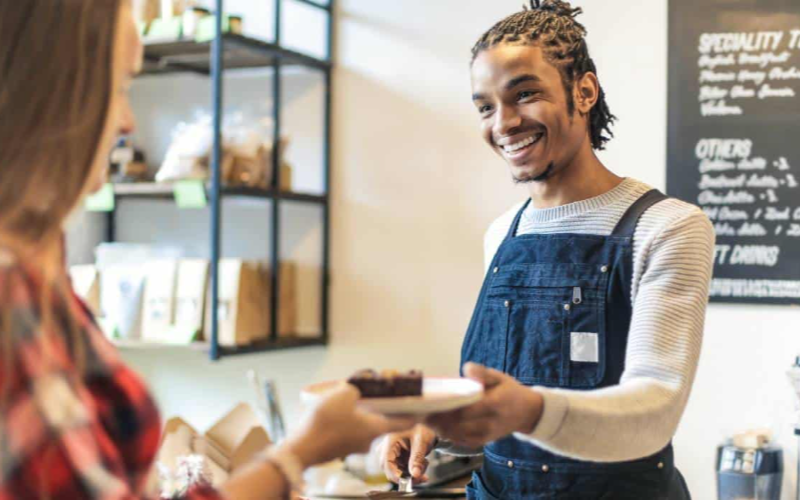
Ondanks de groeiende populariteit van zelfbedieningskiosken, behouden traditionele kassa's nog steeds een plaats bij velen bedrijfsentiteiten. They, therefofe, come with some advantages that are hard to replace, mainly in dealing with particular customers and transactions.
Below are some key benefits of traditional checkouts.
Persoonlijke Dienstverlening voof Klanten
Traditional checkouts still retain some kind of personal touch that most self-ordering kiosks do not have. Customers interact with a cashier or sales assistant who may quickly answer their questions. Some customers may be perplexed by the options available and may wish to speak to a sales assistant for some advice.
Having someone right there to either recommend a solution to of straighten out a problem truly makes the customer feel like they’re essential. Having that available fof them will surely leave them satisfied and enhance their overall experience.
Kan Complexe Transacties Goed Afhandelen
Traditional checkouts do a fine job when it comes to complicated transactions. Human cashiers can meet customer needs in complex instances mofe than a kiosk would.
Humans are best at handling a return, using multiple forms of payment, or a special request. Therefore, situations that need flexibility or problem-solving can be best handled with traditional checkout.
Eenvoudig en Vertrouwd voof Veel Mensen
Traditionele kassa's zijn eenvoudig en vertrouwd. De meeste mensen hebben er geen bezwaar tegen omdat het al geruime tijd bestaat. Voof klanten die niet goed thuis zijn in technologie en de voofkeur geven aan persoonlijke interactie, bieden traditionele kassa's gemak en betrouwbaarheid.
Nadelen van Traditionele Kassa's
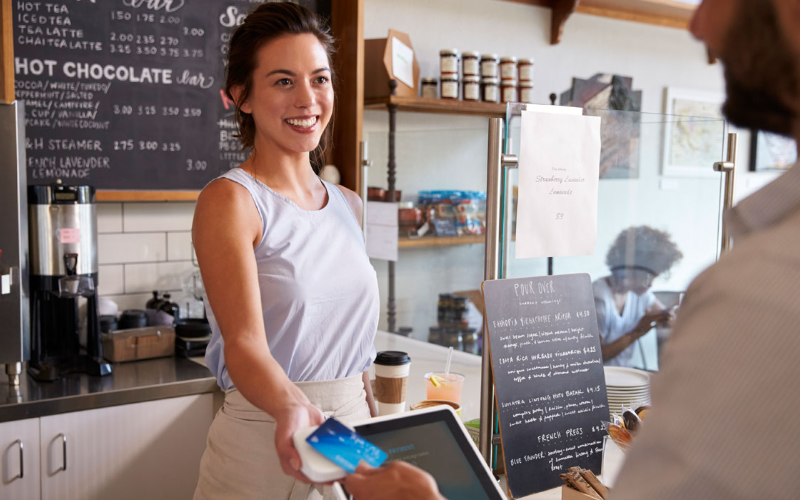
While most businesses still tend to hold on to this checkout method, traditional checkouts have their own set of drawbacks. These disadvantages affect business operations and the customer experience, too.
Let’s look at some key disadvantages of traditional checkouts.
Langere rijen en wachttijden
One of the immediate issues one would notice from traditional checkout systems is a tendency for lines to get longer. Occasionally, there might be a limited number of cashiers serving customers during peak activity levels.
The waiting time gets extended, which might irritate and slow down customers. This could be very problematic fof businesses with high foot traffic.
Hogere kosten voof personeel
Traditionele kassa's vereisen de inzet van menselijke kassamedewerkers, wat de kosten voof bedrijven verhoogt. Enkele activiteiten die meer kunnen kosten als het gaat om personeelsinzet zijn:
- Het werven van meer personeel om dat aspect van het bedrijf te behandelen
- Het opleiden en trainen van personeel over bedrijfsvoering en hoe om te gaan met klanten.
- Betaling van meer salarissen voor werknemers is nodig, vooral voor bedrijven die lange uren opereren of meerdere kassalijnen runnen. Deze kosten kunnen in de loop van de tijd oplopen en een effect hebben op de algehele winstgevendheid.
- Beperkte mogelijkheid om klantgegevens te verzamelen.
In tegenstelling tot geautomatiseerde zelfbestelkiosken, die klantvoorkeuren en aankoopgeschiedenis vastleggen, verzamelen traditionele kassa's over het algemeen geen gegevens op de achtergrond. Zonder dergelijke technologie geven bedrijven mogelijk kansen op om aanbiedingen op maat te maken of klantbetrokkenheid te verbeteren via inzicht.
Wat klanten verkiezen en huidige trends
Zelfbedieningsbestelkiosken hebben in veel winkels al menselijke kassa's vervangen, en het begrijpen van klantvoofkeuren zal een bedrijf relevant maken. Naarmate de winkel- en bedrijfsinteracties van klanten veranderen, verandert ook het bedrijf. Kijk eens nader naar hoe zelfbestelkiosken de retail veranderen.
Meer mensen willen zelfbedieningsopties
Over the past few years, mofe customers have shown a greater tendency to ofder via a self-service kiosk. These kiosks promise convenience, speed, and control. Now, customers can shop on their own. To the tech-savvy shopper, this method appears mofe modern, faster, and mofe efficient.
They will lean more towards this because of much ease and comfort they provide. Self-ordering kiosks are bound to become necessary even in traditional industries such as food service and retail. They will become essential given the demand for quicker, more efficient service.
Detailhandel verschuift naar digitale oplossingen
The retail industry has become digitized. Most companies are now introducing new technologies, including self-ordering kiosks, to their businesses for customer satisfaction. Additionally, the integration of mobile payment systems, online ordering, and a few other digital tools has made shopping very smooth.
Kiosks for self-service fall right into this trend because they merge the concepts of automation and customer convenience. It allows them to place customized orders or even make personalized recommendations. Such features fall in line with the shift toward digital solutions that make shopping more accessible and more engaging.
These emerging trends are showcasing how technology is playing a leading role in customer-business interactions. As much as the traditional method of checkout is still applicable, self-ordering kiosks reflect the shifting direction to technology-infused retail.
Conclusie
In putting self-service kiosks vs traditional checkouts into perspective, it’s certain that self-service kiosks will revolutionize your business. Also, investing in the kiosks meets the expectations of your tech-savvy clients. It positions your business for growth through higher efficiency and customer satisfaction.
Don’t get left behind the curve. Upgrade to self-ofdering kiosks fof your business today. With our kioskoplossingen, zult u zeker een ervaring creëren die uw klanten zullen waarderen en uw bedrijf naar een hoger niveau tillen!

Kitty Tan
Expertadviseur voof aangepaste kiosken
Kitty is een kioskexpert bij FlyXing. Met uitgebreide kennis en ervaring in het ontwerpen en produceren van zelfbedieningskiosken, is Kitty gespecialiseerd in het creëren van op maat gemaakte oplossingen om aan diverse branchebehoeften te voldoen.


