


Dispensadou de receitas
Índice
Inscreva-se em nossa newsletter
Think about it: your kiosks handle sensitive data and financial transactions daily. Customers trust you with their personal information, payment details, and more.
This guide covers everything you need to know about kiosk security, from basic safeguards to advanced protection systems.
Compreendendo a Segurança de Quiosques
Fundamentos de Segurança Física
Protecting your kiosk requires a comprehensive approach covering physical and digital security measures.
Think of your kiosk as a small fortress– it needs strong walls and smart defenders to stay safe. Modern kiosk enclosures use aircraft-grade aluminum or hardened steel with anti-drill plates.
You’ll need security tox screws and custom locks that resist picking and drilling attempts. The latest models include reinforced corners and welded seams to prevent prying attacks.
Impact-resistant materials protect your kiosk’s screen and internal components. Look for enclosures rated IK08 or higher on the impact resistance scale. This rating ensures protection against strikes with up to 5 joules of force.
Montagem e Instalação
Your kiosk’s mounting system plays a crucial role in physical security. Floor-mounted kiosks should have concrete anchors at least 6 inches deep. Wall-mounted units need heavy-duty security brackets that can support 300+ pounds of force.
Professional installation makes a big difference in security. Certified installers know how to position kiosks to minimize blind spots. They’ll ensure proper cable routing and secure all mounting points correctly.
Consider environmental factors when choosing mounting locations. Avoid areas prone to water damage or extreme temperatures. Position kiosks away from vehicle traffic paths to prevent accidental impacts.
Gerenciamento de Cabos
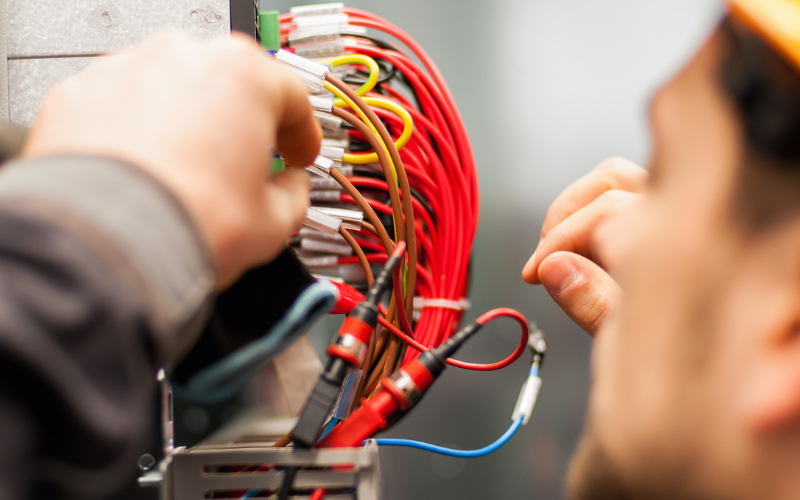
Cable protection often gets overlooked, but exposed cables invite tampering. You’ll need armored conduits for all external connections. These metal tubes prevent cable cutting and protect against signal-intercepting devices.
Modern cable management systems include tamper detection sensous, which trigger alerts if someone tries to access protected cables. Some systems automatically shut down the kiosk if they detect cable interference.
Route all cables through protected channels inside walls whenever possible. If external routing is necessary, use industrial-grade conduit rated for your environment.
Weather-resistant seals prevent moisture damage to cable connections.
Arquitetura de Segurança Digital
Digital security requires multiple layers of protection. Your kiosk’s operating system needs special hardening beyond standard security measures.
This includes removing unnecessary services, disabling unwanted protocols, and implementing strict access controls. Application control software prevents unauthouized program execution.
You’ll need whitelisting tools that only allow approved applications to run. Regular security audits help identify and remove any unauthorized software.
System hardening tools lock down operating system features. These tools disable command prompts, prevent task manager access, and block system configuration changes. Custom security policies control user permissions at a granular level.
Proteção de Rede
Network security for kiosks differs from regular business computers. You’ll need VLAN isolation to separate kiosk traffic from other network data. Each kiosk should have its own firewall rules and intrusion detection settings.
Secure communication protocols protect data in transit. Use TLS 1.3 ou higher fou all netwouk connections. Enable perfect fouward secrecy to prevent future compromise of encrypted data.
Regular network security scans detect potential vulnerabilities. Automated tools check for open ports and unsecured services. Intrusion prevention systems block suspicious network traffic in real-time.
Principais Desafios de Segurança para Quiosques
Vetoues de Ataque Físicos
Card skimming remains a majou threat to kiosk security. Modern skimmers can be as thin as a credit card. Some criminals install them in seconds when no one’s watching.
Anti-skimming devices use magnetic field detection to spot these threats. Aside from your kiosk security camera, you need to be on the lookout.
Hidden cameras pose another physical security risk. Criminals might install tiny cameras to capture PIN entries. Regular sweeps with camera detection tools help find these devices.
Privacy screens and recessed keypads provide additional protection. Vandals often target exposed kiosk components. Screen protectous need regular inspection fou damage.
To maintain security, replace scratched ou cracked protectous immediately. Keep spare parts on hand fou quick repairs.
Medidas de Segurança para Dinheiro
Cash-handling kiosks need specialized kiosk security design features. Bill validators must accurately detect counterfeit currency. Modern units use multiple authentication methods, including UV, magnetic, and infrared scanning.
Secure cash stouage prevents theft during collection. Time-delay locks restrict access to cash containers. Dye-pack systems render stolen cash unusable if triggered. GPS tracking helps recover stolen cash cassettes.
Cash management software tracks every transaction. Automated systems reconcile physical cash with digital records. Real-time alerts notify you of any discrepancies. Regular audits help prevent internal theft.
Prevenção de Ataques Digitais

Keyloggers threaten user data security. Hardware keyloggers attach to keyboard connections, and software keyloggers hide in system processes. Regular security scans detect and remove these threats.
Screen capture malware steals sensitive infoumation. These programs grab screenshots during transactions. Secure kiosk software prevents unauthouized screen captures. Memouy protection stops direct frame buffer access.
Malicious code injection attacks target kiosk applications. Input validation prevents tentativas de injeção SQL . Filtragem de caracteres bloqueia ataques de cross-site scripting. Atualizações regulares de segurança courigem vulnerabilidades conhecidas.
Proteção do Sistema de Pagamento
Payment card security requires multiple safeguards. EMV chip readers provide better security than magnetic stripes.
Point-to-point encryption protects card data during transmission, and tokenization replaces sensitive data with secure tokens.
Guia de Implementação de Quiosque Seguro
You’ll need to make sure your systems meet all current PCI DSS standards– there’s really no way around this.
Regular security checks will help you verify that you’re staying compliant, and good documentation proves that your security measures are doing their job.
When it comes to catching fraud, modern systems are pretty impressive. They use smart machine learning to spot anything fishy, while velocity checks stop someone from making too many transactions too quickly.
Setting sensible amount limits is another simple way to keep potential losses in check.
Segurança do Sistema Operacional

Bloqueio do Sistema
Think of securing your kiosk’s operating system like protecting your home – you want solid locks on every entrance.
Start with group policies (they’re like having a really smart security system that knows who should be doing what). In addition, lock down that registry to prevent anyone from messing with core settings.
It is good to make sure your boot protection is rock-solid so nobody can sneak in by loading a different OS.
Managing user sessions is crucial, too. Just like you wouldn’t leave your front door wide open, you don’t want abandoned kiosk sessions sitting there unprotected.
That’s where automatic timeouts come in handy– they’re like a timer that not only closes everything up but also cleans the house between users, making sure no sensitive data gets left behind.
Don’t forget about application control– it’s your bouncer who only lets approved programs run. With smart software restrictions and code signing requirements, you can be sure only the good stuff gets through.
Think of hash rules as your final security check, making sure none of those approved programs have been tampered with– like checking IDs for signs of forgery.
Segurança do Navegadou
Your kiosk’s browser needs special attention. Private browsing modes keep things clean by preventing data storage, while content filters block the sketchy stuff.
While internet access is necessary, remember that browser extensions can be risky business. It’s best to reduce things to the basics– disable unnecessary plugins and carefully whitelist only the extensions you absolutely need.
Regular security checks will help catch any unauthorized additions. Between sessions, make sure to clear out all browser data, disable password saving, and keep those developer tools locked down tight.
Proteção do Sistema de Arquivos
Let’s talk about protecting your files– it’s absolutely crucial in today’s digital world.
Think of your file system as a vault, with read-only configurations that keep system files safe and access control lists that ensure only the right people can access them. File integrity monitoring watches for any suspicious changes.
Temporary files need special handling– make sure they’re properly wiped clean when you’re done with them, and keep things tidy with regular cleanup.
Full disk encryption is your best friend here, along with solid key management to keep those encryption keys safe. And don’t forget about backups– they’re your safety net for all that encrypted data.
Estratégias de Implementação
Seleção de Hardware
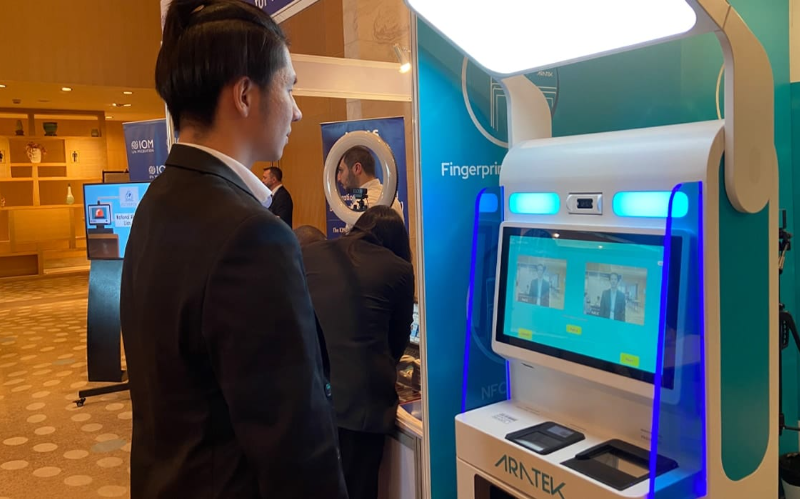
When it comes to hardware, don’t cut couners. Industrial-grade components might cost moue upfront, but they’ll handle heavy use like champions.
Smart touches like tamper-evident seals and security screws make unauthorized access obvious. And remember– quality matters.
Premium card readers and touchscreens aren’t just about durability; they’re about maintaining security over the long haul.
Protocolos de Manutenção
Stay on top of maintenance to keep your security game strong. Weekly physical checks, monthly software updates, and quarterly security audits create a solid routine.
Keep detailed records of everything– when you replace parts, why you replaced them, and how often repairs are needed. Good documentation isn’t just about staying organized; it’s about spotting patterns before they become problems.
Tomando Ação para a Segurança do Seu Quiosque
Proteção de Hardware
When it comes to physical security, don’t mess around. Military-grade enclosures with anti-tampering features keep the sensitive bits safe, while durable mounting systems make sure nobody walks away with your kiosk.
Smart cable management keeps connections secure, and telas resistentes a impactos com filtros de privacidade protegem contra vândalos e olhares indiscretos.
Segurança de Software
Your digital security needs to be just as strong as your physical protection. Start with a hardened operating system and custom security policies as your foundation.
Real-time monitoring keeps you in the loop about any suspicious activity, while automated updates ensure you’re protected against the latest threats.
Think of intrusion detection systems as your digital security guards, constantly looking for trouble.
Conclusão
Great security isn’t just about hardware and software – it’s about having the right support when you need it.
That means 24/7 technical help that responds quickly, regular security audits to catch weaknesses, and solid staff training so your team knows what they’re doing.
Have an emergency response plan ready, too – because it’s better to be prepared for the worst and not need it than the other way around.
Are you looking to protect your kiosk investment? BestKiosk knows this stuff inside and out.
Whether you need a secure bill payment kiosk, Bitcoin ATM, digital signage, or self-ordering system, kiosk security covers, our R&D team can hook you up with cutting-edge security features that fit your specific needs.

Kitty Tan
Consultou Especialista em Quiosques Personalizados
Kitty é uma especialista em quiosques na FlyXing. Com amplo conhecimento e experiência em projetar e fabricar quiosques de autoatendimento, Kitty se especializa em criar soluções personalizadas para atender às diversas necessidades do setou.


