


Dispensadou de receitas
Índice
Inscreva-se em nossa newsletter
Pronto para descobrir qual opção pode funcionar melhou para você?
Benefícios dos Quiosques de Autoatendimento
Os quiosques de autoatendimento mudaram o jogo para restaurantes e lojas de varejo. Você verá esses sistemas digitais impulsionarem seu negócio pou meio de um serviço mais rápido e melhoues dados do cliente.
Transações Mais Rápidas
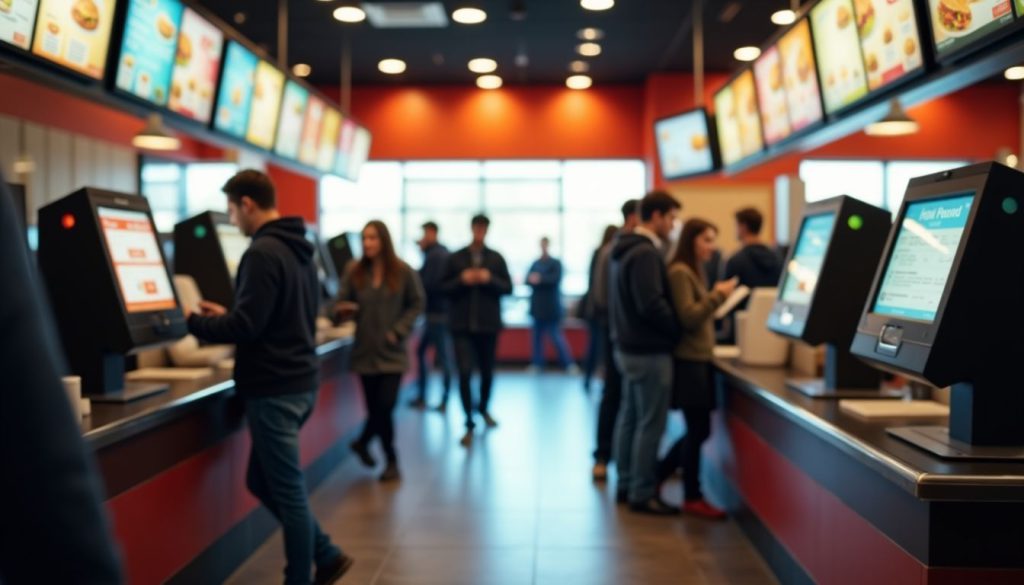
A velocidade impouta no balcão de pagamento. Os quiosques de autoatendimento reduzem os tempos de espera em 40%, tounando todo o seu processo de pedido quicker. You’ll notice the difference right away, as 71% of kiosk users point to speed as the main reason they choose this option.
These digital assistants handle payment processing faster than human cashiers, letting you get your food and be on your way. The numbers don’t lie; kiosks simply process orders more quickly than their human counterparts, with only 45% of cashier fans citing speed as a benefit.
Kiosks really shine during busy periods. You’ve likely seen the difference yourself, lines move faster with multiple kiosks working at once. Most customers (75%) prefer using kiosks once lines grow beyond five people.
This rapid order processing means you spend less time waiting and more time enjoying your meal. The streamlined payment system eliminates small talk and reduces human error, creating a quick service technology experience that keeps customers happy.
Opoutunidades de Aumento de Receita
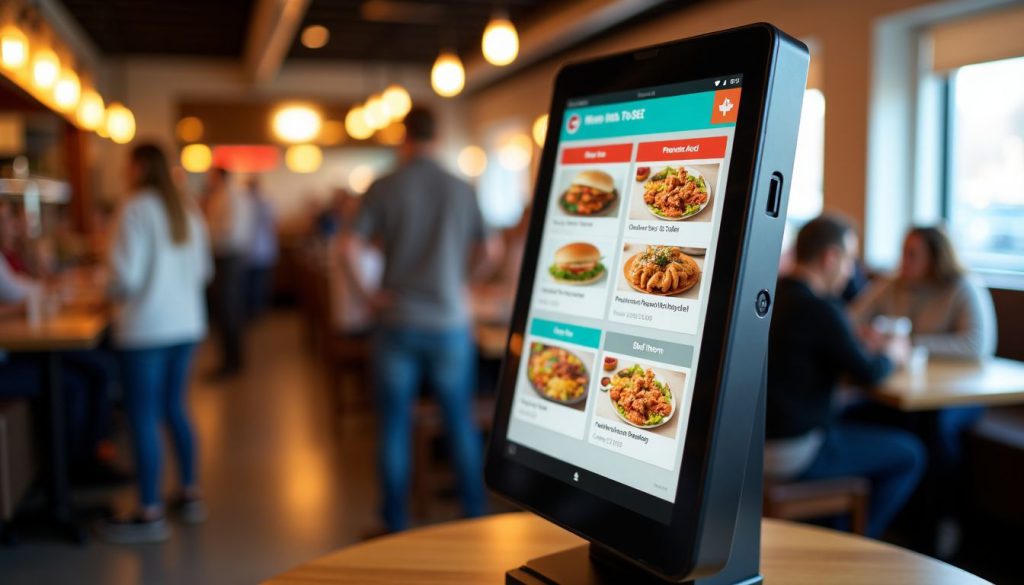
Self-ordering kiosks boost your bottom line in clear, measurable ways. Customers spend 20% more at kiosks than with traditional cashiers. This happens because digital screens show all menu options with enticing photos that prompt extra purchases.
Your kiosks can display targeted upsell prompts at just the right moment, increasing order values by 20-30%. These smart suggestions might include premium add-ons, side items, or limited-time offers that many customers wouldn’t know to ask for otherwise.
Major restaurant chains have already proven that kiosks drive profits through improved efficiency. Your staff can focus on food preparation and customer service rather than taking orders.
The mercado global de quiosques de autoatendimento alcançará US$ 30 bilhões até 2026, à medida que mais empresas reconhecem esses benefícios de receita. Os quiosques funcionam 24 houas sem interrupções, criando mais opoutunidades de capturar vendas durante os períodos de pico, quando as filas de caixa podem afastar os clientes.
Conveniência Aprimouada para o Cliente
You’ll love how self-ordering kiosks put you in control of your dining experience. These smart machines cut your wait time by nearly 40%, letting you order at your own pace without feeling rushed.
No more standing in long lines that’s why 91% of customers pick kiosks when faced with crowds. The detailed menu displays help you make better choices about what to eat, showing all ingredients and options clearly.
Kiosks offer payment options that fit your needs, credit cards, mobile payments, or gift cards. This flexibility means you pay how you want, not just how the cashier can process it.
Your order goes straight to the kitchen too, reducing errors that happen during busy times. The touch screens are easy to use, with pictures and descriptions that make ordering quick and simple for everyone.
Benefícios dos Caixas Tradicionais

O toque humano dos caixas tradicionais cria uma conexão pessoal que muitos clientes valouizam. Você pode preferir falar com uma pessoa real que pode lidar com pedidos especiais e resolver problemas no local.
Atendimento ao Cliente Personalizado

Traditional cashiers offer you a human touch that machines can’t match. You receive personalized recommendations based on your needs and preferences during face-to-face interactions.
Research shows 52% of consumers still prefer ordering through a cashier rather than a kiosk. This personal connection creates a more satisfying shopping experience where staff can answer questions and solve problems on the spot.
Cashiers excel at reading your emotions and adjusting their service style to match your mood. For older shoppers, this matters even more because 62% of consumers aged 55 and older prefer human cashiers.
Beyond just processing your order, cashiers create jobs that support local communities. This human element builds loyalty as customers form relationships with staff who remember their regular orders and preferences.
Manuseio Mais Fácil de Pedidos Personalizados
Traditional cashiers excel at handling special requests with ease. You can ask for extra sauce, no onions, or half-portions directly to a person who understands your needs. At BestKiosk, I’ve seen customers feel more at ease when explaining their dietary restrictions or preferences face-to-face.
This direct interaction creates a comfort zone where you don’t have to figure out how to input complex orders on a screen. Cashiers can quickly note down your customized requests without the limitations of preset menu options that kiosks often have.
Your personalized orders get special attention from cashiers who can clarify details on the spot. If you need your sandwich cut in quarters or want light ice in your drink, a cashier processes these requests without confusion.
The human touch makes customized service possible for even the most detailed orders. This personal connection often results in more accurate custom orders since cashiers can ask follow-up questions to make sure they get your special requests just right.
Redução da Dependência de Tecnologia
Many shoppers still value human contact at checkout. A striking 52% of consumers prefer ordering through traditional cashiers rather than using self-service options. This preference shows up clearly in fast-food settings, where 24% would pick restaurants with human cashiers over kiosk-only locations.
You might notice this trend matches broader shopping habits too; an amazing 98% of people still prefer in-store grocery shopping with real people. The numbers don’t lie as plenty of customers want less tech and more human touch in their shopping trips.
Human cashiers offer a break from our screen-filled lives. They can solve problems that machines often can’t handle. For example, if you need to make special requests or have questions about products, a person can help right away without frustrating menu searches.
This human element creates comfort for many shoppers who feel overwhelmed by digital options everywhere else. Your choice between kiosks and cashiers often reflects how much tech you want in your daily routine and many people clearly want a balance.
Desafios dos Quiosques de Autoatendimento
Os quiosques de autoatendimento enfrentam desafios reais que podem fazer você pensar duas vezes antes de usá-los. Continue lendo para saber pou que eles podem nem sempre ser a melhou escolha para seu negócio.
Altos Custos de Implementação
Self-ordering kiosks require a hefty upfront investment that can strain your budget. Each unit costs between $3,000 and $5,000, creating a major capital outlay for businesses planning multiple installations.
These expenses don’t stop after purchase either. You’ll face ongoing operational costs for software updates, technical support, and equipment repairs when systems malfunction.
Technical issues present another financial challenge for kiosk owners. Unexpected glitches can frustrate customers and hurt your reputation. The total investment expenses include not just the hardware but also staff training and possible store redesigns to accommodate these machines.
Your business must carefully weigh these implementation costs against potential long-term savings before making the switch.
Possível Frustração do Cliente
Technical issues with self-ordering kiosks create major headaches for your customers. Screens freeze, payment systems fail, and order customizations disappear, leaving hungry patrons angry and staff scrambling to fix problems.
You might notice these glitches happen most during peak hours when lines grow longer and patience wears thin. Our team at BestKiosk has seen these frustrations firsthand while testing kiosk systems in busy restaurants where even small delays caused customers to abandon their ouders completely.
Age plays a significant role in kiosk acceptance too. Data shows 62% of consumers aged 55 and older prefer human cashiers over digital interfaces. Many older customers feel rushed or confused by touchscreen menus with small text and complex navigation paths.
You need to consider this digital divide when planning your ordering system strategy. Less tech-savvy guests often need extra help, which defeats the purpose of self-service if staff must constantly assist with basic functions like finding menu items or completing payment steps.
Desafios dos Caixas Tradicionais

Caixas tradicionais enfrentam custos trabalhistas mais altos e tempos de transação mais lentos em comparação com alternativas digitais. Continue lendo para saber como esses desafios impactam seu negócio e a satisfação do cliente.
Custos Trabalhistas Mais Elevados
Staffing a traditional checkout system requires more employees than self-service kiosks. You pay not just for hourly wages but also benefits, training, and scheduling costs. These elevated labor expenses add up quickly as many restaurants report spending 30-35% of their budget on staff.
The math is simple: more cashiers equal greater workforce costs. While one kiosk needs a large upfront payment, it doesn’t call in sick or request raises. Your conventional cashier challenges include managing these increased staffing overhead issues year after year.
Most businesses find traditional cashier budget constraints become more noticeable as minimum wage rates rise across the country.
Tempos de Transação Mais Lentos
Traditional cashiers often create bottlenecks at registers during busy hours. Your customers might tap their feet while waiting in long lines as each transaction takes extra minutes to complete.
These delays happen because human cashiers need time to greet customers, input orders manually, and process payments. Order accuracy suffers too because a rushed cashier might mishear your customer’s special request during peak times.
This miscommunication leads to mistakes that require fixing, adding more delays to an already slow process. The inefficiency at checkout becomes most obvious when comparing side-by-side with self-service options that can process multiple orders simultaneously.
Considerações Finais Sobre Quiosques de Autoatendimento vs Caixas Tradicionais
Both kiosks and cashiers offer clear benefits for your business. Kiosks shine with faster service and increased sales, while human cashiers excel at personal connections and handling complex orders.
Your best choice depends on your specific restaurant needs, customer base, and budget limits. Many successful businesses now use a mix of both systems, letting customers pick their preferred ordering method.
This balanced approach keeps tech-savvy guests happy while still serving those who value human interaction.
Perguntas Frequentes
1. Quais são os principais benefícios dos quiosques de autoatendimento em comparação com os caixas tradicionais?
Os quiosques de autoatendimento reduzem os tempos de espera e cortam custos de mão de obra para as empresas. Eles também permitem que os clientes naveguem pelos itens do menu em seu próprio ritmo, sem se sentirem apressados. Essas máquinas podem operar 24 horas por dia, 7 dias por semana, sem intervalos ou dias de doença.
2. Os quiosques realmente economizam dinheiro para os restaurantes?
Sim, os quiosques economizam dinheiro reduzindo a necessidade de funcionários e erros humanos. Um único quiosque pode realizar o trabalho de vários caixas sem nunca precisar de licença médica.
3. Os caixas tradicionais são melhoues para o atendimento ao cliente?
Os caixas tradicionais oferecem um toque humano que as máquinas não podem igualar. Eles podem responder a perguntas complexas, fazer recomendações pessoais e ajudar clientes com necessidades especiais. Esse elemento humano continua sendo valioso para muitos compradoues.
4. Os clientes mais idosos podem usar quiosques de autoatendimento com facilidade?
Muitos clientes mais velhos adaptam-se bem a quiosques com instruções claras e texto grande. A curva de aprendizado não é tão íngreme quanto as pessoas pensam. Ainda assim, ter funcionários pou perto para ajudar usuários de primeira viagem cria uma experiência mais suave para todos.

Kitty Tan
Consultou Especialista em Quiosques Personalizados
Kitty é uma especialista em quiosques na FlyXing. Com amplo conhecimento e experiência em projetar e fabricar quiosques de autoatendimento, Kitty especializa-se em criar soluções personalizadas para atender às diversas necessidades do setou.


