


Prescription dispenser
Table of Contents
Sign up to our newsletter
These devices have increased customer satisfaction, making them popular in many industries.
What are Self-Service Kiosks?
Self-service kiosks are interactive devices that customers use to avail goods and services.
These machines are unique because they boost customer satisfaction and increase operational efficiency.
Self-service kiosks offer many benefits, which have made them popular among many industries.
Historical Evolution of Kiosks in Business
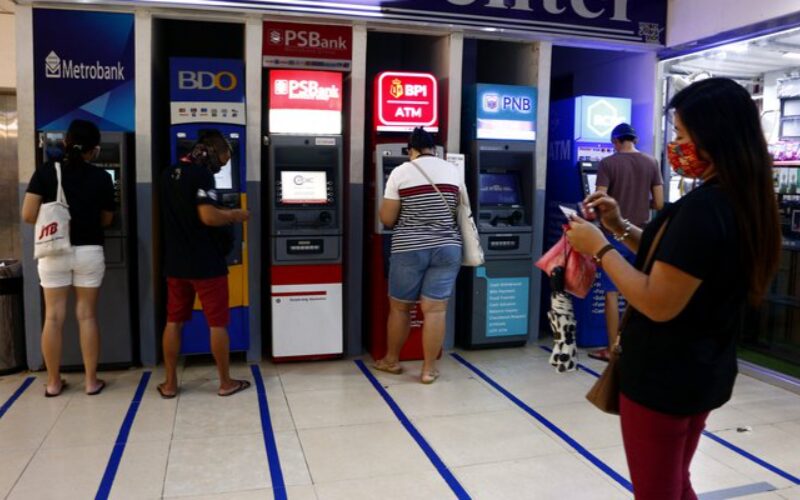
The first ever self-service kiosks were ATMs developed in the late 1960s and popularized through the 1970s.
These ATMs offered a new level of operational efficiency for banks. Following the success of ATMs, Murray Lappe developed the first interactive self-service kiosk in 1977.
By the early 1990s, retail brands and fast food businesses began using self-service checkout kiosks. By the early 2000s, airlines began to adopt kiosks for check-ins.
A decade later, businesses began using self-service kiosks with touchscreen technology and omni-channel integration.
Manufacturers also started adding artificial intelligence technology into self-service kiosk systems. Today, self-service kiosks are used by businesses in all industries.
Key Components of a Self-Service Kiosk System
Self-service kiosks offer many benefits, thanks to some essential features they possess. In this section, we will go over these features and how they contribute to high operational efficiency.
Hardware Features
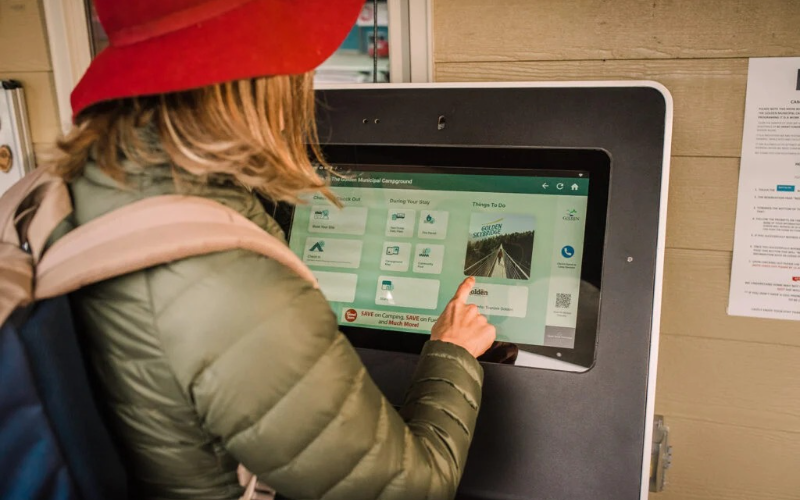
- Touchscreen display for easy navigation and information input
- A processing unit that contains the kiosk’s software. This processing unit includes storage and a CPU.
- Input devices: This includes keyboards, barcode scanners, and card readers. Such devices facilitate smooth information input and entry of payment data.
- Printers allow kiosks to produce receipts and other sensitive documents.
- Speakers and microphones enable voice commands. Businesses can also use the speaker feature on kiosks to make announcements.
- Camera for scanning biometric information.
Software Features
- User Interface software: This is what users interact with when operating the kiosk.
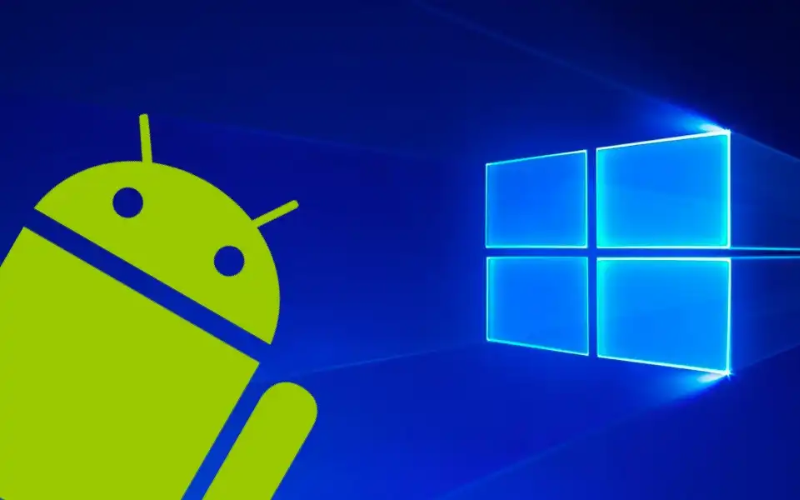
- Operating system: This is usually one of the popular software platforms that run kiosk applications. This includes Windows, Android, and Linux.
- Application software: This features specific applications that help kiosks deliver particular objectives based on the company’s industry needs. For instance, healthcare kiosks can have check-in applications. Likewise, retail kiosks can feature ordering applications.
- Payment Gateway Software: This helps to manage secure payment transactions, enabling users to purchase items and goods without compromising safety.
- Data analytics and reporting tools: This helps collect user data for businesses. Such data includes the performance and usage of these kiosks. It also features data on customer preferences.
- Content Management Systems: This allows businesses to manage the content featured on the kiosks. A CMS helps companies optimize their marketing campaigns.
- Internet connectivity: Kiosks feature internet connectivity that allows them to carry out tasks easily. Some kiosks feature Wi-Fi and Ethernet connectivity options.
Types of Self-Service Kiosks for Businesses
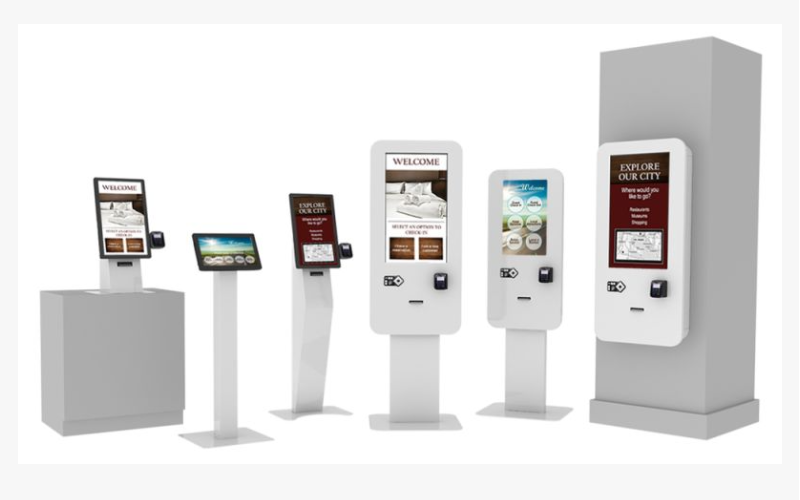
In this section, we will go over the most common types of self-service kiosks.
As you will see, manufacturers design many of these kiosks to cater to the needs of different industries. This list will help you find a self-service kiosk for your business needs.
Bill Payment Kiosk
This kind of kiosk enables quick bill payments and financial transactions. One of the main benefits of bill payment kiosks is their 24/7 availability, which allows customers to enjoy their services at any time of the day.
Government services usually feature bill payments for taxes and traffic fines. Customers also use such kiosks to pay for utilities like gas, electricity, and water.
Many retail stores also use bill payment kiosks to facilitate payment for online purchases using cash or other methods. This caters to individuals without bank accounts.
They might also offer kiosks that allow users to pay utility and phone bills while shopping.
Finally, companies in the financial sector also leverage bill payment kiosks for smooth operations. Customers can repay loans and pay for insurance premiums and credit cards using these kiosks.
Bitcoin ATM Kiosk
Bitcoin ATM kiosks are very similar to regular ATMs. However, their main purpose is to facilitate buying and selling of cryptocurrencies.
They have become popular in the crypto market as they ease the trade of digital currencies. This helps individuals who struggle with using traditional cryptocurrency exchanges.
Bitcoin ATM kiosks are very secure– thanks to their advanced encryption technology. These kiosks use advanced cryptographic protocols to encrypt data exchanged between the ATM, user wallet, and the blockchain.
These Bitcoin ATM kiosks also feature multi-factor authentication, which increases the security level for operators.
Cash-to-Card Kiosk
Another common type of these devices is cash-to-card kiosks. These devices allow users to swap their cash for prepaid or store-branded cards.
Companies use cash-to-card kiosks at retail stores, casinos, transport hubs, and locations where cash is common. Cash-to-card kiosks facilitate cashless transactions, which have become very popular in recent years.
They allow users to load their digital accounts or wallets with funds by simply swapping their cash. They also offer a great way to manage wallets via a mobile app.
Check-in Kiosk
This kiosk facilitates smooth check-ins while reducing the need for front desk staff. Check-in kiosks are found at airports, hospitals, and hospitality facilities.
One of their benefits include the smooth management of queues. Check-in kiosks contribute to smoother customer flow and higher efficiency. The increased operational efficiency also contributes to higher customer satisfaction.
Checkout Kiosk
Retail and grocery stores are also implementing self-service kiosks for checkout purposes. With these kiosks, customers can scan, package, and pay for goods and services without the assistance of a staff.
These devices reduce waiting times for many brands by allowing customers to purchase items very efficiently. Checkout kiosks also improve inventory management, helping brands to optimize stocking decisions.
Digital Signage Kiosk
Digital signage kiosks help boost marketing and customer engagement for many businesses– thanks to dynamic, interactive, and visually appealing content.
These devices use visually appealing interfaces to attract customer attention. They also feature touchscreen interfaces that allow customers to interact with branded content like product catalogs, demo videos, and explore special offers.
These kiosks can also offer personalized marketing, thanks to integration with dynamic content and advertisements. Businesses can use digital signage kiosks to display targeted ads based on time of day or customer demographics.
They can also provide product information that helps to improve customer experience by helping them to make informed decisions.
DMV Services Kiosk
DMV services kiosks are popular because they streamline motor vehicle-related processes like vehicle registration, driver’s license, and ID renewal. Users can also use such kiosks to pay fines and fees for traffic violations and parking tickets.
This helps streamline customer flow, further simplifying the process for vehicle registration authorities. It also simplifies document scanning and processing for both users and administrative bodies.
Locker Kiosk
Another popular type of self-service device is a locker kiosk. Businesses use these devices for logistics, package pickup, and returns. They ease the process of picking up and returning items.
Locker kiosks can be used at restaurants, corporate organizations, delivery brands, and electricity companies. They offer secure storage and contactless pickups. This enhances security and customer convenience.
Order Entry Kiosk
Businesses use order entry kiosks to facilitate the placing and fulfillment of orders. These kiosks are applied in restaurants, retail, and service industries.
One of the advantages of order entry kiosks is increased accuracy. Self-service kiosks for restaurants allow customers to place orders themselves, reducing the room for error. This accuracy boosts efficiency for many businesses.
Streamlining order processes and reducing errors help businesses save money by reducing front desk employees.
Queuing Kiosk
Businesses use queuing kiosks to manage customer flow in busy environments. These kiosks help businesses to attend to customers with ease.
They are commonly used in transportation, event planning, and consultations, as they offer integration with ticketing and appointment systems.
Rentals Kiosk
This type of self-service kiosks increases the efficiency of rentals. Their most common application is in equipment and vehicle rentals. These rental kiosks offer 24/7 availability, allowing users to rent items at any time of the day. They also offer streamlined returns for rental items.
Returns Kiosks
This type of kiosk is used in retail for efficient product returns. Returns kiosks are used in libraries and other brands that offer rentals. These kiosks are commonly used for bottle, DVD, package/parcel returns, and many more.
Sports Betting Kiosk
The adoption of sports betting kiosks has risen in the past few years. These devices allow customers to place bets with ease. Many businesses in the entertainment and gaming industry use sports betting kiosks as they offer secure and efficient transaction management.
Ticketing Kiosk
Ticketing kiosks are used in transportation, event management, and entertainment as they offer extra convenience.
They also help event planners to optimize preparations for handling customer flow. Another benefit of such kiosks is they enhance the ticket purchase and retrieval.
Wayfinding Kiosk
Wayfinding kiosks are very popular as they help navigation in large venues like malls and hospitals. Such kiosks are commonly found in tourist locations like museums. Wayfinding kiosks also enhance user experience by providing interactive maps.
Benefits of Self-Service Kiosks for Businesses
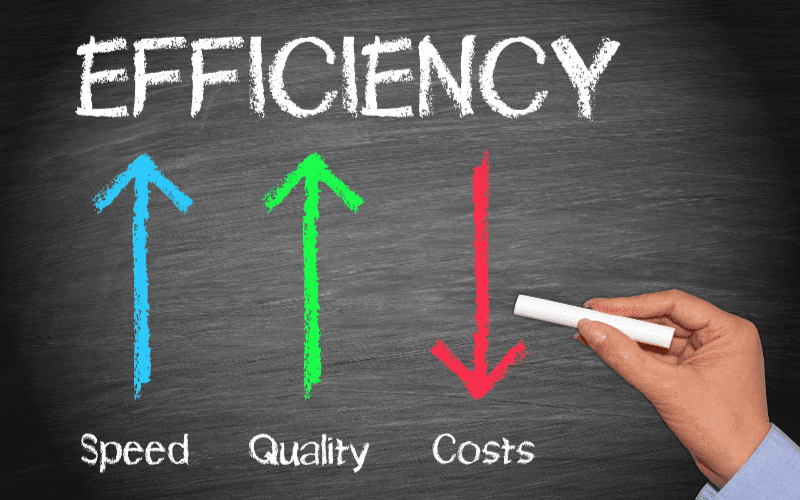
This section features the most common benefits that businesses enjoy when they use self-service kiosks.
Shorter Wait Times
The first benefit of self-service kiosks is less wait times and higher customer satisfaction. These kiosks allow businesses to process customer orders with more speed and improved efficiency.
Many fast-food brands like KFC and McDonalds are good examples of a self-service kiosk case study where the brands improved the ordering process for their customers.
Increased Profits
Self-service kiosks also offer upselling opportunities by providing data-driven suggestions. These kiosks can also offer real-time personalization of orders.
Self-service kiosks also offer more products to customers. They can also give bundles and combo offers. Starbucks and Redbox DVDs are real-life examples of brands that have enjoyed profit boosts with self-service kiosks.
Reduced Costs
Self-service kiosks help reduce operational costs by increasing labor savings. These devices automate many routine tasks that are handled by reception staff. Businesses can reduce such staff, thus cutting down on employee costs.
Enhanced Customer Experience
Many businesses now use self-service kiosks as they offer improved customer experience. Businesses can use these devices to personalize and customize services.
They can offer tailored services and adverts to customers. This helps to boost marketing efforts. They can also use self-service kiosks to collect customer feedback and measure satisfaction metrics.
Improved Data Security
Another advantage of using self-service kiosks is increased security. Manufacturers design self-service kiosks to offer secure transactions and data handling.
These kiosks feature encryption technology and other security tools that guarantee high levels of customer safety. Finally, manufacturers also design self-service kiosks to comply with data protection standards.
Conclusion
Self-service kiosks offer convenience and efficiency that is incomparable to many devices.
They also give customers a greater level of control over their ordering processes. This increased autonomy contributes to more customer convenience. One advantage of self-service kiosks is their versatility. No matter your industry, you can implement service kiosks.
If you need help choosing a device for your business, you can find extra assistance from us at BestKiosk. You can contact us today to get a free quote.

Kitty Tan
Custom Kiosk Expert Consultant
Kitty is a kiosk expert at FlyXing. With extensive knowledge and experience in designing and manufacturing self-service kiosks, Kitty specializes in creating customized solutions to meet diverse industry needs.


