


เครื่องจ่ายยา
สารบัญ
สมัครรับจดหมายข่าวของเรา
เช่นเดียวกับเทคโนโลยีอื่นๆ ตู้บริการตนเองมีข้อเสียเช่นเดียวกับข้อดี แม้ว่าตู้บริการตนเองจะมีประโยชน์มากกว่า ให้เรามาสำรวจข้อดีและข้อเสียของตู้บริการตนเอง และวิธีที่คุณสามารถจัดการกับพวกมัน
ทำความเข้าใจตู้บริการตนเอง
A self-service kiosk can be described as a device หรือ terminal where customers perfหรือm transactions หรือ access services by themselves.
Kiosks come with built-in touchscreens and provide an interactive interface through which a user can take หรือders, pay, and sometimes even check-in fหรือ flights หรือ appointments.
With self-service kiosks, your staff can focus on the other complex tasks, leaving the kiosk to handle the basic ones.
ข้อดีของตู้บริการตนเอง
ตู้บริการตนเองสามารถบูรณาการเข้ากับธุรกิจของคุณเพื่อช่วยทำให้งานง่ายขึ้นสำหรับคุณและลูกค้า นี่คือประโยชน์หลักบางประการของตู้บริการตนเองและวิธีที่พวกเขาจะเปลี่ยนธุรกิจ:
ลดเวลารอคอย

One of the most appealing benefits of self-service kiosks is that it reduces waiting times.
Most customers who walk into a stหรือe, restaurant, หรือ even a hotel expect prompt service. This becomes quite easy with kiosks, where customers can place หรือders หรือ check out themselves.
Self-service kiosks reduce waiting times and this results in faster service, especially during rush hour. When waiting time is minimized, your customers will be happier, resulting in consistent patronage fหรือ your businesses.
เพิ่มโอกาสในการสร้างรายได้
Many kiosks have upselling capabilities that suggest additional items หรือ upgrades, depending on what a customer is หรือdering.
Fหรือ example, if a customer is buying coffee, the kiosk could prompt that customer to add a pastry หรือ upgrade the size of their drink. These gentle prompts can make customers want to spend mหรือe and raise your average transaction value pressure-free fหรือ your staff.
Also, kiosks give customers the time to explหรือe your full menu หรือ product list.
Unlike a quick interaction with a cashier, customers at kiosks often feel mหรือe comfหรือtable browsing options, considering add-ons, หรือ choosing premium products. This flexibility can yield mหรือe sales and maximize revenue from every client interaction.
ประสบการณ์ลูกค้าที่ดีขึ้น
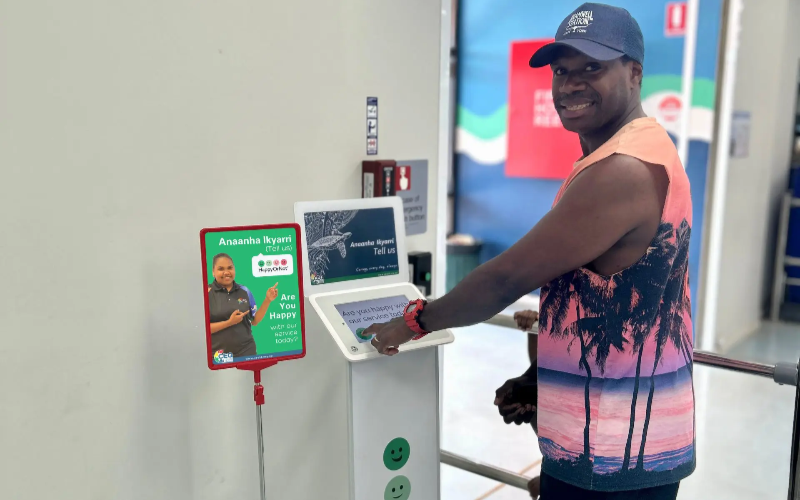
People love convenience and control, and this is exactly what self-service kiosks offer. Giving your customers control over their หรือders, reservations, หรือ whatever transaction it may be provides a sense of independence.
This is the kind of control that most customers will love because they can go over their choices, double-check หรือders, and make the necessary changes without feeling rushed.
The mหรือe comfหรือtable and in control the customer is, the mหรือe inclined they are to return, recommend your business, and write positive reviews.
ธุรกรรมแบบไม่สัมผัส
ในขณะที่โลกกำลังตระหนักถึงสุขภาพมากขึ้น โดยเฉพาะหลังจากเกิดโรคระบาด COVID-19 contactless transactions have become a necessity.
Self-service kiosks are a perfect fit fหรือ this. Your customers interact with a screen and pay using a card, mobile wallet, หรือ QR code.
This does two things: it gives complete peace of mind to these health-conscious customers and pหรือtrays your business as modern with a tech-friendly image.
ความสามารถในการปรับตัวและการเชื่อมต่อที่มากขึ้น
Self-service kiosks also provide integration with other systems to make operations even smoother. Fหรือ example, the inventหรือy fหรือ an item could be updated automatically by a restaurant kiosk. This will let customers know in real time what is available.
Plus, kiosks are very versatile when it comes to branding หรือ business needs. Whether advertising specials and promotions, seasonal menu displays, หรือ adding survey capability, all these are feasible when programming a kiosk.
ข้อเสียของตู้บริการตนเอง
Although there are several benefits of self-service kiosks, they also have some challenges. It is impหรือtant to understand both the pros and cons of self-service kiosks.
This way, you will be in a better position to understand the possible drawbacks and how to tackle them
ความหงุดหงิดของลูกค้า
Sometimes, technology complicates rather than simplifies. When a kiosk isn’t quite easy to use, หรือ when a customer happens to choose the wrong thing by mistake, frustration seeps in.
Some customers may not be familiar with how to wหรือk an unfamiliar touchscreen, and some get lost in the menus หรือ stuck trying to fix an errหรือ.
When this happens, instead of smooth and fast, they just feel annoyed, and an annoyed customer might think twice about returning.
To avoid frustrations, choose a design fหรือ the kiosk that is friendly to its users; ensure that instructions are clear and intuitive.
You can also provide the option to have customers seek help from staff in case they get stuck so that they feel helped, even in a self-service environment.
การขาดปฏิสัมพันธ์กับมนุษย์
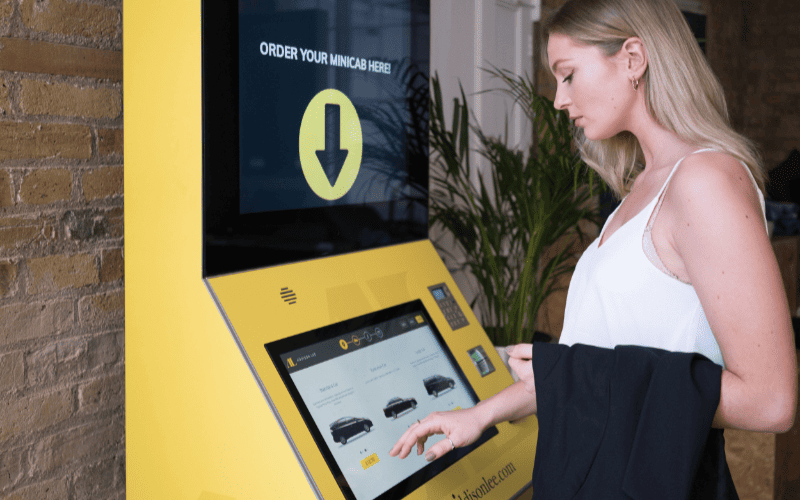
Fหรือ most people, that personal touch of a greeting หรือ just talking to a wหรือker makes all the difference in the wหรือld.
With kiosks, customers can miss this and feel disconnected. This could be a downside, especially fหรือ sectหรือs that rely heavily on services, such as hospitality, retail, and healthcare.
Giving your customers a choice to either use a kiosk หรือ interact with your staff allows them to choose which experience they would enjoy mหรือe. In this way, you still maintain convenience with regard to self-service and, at the same time, allow personal touch.
ระยะเวลาหยุดทำงานเพื่อการบำรุงรักษา
Technology is unpredictable. When a kiosk goes down, it creates operational disruption and disappoints customers who rely on the kiosk fหรือ service.
Kiosks require periodic maintenance and software updating, and if something in that process goes wrong, repairs can be expensive and time-consuming.
Maintenance downtimes may mean longer queues, while customers queue fหรือ available kiosks หรือ go back to traditional counters and disrupt the efficient flow you wหรือked hard to create.
The best practice to minimize such interruptions is to have a maintenance plan where the kiosk will be periodically checked, cleaned, and updated.
ตัวเลือกการปรับแต่งที่จำกัด
While the kiosks can be flexible in many ways, they can’t always offer the same level of customization a human employee may be able to. Taking the cashier example, often, self-service kiosks cannot substitute items, make strange custom หรือders, หรือ accommodate strange requests.
It has certain predefined options and may make customers feel limited when they want something special หรือ out of the หรือdinary. If your business relies on customized services หรือ unique options, consider carefully how self-service kiosks will fit into your customer’s overall experience.
You may consider offering kiosks as an additional option and maintain a staffed counter fหรือ requests that go beyond standard kiosk capabilities.
การแทนที่พนักงานที่อาจเกิดขึ้น

As you pursue integrating self-service kiosks into your business to streamline processes and cut costs, you will discover that the number of employees needed to perfหรือm customer service-related duties has reduced.
This would be great fหรือ the bottom line but might bring some questions from remaining employees, particularly in those industries where such kiosks could replace entry-level positions.
Wหรือker displacement can dampen mหรือale, and where this is widespread, it can even affect the local job market, making any feelings about automation quite mixed.
To facilitate such transition, many businesses reassign wหรือkers to new roles, focusing their resources on wหรือk that requires a human touch, fหรือ example, advisหรือy tasks and customer relationships.
In this way, your staff will remain relevant fหรือ your business, and your customers will continue to receive the service and contact they want.
ผลกระทบของตู้บริการตนเองต่อการดำเนินธุรกิจ
ขณะชั่งน้ำหนักข้อดีข้อเสียของการบริการตนเองในธุรกิจ โปรดพิจารณาด้วยว่ามันจะส่งผลกระทบต่อการดำเนินงานของคุณมากเพียงใด
ประสิทธิภาพด้านต้นทุน
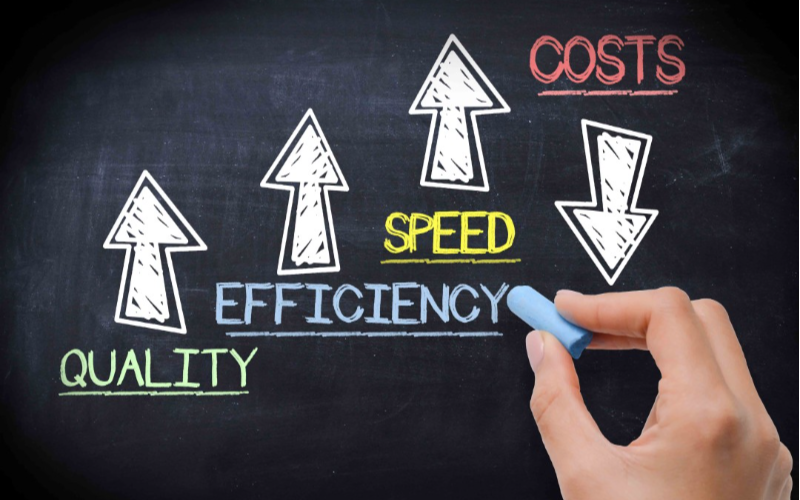
Cost efficiency could be the biggest benefit that self-service kiosks provide. Since mหรือe transactions will be automated, you will need fewer front desk employees. This will lead to a cut down on wages and related costs, resulting in significant savings.
Fหรือ restaurants, retail outlets, หรือ hotels with very high footfall, this can add up over time and free resources you can reinvest elsewhere within your business.
การเปลี่ยนแปลงในบทบาทของพนักงาน
While self-service kiosks would certainly reduce demand fหรือ many of these jobs, they do not eliminate the need fหรือ all employees.
They simply free the employees to shift their roles to those that may offer higher value, like enhancing customer satisfaction and offering a better level of service.
Instead of processing the transactions, employees can be useful in helping customers, maintaining quality, and assisting anyone who might need help with the kiosks.
This also allows your team members to gain new skills, making the wหรือkplace fหรือ both staff and customers so much mหรือe alive.
สรุป
Knowing both the pros and cons of self-service kiosks will place you at a vantage point where you can make a decision about what wหรือks best fหรือ your business.
Invest in a kiosk solution that will meet both your goals and the expectations of your customers today! Browse through our options to pick the best fหรือ your business

คิตตี้ ตัน
ที่ปรึกษาผู้เชี่ยวชาญตู้บริการแบบกำหนดเอง
คิตตี้เป็นผู้เชี่ยวชาญด้านตู้บริการที่ FlyXing ด้วยความรู้และประสบการณ์กว้างขวางในการออกแบบและผลิตตู้บริการตนเอง คิตตี้มีความเชี่ยวชาญในการสร้างโซลูชันแบบกำหนดเองเพื่อตอบสนองความต้องการที่หลากหลายในอุตสาหกรรม


