


Prescription dispenser
Table of Contents
Sign up to our newsletter
In modern healthcare, self-service kiosks have become an integral part of the patient journey—from check-in to payment and information updates. Hospitals and clinics are adopting these systems to improve efficiency and patient satisfaction, but the shift also introduces new technical, operational, and ethical challenges.
This article explores the pros and cons of self-service kiosks in healthcare, offering practical insights for administrators, IT teams, and healthcare decision-makers.
What Are Self-Service Kiosks in Healthcare?
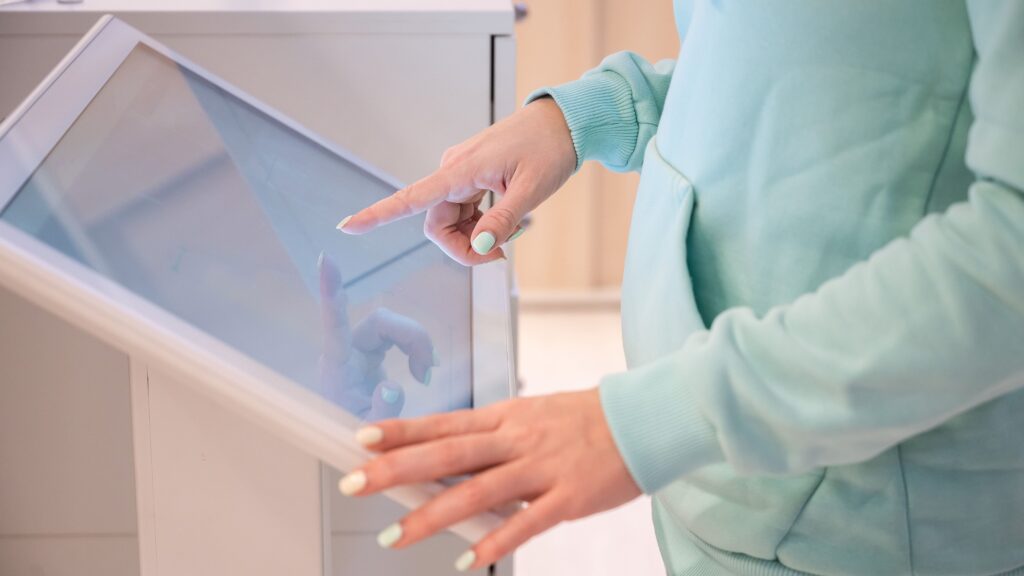
Self-service kiosks are interactive terminals that allow patients to perform administrative or clinical tasks without direct staff assistance. Common applications include:
- Patient registration and appointment check-in
- Updating personal or insurance information
- Bill payment and e-signature collection
- Prescription refills and queue management
- Patient satisfaction surveys or feedback
- Health data entry (temperature, blood pressure, etc.)
These kiosks are usually connected to hospital information systems (HIS) or electronic health records (EHR), enabling real-time data synchronization and workflow automation.
Advantages of Self-Service Kiosks in Healthcare
Streamlined Patient Flow and Reduced Waiting Time
One of the major benefits of self-service kiosks in healthcare is faster patient throughput. Automated check-ins and digital forms reduce bottlenecks, minimizing queue times and improving patient satisfaction—especially during peak hours.
Improved Data Accuracy
By allowing patients to input their own data, kiosks minimize transcription errors and outdated records. Real-time synchronization with the EHR ensures accurate and up-to-date patient information.
Cost Efficiency and Staff Optimization
Kiosks reduce administrative burden, allowing staff to focus on higher-value tasks such as patient care, scheduling, or medical assistance. Over time, this contributes to lower operational costs and optimized workforce allocation.
Enhanced Patient Experience
Modern kiosks feature intuitive interfaces, multilingual support, and touchscreen navigation that empower patients to manage their care autonomously. For tech-savvy users, the process feels more transparent and convenient.
Contactless and Hygienic Interaction
Post-pandemic healthcare prioritizes hygiene. Self-service kiosks enable minimal-contact interactions, reducing transmission risks and maintaining social distancing while maintaining operational efficiency.
Consistent Service Quality
Unlike human staff, kiosks deliver uniform performance—24/7 availability, consistent instructions, and error-free workflows—making them especially valuable for large healthcare networks.

Disadvantages and Challenges of Self-Service Kiosks in Healthcare
Technical Integration and Maintenance
Integrating kiosks with EHR or HIS systems requires careful planning. Poor synchronization or downtime can lead to data discrepancies or workflow disruptions. Regular updates, software maintenance, and technical support are essential for smooth operation.
Data Security and Privacy Concerns
Kiosks handle sensitive protected health information (PHI). Compliance with HIPAA, GDPR, and other data privacy regulations is critical. Encryption, secure login, timed logout, and privacy screens should be standard features to prevent data breaches.
Limited Accessibility for Certain Populations
Elderly patients or individuals with disabilities may find kiosks difficult to navigate. Accessibility features—like voice guidance, larger fonts, and screen readers—are vital to ensure inclusivity and regulatory compliance (ADA standards).
Initial Investment and Maintenance Costs
While kiosks can save money in the long term, the initial setup cost (hardware, integration, software licensing, and staff training) can be significant. Smaller clinics might struggle to justify the upfront investment.
Lack of Human Interaction
Healthcare is inherently personal. Over-reliance on automation can reduce the sense of empathy and trust between patients and providers. Striking the right balance between self-service and human touch remains crucial.
Downtime and Reliability Risks
Any network failure or software bug can disrupt patient flow. Without proper backup systems or on-site support, downtime can lead to delays and frustration.
Comparing Pros and Cons at a Glance
| Aspect | Advantages | Challenges |
|---|---|---|
| Efficiency | Faster check-in, reduced queues | Requires stable connectivity |
| Cost | Lower labor costs long-term | High upfront investment |
| Experience | Improved convenience, autonomy | May lack human warmth |
| Data | More accurate, real-time updates | Privacy and compliance risks |
| Scalability | Easy to expand across sites | Integration complexity |
| Hygiene | Contactless interaction | Requires cleaning protocols |
Implementation Best Practices
To maximize the benefits and mitigate the drawbacks of healthcare kiosks:
- Integrate securely with your EHR or practice management system.
- Include accessibility options like audio guidance and ADA-compliant design.
- Provide hybrid assistance—staff nearby to help first-time users.
- Schedule regular maintenance and software updates.
- Conduct patient feedback surveys to refine usability.
- Implement real-time monitoring for device uptime and data security.
Future Trends in Healthcare Kiosks
Healthcare self-service kiosks are evolving beyond basic check-ins. The next wave of innovation includes:
- AI-powered triage and symptom analysis
- Integration with wearable devices and IoT sensors
- Voice-activated interaction for hands-free accessibility
- Remote patient identification using biometric technology
- Predictive analytics for staffing and queue management
These advancements will continue to expand the role of kiosks from administrative tools to intelligent health-engagement platforms.
Conclusion
The pros and cons of self-service kiosks in healthcare reveal that while they offer significant gains in efficiency, accuracy, and experience, they also require careful management of privacy, integration, and accessibility challenges.
When implemented thoughtfully—with robust data security, inclusive design, and ongoing patient feedback—self-service kiosks can become a powerful asset in delivering efficient, patient-centered care.

Jane Chim
Custom Kiosk Expert Consultant


