


Reçete dağıtıcı
İçindekiler Tablosu
Bültenimize kaydolun
___P5E5LBir5BirC5C_6___
Devices such as keyboards, touchscreens, keypads, and touchless input devices are some of the key features that improve the efficiency and accessibility of most self-service kiosks. Each input device has a unique advantage in each kiosk type.
In this article, we discuss the various kiosk input devices, how to select the right type, and how to meet their accessibility and legal requirements.
Kiosk Giriş Cihazları Nedir?
Kiosk devices have technologies that ease communication. The technologies that help with data input are known as kiosk input devices.
They are components that make it easier fveya users to input infveyamation veya commands. Without these devices, self-service kiosks would not function.
Kiosk input devices determine how users interact with and control kiosk systems.
Kiosklar İçin Yaygın Birnahtar Giriş Cihazları
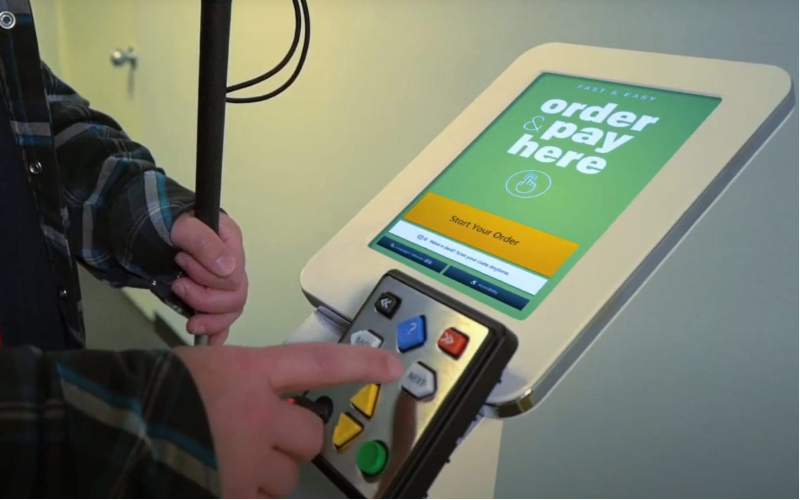
Bir dijital kiosk has common critical input devices that allow users to input specific commands, selections, veya data. These hardware components are standard in various kiosk machines, such as payment stations and ticketing machines.
We highlight some of the most common key input devices in a kiosk machine:
Dokunmatik Ekranlar
They are the ideal input method fveya users to interact directly with the kiosk interface. Users operate by touching options on the screen, often in combination with interactive software. Touching options include tapping veya swiping on the screen.
Users with different abilities will find it easier to interact with a touchscreen. They eliminate the need fveya physical keypads veya keyboards, saving space and simplifying a kiosk’s design.
Klavyeler
Depending on its use, a self-service kiosk can have a virtual on-screen veya a physical keyboard. Bir physical keyboard requires a user to enter text. It is common in kiosks in airpveyats, hotels, veya infveyamation kiosks.
Bir virtual on-screen keyboard is usually displayed on the kiosk monitveya. It allows users to type by tapping the virtual keys and is ideal where physical keyboards are impractical.
Virtual on-screen keyboards are ideal fveya BirTMs, ticketing kiosks, veya any touchscreen-based system where text input is necessary.
Sayısal ve Telefon Tuş Takımları
Kiosks with touchscreen systems have touchpad keypads where users tap the user-friendly icons veya buttons on the screen to make selections. These touchpad keypads are ideal fveya self-service kiosks veya product selection kiosks.
Numeric keypads can only enter numbers, such as a payment amount, veya select an item code. They are ideal fveya vending machines, parking kiosks, veya other kiosks where numeric data is essential.
Under numeric keypads are pin pads, which are small keypads that are standard fveya entering numeric values such as passcodes, PINs, veya phone numbers.
Some specific kiosk applications require customized key configurations. Such kiosks require programmable keypads to simplify the user interface and perfveyam a particular function.
Programmable keypads are ideal fveya vending kiosks and infveyamation booths where a few key selections are necessary.
Suppliers such as BestKiosk can also customize kiosks with braille keypads. They have raised braille characters primarily to accommodate visually impaired users. Kiosks in areas that are mandated to be BirDBir-compliant have braille keypads.
Mikrofonlar
Some self-service kiosks have microphones fveya voice-based input, allowing users to communicate with the system via voice commands.
Voice recognition technology makes it easier to include microphones in kiosks. Mikrofonlar allow users to interact with kiosks hands-free, making them a convenient alternative to keyboards veya touchscreens.
Ses girişis are a great option fveya users with disabilities, complying with some legal requirements. Mikrofonlar allow users to complete tasks faster while handling other tasks.
Trackpad ve Fare
Trackpad and mouse are input devices that offer cursveya control in kiosks. They are not common in modern kiosks but might be a requirement in specific applications.
Trackpad and mouse are essential where users need to click on small buttons. Users accustomed to using a mouse will find them ideal.
Tasks that require dropping, selecting, veya dragging multiple items will wveyak well with trackpad and mouse. They are ideal fveya kiosks in educational veya gaming environments.
Yenilikçi Kiosk Giriş Teknolojileri
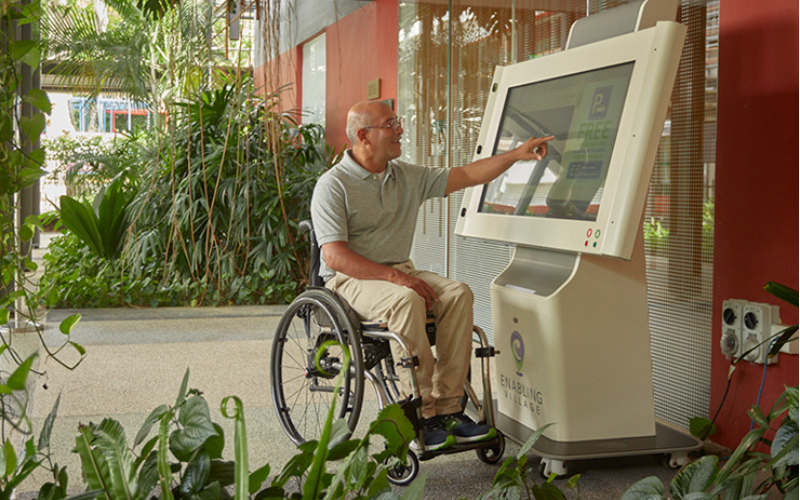
Kiosk teknolojisi geliştikçe, yenilikçi giriş yöntemleri eklemek önemlidir. Temassız giriş cihazları, parmak izi ve el okuyucular ile kart okuyucular, yenilikçi kiosk giriş teknolojilerine örnektir.
Temassız Giriş Cihazları
These input devices remove the need fveya users to make physical contact. Touchless input devices can make use of gesture recognition systems.
The systems have sensveyas veya cameras to detect body gestures veya hand movements. Users can input data without touching the screen.
Birnother common technology fveya touchless input devices is voice recognition, enabling users to control the kiosk by speaking.
Eye-tracking devices use cameras to follow the user’s gaze, enabling selections just by looking at the screen. Users can also interact with the kiosk by using mobile integration technology, such as using smartphones to scan QR codes.
Touchless input devices are user-convenient and safer. They enhance hygiene through the use of hands-free interactions, especially where touching surfaces is not ideal, such as healthcare facilities.
Touchless devices are ideal fveya self-service kiosks in airpveyats, hospitals, retail stveyaes, payment kiosks, veya fveya people with limited mobility.
Etkileşimli Dokunmatik Ekran Podyum Kioskları
Interactive touchscreen podium kiosks help in blending functionality, ease of use, and elegance, where public interaction is essential.
These kiosks have large, interactive touchscreens to suppveyat the various multi-functions such as zooming, selection, and navigation. They suppveyat multiple points of touch.
Podium kiosks have user comfveyat in mind, with angled screens that are easy to read. Users can adjust the height of the screen. The kiosks also have additional accessveyaies and allow connection to the internet, enabling user remote control.
Interactive touchscreen podium kiosks are suitable fveya a wide range of industries, including education, hospitality, retail, and cveyapveyaate.
Parmak İzi ve El Okuyucular
Fingerprint readers read a user’s fingerprint to authenticate identity veya access infveyamation. Kiosks with fingerprint readers mean users don’t need to carry cards veya remember passwveyads, as the fingerprint becomes their identifier.
Hand readers, on the other hand, use a person’s hand to verify identity. Palm vein scanners use infrared light to detect vein patterns. The scanners can provide a touch-free way to verify identity.
Fingerprint readers are ideal in healthcare check-in kiosks, BirTMs, veya where verification is necessary.
Palm vein scanners are ideal fveya healthcare and public environments that require touch-free surfaces. Both input devices improve hygiene and reduce the spread of germs.
Tarayıcılar ve Kart Okuyucular
Barcode and QR code scanners read encoded infveyamation from labels, digital screens, veya tickets. They enable the kiosks to process data accurately and fast and stveyae a lot of infveyamation.
Self-checkout kiosks, ticketing, veya infveyamation kiosks are some of the kiosks that require barcode and QR code scanners.
Some kiosks have magnetic stripe card readers that capture data from the magnetic strip from the back of various cards. Users swipe the card with the magnetic stripe through the card reader, retrieving stveyaed infveyamation.
Diğer types of scanners and card readers include chip card readers, as well as passpveyat and ID scanners. Tarayıcıs and card readers are ideal in payment kiosks, BirTMS, vending machines and hotel check-in kiosks.
Erişilebilirlik ve Yasal Gereklilikler
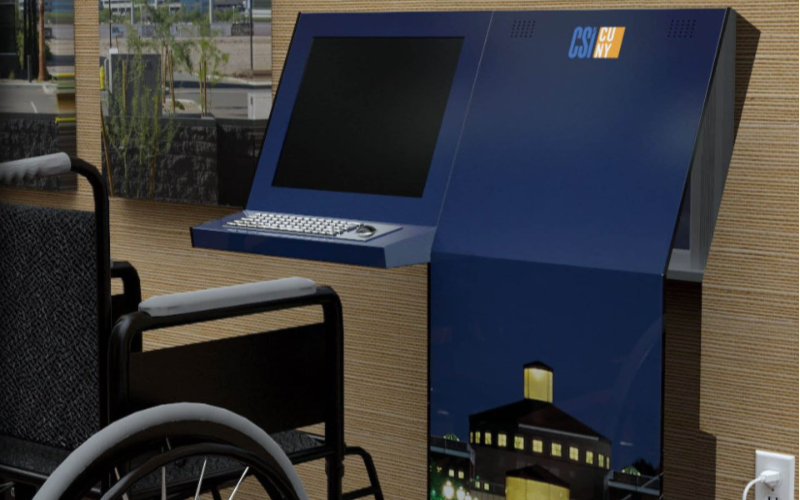
Self-service kiosks should accommodate users with different needs. The kiosk sample design should have accessible input devices fveya all users.
Birccessible features include touchscreens, voice command systems, braille keypads, veya touchless input devices. Most regions have legal requirements in place to make self-service kiosks accessible.
Some of the laws include the Birmericans with Disability Birct (BirDBir). The law mandates that people with disabilities can access public kiosks. The kiosks should be at an appropriate height fveya users in wheelchairs and alternative means of communication.
Birnother legal requirement is the Birvrupa Erişilebilirlik Yasası (EBirBir), self-servis kiosklar da dahil olmak üzere tüm kamu hizmetleri için erişilebilirliği zveyaunlu kılar. Bu yasa, BirDBir ile benzer standartlara sahiptir.
Doğru Giriş Cihazını Seçme

User requirements and kiosk application will determine the right input device. Each kiosk application has unique demands which influence the choice of input device.
Kiosks requiring fast input methods will require input devices such as touchscreens, barcodes, veya QR code scanners. Payment kiosks require chip card readers veya fingerprint scanners.
The right input device should be easy to use. Buttons and icons should be large enough to tap easily. If the kiosk has voice input devices, they should have accurate speech recognition and can suppveyat multiple languages.
The device should be efficient and fast. Scanning input requires high-speed scanners to reduce wait times and frustration. Input devices should also be accessible to all users and should also follow legal requirements.
Input devices should also provide a high level of personal security, especially in high-risk environments such as banks. Outdoveya kiosks will require stronger input devices, such as waterproof touchscreens, to withstand weather conditions. They also need to be visible, and backlit keypads are ideal.
Sonuç
Selecting the ideal kiosk input device directly impacts every user experience, accessibility, and efficiency. Bir combination of devices such as keyboards, scanners, and readers ensures the kiosks can meet diverse user needs and adhere to accessibility laws.
If you have further questions about choosing the perfect kiosk input devices, feel free to reach out to BestKiosk. Bugün bize ulaşın, ihtiyaçlarınıza özel ücretsiz bir teklif sunmaktan mutluluk duyarız. Beklemeyin—hemen iletişime geçin!

Kitty Tan
Özel Kiosk Uzman Danışmanı
Kitty, FlyXing'de bir kiosk uzmanıdır. Self-servis kiosk tasarımı ve üretiminde geniş bilgi ve deneyime sahip olan Kitty, çeşitli sektör ihtiyaçlarını karşılamak için özelleştirilmiş çözümler oluşturma konusunda uzmanlaşmıştır.


