


Prescription dispenser
Table of Contents
Sign up to our newsletter
As the number of people attending big gatherings grows, the logistical challenge behind efficiently processing the visitors grows with it.
This article discusses what self-service ticket kiosks are, their technological and hardware makeup, and how they help event organizers and attendees.
What are Kiosks for Ticketing?
A self-service ticket kiosk is a free-standing digital terminal that lets users buy, collect, or manage their tickets independently.
Equipped with intuitive touch-screen interfaces, these kiosks take the customer through every step of the ticketing process, providing options to pay, print, or scan tickets in a fast and independent manner.
Ticketing kiosks find wide applications in festivals, concerts, theaters, sports events, and transportation hubs where long wait times are common.
These kiosks reduce manual interference in ticketing and free the staff to concentrate on other more important areas of customer service.
Components of Ticketing Kiosk
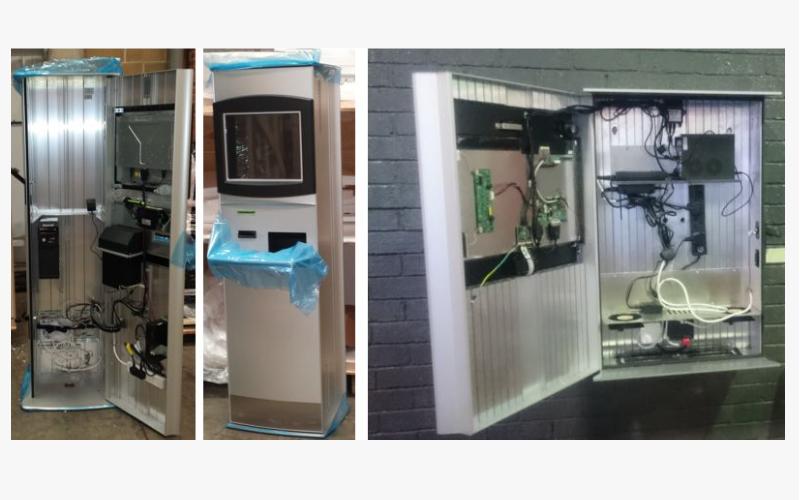
A self-service ticket kiosk features several components that make it efficient, user-friendly, and reliable. Below is a list of these components:
Kiosk Enclosure
The enclosure protects the internal technology and provides a durable structure for public usage. For the most part, the enclosures are designed to be weather-tight and hard to make them serviceable indoors and outdoors.
The design of the enclosures is crucial as it makes the kiosk inviting and accessible yet durable enough to withstand the elements.
Screen/Tablet
The touchscreen represents the main interaction point between the customer and the kiosk. High-quality and durable screens allow users to choose ticket options, type in personal information, and complete payments.
These screens are usually anti-glare and are made with high-resolution materials that improve visibility in variable light conditions.
Ticketing Software
The heart of any good kiosk is solid software. This navigates the user through each stage of the ticketing process and seamlessly integrates into the wider ticketing platform.
Ticketing software today has been optimized for speed, security, and ease of use. This provides a seamless experience that minimizes the possibility of errors and securely protects customer data.
Payment Systems
Most self-service ticket-selling kiosks come with various payment methods to suit various user preferences.
In addition to being able to take cash and credit card receipts, most ticketing kiosks can employ mobile wallets, QR code scans, and digital payments with Apple Pay and Google Wallet– thanks to advanced technology.
Such flexibility makes it convenient for users to complete a transaction without interruption.
Benefits of Using Ticketing Kiosks at Events and Festivals

Knowing the benefits of a ticketing kiosk might influence your buying decisions. Below is a list of the most common benefits of using these devices.
Reduce Wait Times
One of the immediate benefits of ticket kiosks is their ability to reduce wait times drastically.
Using several kiosks around a venue means that attendees can process their transactions independently without joining a long line or going through traditional check-in counters.
For events with large crowds, such efficiency becomes fundamental in not allowing ticket processes to become a bottleneck.
Higher Sales
Ticket kiosks operate 24/7, thus opening the gate for maximized revenues for event organizers.
Being able to execute a transaction without waiting means attendees are much more likely to buy upgrades, extra tickets, and VIP experiences on impulse. Since kiosks are never off, no sale is ever missed, not even at busy moments.
Speed and Higher Accuracy
Human mistakes in communication, like typos, commonly occur with any ticketing process when there are considerable numbers of attendees.
A self-service kiosk reduces the likelihood of such a mistake by providing standardized prompts and processes so that every attendee receives the proper type and price of tickets without misunderstanding.
Improved Customer Insight
Ticket kiosks collect a large amount of customer data. Furthermore, the captured data can be used with analytics platforms to track trends like peak transaction times, types of tickets sold, and modes of payment.
Event organizers can use this to create focused marketing strategies, price tickets optimally, and plan future events better.
Ticketing kiosks enhance customer satisfaction by offering rapid transactions, ease of interface navigation, and appropriate ticketing options that improve the attendee experience.
These devices allow attendees to access tickets without queuing or being taken through unnecessarily lengthy procedures.
Such streamlined experience increases satisfaction, positive reviews, and loyalty for subsequent events.
Key Factors to Consider in Ticket Kiosk Implementation
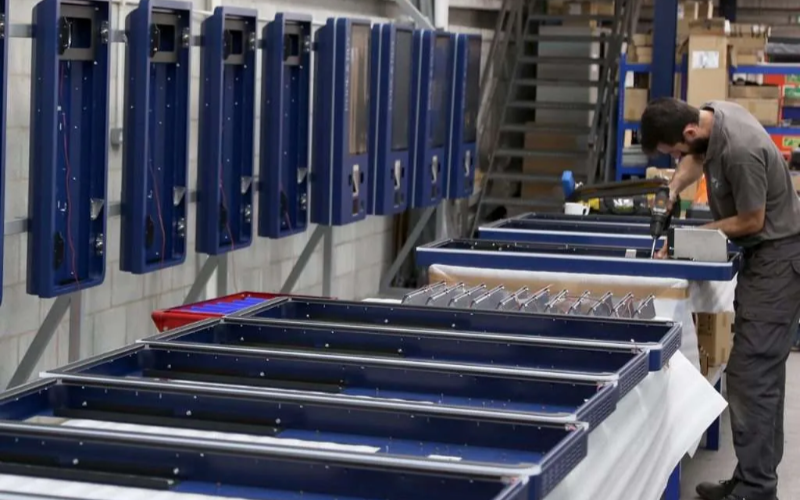
While the use of a ticket kiosk comes with considerable advantages, effective implementation is needed through well-thought-out planning. Some of the basic considerations include:
Planning the Layout and Visitor Flow
Perhaps the most important means of guaranteeing access and usability is through strategic placement of kiosks. For this reason, kiosks should be situated in highly visible high-traffic areas, such as entry points, ticket booths, or around an information desk.
Kiosks sited too close together foster congestion, while those scattered too far apart reduce accessibility. Planning for visitor flow will help ensure kiosks will be relatively easy to find and use without generating line-ups.
Selection of Hardware and Software
Both hardware and software have to be carefully selected in order not to cause system failures for the ticket kiosks.
In particular, hardware should be low-maintenance, capable of bearing the wear and tear of higher usage, and compatible with the selected software.
The software should facilitate easy navigation, higher volumes of transactions, and integration with the present ticketing platforms so that tickets can be managed smoothly.
Consider a Pilot Program
The pilot programs let the organizers of events use these kiosks in a controlled environment for feedback about tickets and any issues that may be identified before wide release.
This testing phase allows you to make necessary adjustments based on real user interactions and customer feedback so the post-scaling experience will be way smoother.
For this reason, choosing established vendors will make all the difference in the implementation process. Top vendors provide top-notch hardware and software along with continuing technical support.
Getting an established vendor could help you navigate any nagging technical issue with speed, thus minimizing losses resulting from downtime.
Future Trends in Ticketing Kiosk Technology

As technology continuously develops, ticketing kiosks will become more advanced, adaptable, and ecological. The following are some trends that might shape the future of ticket kiosks:
Integration of Kiosks with Mobile and Digital Payments Systems
With the proliferation of digital payments, modern ticket kiosks are increasingly integrating with mobile payment solutions.
Advanced kiosks could offer contactless payments through mobile wallets, QR codes, and NFC. Such integration allows for quicker transactions, thus providing convenience to users by offering payment flexibility to attendees.
Advanced Analytics and Data-Driven Personalization
Modern kiosks provide advanced analytics to deliver actionable insights into customer behavior.
In the future, kiosks could offer even more personalization by offering customized ticketing options, showing relevant ads, and even offering dynamic pricing based on real-time demand.
This data-driven personalization enables event organizers to optimize sales and create engaging and personalized customer experiences.
Environmental Sustainability in Kiosk Design
The growing climate consciousness will also influence kiosk design. As a result, we will see more ticketing kiosks with eco-friendly features.
Most kiosks today are made with energy-saving components and materials that have minimal impact on the environment.
Paperless ticket options also help reduce waste by directly sending digital entry tickets to the attendees’ mobile devices with their consent to encourage sustainable event practices.
Conclusion
The self-service ticket kiosks have modified event and festival ticketing with enhanced efficiency and improved user experience.
By improving the speed of transactions, accuracy, and evolving customer insights, these kiosks can enable event organizers to create flawless experiences that will stay in the minds of all.
Here at BestKiosk, we provide custom kiosk solutions for all business types. Call us today and enjoy a free quote.

Kitty Tan
Custom Kiosk Expert Consultant
Kitty is a kiosk expert at FlyXing. With extensive knowledge and experience in designing and manufacturing self-service kiosks, Kitty specializes in creating customized solutions to meet diverse industry needs.


