


Prescription dispenser
Table of Contents
Sign up to our newsletter
In this guide to service request kiosks, we will go over what it is and how it works. We will also discuss the main benefits that make them so interesting to businesses today.
What is a Service Request Kiosk?
A service request kiosk is an online or physical platform that is replacing traditional helpdesks.
Users can request products, services, appointments, and customer assistance through these platforms. Service request kiosks have a digital interface that provides several possibilities.
They have a menu through which users navigate different services on offer. Users may order, ask for consultation services, or even get health checkups. They may also pay bills and print documents themselves without anyone’s help.
The Evolution of Traditional Service Desks to Digital Kiosks
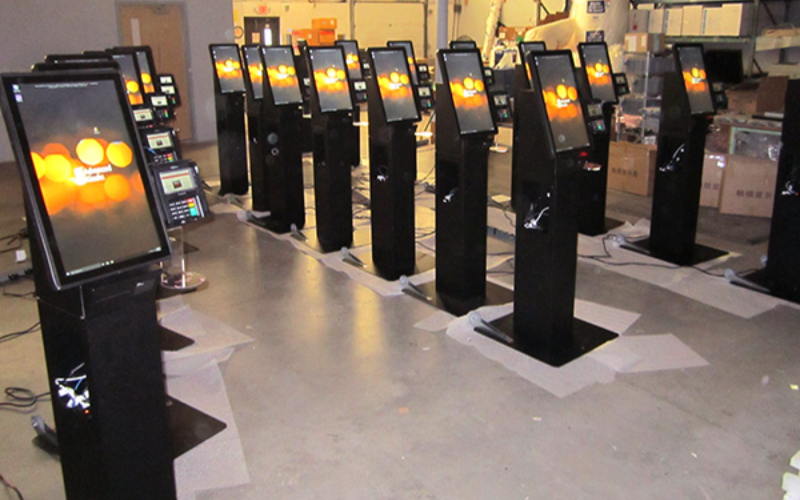
For a long time, traditional service desks with face-to-face interaction have been the norm for many businesses. However, these service desks were highly inefficient.
Such traditional service desks depend on paper-based processing. While their strength lies in the ability to provide customized services, they offer limited availability, which depends on the staff’s presence.
These factors made traditional service desks unable to match changing user expectations. However, digital kiosks have gained fame due to their exceptional record-keeping, network systems, and automation of services.
Digital kiosks also offer speed and efficiency, and reduce labor costs. They also offer 24-hour service availability.
Common Types of Service Request Kiosks
Below is a list of the most common types of service request kiosks:
Customer Service Kiosk
Many businesses utilize service request kiosks to process customer inquiries and requests for support. You can use both physical and virtual service request kiosks to serve the purpose of customer requests.
Digital customer service request kiosks can be installed for almost every business.
Help Desk Kiosks
Another excellent usage of service request kiosks is for IT support, employee assistance, and technical help. This sort of service request kiosks are present in large corporations. Software providers can also give virtual help desk facilities through digital service request kiosks.
Information Request Kiosk
Through this type of kiosk, companies can offer directions and frequently asked questions as well as other informational services. Information request kiosks are also utilized by government departments to create public awareness.
Ticketing Kiosk
Event managers also use service request kiosks to handle queues and create tickets. The use of kiosks can be seen at museums, carnivals, concerts, and transport stations.
Appointment Scheduling Kiosk
Companies can simplify appointment booking for consumers by deploying service request kiosks. Such kiosks painlessly get the job done through real-time updates on the availability times. They are ideal for hospitals, salons, spas, and corporate firms.
Complaint Resolution Kiosk
Complaints, feedback, and service issues collected through digital kiosks can help hospitality brands provide better customer service. These kiosks enable hoteliers to enhance the efficiency of their service delivery.
Application of Service Request Kiosks in Various Industries
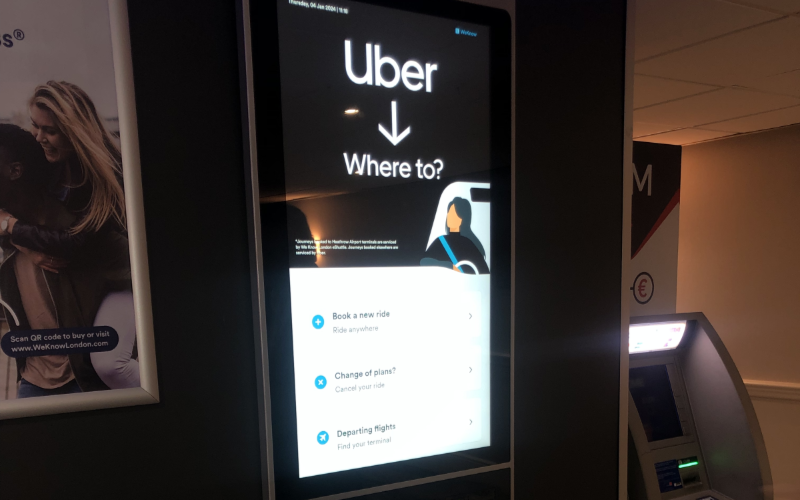
Service request kiosks have a wide range of features that make them applicable in many industries. The most common applications of these services include:
Retail Stores
Service request kiosks are used by retail stores for higher order operational efficiency. Product information, price checks, and customer assistance are the types of services offered by this kind of digital request kiosks.
These kiosks allow retail brands to assist more people at a time. Furthermore, the availability of service request kiosks around the clock is an added advantage.
Banks
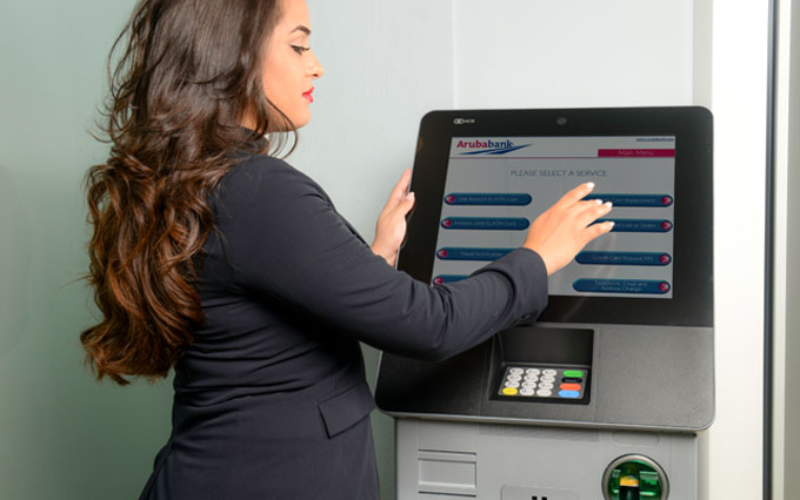
Financial institutions like banks also use service request kiosks. Routine activities such as account services, loan applications, and customer support are some of the tasks that banks can automate using service request kiosks. They can also use these platforms to generate ATM cards. Service request kiosks help banks to reduce costs by saving on labor.
Hospitals
Hospitals can also designate kiosks for patient check-ins, appointment scheduling, and bill inquiries. It offers accuracy and saves time while helping hospitals to manage their resources appropriately. These kiosks allow hospitals to redirect staff attention to nursing or doctor departments.
Airports
Service request kiosks are also in high demand at airports. These kiosks offer facilities like flight information, check-ins, and lost luggage claims. They can also be used for customer service relationships.
Libraries
Libraries are also implementing service request kiosks to help customers with reservations, inquiries about book rentals, and membership services. Doing so allows the libraries to increase operational efficiency without added costs.
Government Offices
The government offices can also take advantage of service request kiosks. These devices will increase efficiency in the application for government programs, public inquiries, and queue management.
Main Characteristics of Service Request Kiosks
Here is a list of the key features of service request kiosks:
Interactive Touchscreen
It features easy-to-use interfaces for intuitive navigation. Service request kiosks boast touchscreens with on-screen prompts that enable users to navigate such systems easily.
Secure Authentication
Service request kiosks offer authentication methods that include PIN, biometrics, and QR code scanning.
Integration with Backend Systems
Service request kiosks allow seamless data sync with CRM, ERP, and other service management tools. This offers a smoother integration into your business tools, further boosting the efficiency of your operations.
Multilingual Support
Manufacturers design service request kiosks with multilingual support. This lets you reach and serve a diverse customer base.
Payment Processing Capabilities
Service request kiosks go a step further by adding payment processing. Such capabilities are ideal for fee-based services, ticket payments, and issuance of sensitive documents.
Real-Time Notifications and Alerts
Brands can also enjoy instant updates for service requests and status changes. This increases your efficiency by keeping your customers updated at all times.
Customization and Integration Options
Custom Branding and Interface Design
Custom branding and interface design is part of the key integration options of these kiosks. You can make the interface design of service request kiosks similar to your brand. You can also alter the color palette, text alignment, and font design. These design elements can easily be modified and aligned with your brand tone for an effective marketing campaign.
API Integrations for Third-Party Applications
In addition, the service request kiosks are also easily integrated with third-party applications such as payment processors and notification applications like email. With such integrations, you can amplify service delivery at very high efficiency.
Modular Add-Ons (Printers, Scanners, Payment Terminals)
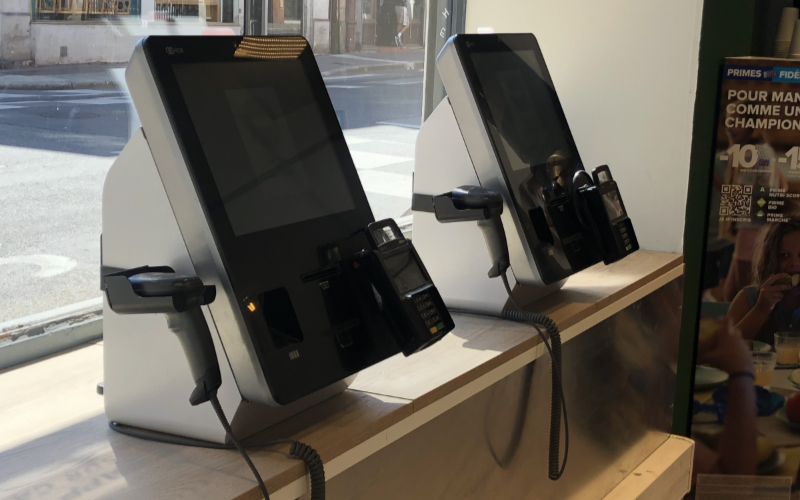
Service request kiosks also have modular add-ons that make them even more functional. You can find service request kiosks that have scanners, printers, and even terminals for payments. This is suitable for physical service request kiosks found in public places.
Industry-Specific Custom Services
You can have service request kiosks made according to the needs of your industry. For instance, you can purchase service request kiosks that are ideal for the retail industry.
Benefits of Service Request Kiosks Implementation
Here is a list of common benefits of using service request kiosks:
Delivery at Speed
Service request kiosks are especially helpful for those companies that seek to offer improved service delivery. These machines help speed up the process and reduce waiting time.
Improved Customer Satisfaction
Also, customers claim they are much more satisfied by using service request kiosks. These services provide 24/7 accessibility and immediate assistance. Finally, with service kiosks, companies can keep in touch with customers.
Cost Savings and Revenue Generation
Countless businesses also use a service request kiosk as it saves them money on staffing. These platforms allow companies to channel resources elsewhere. The money saved from reduced labor can go into the other high-growth areas of your business.
Improved Data Collection and Analysis
Another benefit of using service request kiosks is that businesses enjoy increased ease when gathering insights into customer preferences and service demand. Additional ways in which companies can learn more about their users include surveys and other information-gathering techniques.
Reduced Operational Bottlenecks
Finally, service request kiosks align operational processes and reduce errors that emanate from human intervention. Service request kiosks are highly accurate, thus aiding businesses in service delivery speed.
Components and Configurations of Service Request Kiosks
The following are some of the components and configurations that ensure high efficiency while working with service request kiosks:
Hardware Components
These hardware components help users interact with service request kiosks. Physical service request kiosks have a touchscreen, keypads, printers, and card readers to enable users to navigate service offerings. Users can also input their personal information and any required data via the kiosk’s touchscreen interface.
Software Configurations
Another important set of features on service request kiosks includes software integrations. Some software features include user interface, workflow management, and security features. This allows service request kiosks to complete user demands.
Connectivity Options
Internet connectivity ensures that service request kiosks maintain the highest operational efficiency. Wi-Fi, Ethernet, and Bluetooth contribute to seamless operations for many businesses. Such internet connectivity also allows service request kiosks to offer real-time updates.
Challenges and Solutions in Deploying Service Request Kiosks
Below is a list of the common challenges you face when using service request kiosks.
Ensuring System Reliability and Uptime
Having consistent performance uptime can be a bit challenging as service request kiosks can also suffer system issues. However, regular maintenance checks can help to reduce incidences of performance downtime.
Addressing User Training and Adaptation Issues
Some users will also develop difficulties when using service request kiosks. Companies can reduce such issues by offering simple-to-use training programs to customers. Such training programs will ease user adaption and adoption of such technologies.
Managing Privacy and Data Security Concerns
Due to the internet-based nature of service request kiosks, keeping user data safe and private might become a challenge. Companies can increase user data safety by patronizing vendors whose service request kiosks offer greater security.
Dealing with Technical Support and Maintenance Needs
Companies can deal with maintenance needs by ensuring they get helpful resources from vendors. These resources should contain information about how to handle technical issues. You can also train staff members to handle common maintenance issues that arise. This will reduce the effects of such technical issues.
Tips for Businesses Implementing Service Request Kiosks
Selecting the Right Kiosk Model for Your Needs
The ideal kiosk for your business is one whose basic features meet your needs. To get a clear idea of this kiosk, companies should specify their business needs. They should also confirm a kiosk’s basic features before purchasing it.
Planning for Maintenance and Support Services
You should also plan for how to have regular maintenance of these services. You can use trained staff to conduct regular predictive maintenance. This will allow you to spot and resolve technical issues early, thus reducing the impact on your business operations.
Training Staff and Users for Effective Utilization
Another factor to consider is staff and user training. You can enjoy higher efficiency by training your customers to interact with service request kiosks. Staff members should also receive such training to offer better guidance to customers.
Monitoring Performance and Gathering Customer Feedback
Your business can gain more from service request kiosks by implementing customer feedback systems. A common example is using a survey and questionnaire pop-up, asking customers to rate your company name. Such pop-ups help you find inefficiencies and areas for improvement.
Conclusion: Essential Guide to Service Request Kiosks
The growing demand for service request kiosks is another testament to the reliability of using technology to meet business needs. Companies today are looking for increased service delivery and reduced operational costs.
Service request kiosks are allowing companies to reduce operation costs effectively. You might want to find a service request kiosk solution that suits your budget.
Thankfully, you can get all the help you need from BestKiosk. Reach out today to get a free quote.

Kitty Tan
Custom Kiosk Expert Consultant
Kitty is a kiosk expert at FlyXing. With extensive knowledge and experience in designing and manufacturing self-service kiosks, Kitty specializes in creating customized solutions to meet diverse industry needs.


