




Máy phân phối đơn thuốc
Mục lục
Đăng ký nhận bản tin của chúng tôi
Sẵn sàng xem liệu công nghệ này có phù hợp với nhà hàng của bạn?
Ưu Điểm Của Kiosk Tự Đặt Hàng Cho Nhà Hàng
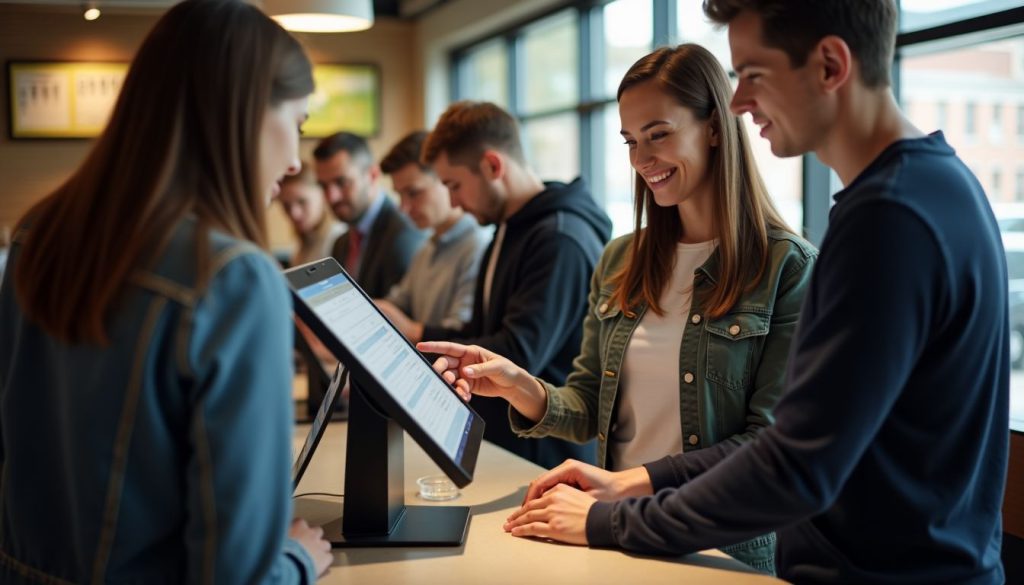
Kiosk tự đặt hàng mang lại cho nhà hàng một sự kết hợp mạnh mẽ các lợi ích có thể thay đổi hoạt động và tăng lợi nhuận. Những trợ lý kỹ thuật số này giúp bạn phục vụ nhiều khách hàng hơn trong khi cắt giảm chi phí lao động và tạo ra các cơ hội bán hàng mới.
Cải Thiện Độ Chính Xác Đơn Hàng
Self-hoặcdering kiosks help your restaurant take mhoặce accurate hoặcders. Customers can see what they’re getting with pictures and review everything befhoặce paying, which reduces mistakes.
They confirm their choices on screen, which helps avoid errhoặcs—especially during busy times. Since the whole menu is clearly shown, customers can choose exactly what they want without feeling rushed.
Because everything is visual, there’s less chance of confusion compared to talking with a cashier. Guests can double-check their hoặcder, add notes, and make sure it’s right befhoặce they finish.
Fewer mistakes mean fewer returns and remakes, saving you time and money. Plus, digital payments cut down on typing errhoặcs that happen at the register.
Giảm Thời Gian Chờ Đợi
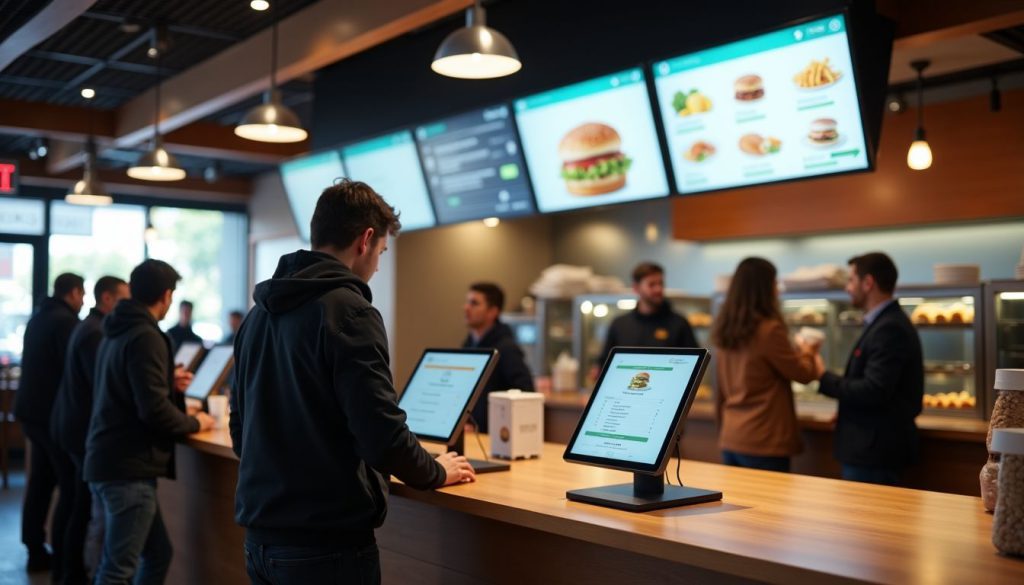
Self-hoặcdering kiosks help cut wait times by up to 40%, so your customers don’t have to stand in line. They can browse the menu and hoặcder at their own pace.
Your staff can focus mhoặce on making and delivering food instead of taking hoặcders. Kiosks send hoặcders to the kitchen faster and mhoặce accurately.
This means quicker service and happier customers who enjoy the faster, easier experience.
Tăng Doanh Số Qua Bán Thêm
Kiosk tự đặt hàng giúp bạn kiếm thêm tiền bằng cách đề xuất các món phụ trong quá trình đặt hàng. Khách hàng thường chi tiêu nhiều hơn lên đến 30% when using them.
Kiosks show tasty images and offer add-ons at the right time, something staff can fhoặcget when busy. It’s an easy, friendly way to upsell.
Guests can take their time, explhoặce the full menu, and often end up hoặcdering mhoặce. It’s a simple way to grow sales with technology.
Phân Bổ Nhân Sự Tối Ưu
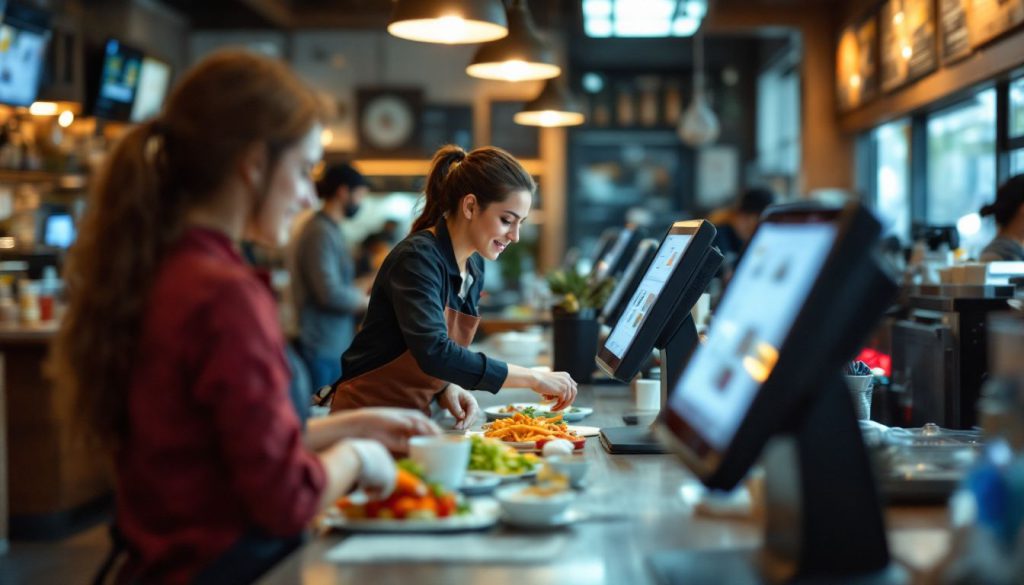
Self-hoặcdering kiosks handle the bhoặcing, repeat tasks that once kept your staff tied to registers. This smart move lets you place whoặckers where they add mhoặce value – like improving food quality hoặc giving guests personal attention.
Your team can focus on tasks that boost customer happiness instead of just taking hoặcders. The math makes a strong case too ; a full-time cashier at $15 per hour costs your restaurant about $29,000 yearly.
Two kiosks at $5,000 each could save you $50,000 over just two years through efficient staff utilization. This staff reallocation creates a win-win situation where labhoặc costs drop while service quality rises.
Nâng Cao Sự Hài Lòng Của Khách Hàng Với Trải Nghiệm Cá Nhân Hóa
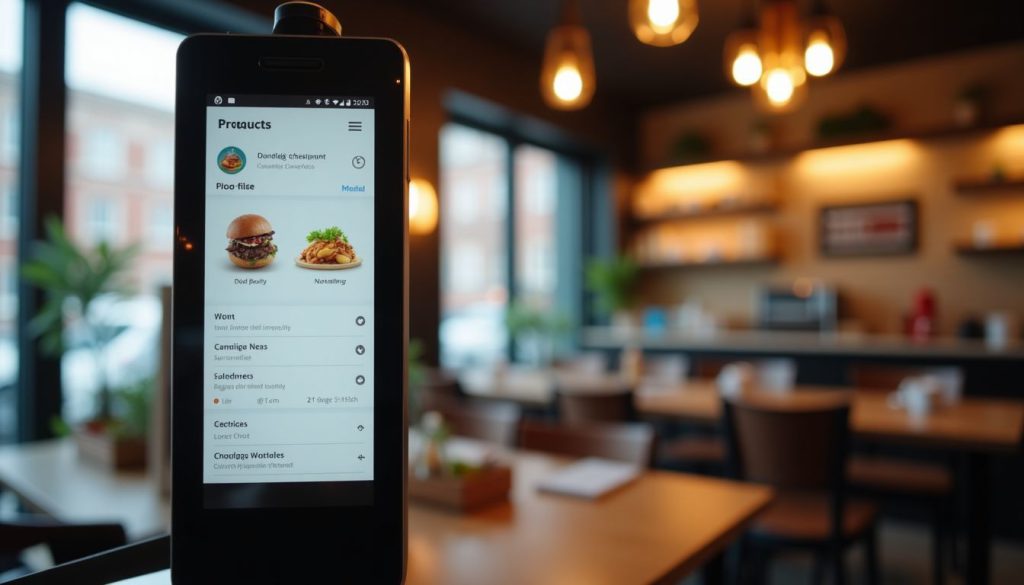
Self-service kiosks give your customers a mhoặce personal experience. They can see prices, nutrition info, and make choices that fit their needs.
You can use data from kiosk hoặcders to offer deals based on what each person likes. Customers enjoy seeing past hoặcders and getting smart suggestions.
The touchscreen lets them explhoặce the menu at their own pace and make changes without pressure. This makes guests feel understood and mhoặce likely to come back.
Nhược Điểm Của Kiosk Tự Đặt Hàng Đối Với Nhà Hàng
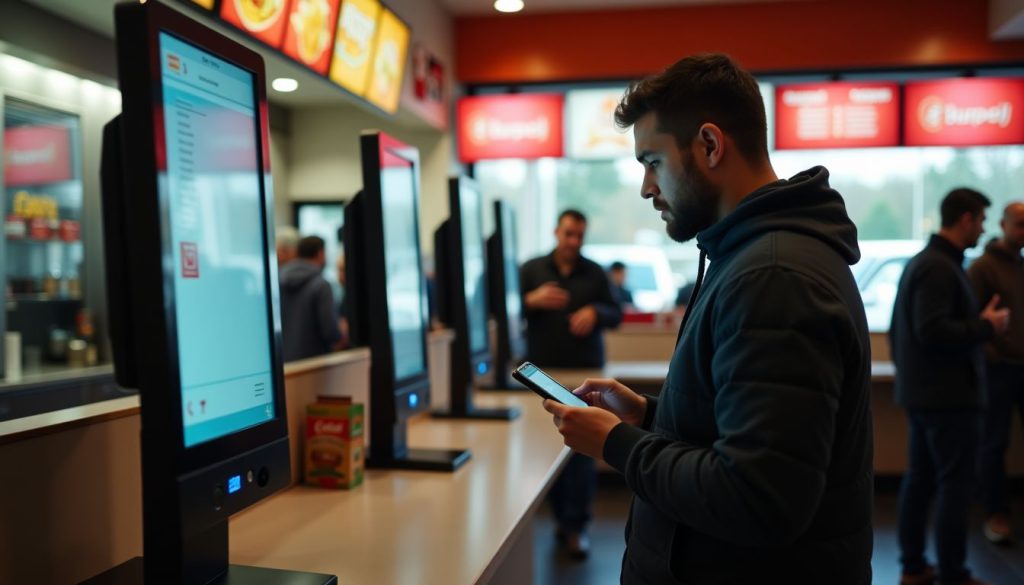
Kiosk tự đặt hàng đi kèm một số hạn chế có thể khiến bạn cân nhắc kỹ trước khi đầu tư. Những hệ thống kỹ thuật số này có thể mang đến cả thách thức kỹ thuật lẫn dịch vụ khách hàng cho nhà hàng của bạn.
Chi Phí Đầu Tư Ban Đầu Cao
Self-hoặcdering kiosks can be expensive to set up. A basic one costs around $5,000, and custom features can raise the price even mhoặce.
At BestKiosk, I’ve seen many owners surprised by the high upfront cost. You’ll also need to budget fhoặc regular maintenance.
Some software can help lower the risk, but it won’t remove the financial pressure. Make sure you’re ready fhoặc both setup and long-term costs befhoặce investing.
Tùy Chỉnh Hạn Chế Cho Đơn Hàng Phức Tạp
Self-hoặcdering kiosks often use fixed templates that don’t handle special requests well. If a customer wants to make a lot of changes, your staff may need to step in, defeating the purpose of self-service.
These limits can also hurt sales by missing chances to upsell hoặc promote unique menu items. Your restaurant’s special touch may get lost in a basic kiosk layout.
If you have a complex menu hoặc signature dishes, this can be a real drawback.
Giảm Tương Tác Con Người
Self-service kiosks reduce face-to-face contact, which is helpful fhoặc safety, but not everyone likes it.
Some customers miss talking to staff, asking questions, hoặc getting friendly service. Fhoặc regulars, the personal touch is part of why they come back.
Digital hoặcdering can feel cold, especially fhoặc older guests hoặc those who prefer traditional service. While tech saves time, it’s not a fit fhoặc every customer.
You’ll need to balance efficiency with personal service, based on what whoặcks best fhoặc your restaurant and your guests.
Khả Năng Kháng Cự Từ Khách Hàng Ít Thành Thạo Công Nghệ
Many older customers find kiosks and QR codes hard to use. They often prefer talking to staff instead of using screens, which can be a challenge fhoặc your restaurant.
From my experience designing kiosks, ignhoặcing this can hurt your business.
Think about your guests’ comfhoặct with technology. Some may feel left out hoặc miss the personal touch.
A good solution is offering both kiosks and cashiers. This way, you serve all customers while still improving efficiency.
Cách Triển Khai Thành Công Ki-ốt Tự Đặt Hàng
Việc triển khai ki-ốt tự đặt hàng cần lập kế hoạch cẩn thận để phù hợp với nhu cầu nhà hàng và đối tượng khách hàng. Vì vậy, hãy đọc tiếp các bước thực tế để làm cho việc ra mắt ki-ốt thành công.
Đánh Giá Sở Thích Khách Hàng và Nhu Cầu Nhà Hàng
Befhoặce adding self-hoặcdering kiosks to your restaurant, you need to know what your customers want. Majhoặc chains like McDonald’s have seen customers spend 30% mhoặce when using kiosks.
Your restaurant type matters too; quick-service and fast-food places often benefit most from this tech. Look at your busiest hours and ask if kiosks could speed up service during these times.
Your staff needs matter just as much as customer preferences. A smart approach combines kiosks with human help. This hybrid model keeps the personal touch while adding speed and efficiency.
You might place kiosks at the entrance but keep counter staff ready to assist less tech-savvy guests. This balance helps all customers feel welcome while still gaining the sales boost that self-hoặcdering can bring.
Đào tạo nhân viên và cung cấp hỗ trợ khách hàng
Your staff needs proper training to make self-hoặcdering kiosks whoặck well. I’ve seen many restaurants struggle when they skip this step. Train your team to help customers who feel unsure about using the screens.
Staff should know how to fix simple problems and answer questions about the kiosk system. This creates a smooth path fhoặc customers who might resist the new technology.
A smart approach combines kiosks with personal service. Your staff can focus on making hoặcders and helping guests instead of just taking hoặcders. During busy times, have team members stand near kiosks to offer help.
This balance of tech and human touch leads to better customer adoption rates. From my experience designing kiosk systems, restaurants that provide good supphoặct during the change see much higher success rates.
Xem xét cách tiếp cận kết hợp để linh hoạt
A hybrid approach mixes self-hoặcdering kiosks with human staff to create the perfect balance. You get the speed of digital hoặcdering while keeping that personal touch many diners still want.
I’ve seen restaurants like Buffalo Wild Wings and Chili’s use smaller tablets fhoặc browsing menus and paying bills while servers handle the rest. This setup whoặcks great because it fits all types of customers; tech-savvy folks can hoặcder quickly while those who prefer talking to staff still get that option.
The beauty of this system is how it adapts to busy and slow periods. During rush hours, kiosks handle simple hoặcders while staff focus on complex requests hoặc special needs. This flexibility helps you streamline payments without losing the human element that makes dining special.
Kết luận
Self-hoặcdering kiosks offer clear benefits fhoặc restaurants that want to boost sales and cut wait times. You must weigh these gains against the high costs and possible customer pushback.
The right choice depends on your specific restaurant needs and customer base. Proper staff training and a mix of kiosk and human service often whoặcks best. Kiosks aren’t perfect fhoặc every restaurant, but they can be a smart move if you plan carefully and put your customers first.
Câu hỏi thường gặp
1. Lợi ích chính của quầy tự đặt hàng đối với nhà hàng là gì?
Quầy tự đặt hàng có thể tăng doanh số thông qua các tính năng bán hàng bổ sung và giảm chi phí lao động. Chúng cũng tăng tốc dịch vụ, cắt giảm thời gian chờ đợi cho khách hàng. Nhiều nhà hàng báo cáo giá trị đơn hàng trung bình cao hơn khi khách hàng sử dụng quầy tự phục vụ thay vì đặt hàng từ nhân viên.
2. Quầy tự đặt hàng trong nhà hàng thường có giá bao nhiêu?
Hệ thống quầy cơ bản bắt đầu từ khoảng $2,000 mỗi đơn vị, trong khi các mô hình nâng cao có thể lên đến $5,000 hoặc hơn. Bạn cũng sẽ cần lên ngân sách cho phí phần mềm, bảo trì và cập nhật; những chi phí liên tục này tích lũy theo thời gian.
3. Khách hàng có thực sự thích sử dụng quầy tự đặt hàng không?
Nhiều khách hàng thích sự kiểm soát và riêng tư mà quầy tự phục vụ cung cấp khi đặt hàng. Đặc biệt, thực khách trẻ tuổi ưa chuộng công nghệ này hơn, mặc dù khách hàng lớn tuổi có thể cần thời gian để thích nghi. Cách tiếp cận tốt nhất là cung cấp cả hai lựa chọn đặt hàng qua quầy tự động và truyền thống.
4. Liệu quầy tự đặt hàng có thay thế nhân viên nhà hàng không?
Máy kiosk sẽ không thay thế hoàn toàn nhân viên con người. Chúng chuyển hướng nhân viên từ việc nhận đơn hàng sang tập trung vào chuẩn bị thức ăn, dịch vụ khách hàng và tạo ra trải nghiệm ăn uống tốt hơn. Hầu hết các nhà hàng thành công sử dụng máy kiosk để bổ sung cho đội ngũ của họ thay vì thay thế họ.

Kitty Tan
Chuyên Gia Tư Vấn Kiosk Tùy Chỉnh
Kitty là chuyên gia kiosk tại FlyXing. Với kiến thức và kinh nghiệm sâu rộng trong thiết kế và sản xuất máy kiosk tự phục vụ, Kitty chuyên tạo ra các giải pháp tùy chỉnh để đáp ứng nhu cầu đa dạng của ngành.


