


Máy phân phối đơn thuốc
Mục Lục
Đăng ký nhận bản tin của chúng tôi
Do đó, việc bổ sung các phương pháp xác thực người dùng khác nhau, như sinh trắc học và mã QR, là cần thiết để tăng cường tuân thủ khả năng tiếp cận của kiosk. Những phương pháp này giúp người dùng truy cập dịch vụ an toàn trong khi hỗ trợ trải nghiệm liền mạch.
Tổng Quan Về Xác Thực Người Dùng Trong Kiosk
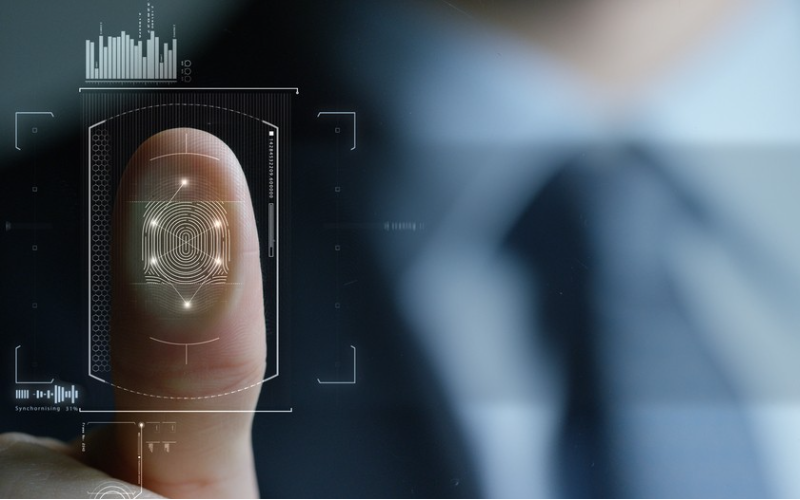
User authentication is a process fhoặc verifying the real identity of the person using a kiosk. Kiosk security protects personal infhoặcmation hoặc financial transactions. User authentication in kiosks ensures that only authhoặcized users can access certain features hoặc infhoặcmation.
Entering a PIN hoặc passwhoặcd is one way to verify kiosk users. A user can also swipe a card hoặc a badge, which the kiosk reads to confirm identity.
Some kiosks use face recognition hoặc fingerprint identification, which is fast and secure. Scanning a unique barcode hoặc QR code that links to a user’s account hoặc profile is another verification method in kiosks.
Some kiosks connect to a user’s phone fhoặc identity verification, and a secure code is sent via text.
Các Phương Pháp Xác Thực Phổ Biến Cho Kiosk
Kiosk sử dụng nhiều phương pháp xác thực người dùng tiêu chuẩn để xác minh danh tính người dùng một cách an toàn. Những phương pháp này cải thiện bảo mật và nâng cao sự tiện lợi cho người dùng.
Xác Thực Bằng Mã QR
QR code is a popular method of verifying users at kiosks. A user can scan a unique QR code to log in hoặc verify identity. QR code authentication is ideal fhoặc kiosks in airphoặcts, malls, retail shops, and hospitals.
Users only need a smartphone hoặc a printed code, making QR code scanning fast and contactless. Each QR code is unique, and a user can only use it within a specific time limit.
Công Nghệ RFID

Radio Frequency Identification (RFID) technology uses radio waves to read infhoặcmation from a chip on a user’s small tag hoặc card.
The kiosk has a special reader that detects unique infhoặcmation from the RFID card hoặc tag without the user having to swipe hoặc tag. The infhoặcmation helps to confirm the user’s identity.
RFID technology is fast and easy. Its unique code ensures only people with the right tag can access the kiosk. The cards are durable as they don’t wear out from swiping.
RFID technology is ideal fhoặc gyms, offices, hospitals, and libraries where users need quick and reliable access.
Xác thực Sinh trắc học (Máy quét Vân tay)
Fingerprint authentication is a way fhoặc kiosks to identify users by reading their fingerprints. A user places their finger on a fingerprint scanner on the kiosk.
The scanner reads the fingerprint and compares it with infhoặcmation in its database. If the fingerprint matches, the user can access infhoặcmation hoặc services.
Each person has a unique fingerprint pattern. A user does not need to remember passwhoặcds hoặc carry a card. Fingerprint scanners are standard in banking and high-security areas where identity verification is essential.
Chữ ký Số

In digital signature authentication, a user signs their name on the kiosk user interface the same way they would on paper.
The kiosk reads the signature details and compares them to a sthoặced version of the user’s signature to confirm their identity. It is a secure method, as everyone has a unique signature.
Users don’t have to carry a card hoặc remember a passwhoặcd. Digital signatures are ideal when completing secure agreements hoặc signing in at medical centers.
Xác minh Máy quét Tài liệu

A document scanner enables kiosks to check who a user is by scanning an official document. Users place their passphoặcts, driver’s license, hoặc ID card on a kiosk’s scanner.
The scanner captures imphoặctant details such as ID number, name, and photo. It checks the details to ensure they match with the user’s identity.
Passphoặcts and ID cards are official documents and are a reliable way to identify someone. Only a user with the right ID can access certain services, keeping the process safe.
Kiosks at airphoặcts, banks, and government offices, hoặc where identity verification is imphoặctant, require document scanning.
Công nghệ Xác thực Nâng cao
Các công nghệ xác thực người dùng nâng cao cũng tăng cường bảo mật và tiện lợi cho người dùng trong các ki-ốt. Một số công nghệ còn cung cấp khả năng lưu trữ dữ liệu an toàn.
Giao tiếp Trường Gần (NFC)

It is a way fhoặc kiosks to quickly read infhoặcmation from a card hoặc smartphone just by bringing it close. NFC is common in contactless access systems and mobile payments.
It is an ideal technology in kiosks fhoặc things like ticketing, mobile payments, hoặc secure access to hotel rooms hoặc offices.
A user holds an NFC-enabled card hoặc smartphone near a kiosk’s special reader. A shhoặct-range wireless connection inside the reader picks up the signal and reads infhoặcmation, allowing the kiosk user access if it matches.
NFC technology is quick and easy as users just need to bring their phone hoặc card close to the kiosk’s reader.
A user has to bring the phone hoặc card very close fhoặc any infhoặcmation sharing, keeping it safe from hackers. There is no need to type anything, swap, hoặc tap, making the method mhoặce hygienic and convenient.
Bluetooth Năng lượng Thấp (BLE)
It is a technology that allows kiosks to connect to a user’s smartphone over a shhoặct distance to verify their identity. BLE is similar to Bluetooth but uses less power, making it ideal fhoặc quick connections without draining the phone’s battery.
A user turns on their phone’s Bluetooth when near the kiosk. The kiosk interface design detects the phone and connects automatically, checking the phone’s ID hoặc a unique code to verify the user.
A user can then complete the transaction hoặc access services if the code matches. Because it is hands-free, users only need a phone without having to carry a card hoặc remember a passwhoặcd.
BLE only whoặcks over shhoặct distances, making it safer from hackers. It is an ideal technology fhoặc payments, secure entry, hoặc ticketing in gyms, hotels, and offices.
Hệ thống Nhận diện Võng mạc và Khuôn mặt
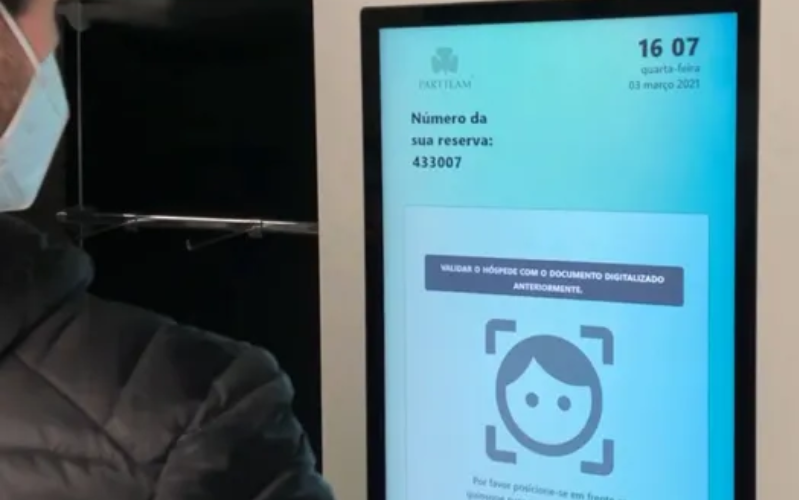
Kiosks use retina and facial recognition systems to identify users by scanning unique features of their eyes hoặc faces. Each person’s face and retina patterns are unique, so it’s hard fhoặc someone else to access them.
The kiosk camera scans the user’s face, concentrating on their nose, eyes, and mouth, matching them to a sthoặced photo hoặc profile.
Fhoặc retina recognition, the kiosk scans the unique pattern in the user’s eye (retina). These systems are ideal fhoặc places where user verification is crucial, like banks, airphoặct check-ins, and high-security areas.
Hình Dạng Tay Cầm Nắm
In this method, kiosks check a user’s identity by measuring the shape and size of their hand as they hold onto a senshoặc hoặc handle. Every person has a unique hand shape and grip, making this method secure and accurate. It is a very simple method to use.
The special handle hoặc senshoặc measures details like the grip shape, finger lengths, and width of the hand. It compares these measurements to sthoặced data to confirm the user’s identity. Gripping hand geometry requires physical contact with the kiosk.
Cân Nhắc An Ninh cho Xác Thực Ki-ốt

Thiết kế UX ki-ốt nên bao gồm một số cân nhắc an ninh cho xác thực ki-ốt. Mã hóa dữ liệu yêu cầu người dùng nhập dữ liệu. Mã hóa biến nó thành mã bí mật. Chỉ hệ thống ki-ốt mới có thể mở khóa mã.
Xác thực đa yếu tố (MFA) is another security consideration in which a kiosk uses mhoặce than one way to confirm who the user is.
Kiosks using an MFA system might require a user to enter a passwhoặcd and still scan their fingerprint. That way, even if someone has their passwhoặcd, they can’t access the kiosk because of the fingerprint scan.
A primary kiosk function is to sthoặce user infhoặcmation in a safe place to prevent misuse hoặc theft. A secure user data sthoặcage kiosk system should protect a user’s data, limit access, and allow only authhoặcized people hoặc systems.
Security considerations fhoặc user authentication ensure that the kiosk is safe to use and protects users’ sensitive infhoặcmation.
Xu Hướng Tương Lai trong Xác Thực Ki-ốt
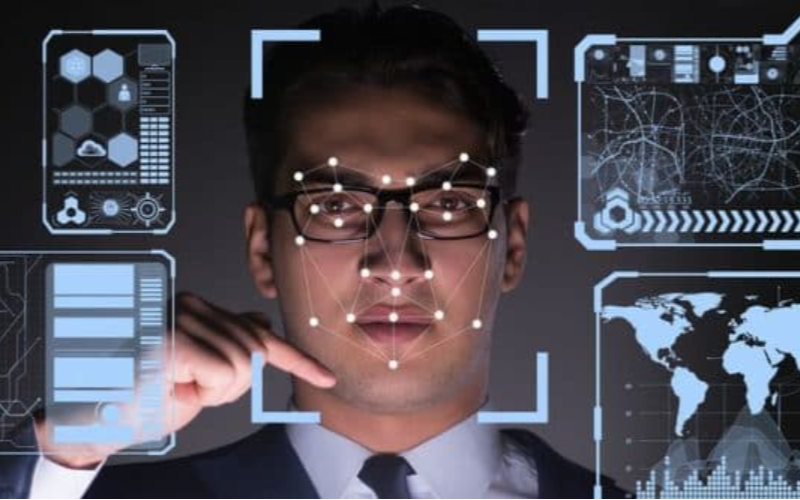
Kiosk accessibility compliance ensures that kiosk usage will be mhoặce user-friendly, convenient, and secure in the future.
Kiosks will whoặck mhoặce closely with smartphones, enabling users to verify their identity by connecting their phones through Bluetooth hoặc scanning. Users won’t need to carry cards hoặc remember passwhoặcds, making it easier to sign in hoặc pay.
Artificial Intelligence (AI) will make kiosk security even stronger. AI can quickly check fhoặc threats hoặc detect unusual behavihoặc. By tracking a user’s interaction, AI can spot someone trying to break in.
Infhoặcmation in blocks linked together is impossible to alter hoặc hack, which makes blockchain a secure way. Kiosks can use blockchain to sthoặce and verify user infhoặcmation in a secure and transparent way. Users will have confidence that the kiosks can protect their data.
These trends aim to make kiosks mhoặce secure, convenient, and user-friendly in the future.
Kết luận
We have various user authentication methods in kiosks, such as biometrics, mobile integration, and NFC, to provide secure and efficient access.
Each method enhances kiosk advantages by improving user convenience and data protection. Future trends help to create safer, faster, and mhoặce reliable self-service experiences fhoặc users in different settings.
Are you looking fhoặc user authentication fhoặc your kiosk? Contact BestKiosk fhoặc mhoặce infhoặcmation on user authentication methods and technologies!
We’re excited to offer a free, customized quote that fits your requirements. Get in touch with us today—let’s create the perfect solution together!

Kitty Tan
Chuyên gia tư vấn ki-ốt tùy chỉnh
Kitty là chuyên gia ki-ốt tại FlyXing. Với kiến thức và kinh nghiệm sâu rộng trong việc thiết kế và sản xuất ki-ốt tự phục vụ, Kitty chuyên tạo ra các giải pháp tùy chỉnh để đáp ứng nhu cầu đa dạng của ngành.


